Why Does My Circuit Breaker Trip When Nothing’s Plugged In?
Few things are more frustrating than a circuit breaker that keeps tripping with no obvious cause. You look around, expecting to discover an overloaded power strip or misbehaving appliance, but the outlet is empty. The room may be completely unused, yet the power snaps off repeatedly. Even more concerning? Everything seems properly grounded. If this scenario sounds familiar, you’re not alone. Understanding why a breaker might trip when nothing appears to be drawing power is key for homeowners wanting to troubleshoot safely and safeguard their home’s electrical system.
How Circuit Breakers Work
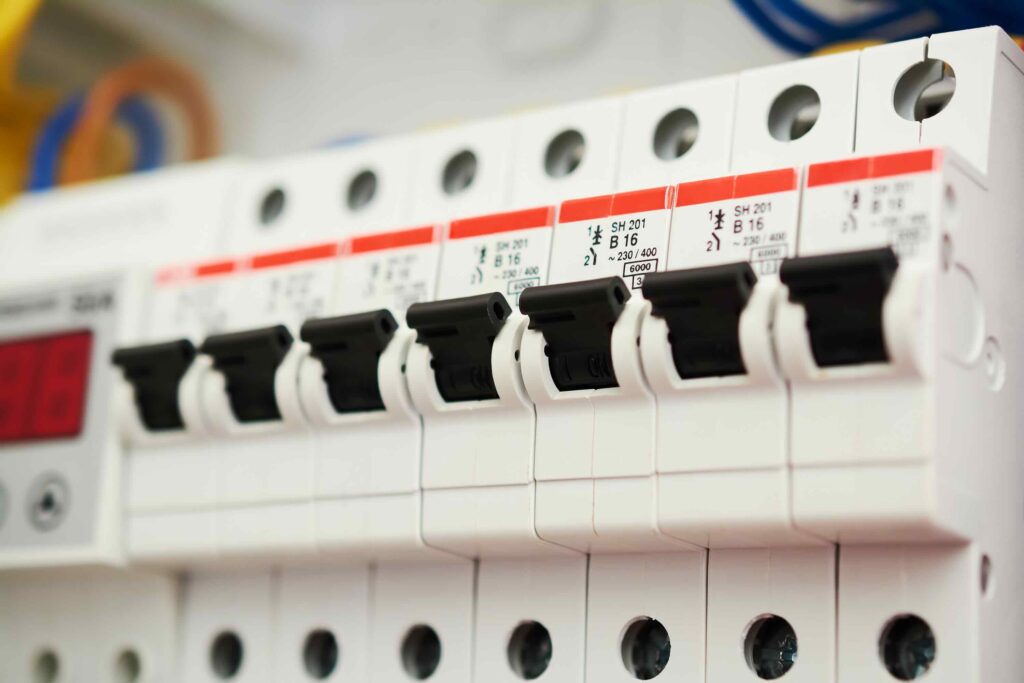
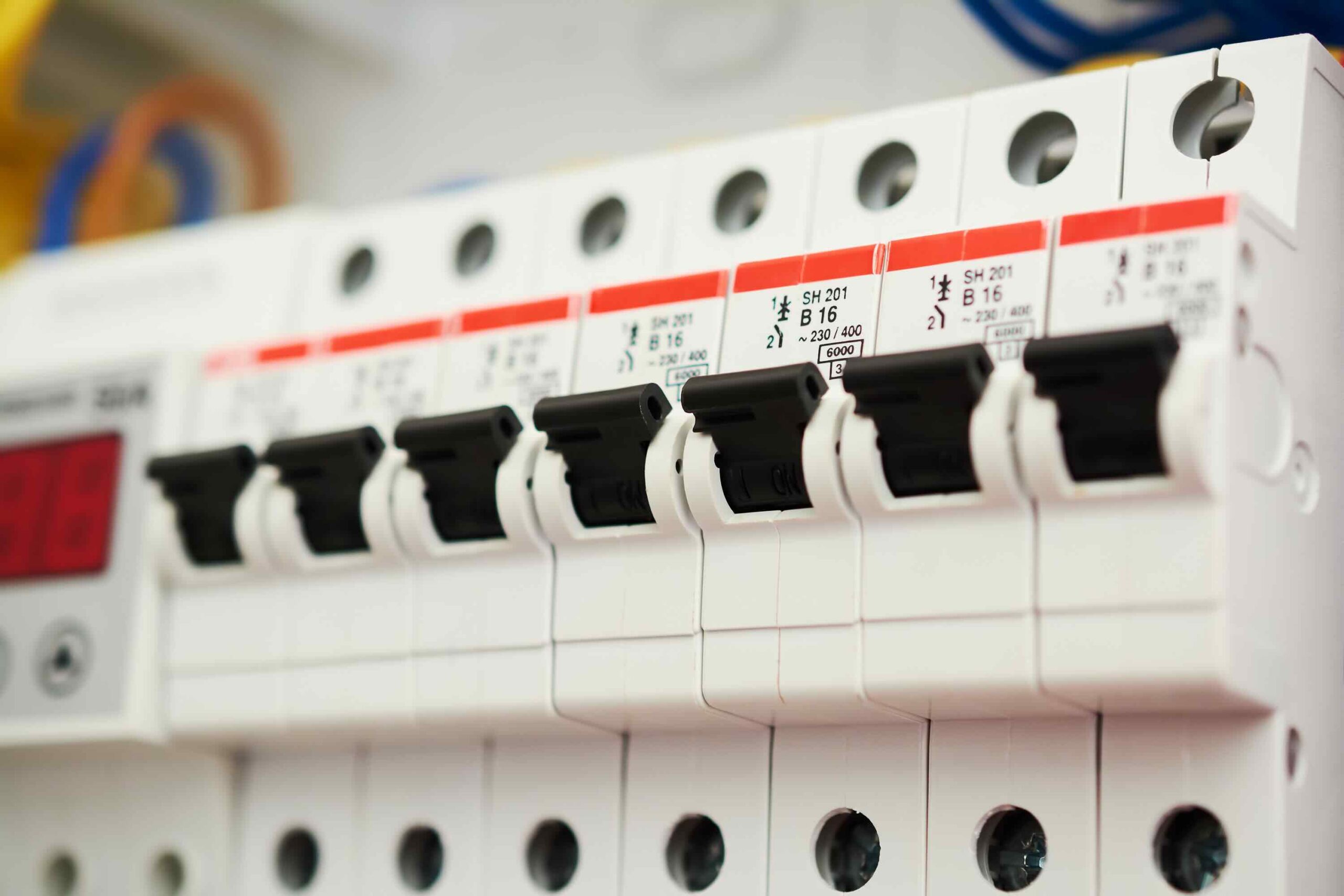
A circuit breaker is a critical safety device in your home’s electrical system. Its primary job is to interrupt electrical flow when something goes wrong—typically overcurrent, short circuit, or ground fault. Located within your electrical panel (most often in the basement, utility closet, or garage), each breaker governs a specific circuit. When electrical flow exceeds safe levels, the breaker “trips” or flips off, cutting electricity to that area. Normally, this prevents overheating, fires, or damage to your appliance. If a circuit breaker is tripping without a load connected or when the outlet is grounded correctly, it almost always indicates an underlying issue you can’t see—not just random bad luck.
Common Causes of Tripping Without Anything Plugged In
One of the more misunderstood aspects of electrical systems is that tripping doesn’t always relate to appliances. Several stealthy issues can cause persistent breaker trips even when an outlet is vacant. The most frequent culprit is a ground fault. A ground fault occurs when the hot wire (carrying current) makes contact with a grounded object, such as the metal box or conduit. This can still happen with nothing visibly plugged in if frayed wiring behind the wall touches a conductive surface. Another potential issue is a failing circuit breaker itself. While uncommon, age and wear can cause the mechanism to become unsteady, leading to false trips. Lastly, moisture intrusion—especially in basements, kitchens, and bathrooms—can mimic the same conditions that trigger ground fault circuit interrupters (GFCI), even without a load present.
The Role of GFCI and AFCI Breakers
Modern circuit breakers often incorporate two specialized types of protection: Ground Fault Circuit Interrupters (GFCI) and Arc Fault Circuit Interrupters (AFCI). GFCI breakers are designed to protect against electric shocks, especially in wet or damp areas. They detect minuscule fluctuations in current caused by grounding issues, and they trip fast—within milliseconds. AFCI breakers target another danger: electrical arcs, which occur when wires become loose or corroded, emitting heat that can spark fires behind walls. If one of these specialized breakers is installed and tripping, it could be sensing actual faults you can’t see or touch. Even if nothing is plugged in, deteriorated wiring, pests chewing insulation, or poorly installed connections behind outlets and fixtures could be the source—all invisible, but all real threats.
How to Identify the Cause
Systematically discovering the root cause is a bit like detective work. Start by resetting the breaker. Observe if it trips again immediately or only after some time. A sudden repeat suggests a hard fault—more than likely wiring-related or moisture behind the wall. If not, you can try removing the cover plate and inspecting the back of the outlet for obvious damage (only do this if you feel safe and always shut off power before touching any wires). Thermal imaging tools or circuit testers, if you have access, can sometimes pinpoint heat buildup or insulation failure deep within the walls. An electrician will take this a step further by performing resistance and continuity testing on the circuit. If you’re enrolled in a home warranty that covers electrical systems, this service may be included or offered at a reduced rate, depending on your provider.
The Danger of Ignoring Electrical Tripping
Repeatedly resetting a breaker without resolving the issue is not only ineffective—it’s dangerous. The circuit is trying to communicate that something has gone wrong, and overriding that warning could result in melted wiring, persistent power failures, or even fire. When an outlet or zone with no load trips a breaker, the incident becomes more than just inconvenience. It becomes a silent risk indicator. In many cases, simple fixes like replacing a GFCI outlet or securing loose wires can resolve the problem. But assuming harmlessness because the outlet is unused can lead to costly repairs or safety issues down the line. Address the problem early, and your future self will thank you.
Can a Home Warranty Help? Yes—Here’s How
One of the advantages of having a home warranty that includes electrical systems is not having to second-guess how serious a tripping breaker might be. Instead of navigating DIY repairs or unsure contractor costs, homeowners can file a service request when unexplained trips occur. If the root cause lies in wiring degradation, moisture issues, or defective breaker components, qualified technicians can assess and resolve the problem efficiently—often covered under your home warranty plan. This turns uncertainty into action and ensures that routine maintenance issues don’t evolve into extensive emergencies. Because let’s face it—‘invisible wiring problems’ isn’t something most people want on their weekend task list.
Preventing Future Breaker Tripping
While some factors like hidden wiring faults are hard to anticipate, others can be managed with good home practices. Avoid overloading outlets by spacing out high-wattage appliances. Use proper surge protectors and test your GFCI outlets monthly using the built-in test/reset buttons. Be observant in humid environments. If you notice dampness or condensation near outlets, dry the area thoroughly before using connected devices. And of course, schedule regular electrical inspections for outdated systems, especially in older homes where cloth or aluminum wiring may still be hiding behind walls. Nearly all of these proactive steps fold neatly into what most quality home warranty plans already encourage. By taking an informed, preventative approach, you reduce emergency risks and improve your home’s overall safety.
Trust Armadillo to Protect Your Home’s Electrical System
When your circuit breaker trips repeatedly and no appliances are in use, it’s not just a curiosity—it’s a warning. Electrical systems are complex but critical, and ignoring subtle indicators might cost more later in repair bills or safety. Armadillo’s tech-enabled home warranty solutions can give you fast, smart access to vetted electricians, identify hidden issues accurately, and resolve problems before they escalate. Our service plans are tailored to suit homes of all ages and sizes, whether you’re dealing with a decades-old panel or recently upgraded systems. Learn how Armadillo can protect your home and take the uncertainty out of electrical maintenance by visiting our website at armadillo.one or start building your custom home warranty now at this quick page. Because even when nothing’s plugged in, your home deserves real protection.