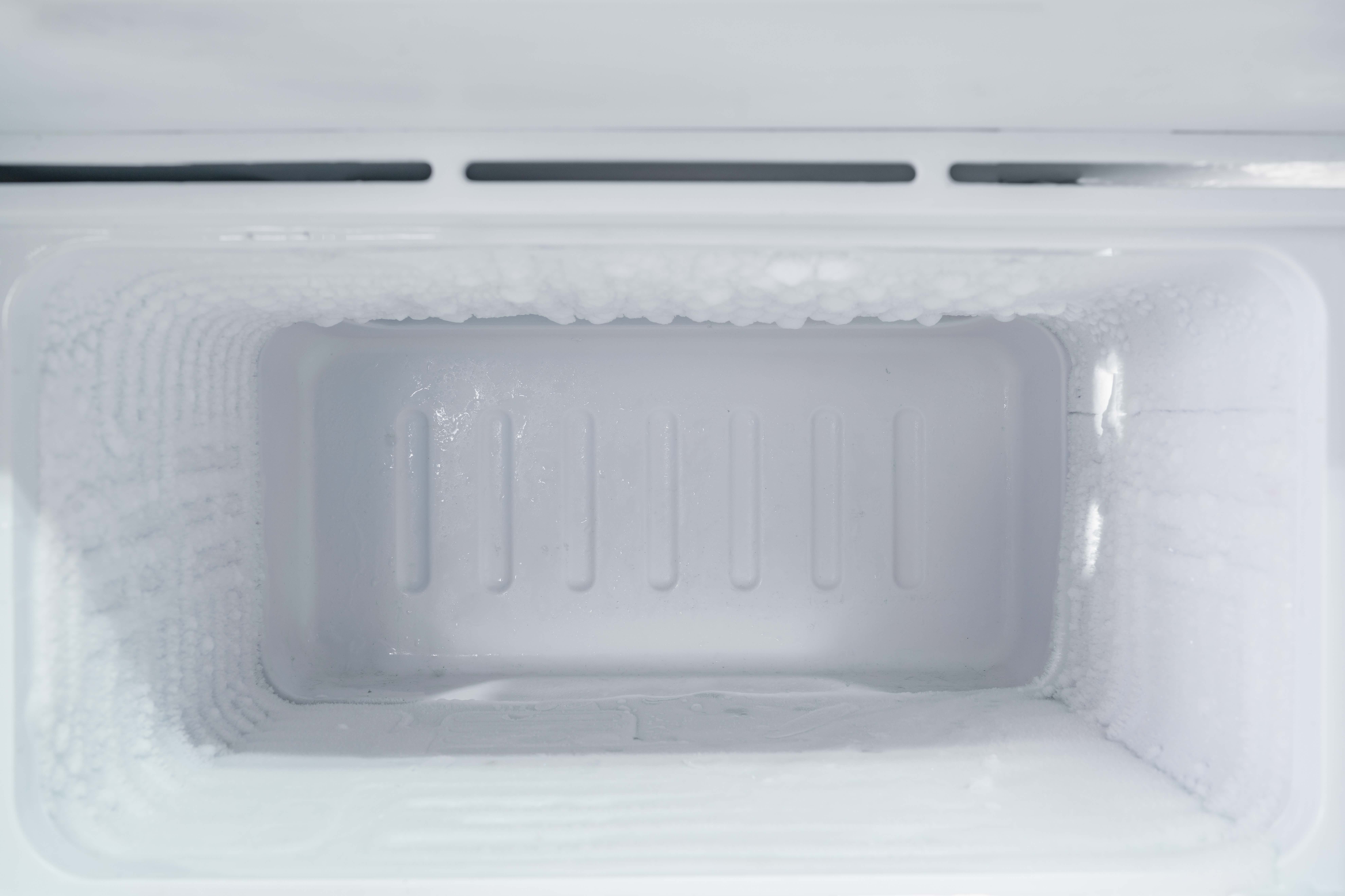
Why Is My Freezer Turning Into a Block of Ice? Here Is What Is Actually Happening
You open the freezer to grab something quick and suddenly you are staring at a wall of frost that has no business being there. The ice cream is buried. The shelves are barely visible. And somewhere in the back, a bag of peas has become a permanent resident. Freezer freeze-up is one of those problems that sneaks up on homeowners gradually, and by the time it is obvious, it has already been going on for a while. Understanding what causes it is the first step toward fixing it and, more importantly, preventing it from happening again.
What Does It Mean When a Freezer Freezes Up
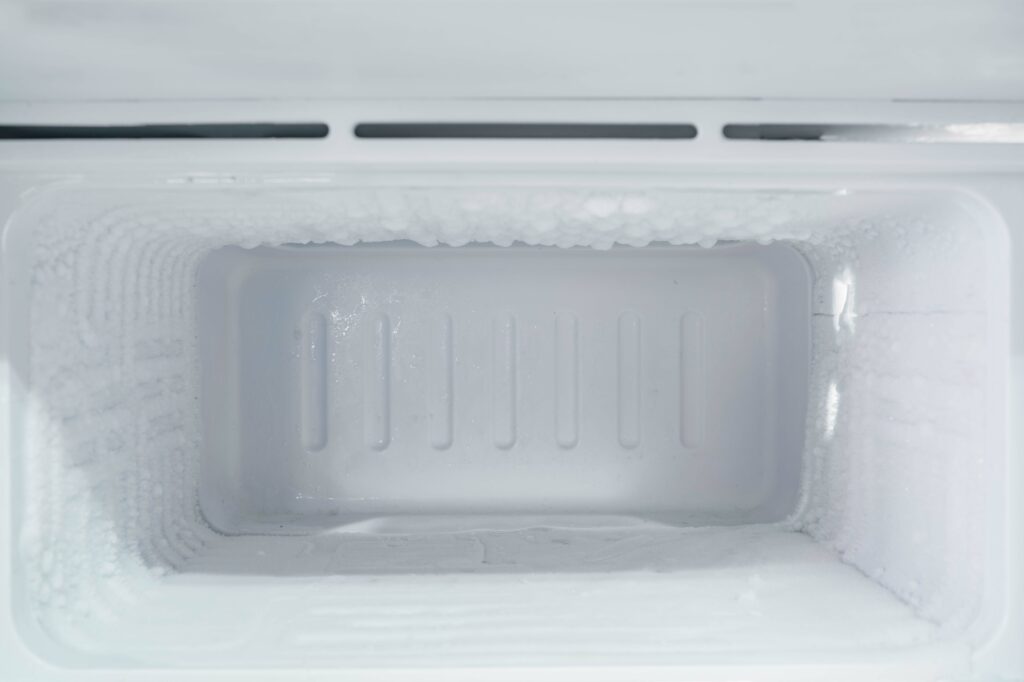
A freezer freezing up refers to the buildup of excessive frost or ice inside the freezer compartment, beyond what is normal or expected. This is different from the light frost that occasionally appears on frozen food packaging. When a freezer freezes up, ice accumulates on the walls, ceiling, shelves, and evaporator coils at an abnormal rate. The compartment starts losing usable space, airflow gets restricted, and eventually the appliance has to work harder just to maintain temperature. Left unaddressed, this kind of frost buildup can reduce the freezer’s efficiency significantly and potentially shorten its lifespan.
The Primary Culprit: Warm, Moist Air Getting Inside
Here is the core issue in most freeze-up situations. When warm air enters the freezer, the moisture in that air condenses and freezes on contact with the cold interior surfaces. The more warm air that enters, the more frost accumulates. This can happen for several reasons. A door that is not sealing properly is one of the most common causes. Freezer door gaskets, those rubber seals around the perimeter of the door, wear out over time, crack, or simply lose their grip. When that seal weakens, warm air is constantly seeping in even when the door is closed. Opening the freezer door too frequently or leaving it open longer than necessary is another contributor. Every second that door is open is an invitation for humidity to settle inside and freeze.
Defrost System Failures and Why They Matter
Most modern freezers are equipped with an automatic defrost system. This system runs a heating cycle periodically to melt any frost that has built up on the evaporator coils, and then a drain carries that water away. When this system works correctly, you never even notice it. When it fails, frost accumulates unchecked. The defrost heater, the defrost thermostat, and the defrost timer or control board are the three components most likely to fail. If any one of them stops functioning properly, the defrost cycle either does not run at all or does not run long enough to clear the frost. The result is a slow but steady accumulation of ice that eventually compromises the entire appliance.
Signs the Defrost System May Be Failing
- Visible frost or ice buildup on the back wall of the freezer compartment
- The freezer is running constantly or cycling more frequently than usual
- Food is not staying as frozen as it should despite the freezer being on
- A ticking or clicking sound coming from inside the unit
Blocked or Restricted Airflow Inside the Freezer
Airflow inside a freezer is not just about keeping things cold. It is also about maintaining an even temperature throughout the compartment. When vents inside the freezer get blocked, usually by food items placed too close to them, cold air cannot circulate properly. This causes certain areas to get colder than they should, which accelerates frost formation in those spots. Overpacking the freezer is a surprisingly common cause of freeze-up that homeowners often overlook. Proper spacing around items and keeping vents clear is a simple but effective habit that goes a long way.

Temperature Settings That Are Too Low
Setting the freezer temperature colder than necessary does not make it more effective. In fact, it can contribute to frost accumulation by creating a more extreme temperature differential between the inside of the freezer and the surrounding environment. Most manufacturers recommend a freezer temperature of zero degrees Fahrenheit, which is cold enough to keep food properly frozen without creating conditions that promote excessive frost. If the temperature is set significantly lower than that, it is worth adjusting it and monitoring whether the frost situation improves.
A Damaged or Worn Door Gasket Is a Bigger Problem Than It Looks
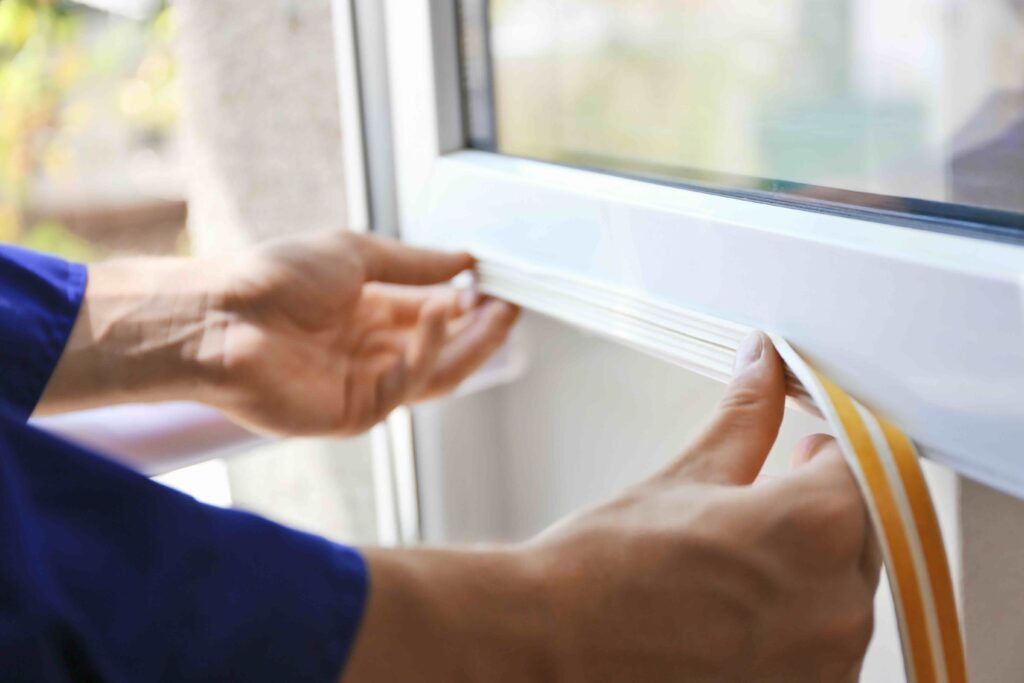
Replacing a freezer door gasket is one of those maintenance tasks that homeowners tend to put off because it does not seem urgent. But a compromised gasket is consistently one of the leading causes of freeze-up, and the repair itself is relatively straightforward. To test the seal, close the freezer door on a piece of paper and try to pull it out. If it slides out easily, the gasket is not sealing properly. Gaskets can often be purchased directly from the manufacturer and replaced without professional help, though having a technician handle it ensures the job is done correctly and the seal is fully restored.
How Humidity and Climate Play a Role
The environment where your freezer lives matters more than most people realize. Freezers located in humid climates, garages without climate control, or near heat sources like dryers or dishwashers are under more stress than freezers in cool, dry environments. High ambient humidity means that every time the door opens, a larger amount of moisture enters the compartment. Seasonal changes can also affect how often freeze-up occurs. During summer months when indoor humidity levels rise, homeowners may notice frost buildup increasing even if nothing else has changed. Monitoring the freezer’s performance across different seasons helps establish a clearer picture of what is normal for your specific situation.
Practical Steps to Prevent Freezer Freeze-Up
- Inspect and clean door gaskets every few months and replace them if they show signs of wear or cracking
- Keep the freezer no more than three-quarters full to allow air to circulate freely
- Avoid leaving the freezer door open longer than necessary during loading or unloading
- Set the freezer temperature to zero degrees Fahrenheit and avoid going lower without a specific reason
- Defrost the freezer manually if automatic defrost is not keeping up, following the manufacturer’s instructions
- Keep the freezer away from heat sources and in a location with reasonable climate control
Why a Home Warranty Makes Sense When Your Freezer Starts Acting Up
Appliance repairs have a way of arriving at the worst possible moment, and freezer issues are no exception. When the defrost system fails or a component gives out, the repair cost can range from a few hundred dollars to significantly more depending on the appliance’s age, brand, and the specific parts involved. That is where having the right coverage in your corner changes the equation. Armadillo home warranty plans designed to protect your refrigerator and freezer systems are built with homeowners in mind, covering the kinds of mechanical failures that cause headaches like freeze-up and defrost system breakdowns. Rather than scrambling for a technician and hoping the bill is manageable, Armadillo members can file a claim with confidence knowing the process is straightforward and the coverage is real. If your freezer is showing signs of trouble and you want peace of mind before the next repair bill lands, get a free home warranty quote that covers freezer and appliance repairs and see exactly what protection looks like for your home.

Frequently Asked Questions About Freezer Freeze-Up
These are the questions homeowners ask most often when dealing with excessive frost buildup in their freezer.
Why does my freezer keep icing up even after I defrost it?
If frost returns quickly after defrosting, the underlying cause has not been addressed. The most likely culprits are a faulty door gasket allowing warm air in, a malfunctioning automatic defrost system, or airflow restrictions inside the compartment.
Is it normal for a freezer to have some frost inside?
A light layer of frost on food packaging is fairly normal, especially in older models without automatic defrost. However, thick ice buildup on walls, shelves, or coils is not normal and indicates a problem that needs attention.
How often should a freezer be manually defrosted?
For freezers without an automatic defrost system, manual defrosting is recommended when frost accumulation reaches approximately one-quarter inch thick. For most households, this means defrosting once or twice per year.
Can a full freezer cause it to freeze up?
Overpacking a freezer can block internal vents and restrict airflow, which contributes to uneven temperatures and accelerated frost formation. Keeping the freezer around two-thirds to three-quarters full is generally ideal.
How do I know if my freezer door gasket needs to be replaced?
Close the freezer door on a thin piece of paper. If you can pull the paper out without resistance, the gasket is not sealing properly and should be replaced. Visible cracks, tears, or deformation in the rubber seal are also clear indicators.
What temperature should a freezer be set at to prevent freeze-up?
Zero degrees Fahrenheit is the recommended setting for most household freezers. Temperatures significantly below this increase frost formation without meaningfully improving food preservation.
Can a broken defrost timer cause a freezer to freeze up?
Yes. The defrost timer controls when the automatic defrost cycle runs. If it fails, the defrost cycle may not activate, allowing frost to accumulate on the evaporator coils until airflow is compromised and the freezer can no longer maintain proper temperature.
Does humidity in my home affect how quickly my freezer ices up?
Absolutely. Higher indoor humidity means more moisture enters the freezer each time the door is opened. This is especially relevant during summer months or in naturally humid climates, and it can accelerate frost buildup noticeably.
Is a freezer that is freezing up covered by a home warranty?
Many home warranty plans cover freezer repairs resulting from mechanical or electrical failure, including defrost system components. Coverage details vary by provider and plan, so reviewing what is included before a problem arises is always the smart move.
When should I call a professional for freezer freeze-up issues?
If defrosting the freezer manually does not resolve the issue, or if the problem recurs within a short period, it is time to call a technician. Defrost system component failures, refrigerant issues, and sealed system problems all require professional diagnosis and repair.