Why Is My Hot Water Not Coming Out? Understanding Your Home’s Water Heater System
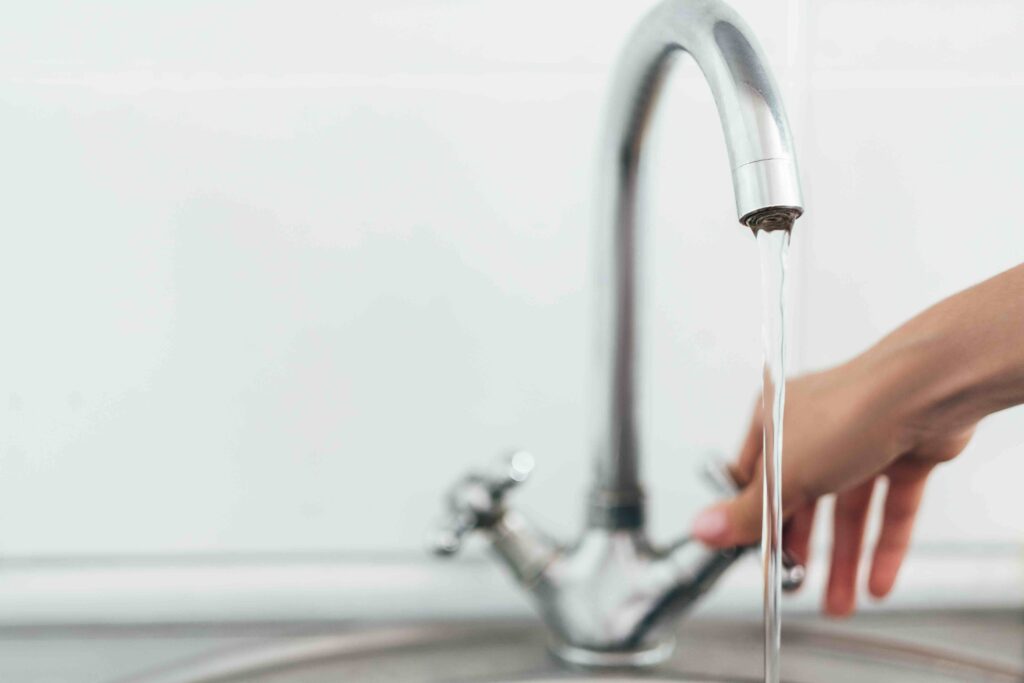
When you turn on the tap expecting a rush of warm water and get nothing but cold, it’s more than a minor inconvenience. A sudden lack of hot water disrupts your daily routine and raises immediate concerns about your home’s water heating system. Whether you’re trying to take a morning shower or run a load of laundry, understanding why your hot water isn’t coming out is the first step to resolving the issue efficiently. This guide dives deep into the hot water dilemma—what could be causing it, how the system works, and what you can do as a homeowner to prevent future disruptions.
How a Home Water Heater Works
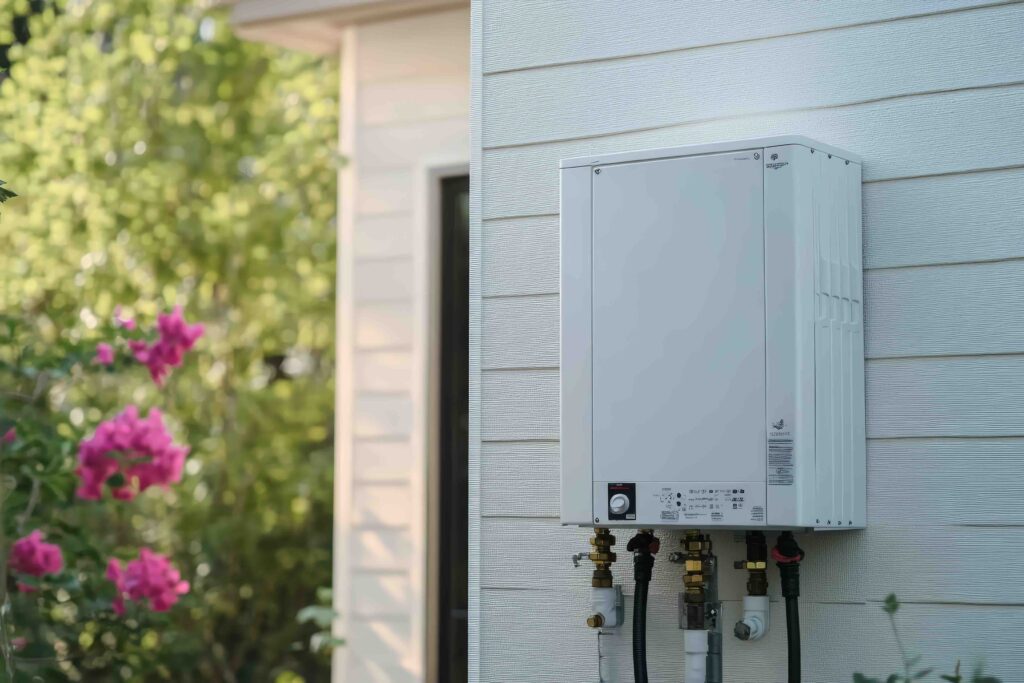
Your water heater is a behind-the-scenes appliance that makes modern comfort possible. Typically located in the basement, garage, or a utility closet, this unit heats cold water and stores it in a tank (in tank-based models) or heats it on demand (in tankless systems). Conventional tank water heaters use electric resistance elements or gas burners to heat water to a preset temperature, which is then stored until needed. Tankless water heaters operate differently—they heat water only as it flows through the unit, offering energy efficiency and continuous hot water. Water moves through pipes from the heater to your faucets and fixtures, regulated by thermostats, piping, and pressure systems.
Common Reasons Hot Water Isn’t Flowing
If the hot water stops working altogether, the culprit could lie in a few places within your home’s plumbing or heating system. Start with the basics: check if the water supply to the heater is turned on. Next, confirm that the electrical breaker (for electric heaters) or the gas supply (for gas heaters) hasn’t tripped or shut off. Sediment buildup inside the tank is another frequent offender. Over time, minerals from hard water accumulate at the bottom of the tank, leading to inefficiencies or blockages that obstruct heat transfer or flow. A malfunctioning thermostat or broken heating element can also prevent water from reaching the desired temperature. Additionally, a frozen or burst pipe in colder months could entirely block hot water delivery to certain fixtures.
Identifying Electrical Versus Plumbing Failures
Diagnosing whether your issue is electrical or plumbing-related helps narrow down the fix. If neither hot nor cold water comes from your faucet, the issue likely resides in plumbing—possibly a shut valve or a pressure problem. If cold water flows fine but there’s zero or low hot water pressure, the issue is probably within your water heater. An electric heater that’s not producing hot water might be dealing with a blown fuse or faulty thermostat. A gas heater that has stopped working might have an extinguished pilot light or a closed gas valve. In both cases, inspecting circuit breakers, relighting the pilot (if it’s safe to do so), or locating error codes on digital displays can lead you toward the solution—even before a service call.
The Anatomy of a Home Water Heater Issue
Hot water issues vary depending on the water heater type. For example, tankless water heaters require sufficient water flow to activate the burner. If a faucet or showerhead becomes too clogged with sediment, the flow rate could drop below the minimum activation threshold. Tank heaters, on the other hand, are susceptible to pressure relief valve failures, corroded anode rods, or temperature control misconfigurations. Understanding your unit’s specifications—including age and fuel source—is critical. Pressing reset buttons or adjusting thermostats often resolves minor problems. However, recurring issues could mean your unit is nearing the end of its lifespan. Most water heaters last 8 to 12 years, after which efficiency and reliability decline.
Preventative Maintenance for Water Heaters
Preventing hot water loss begins with regular maintenance. Flushing the tank once or twice a year can remove sediment buildup and extend its operational life. This process involves draining the tank completely through the valve near the bottom and refilling it with fresh water. Checking the anode rod annually helps prevent rust and corrosion inside the unit. For tankless systems, descaling the unit with a vinegar-based solution can reduce mineral buildup and improve performance. It’s also wise to inspect for leaks, test the temperature and pressure relief valve, and verify that thermostats are calibrated correctly. Keeping the area around your heater clear of clutter also promotes ventilation—especially important for gas units.
When to Call a Professional
While homeowners can address basic maintenance and routine troubleshooting, there are situations that clearly call for expert help. If the tank is leaking from the bottom, for instance, it indicates a crack or corrosion—issues that usually require a full replacement. Electrical shorts, gas leaks, or problems with venting present safety hazards and demand professional intervention. If repairs become frequent or the energy bills increase noticeably, it may be time to evaluate whether your existing system is still suitable for your home’s needs. A professional plumber or HVAC technician can assess the unit, gauge flow rates, test water temperatures, and confirm compliance with modern efficiency standards.
Choosing the Right Home Warranty Coverage
Unexpected water heater repairs can cost hundreds—or even thousands—depending on the required fix and labor. That’s where a home warranty can provide peace of mind and financial protection. A robust home warranty plan helps cover the cost of repairs or replacement of key appliances and systems, including the water heater. When the sudden loss of hot water threatens your daily routines, having a reliable and responsive warranty provider ensures you’re not left navigating repair logistics alone. Beyond financial savings, you get direct access to pre-vetted service professionals, reducing the guesswork and downtime associated with DIY fixes or out-of-pocket contracting.
Protect Your Hot Water System with Armadillo
Hot water should never be a question mark in your home. At Armadillo, we understand how essential functional, efficient home systems are to your comfort and peace of mind. Our home warranty plans offer coverage for key systems like water heaters, shielding you from surprise costs and providing access to expert repair professionals when it matters most. Whether you need protection for a traditional tank heater or a modern tankless system, Armadillo has you covered with fast, friendly service and flexible coverage options. Learn more about how Armadillo can protect your home at armadillo.one. Ready to build your plan and get started today? Head over to our plan builder at app.armadillo.one/plan-builder and ensure uninterrupted comfort for years to come.