When Your Outlet Trips Your Breaker: What Every Homeowner Should Know
You plug something in, and suddenly the lights go out — or a whole section of your home loses power. Sound familiar? If an outlet in your home keeps tripping the breaker, you are dealing with one of the most common electrical complaints homeowners face. It can feel alarming, but it is also one of those situations where understanding what is actually happening makes a big difference. This article breaks it all down: what causes outlets to trip breakers, how your electrical system is designed to protect you, and what to do when things go sideways.
How Your Home’s Electrical Circuit System Actually Works
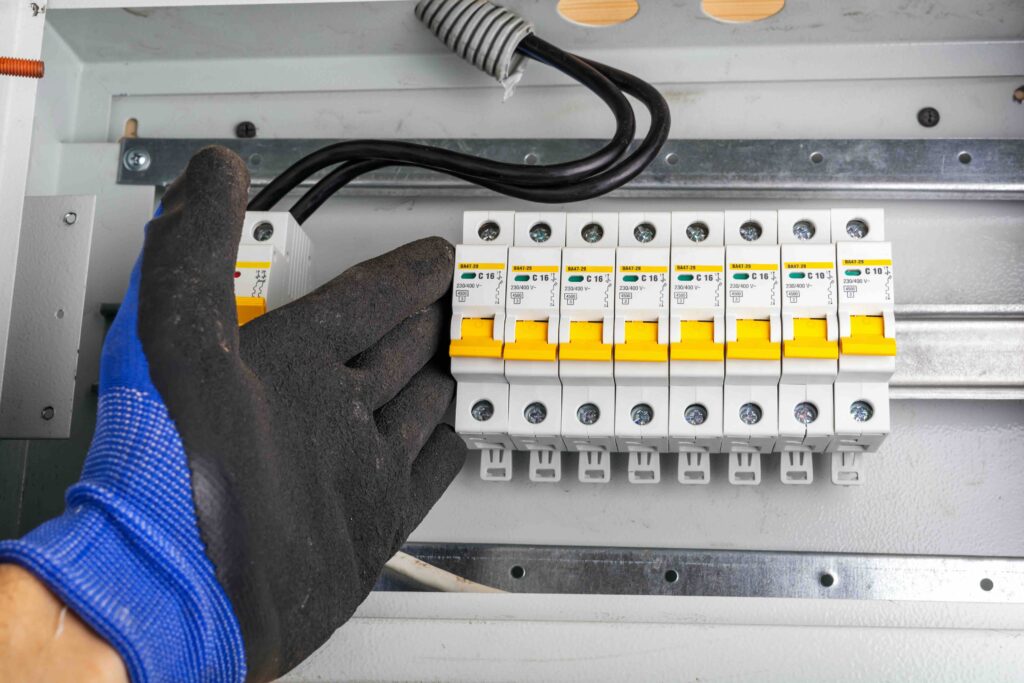
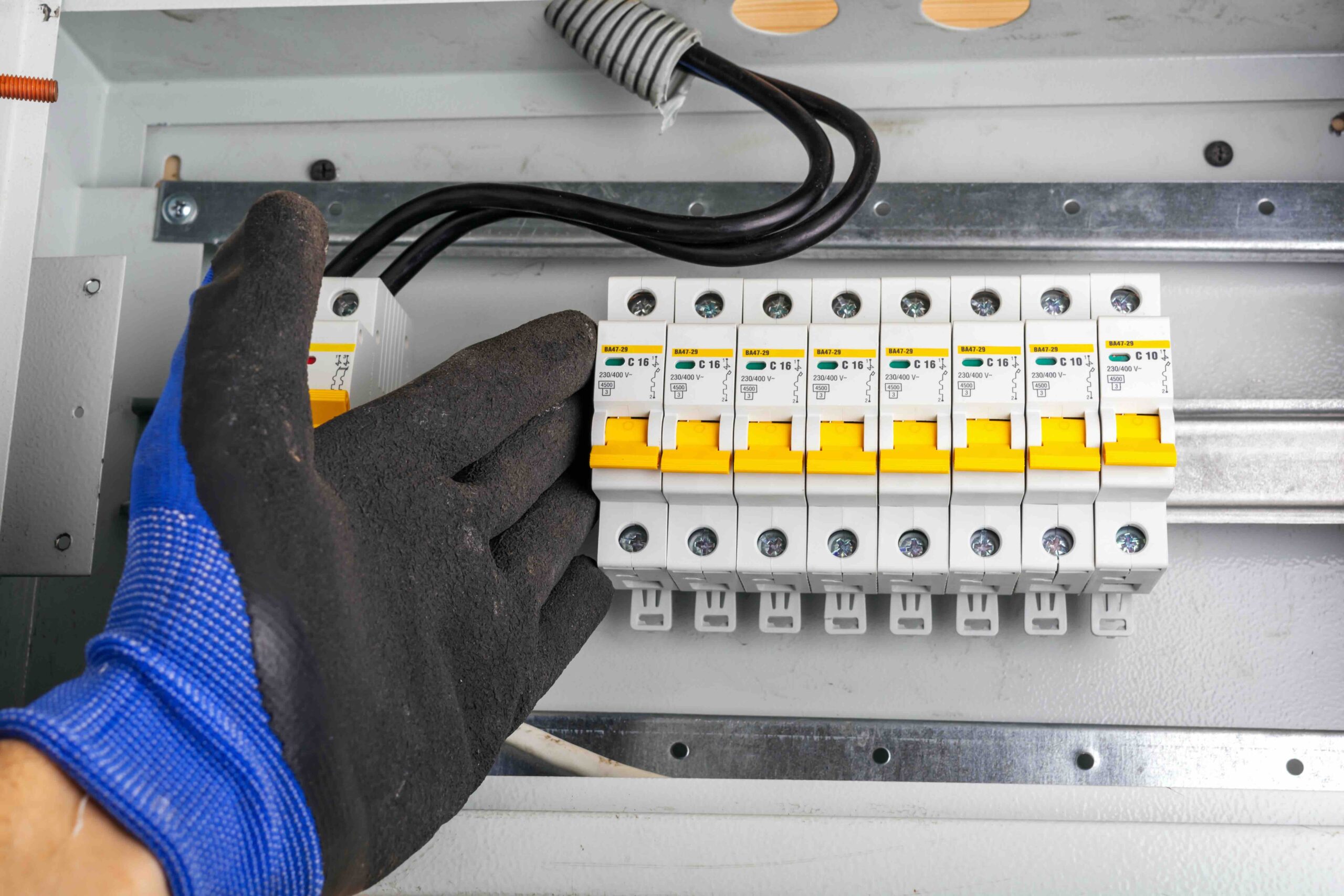
Your home’s electrical system is organized into circuits, each one controlled by a breaker in your main electrical panel. Think of it as a network of dedicated lanes, each one designed to carry a specific amount of electrical current. When too much current flows through a single circuit, the breaker trips — meaning it automatically shuts off power to prevent wires from overheating and potentially causing a fire. This is not a flaw in your system. It is exactly how it is supposed to work. Your circuit breaker is the last line of defense between a minor inconvenience and a serious safety hazard.
Why Outlets Trip Breakers in the First Place
There are a few distinct reasons an outlet might trip your breaker, and not all of them are equally serious. The most common cause is an overloaded circuit — you have simply plugged in more devices than the circuit can handle at once. Another frequent culprit is a short circuit, which happens when a hot wire comes into contact with a neutral wire inside an outlet or appliance. Ground faults are also common, especially in areas near water, where electricity finds an unintended path to the ground. Finally, a faulty outlet or a worn breaker can cause repeated tripping even when the electrical load seems perfectly normal.
Circuit Overloads: The Number One Offender
Overloaded circuits are, without question, the most frequent reason homeowners end up staring at a tripped breaker. Most standard household circuits are rated for either 15 or 20 amps. The problem is that modern homes are packed with energy-hungry appliances and devices, and it is surprisingly easy to exceed that limit — especially in kitchens, home offices, and entertainment areas. Space heaters, hair dryers, and microwaves are particularly notorious for pushing circuits to their limit. If your breaker trips consistently when using a specific combination of devices, overloading is almost certainly the issue.
Signs you may be dealing with a circuit overload include:
- Breakers that trip repeatedly when certain appliances are in use
- Outlets or switch plates that feel warm to the touch
- Flickering or dimming lights when appliances cycle on
- A burning smell near outlets or the electrical panel
Short Circuits and Ground Faults: The More Serious Scenarios
If redistributing your appliances does not solve the problem, a short circuit or ground fault may be to blame — and these warrant more immediate attention. A short circuit occurs when electrical current travels along an unintended path, usually because of damaged wiring or a faulty device. This generates a significant surge of current almost instantly, which trips the breaker fast. Ground faults are similar but involve current traveling through a grounding path, often through a person. This is exactly why GFCI outlets — those outlets with the small reset buttons you see in bathrooms and kitchens — exist. They detect ground faults and cut power within milliseconds.
GFCI and AFCI Outlets: Built-In Protection Worth Understanding
GFCI stands for Ground Fault Circuit Interrupter, and AFCI stands for Arc Fault Circuit Interrupter. Both are designed to protect you, but they do so in different ways. GFCI outlets protect against electrocution by detecting tiny imbalances in current flow — critical near water sources. AFCI breakers protect against arc faults, which are electrical discharges that can ignite insulation and cause fires within walls where you would never see it coming. Current building codes require GFCI protection in bathrooms, kitchens, garages, and outdoor areas. AFCI protection is increasingly required in bedrooms and living spaces. If your home is older, it may not have either — and that is worth addressing.

How to Reset a Tripped Breaker the Right Way
When a breaker trips, the fix seems simple enough — go to the panel, flip the breaker back on, and get back to your day. But there is a right way to do this, and skipping steps can leave you right back where you started or worse. First, unplug any devices connected to the affected circuit before resetting. Then locate the tripped breaker — it will be in the middle position, not fully on or fully off. Push it firmly toward the off position first, then flip it back to on. If it trips again immediately, stop. Do not keep resetting a breaker that will not stay on. That is a signal to call a licensed electrician rather than continue troubleshooting on your own.
When to Call a Licensed Electrician
Some electrical issues are firmly in DIY territory — like resetting a tripped breaker or swapping out a GFCI outlet that has simply reached the end of its lifespan. Others absolutely require a licensed electrician. If your breaker trips repeatedly without an obvious cause, if you notice scorch marks around outlets, if outlets feel warm, or if you smell burning near your electrical panel, stop what you are doing and call a professional. These are signs of potentially serious wiring issues that pose a genuine fire risk. Older homes with aluminum wiring or outdated panels — like Federal Pacific or Zinsco panels — should be evaluated by an electrician as a general precaution regardless of whether you are experiencing problems.
Practical Tips to Prevent Outlet and Breaker Problems
Prevention is always the better path when it comes to electrical issues. A few consistent habits can significantly reduce the likelihood of dealing with tripped breakers and outlet failures down the road.
- Avoid daisy-chaining power strips — plugging one strip into another multiplies your electrical load rapidly
- Know the amperage rating of your circuits before adding large appliances
- Test GFCI outlets monthly using the test and reset buttons
- Have your electrical panel inspected if your home is more than 25 years old
- Replace two-prong outlets with properly grounded three-prong outlets with professional help
- Never use extension cords as permanent solutions — they are meant to be temporary
Why Home Warranty Coverage Makes Sense for Electrical Systems
Electrical repairs are not cheap. A single panel replacement can run into the thousands, and even diagnosing a persistent outlet issue can cost more than most homeowners expect. That is where a solid home warranty plan can take a serious load off your shoulders — pun absolutely intended. Armadillo’s home warranty plans for electrical systems and built-in appliances are designed with real homeowners in mind — not pages of fine print designed to find reasons to deny claims. When your outlet keeps tripping the breaker and the diagnosis points to a covered component, you should not have to debate whether you can afford the repair. With Armadillo, the process is straightforward and the coverage is honest. If you are ready to stop worrying about what your next electrical bill might look like, take a moment to get a free home warranty quote that covers electrical repairs and system failures — it takes about sixty seconds and could save you a significant amount of money the next time something goes wrong.

Frequently Asked Questions About Outlets Tripping Breakers
Answers to the most common questions homeowners have when an outlet keeps tripping the circuit breaker.
Why does my outlet keep tripping the breaker?
The most common reasons are an overloaded circuit, a short circuit within an outlet or appliance, a ground fault, or a failing breaker. Identifying which cause applies to your situation determines the right next step.
Is it safe to keep resetting a tripped breaker?
Resetting a breaker once is fine, but if it trips again immediately or repeatedly under normal conditions, do not keep resetting it. Repeated tripping signals an underlying electrical issue that requires professional evaluation.
What is the difference between a GFCI outlet and a regular outlet?
A GFCI outlet has a built-in sensor that detects ground faults and cuts power within milliseconds to prevent electrocution. Standard outlets do not have this protection. GFCI outlets are required by code in areas near water.
How do I know if my breaker is faulty rather than the outlet?
If the breaker trips even with nothing plugged into the circuit, or if it trips immediately after being reset without any load, the breaker itself may be the problem. A licensed electrician can test this definitively.
Can a bad outlet cause a breaker to trip?
Yes. A damaged or deteriorated outlet can create a short circuit or ground fault that causes the breaker to trip even when the appliances connected to it are functioning normally.
What appliances are most likely to trip a breaker?
High-draw appliances like space heaters, hair dryers, microwaves, vacuum cleaners, and window air conditioning units are among the most common causes of tripped breakers due to their high amperage demand.
Should I replace a breaker that keeps tripping?
If a breaker trips consistently even after eliminating overloads and ruling out short circuits, the breaker may be worn and in need of replacement. This work should always be performed by a licensed electrician.
Do home warranties cover electrical outlet repairs?
Many home warranty plans include coverage for electrical system components, which can include wiring, outlets, and breaker panels. Coverage specifics vary by plan, so reviewing what is included before purchasing is always worthwhile.
How many outlets can be on one circuit?
As a general guideline, most residential circuits support eight to ten outlets before they approach their safe load capacity. High-demand appliances, however, often require dedicated circuits regardless of how many outlets are present.
When should I consider upgrading my electrical panel?
If your home has a panel older than 25 to 30 years, uses a brand known for safety issues like Federal Pacific or Zinsco, has frequent unexplained trips, or cannot support your current power demands, a panel upgrade is worth discussing with a licensed electrician.