Why Your Outlet Keeps Tripping the Breaker and What It Means for Your Home
There’s nothing quite as frustrating as plugging in an appliance—only to watch the lights flicker and your breaker trip. It seems like one outlet is always the culprit. If you’re wondering why this keeps happening, and more importantly, what it means for your overall electrical system, you’re not alone. As common as this issue is, it can point to larger electrical problems that should never be ignored. Whether you’re a new homeowner or navigating repairs under a home warranty, understanding what’s happening behind the walls is essential. This article demystifies the root cause of tripping breakers, clarifies the role grounded outlets play, and gives you the clarity to know when to repair, replace, or get help through your warranty provider.
What Causes an Outlet to Trip a Breaker?
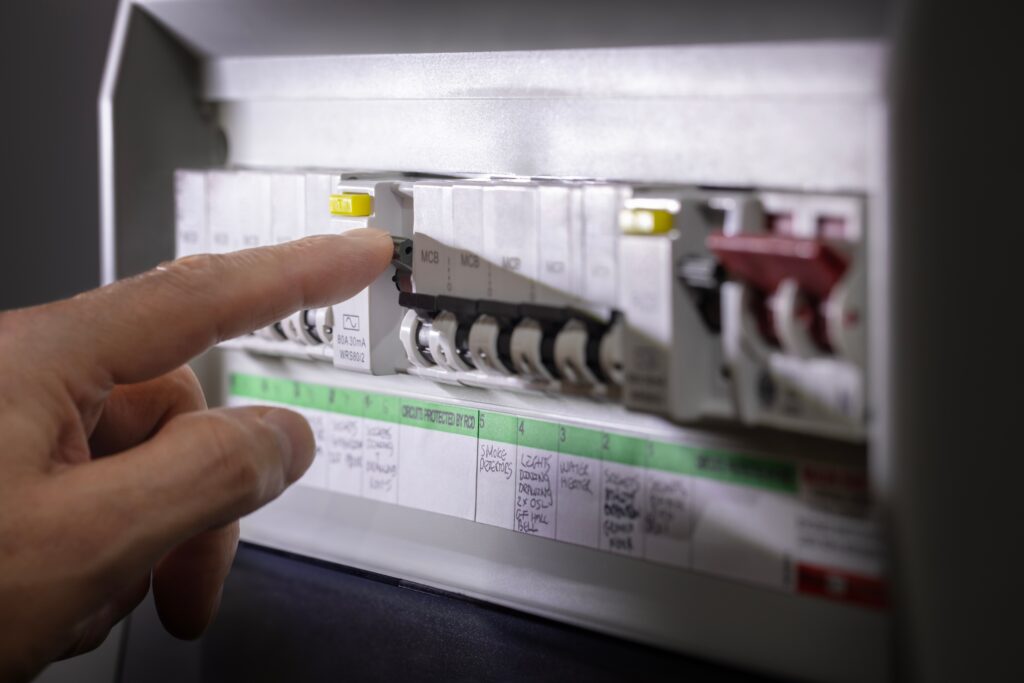
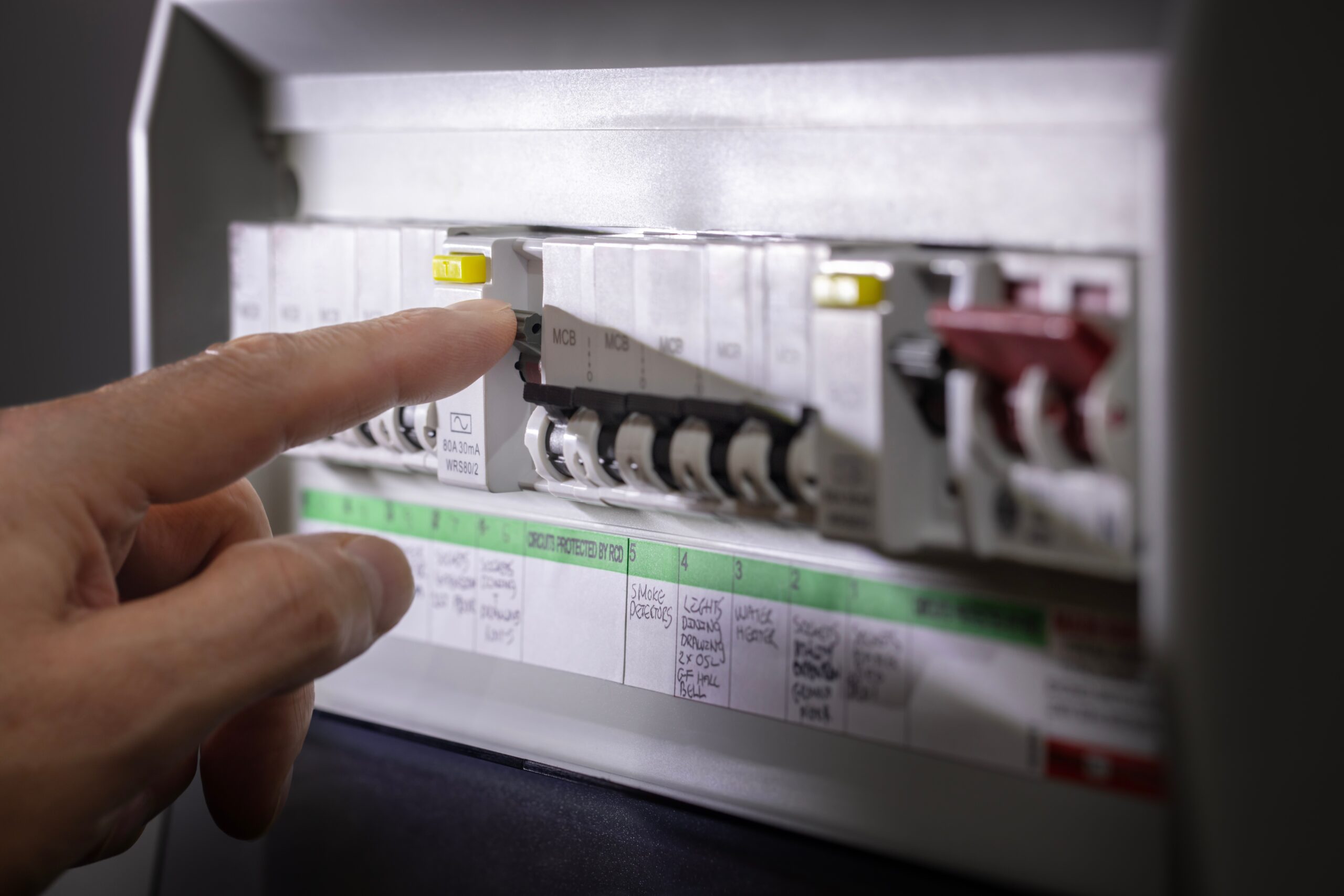
Every time you plug something into an outlet, you’re drawing electricity from your home’s electrical panel through that outlet. That electricity travels through a dedicated circuit protected by a breaker. When the demand exceeds the breaker’s capacity, or if there’s an irregularity in the current—like a fault—the breaker trips to prevent damage or fire. This kind of failure is not a defect in the breaker itself, but a safety response to limit risks. In many cases, a tripping breaker is the result of an overloaded circuit, short circuit, or ground fault. The outlet is merely the end point of a possible larger issue within the circuit.
Overloaded Circuits: The Silent Strain
Outlets are part of circuits designed to handle a maximum load, measured in amps. A typical household circuit is 15 or 20 amps. If you plug in too many power-hungry devices into the same outlet—or, more likely, across multiple outlets on the same circuit—you can easily exceed that limit. Hair dryers, space heaters, or window air conditioning units can push that amperage beyond its limit. When that happens, the breaker trips to protect the wiring, insulation, and connected appliances from overheating. If your outlet trips consistently when the same devices are in use, overloading is the likely issue, and you may need to upgrade or redistribute your electrical load with the help of a licensed electrician.
Short Circuits: The Power Problem You Can’t See
Short circuits are a more serious issue. They typically occur when a hot wire touches a neutral wire, creating a surge of current that triggers the breaker to shut off suddenly. This can be triggered by loose wiring, faulty appliance plugs, or damage to the outlet’s internal mechanics. If an outlet trips the breaker every time you use it—regardless of the load—it may be experiencing a short circuit. Left unchecked, this can create a real fire hazard. Replacing the outlet might fix the issue temporarily, but if the underlying wiring is faulty or degraded, the problem will return.
Ground Faults and the Role of Grounded Outlets
A ground fault occurs when a hot wire comes into contact with a ground wire or grounded part of the system, allowing electricity to take an unintended path. This is particularly dangerous in areas with moisture, like bathrooms and kitchens. Grounded outlets, and in particular Ground Fault Circuit Interrupter (GFCI) outlets, are designed to prevent ground faults from causing injury or damage. These outlets constantly monitor current flow and will shut down almost instantly if even a small anomaly is detected. If a grounded outlet constantly trips, it could be doing exactly what it’s meant to—protecting you from a ground fault. However, frequent trips may indicate persistent grounding issues in the circuit or water exposure through improper insulation.
How Grounding Protects Your Home’s Electrical Integrity
Grounding is a built-in layer of protection within your home’s electrical system. It directs excess electricity into the earth rather than allowing it to cause harm to people or property. All modern outlets should be grounded, and in regions where older homes still have two-prong outlets, updating to grounded three-prong versions is more than cosmetic—it’s protective. Grounding not only reduces the risk of electrocution but works hand-in-hand with breakers to keep circuits stable. If your outlet continues to trip even after it’s replaced, and grounding has been confirmed, the issue may originate elsewhere in the wired network—possibly due to appliance faults or hidden wiring complications behind the walls that aren’t immediately visible.
The Home Warranty Perspective: What’s Covered and What’s Not
In the home warranty industry, outlet issues that result in breaker trips can fall into a gray area, depending on the nature of the failure. If the issue stems from a mechanical defect in the outlet, wiring, or panel components that are covered under your plan, you may be eligible for service. However, if the problem is due to overloading a circuit beyond capacity, or damage caused by external factors like flooding or remodeling, coverage may not apply. That’s why it’s critical to submit service requests with detailed information. Understanding which components are covered under your specific warranty plan can prepare you for conversations with service providers—saving time, money, and repeat problems. If electrical diagnostics are included in your home warranty, addressing persistent tripping outlets should be a prioritized request.
Protecting Your Home from Recurring Electrical Issues with Armadillo
Electrical problems often start small—a tripped breaker here or a warm outlet there—and escalate into costly damage if ignored. At Armadillo, we understand how important it is to protect your home’s foundational systems, especially when things go wrong behind the scenes. Our home warranty plans are designed with real homeowners in mind, offering clear coverage, fast service, and intelligent tools tailored to your lifestyle. With a plan from Armadillo, diagnosing and repairing frequent electrical issues becomes manageable without surprise costs. If your home is struggling with recurring outlet or breaker problems, let us help keep your systems—and your peace of mind—secure. Learn more about how a home warranty from Armadillo can keep your home’s wiring safe and functional by visiting our homepage. Or, begin customizing your plan today by visiting our Plan Builder.