Why Your Oven Won’t Heat Up: Causes, Fixes, and How a Home Warranty Can Help
When your oven suddenly stops heating, it feels like the entire kitchen comes to a standstill. Whether you’re preparing a family dinner or simply reheating leftovers, the oven plays a central role in daily home life. So when it fails, the impact is immediate and frustrating. This article breaks down what happens when your oven won’t heat, explores the most common reasons behind this issue, and offers actionable advice to address it. We’ll also explain how a modern home warranty, like one from Armadillo, can be an efficient safety net when major appliances break down unexpectedly.
Understanding How Residential Ovens Work
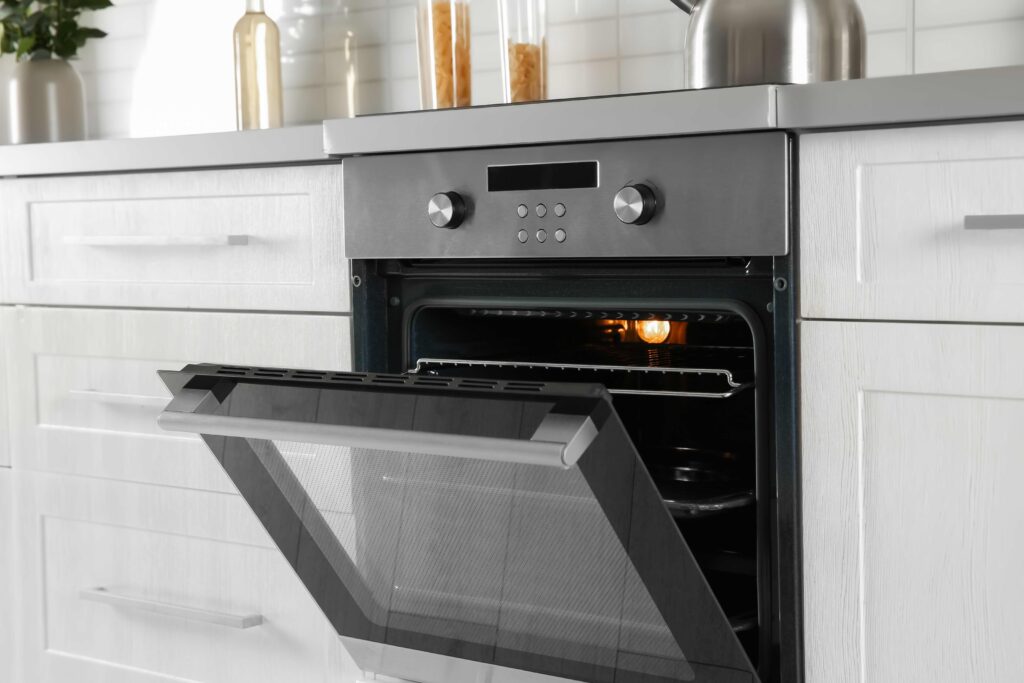
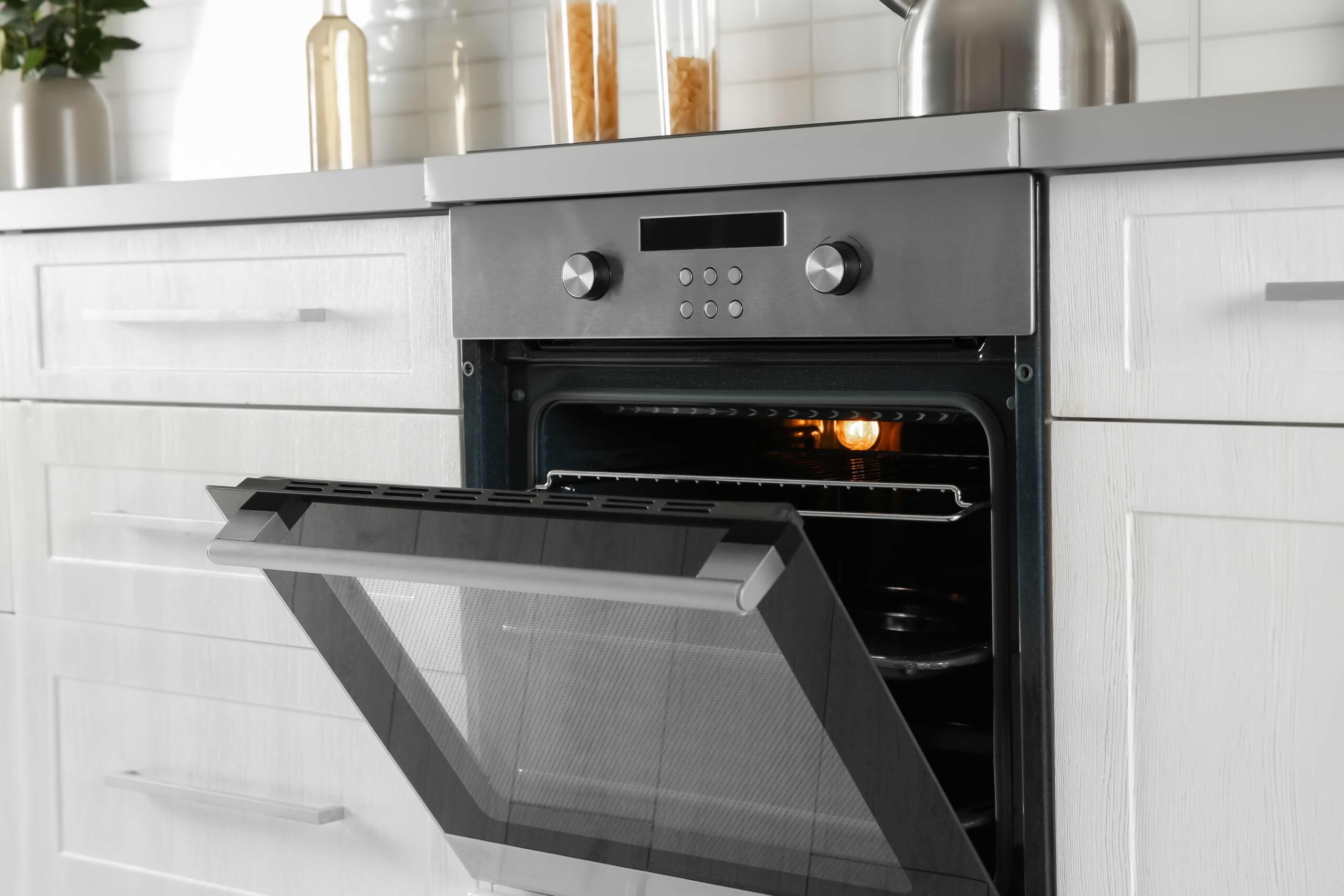
Ovens, whether gas or electric, operate on straightforward principles, though the components inside are more intricate than one might assume. Electric ovens rely on heating elements—usually two: one for baking at the bottom and another for broiling at the top. When you adjust the temperature, electrical resistance heats these elements, creating the radiant heat necessary for cooking. Gas ovens, on the other hand, use a combination of gas flow, ignition, and thermostatic control to generate heat inside the cooking chamber. Both designs use a thermostat to regulate the set temperature, keeping your cooking precise and consistent.
Common Reasons Your Oven Won’t Heat
Several factors can cause an oven to stop heating properly. For electric ovens, a failed heating element is often to blame. Over time, these elements can burn out or weaken, resulting in little to no heat production. Thermal fuses, safety components designed to prevent overheating, can also fail and cause the oven to shut off. In gas ovens, the ignition system may falter—a worn spark electrode, malfunctioning igniter, or clogged gas line can interrupt the combustion process. Additionally, the control board or thermostat may become faulty, misreading inputs and failing to power the heat source appropriately.
How to Troubleshoot the Problem at Home
Before automatically assuming your oven needs professional service, a few basic troubleshooting steps can be taken. Verify that the oven is receiving power; for electric ovens, check the circuit breaker to ensure it hasn’t tripped. Sometimes, simply resetting the breaker can restore function. For gas ovens, be sure the gas supply is active. Try turning on another gas appliance, such as a cooktop, to double-check availability. Visually inspect the heating elements or burner for damage or discoloration. If no visible signs stand out and the unit still refuses to heat, further diagnostics will likely require tools and skills beyond general DIY capabilities, indicating you should call a certified technician.
When Replacement Parts are Needed
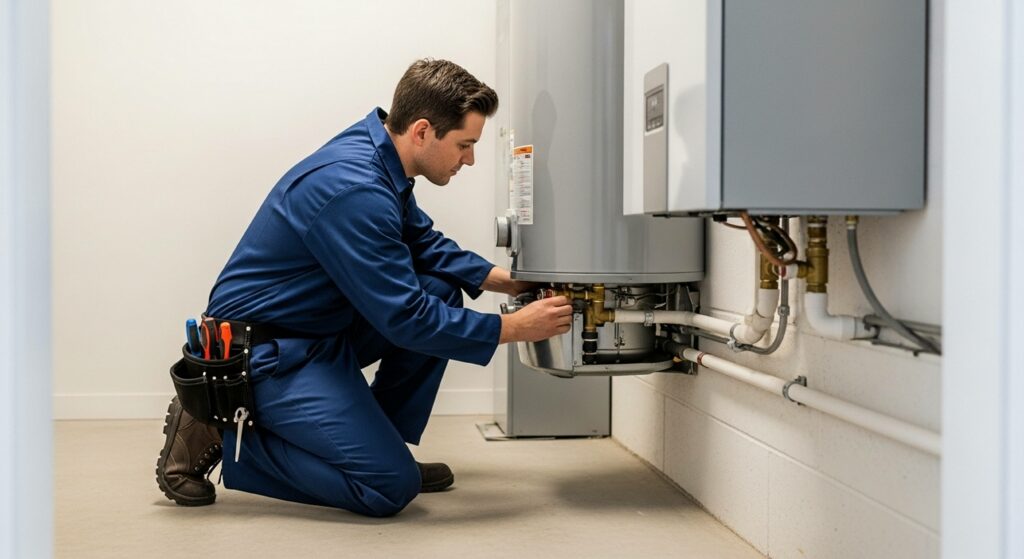
Once diagnosis confirms that a component has failed—such as the bake element, broil element, ignition system, or internal sensor—the next step is replacement. Identifying the correct part is crucial; ovens vary dramatically by brand and model. Mismatched parts often lead to ineffective repairs or additional damage. While some homeowners are comfortable tackling element replacements, most problems involving control boards, igniters, or thermostats should be handled by professionals. These components must be calibrated correctly, and improper installation often causes recurrence of the same issue. Trusting a qualified technician to perform these repairs significantly increases the likelihood of a lasting solution.
Oven Repair Costs and Budget Considerations
Repair costs for an oven that won’t heat can vary widely depending on the issue. Replacing a lower heating element might cost between $100 and $250 when factoring in parts and labor. However, if a control board or sensor is the culprit, expenses can rise to $400 or more. Gas ovens tend to carry slightly higher repair costs due to the complexity of ignition systems and safety mechanisms. Homeowners often weigh the value of repair versus replacement, especially if the oven is nearing the end of its expected life span—typically 10 to 15 years. This is where a home warranty proves exceptionally valuable, reducing out-of-pocket expenses and streamlining the repair process.
The Role of a Home Warranty in Oven Repairs
Not all repairs need to result in financial stress. A home warranty from a reputable provider like Armadillo can offset the cost of parts and labor when appliances like ovens fail from normal wear and tear. Rather than scrambling to find a provider or comparing quotes, homeowners with a protection plan can file a claim and let Armadillo manage the process. The service includes connecting you with licensed and trusted repair professionals and covering the expense to repair or replace covered components. This not only eliminates uncertainty but ensures that your appliances get the right care without draining your time and resources.
Why Armadillo is the Smart Move for Your Home
When your oven stops heating—and there’s a dinner waiting to be cooked—speed, reliability, and affordability matter. With Armadillo, you’re not just investing in a repair solution; you’re securing long-term peace of mind. Our digital-first approach simplifies every step of your home warranty experience. From filing a claim to scheduling service, the process is streamlined and transparent. Whether it’s your oven, dishwasher, or washing machine, we’re built for modern homeownership. Explore what we offer at armadillo.one, or start protecting your home in under five minutes by designing your custom plan here. Avoid unexpected appliance breakdowns turning into big-budget headaches—partner with Armadillo and keep your home running exactly how it should.