What Is a Window AC Cover and Why Does It Matter for Your Home?
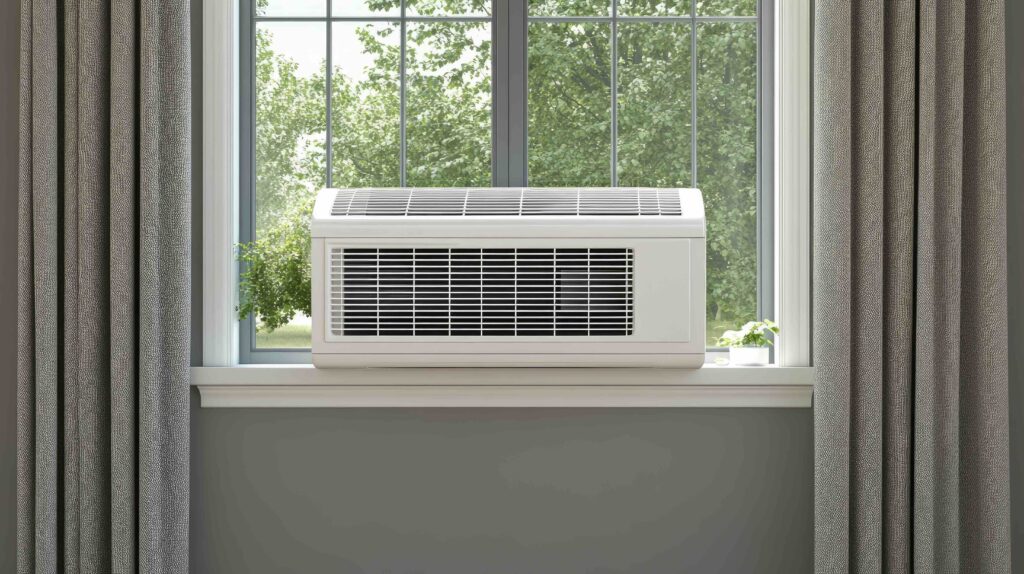
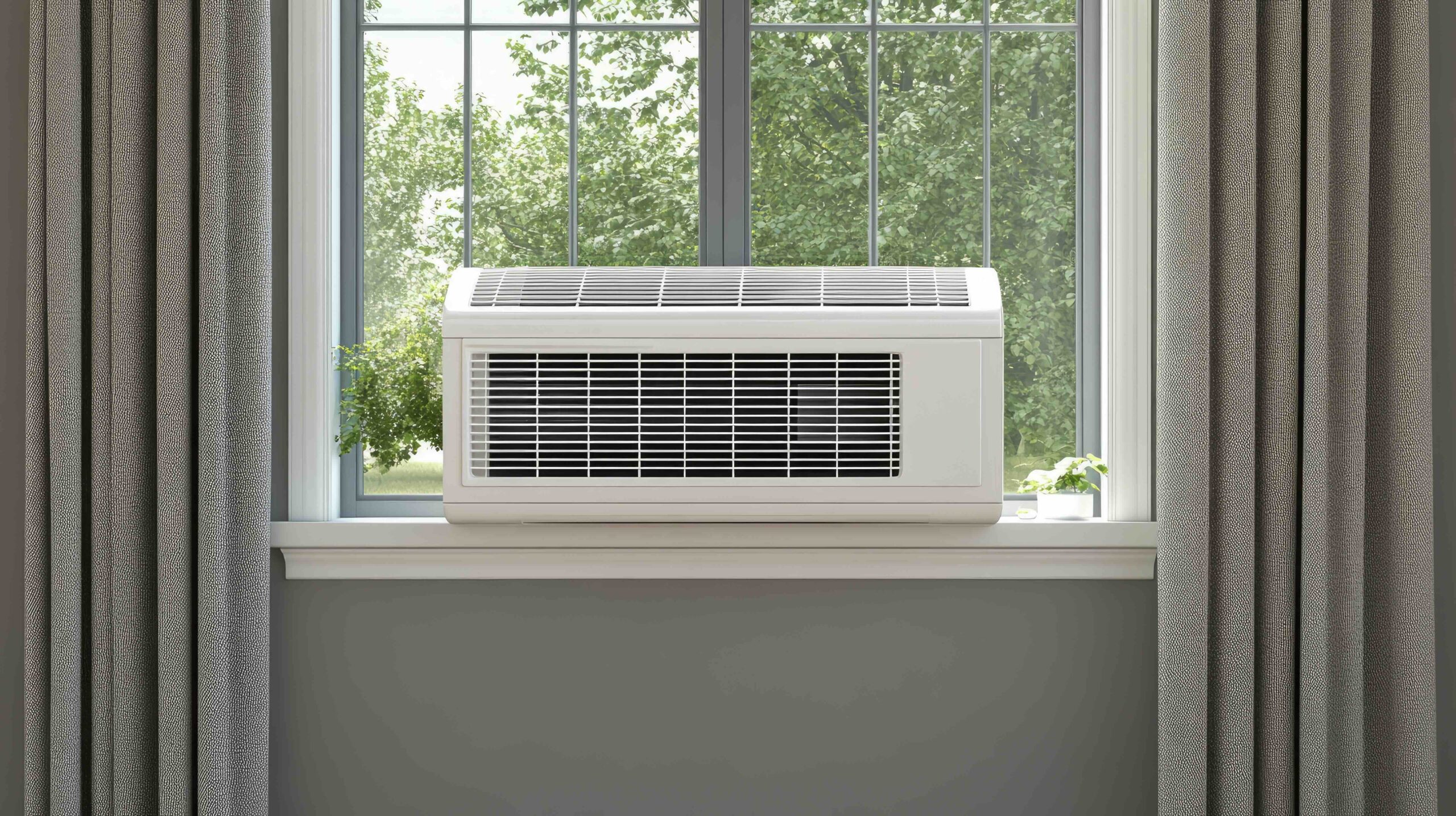
If you have a window air conditioner, you already know the drill. Summer comes, the unit works overtime, and then fall arrives and suddenly you are staring at this large appliance sitting in your window, doing nothing except letting cold air seep into your living room. That is where a window AC cover comes in. It is a simple product, often overlooked, but genuinely useful for homeowners who want to protect their equipment and manage energy costs at the same time. Think of it as a seasonal jacket for one of your home’s hardest-working appliances.
How a Window AC Cover Actually Works
A window AC cover is essentially an insulating shield designed to wrap around or fit over your air conditioning unit when it is not in use, typically during the fall and winter months. These covers come in two main varieties: exterior covers that protect the outdoor-facing portion of the unit from weather, debris, and moisture, and interior covers that seal off the indoor side to prevent drafts and heat loss. Some homeowners use both, which gives the unit full protection from all angles. The materials vary, but most quality covers use heavy-duty vinyl, polyester, or quilted fabric designed to resist moisture, UV exposure, and physical wear. The fit matters a lot here, as a loose cover can actually trap moisture rather than repel it.
Key Benefits of Using a Window AC Cover
There are more good reasons to use one of these than most people realize, and the benefits go beyond just keeping the unit clean.
- Energy efficiency: An uncovered window AC unit is essentially a gap in your home’s thermal envelope. Cold outdoor air can push through the unit’s vents and into your living space, forcing your heating system to work harder. An interior cover dramatically reduces this air infiltration.
- Extended appliance lifespan: Moisture, ice, and debris are the enemies of any mechanical system. Covering the exterior of your unit keeps it cleaner and drier during the off-season, which can delay wear on internal components like the compressor and fan motor.
- Pest prevention: This one surprises people. An uncovered window unit is an open invitation for insects, birds, and occasionally small rodents looking for a warm entry point into your home. A snug-fitting cover closes that gap.
- Reduced corrosion: Salt air in coastal regions and general moisture exposure in rainy climates accelerate rust and corrosion on metal components. A cover adds a meaningful layer of protection.

Common Drawbacks Worth Knowing Before You Buy
No product is without its trade-offs, and window AC covers are no exception. The most common issue homeowners encounter is moisture trapping. If you install a cover before the unit is fully dry, or if the cover material does not breathe adequately, condensation can build up inside and create conditions for mold or rust. This is the opposite of what you want. Additionally, some covers do not fit universally well, especially for units with unusual dimensions or protruding controls. A cover that flaps around in the wind can also cause cosmetic damage to the unit’s casing over time. And while interior covers help with drafts, they do not fully eliminate the heat loss that comes from having a large appliance mounted in a window opening. For maximum efficiency, some HVAC professionals recommend removing the unit entirely during winter and storing it indoors.
Interior vs. Exterior Covers: Which One Do You Need?
This is genuinely a question worth sitting with for a moment. If you live somewhere with mild winters and your primary concern is keeping dust and critters out, an exterior cover might be all you need. But if you are in a region where temperatures drop significantly and heating bills are already painful, an interior cover is the more impactful purchase. It creates an insulating barrier between the cold metal of the unit and your conditioned indoor air. Many homeowners in northern states opt for both, using the exterior cover to protect the appliance and the interior cover to maintain indoor comfort. The cost for either type is generally modest, ranging from about fifteen to fifty dollars for standard units, which makes using both a reasonable investment when you factor in the energy savings over a season.
How to Properly Install a Window AC Cover
Getting the cover on correctly is just as important as choosing the right one. Before installing an exterior cover, make sure the unit is clean and completely dry. Run a dry cloth over the exterior, clear out any debris from the vents, and let it air out if there has been recent rain. For exterior covers, most use elastic edges or drawstring closures to secure snugly against the unit. Avoid over-tightening, as this can warp the cover material. For interior covers, measure the full dimension of the indoor face of the unit, including any side panels, before purchasing. Most interior covers use magnetic strips or hook-and-loop fasteners to attach to the wall or window frame around the unit. Check the fit periodically through the winter months to make sure it has not shifted or loosened.
Practical Tips for Maintaining Your Window AC Unit Year-Round
A cover is just one piece of a broader maintenance picture. Keeping your window AC in good working order means being consistent about seasonal care. Before putting the cover on each fall, clean or replace the air filter, inspect the drainage system for blockages, and check the unit’s seals around the window frame. Come spring, before you fire the unit back up, remove the cover, inspect the exterior for any damage that occurred over winter, clean the condenser coils if accessible, and reinstall or replace the filter. Running the unit for a short test period before peak summer heat arrives is always a smart move. This gives you time to address any issues before you are relying on it during a heat wave.
When a Window AC Cover Is Not Enough
Sometimes the cover does its job perfectly but the unit underneath is aging out regardless. Window AC units typically last between eight and twelve years with decent maintenance. If yours is approaching or past that range, no amount of seasonal covering is going to prevent the eventual breakdown. Compressor failure, refrigerant leaks, and electrical faults become more likely as units age, and these are not inexpensive repairs. At some point the conversation shifts from protection to replacement planning. Knowing that boundary helps you make smarter decisions about where to invest your home maintenance dollars.
How Home Warranty Coverage Fits Into the Window AC Picture
This is where things get genuinely useful for homeowners who want peace of mind beyond a fifteen-dollar cover. If your window AC unit breaks down mid-summer due to a mechanical or electrical failure, a home warranty plan can step in to cover the repair or replacement cost, depending on your coverage terms. Armadillo home warranty plans for window air conditioner systems are designed to take the financial sting out of unexpected appliance failures, which is exactly the kind of coverage that makes sense when you are depending on cooling equipment during peak heat months. Rather than scrambling to find a technician and absorbing the full repair cost out of pocket, a solid warranty plan manages that process for you. If you want to see what protection looks like for your specific home setup, you can get a personalized home warranty quote that covers cooling appliances like window AC units and find out exactly what is included before you ever need to make a claim. A window AC cover protects your equipment from the elements. A home warranty protects your budget from the unexpected. Both are worth having.

Frequently Asked Questions About Window AC Covers
Answers to the questions homeowners ask most often about window air conditioner covers, maintenance, and related home protection topics.
Do I need a window AC cover if I remove the unit for winter?
If you remove the unit and store it indoors, you do not need an exterior cover for weather protection during storage. However, using a lightweight dust cover while it is stored in a garage or basement helps keep debris and pests out of the unit’s vents and components.
Can leaving my window AC uncovered cause damage?
Yes. Prolonged exposure to rain, ice, UV rays, and debris during the off-season can accelerate corrosion, damage the exterior casing, and introduce moisture into internal components. Over time this shortens the unit’s usable lifespan.
Is an interior or exterior window AC cover more effective?
They serve different purposes. An exterior cover protects the appliance from weather damage. An interior cover reduces heat loss and drafts inside your home. For maximum benefit in cold climates, using both together is the most effective approach.
How do I measure my window AC unit for a cover?
Measure the width, height, and depth of the outdoor-facing portion of your unit. For interior covers, measure the full visible face of the unit from the inside, including any decorative panels. Always compare these measurements against the product’s listed dimensions before purchasing.
Can a window AC cover trap moisture and cause mold?
It can, if the cover does not breathe well or if the unit is wet when covered. To avoid this, always allow the unit to fully dry before installing the cover, and choose a cover made from breathable material or one with ventilation built into the design.
What is the best time of year to put on a window AC cover?
After you have run the unit for the last time in the season and it has had time to dry completely, typically in early to mid-fall. Do not wait until temperatures drop below freezing, as moisture can become trapped inside and freeze within the unit.
Does a window AC cover help lower heating bills?
An interior window AC cover can meaningfully reduce drafts and heat loss through the unit, which lessens the load on your heating system. The exact savings depend on your climate, your home’s overall insulation, and how well the cover fits.
Are window AC units covered under a home warranty?
Coverage depends on the specific home warranty plan. Many plans include window air conditioning units as part of appliance or cooling system coverage. It is important to review your plan’s terms and confirm the unit is listed as a covered item before assuming it is included.
How long do window AC covers typically last?
A quality cover can last anywhere from three to seven years depending on climate, UV exposure, and material. Vinyl and polyester covers tend to hold up well in most conditions, but inspect yours each season for cracks, fading, or compromised fasteners.
Should I cover my window AC unit if it is installed year-round?
If removing the unit seasonally is not practical, an exterior cover during winter months is strongly recommended. Look for covers specifically designed for permanent window installations, which typically offer more durable construction and a more secure fit than standard seasonal options.