Window AC Units in Winter: What Every Homeowner Should Know
You installed your window air conditioner sometime around June, survived the heat, and now it is sitting there in the window like an awkward houseguest who does not know the party is over. Winter is here, temperatures are dropping, and that unit is just… still there. So what do you actually do with it? Leave it? Remove it? Cover it? There is more to this decision than most homeowners realize, and making the wrong call can cost you money on energy bills, lead to damage, or even void coverage on a unit you were counting on. Here is everything you need to know about window AC units in winter, broken down simply and without the guesswork.
What Is a Window AC Unit and How Does It Actually Work
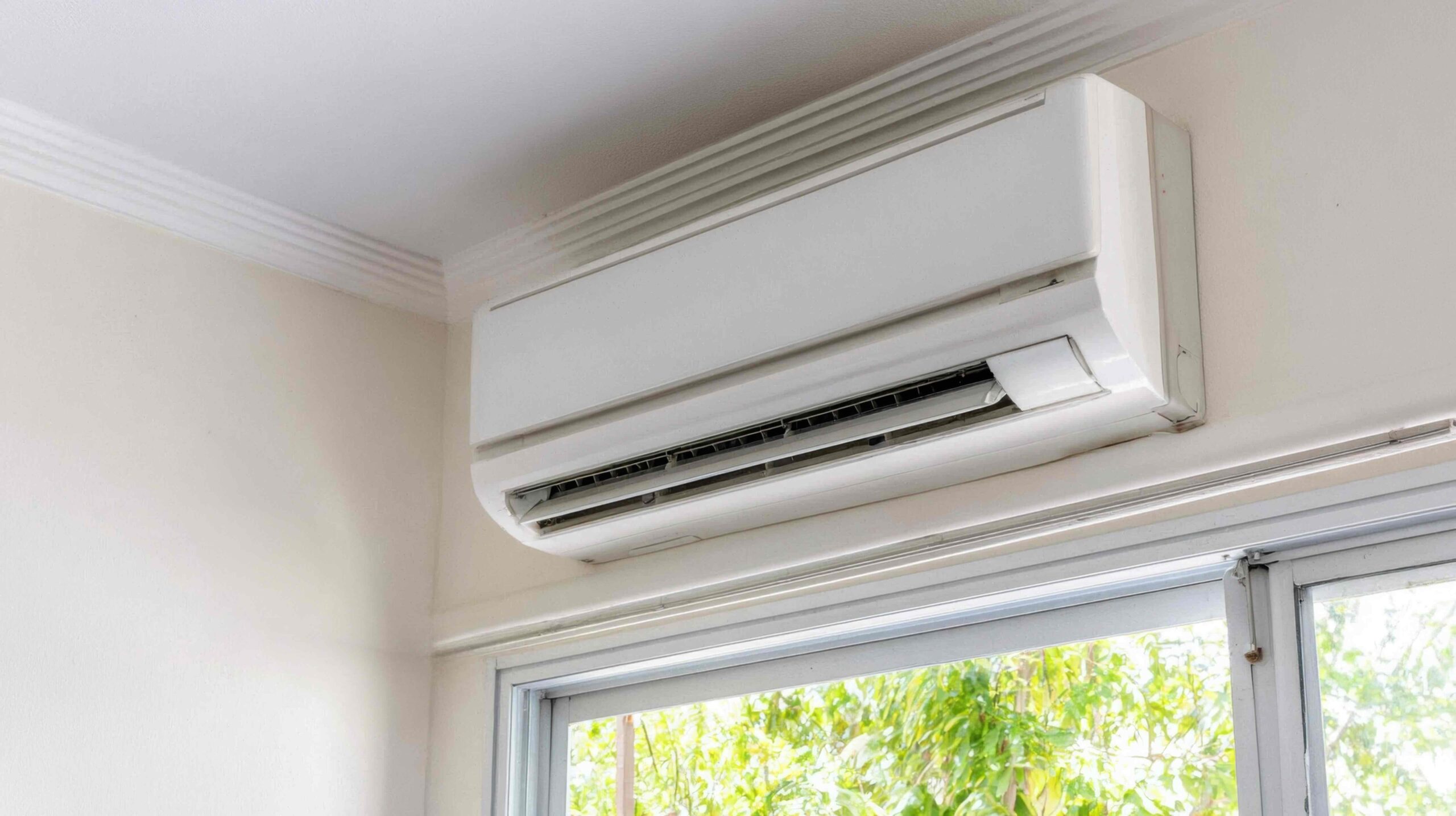
A window air conditioner is a self-contained cooling appliance designed to fit inside a standard window frame. Unlike central air systems that distribute cool air through ductwork, a window unit handles everything in one compact box. It pulls warm air from inside your room, passes it over refrigerant-cooled coils, and releases the heat outside while circulating cooled air back into your space. The unit typically sits straddled across the window sill, with the front facing inside and the rear exhaust hanging outside. It is a surprisingly efficient little machine when used correctly, and one of the most common cooling solutions in apartments, older homes, and supplemental cooling situations across the country.
Why Winter Conditions Are a Real Concern for Window Units
Most homeowners do not think twice about leaving a window AC unit installed through winter. It seems harmless enough. But cold weather creates a few legitimate problems that are worth taking seriously. First, the gap around the unit, even with foam insulation strips, is rarely airtight. Cold drafts seep through those edges continuously, which quietly drives up your heating costs month after month. Second, moisture and condensation can work their way into the unit during freeze and thaw cycles, leading to internal corrosion or damage to components like the compressor and fan motor. Third, if your unit is not properly secured, winter winds and storms can put real physical stress on it, especially in regions that see ice accumulation or heavy precipitation.
Should You Remove the Window AC Unit for Winter
The short answer is yes, and in most cases, removal is the recommended approach. Taking the unit out of the window allows you to properly seal the window for winter, eliminates any draft pathway, and protects the appliance itself from weather-related wear. Storage indoors, in a garage or basement, keeps the unit dry and away from extreme temperature swings that can degrade rubber seals and electrical components over time. If you are physically unable to remove the unit or live in a mild winter climate, removal becomes less urgent, but it remains the best practice. Leaving a unit in year after year without inspection is one of the quieter ways homeowners unknowingly shorten the lifespan of an appliance they depend on.

How to Properly Store a Window AC Unit During the Off Season
Storing your window AC unit correctly makes a real difference in how well it performs when summer rolls back around. Start by cleaning the unit before putting it away. Remove the filter, wash it with warm soapy water, and let it dry completely. Wipe down the exterior and check the coils for any visible debris or buildup. Once clean and dry, store the unit upright, never on its side or upside down, because the compressor contains oil that can shift out of position and cause serious damage on startup if the unit was stored incorrectly. Cover it with a breathable cover or place it in its original box if you still have it, and keep it in a dry location that does not experience extreme temperature swings.
What If You Cannot Remove the Unit This Winter
Life happens and not every homeowner has the ability to remove a heavy window AC unit on their own. If removal is not an option, there are ways to minimize the downsides. Exterior AC covers designed specifically for window units can help block wind and moisture from the outside. On the interior side, insulating foam strips and draft stoppers placed around the unit reduce cold air infiltration significantly. Some homeowners use plastic window insulation kits over the entire window frame as an additional barrier. These are not perfect solutions, but they are meaningfully better than leaving the unit completely exposed and unprotected through a full winter season.
Key Advantages of Window AC Units Worth Knowing
Before writing off the window AC unit as a nuisance, it is worth acknowledging why so many homeowners rely on them in the first place. They offer a targeted, cost-effective way to cool specific rooms without the expense of central air installation. Setup is relatively simple, most units do not require professional installation, and they are widely available at most hardware and appliance retailers. For renters, older homes without duct systems, or supplemental cooling in spaces a central system does not reach well, the window unit remains a genuinely practical solution. The key is maintaining it properly so it continues to deliver reliable performance year after year.
Common Drawbacks Homeowners Should Be Aware Of
Window AC units come with a few consistent pain points that are worth planning around. Here is a quick look at the most common ones:
- Draft and insulation issues during winter months if the unit is left installed
- Limited cooling range, typically suited for single rooms rather than whole-home coverage
- Noise levels that some homeowners find disruptive during sleep or work
- Aesthetic impact on windows and curb appeal when installed
- Vulnerability to weather damage, especially if not properly secured or covered
- Potential for moisture intrusion and mold growth around poorly sealed installations
Understanding these limitations up front helps homeowners make smarter decisions about installation, maintenance, and when to consider alternatives or upgrades.
How Home Warranties Relate to Window AC Units
This is where things get interesting for homeowners who carry or are considering a home warranty. Home warranty coverage for window AC units varies significantly between providers, and many homeowners are surprised to discover their unit may not be covered at all. Most standard home warranty plans focus on built-in systems and central air conditioning rather than portable or window-mounted appliances. That said, some comprehensive plans do include window units under appliance coverage, especially if they are permanently installed and used as a primary cooling source. The critical thing to understand is that coverage is conditional. Neglect, improper installation, and lack of routine maintenance are common exclusions that providers use to deny claims. Keeping records of maintenance and storing your unit properly during winter is not just good practice, it is also smart documentation in case you ever need to file a claim.
Why Armadillo Is the Right Home Warranty Partner for Homeowners Who Take Their Appliances Seriously
If you are the type of homeowner who reads articles like this one, you already care about protecting your home and the systems and appliances inside it. That is exactly the kind of homeowner that Armadillo home warranty plans for appliances and home systems was built for. Armadillo offers straightforward, transparent coverage without the fine print runaround that makes other home warranty experiences frustrating. Whether it is your HVAC system, kitchen appliances, or the cooling units your household depends on through the summer heat, Armadillo is designed to cover what matters without overcomplicating the process. If you want to see exactly what kind of protection fits your home and your budget, you can get a free home warranty quote for your cooling system and appliances in just a few minutes. No pressure, no obligation, just clarity on what is covered and what it costs.

Frequently Asked Questions About Window AC Units in Winter
Homeowners ask a lot of smart questions about managing window AC units through the colder months. Here are the most common ones, answered directly.
Is it safe to leave a window AC unit in during winter?
It is not dangerous in most cases, but it is not ideal. Leaving the unit installed through winter can allow cold drafts into your home, increase heating costs, and expose the unit to moisture and weather damage that shortens its lifespan.
Can cold temperatures damage a window AC unit?
Yes. Freeze and thaw cycles can cause moisture to enter internal components, leading to corrosion. Extreme cold can also affect rubber seals and refrigerant lines, particularly in older units.
How should a window AC unit be stored in winter?
Store it upright in a dry, temperature-stable location such as a basement or garage. Clean the filter, dry all components thoroughly, and cover the unit to protect it from dust and moisture before putting it away.
What happens if I store my window AC unit on its side?
Storing a window unit on its side can cause compressor oil to shift out of its proper position. Running the unit after improper storage can cause compressor damage, which is one of the more costly repairs on any AC system.
Do window AC units need to be covered if left in the window over winter?
Yes. If removal is not an option, an exterior cover rated for window AC units helps block wind, precipitation, and debris. Interior insulation around the unit also helps reduce drafting and heat loss.
Does a home warranty cover window AC units?
It depends on the provider and the specific plan. Some home warranty plans include window AC units under appliance coverage, while others limit coverage to central air conditioning systems. Always review your plan documents carefully and ask about exclusions.
Will a home warranty cover a window AC unit that was damaged during winter storage?
Generally, no. Home warranty plans typically exclude damage resulting from neglect, improper storage, or failure to maintain an appliance. Proper seasonal care is important both for the unit itself and for maintaining warranty eligibility.
When is the right time to remove a window AC unit for winter?
Once overnight temperatures consistently drop below 60 degrees Fahrenheit, it is a reasonable time to remove and store your window unit. Earlier removal gives you time to clean and inspect the unit before putting it away for the season.
Can I run my window AC unit in winter?
Running a window AC unit in cold weather is not recommended. Most units are not designed to operate efficiently in low temperatures, and running the compressor in very cold conditions can cause damage to internal components.
How long does a window AC unit typically last?
With proper maintenance and seasonal storage, a window AC unit can last anywhere from 8 to 12 years. Units that are left in windows year-round without care tend to show significant wear much earlier than that.