Window AC Units: What Every Homeowner Should Know Before Summer Hits
If you have ever stood in front of a window air conditioner on a sweltering afternoon and thought, this thing is somehow both ancient and essential, you are not wrong. Window AC units have been cooling homes for decades, and for a good reason. They are accessible, relatively affordable, and effective for targeted cooling. But there is a lot more going on behind that plastic grille than most people realize. Understanding how these units work, what they cost to run, and when they tend to fail can save you real money and a lot of frustration. So let us get into it.
What Is a Window Air Conditioner and How Does It Work
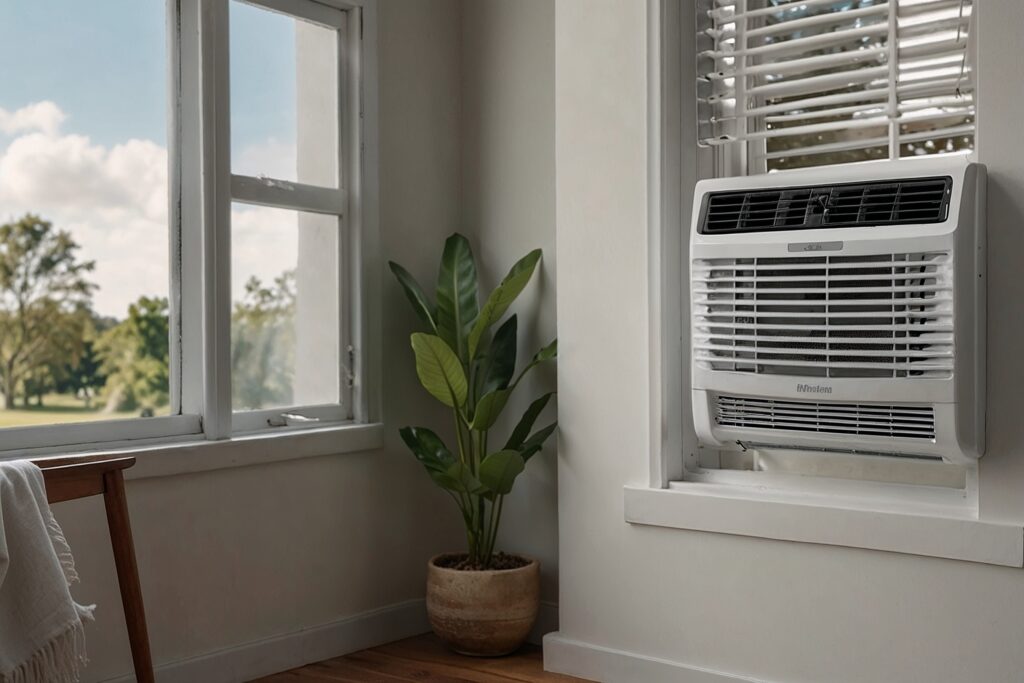
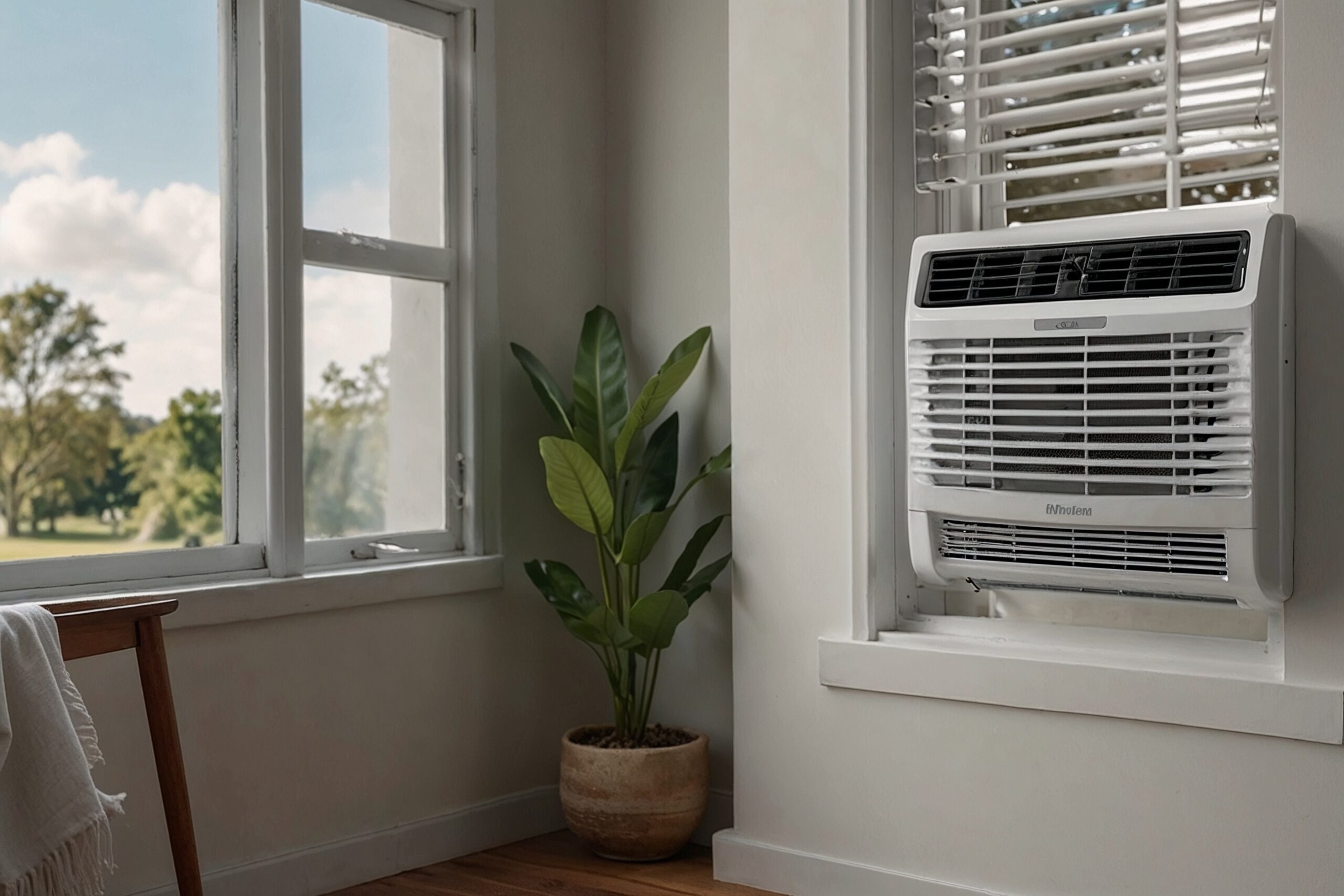
A window air conditioner is a self-contained cooling appliance designed to sit within a standard window frame. Unlike central air systems, which distribute cooled air throughout the entire home using ducts, a window unit handles one room or a defined space at a time. The unit works by pulling warm indoor air across a set of refrigerant-filled coils, which absorb the heat from that air. The now-cooled air gets pushed back into the room, while the absorbed heat is expelled outside through the rear section of the unit. This entire cycle repeats continuously until your room reaches the target temperature on the thermostat. It is a compact but genuinely clever system, doing a lot of thermodynamic work in a fairly small package.
Sizing Your Window AC Unit Correctly
This is where a lot of homeowners get tripped up. Bigger is not always better with window AC units. Cooling capacity is measured in BTUs, or British Thermal Units, and selecting the right BTU rating for your space is critical to efficiency and comfort. A unit that is too small will run constantly and never adequately cool the room. A unit that is oversized will cool the space too quickly without adequately removing humidity, leaving the room feeling cold and clammy. As a general rule, you need roughly 20 BTUs per square foot of living space. A 150-square-foot bedroom typically calls for a 5,000 BTU unit, while a 500-square-foot open living area may need closer to 12,000 BTUs. Ceiling height, sun exposure, and occupancy all influence that number as well.
Key Advantages of Window Air Conditioners
Window units come with a genuinely compelling set of benefits, especially for homeowners who do not have or do not want a central air system. Here are the standout advantages worth knowing.
- Lower upfront cost compared to central air or ductless mini-split systems
- No professional installation required in most cases, making setup straightforward
- Portable in the sense that they can be removed and reinstalled seasonally
- Ideal for renters or homeowners cooling a single room or zone
- Energy usage is limited to the area being cooled, which can reduce electricity bills
- Modern units often include programmable thermostats, sleep modes, and remote controls
For homes without ductwork, or in situations where cooling an entire house would be overkill, a window unit is a practical and budget-friendly solution that delivers real results.

Common Drawbacks You Should Be Aware Of
No appliance is without its limitations, and window AC units have a few worth understanding before you commit. The most obvious is that they only cool one space at a time. If you want whole-home coverage, you are looking at multiple units and multiple electricity draws. They also require a suitable window, meaning the right dimensions and a nearby power outlet with adequate amperage. Noise is another factor. Window units are not quiet appliances. The compressor and fan produce a steady hum that some people find comforting and others find maddening. Security is also a minor concern since a window unit does create a potential entry point if not properly secured. And aesthetically, they block part of a window and can impact curb appeal, which matters to some homeowners more than others.
Installation Tips for a Smooth Setup
Installing a window air conditioner is a manageable DIY project for most homeowners, but there are a few things that will make the process go significantly better. First, always read the manufacturer’s instructions for your specific unit. Window dimensions vary, and most units come with adjustable accordion side panels to fill the gaps, but confirming the fit before you haul the unit upstairs is a smart move. The unit should tilt slightly outward to allow condensate to drain outside rather than into your home. Make sure the window sash rests firmly on top of the unit to prevent warm air infiltration and to keep the unit secure. Use the provided hardware to anchor the unit properly. And if your unit requires a dedicated 220-volt outlet, that is a job for a licensed electrician, full stop.
Energy Efficiency and What to Look For
Energy efficiency matters more now than it ever has, and window AC units have come a long way on that front. When shopping for a unit, look for the ENERGY STAR certification, which indicates the unit meets efficiency standards set by the EPA. Pay attention to the EER rating, or Energy Efficiency Ratio. A higher EER means more cooling output per watt of electricity consumed. Inverter-based window units, which are newer to the market, adjust compressor speed in real time rather than cycling on and off, resulting in more consistent temperatures and lower energy use. Setting your thermostat to around 78 degrees Fahrenheit when you are home and allowing temperatures to rise slightly when you are away is a simple habit that can noticeably reduce your monthly utility bills.
Most Common Window AC Problems and What They Signal
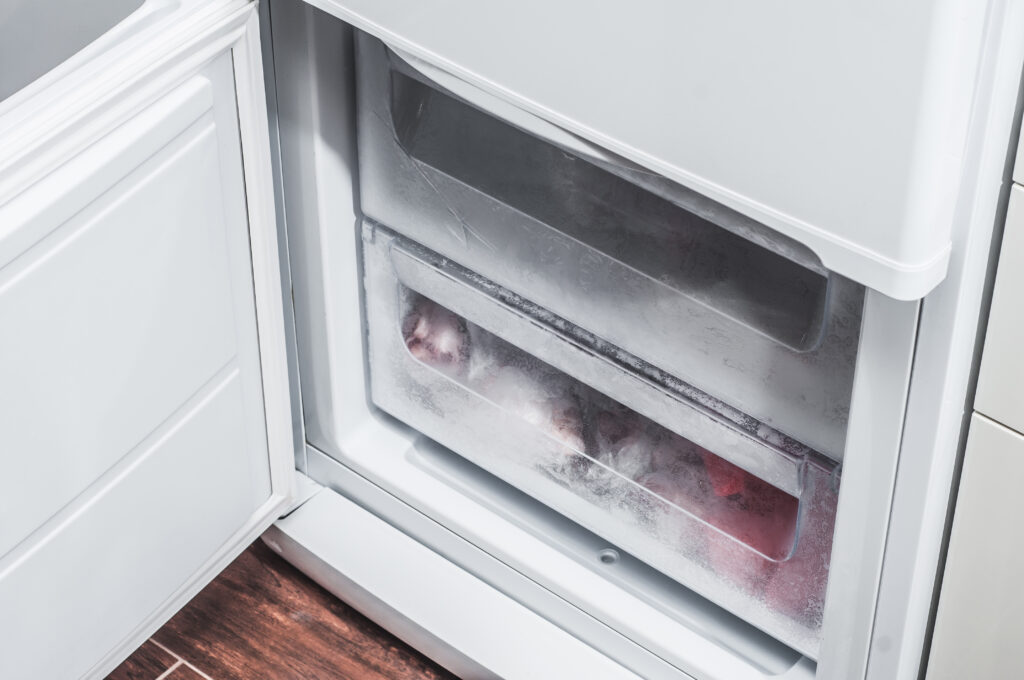
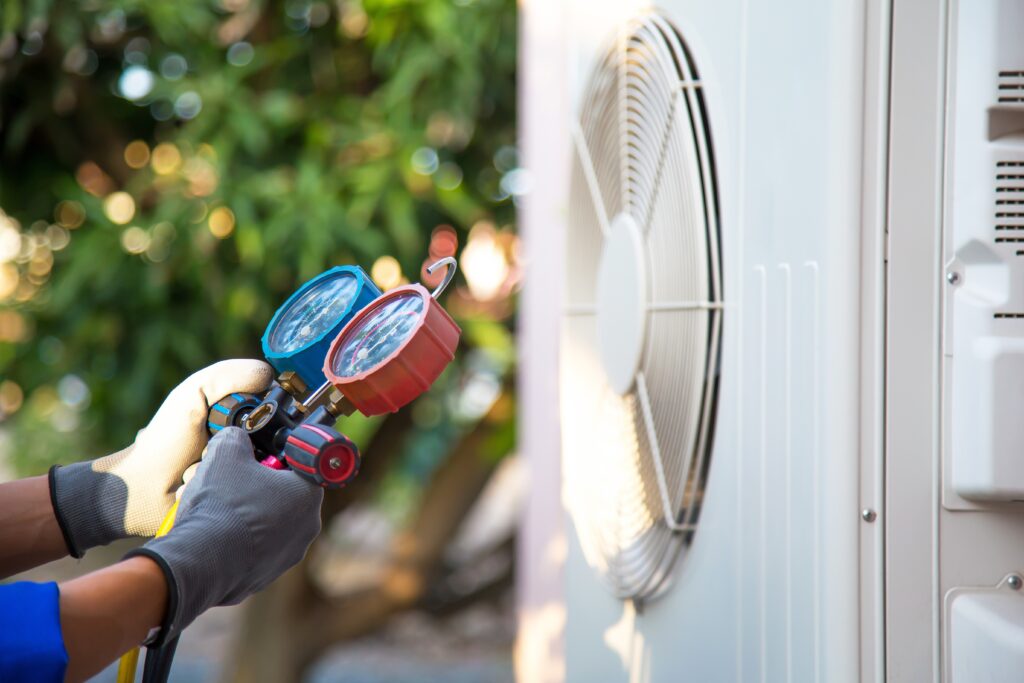
Even a well-maintained window air conditioner will eventually show signs of wear. Knowing what to watch for helps you address small issues before they become expensive ones. If your unit is blowing warm air, the refrigerant may be low or the compressor could be failing. Strange noises like rattling or grinding often indicate loose components or a failing fan motor. Ice forming on the coils typically points to restricted airflow caused by a dirty filter or a refrigerant problem. Water leaking into the room instead of outside suggests the unit is not tilted correctly or the drain is blocked. Most filter-related issues can be resolved with regular cleaning, but refrigerant and compressor problems require a certified technician.
Maintenance Best Practices to Extend the Life of Your Unit
Consistent maintenance is the single best thing you can do to extend the lifespan of a window air conditioner. Clean or replace the air filter every two to four weeks during heavy use. Use a soft brush or vacuum to remove dust from the front grille and coils. Inspect the foam insulation panels on the sides of the unit each season to make sure they are sealing properly. Before storing the unit for winter, remove it from the window if possible, clean it thoroughly, and store it in a dry location. If leaving it in place over winter, use an appropriate cover to protect it from moisture and debris. A well-maintained unit can realistically last ten to fifteen years, though component failures can happen at any point.
How a Home Warranty Can Protect Your Cooling Investment
Window air conditioners are hardworking appliances, and like any mechanical system, they can fail at the worst possible time, usually on the hottest day of the year. That is where having reliable home warranty coverage becomes genuinely valuable. Armadillo home warranty plans designed to protect your home’s essential cooling systems take the financial sting out of unexpected breakdowns. Instead of facing a sudden repair or replacement bill, you have a plan in place that handles it. Whether your window unit’s compressor gives out after five years of hard use or a fan motor fails mid-August, coverage means you are not making that repair decision under pressure. If you want to stop leaving your appliances to chance, get a free home warranty quote that covers window AC units and other key home appliances and find out how affordable that protection actually is. Armadillo keeps things simple, transparent, and built around what homeowners actually need.

Frequently Asked Questions About Window Air Conditioners
Here are answers to the questions homeowners ask most often about window AC units, from installation and efficiency to repairs and home warranty coverage.
How long does a window air conditioner typically last?
With proper maintenance, a window air conditioner can last between ten and fifteen years. Units that are cleaned regularly, stored correctly during off-seasons, and not overworked tend to reach the higher end of that range.
Does a window AC unit need to be removed in winter?
It is generally recommended to remove or cover a window AC unit during winter months to prevent heat loss, protect the unit from moisture damage, and improve home security. Leaving it in place uncovered can shorten its lifespan.
Why is my window AC unit freezing up?
Ice buildup on a window AC unit is usually caused by restricted airflow from a dirty filter, a blocked return, or low refrigerant levels. Turn the unit off, allow it to thaw completely, clean or replace the filter, and if the problem persists, contact a technician to check the refrigerant.
What size window AC unit do I need for a 400-square-foot room?
A 400-square-foot room generally requires a window AC unit with a cooling capacity of around 8,000 to 10,000 BTUs. Factors like direct sunlight, high ceilings, and multiple occupants can push that requirement higher.
Can a window air conditioner cool an entire house?
A single window unit is not designed to cool an entire home. It is built for zone cooling, typically one room at a time. Multiple units placed strategically throughout the home can provide broader coverage, but a central air system or multi-zone mini-split is more practical for whole-home cooling.
Is it safe to leave a window AC running all day?
Yes, modern window AC units are designed to run for extended periods. However, using programmable settings or a timer to cycle the unit based on occupancy is more energy-efficient and reduces wear on the compressor over time.
Does a home warranty cover window air conditioners?
Coverage depends on the specific home warranty plan. Many home warranty providers do cover window AC units as part of an appliance protection plan. It is important to review the terms carefully to confirm what components, such as the compressor or fan motor, are included.
How often should I clean my window AC filter?
During periods of regular use, the filter should be cleaned every two to four weeks. A clogged filter restricts airflow, reduces efficiency, and can cause the unit to freeze or overheat, leading to premature component failure.
What does the EER rating mean on a window AC unit?
EER stands for Energy Efficiency Ratio and measures how much cooling output a unit produces per watt of electricity consumed. A higher EER rating means the unit is more energy-efficient, which translates to lower operating costs over the course of a season.
When should I replace a window air conditioner instead of repairing it?
If the unit is more than ten years old, has a failing compressor, or if the cost of repair exceeds half the price of a new unit, replacement is typically the more economical choice. Newer models are also significantly more energy-efficient, which can offset the cost of replacement over time.