What Is a Window Unit Air Conditioner Cover and Why Does It Matter?
If you have a window air conditioner installed in your home, you have probably wondered at some point what happens to it during the off-season. The answer, for a lot of homeowners, is nothing. It just sits there. And that is exactly where a window unit air conditioner cover comes in. These are protective covers, typically made from vinyl, polyester, or a quilted fabric blend, designed to shield your AC unit from the elements when it is not in use. Think of it as a coat for your appliance. It does not do anything glamorous, but it does something genuinely useful. Whether you are heading into winter or just taking a break from cooling season, a proper cover can extend the life of your unit and keep your home a little more comfortable in the process.
How a Window AC Cover Actually Works
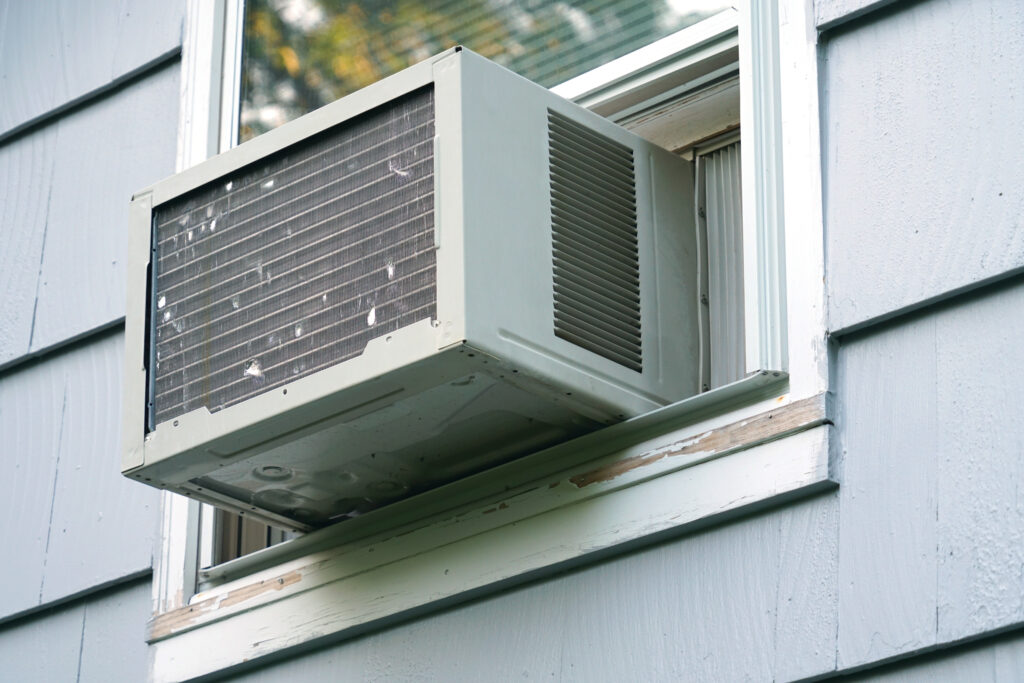
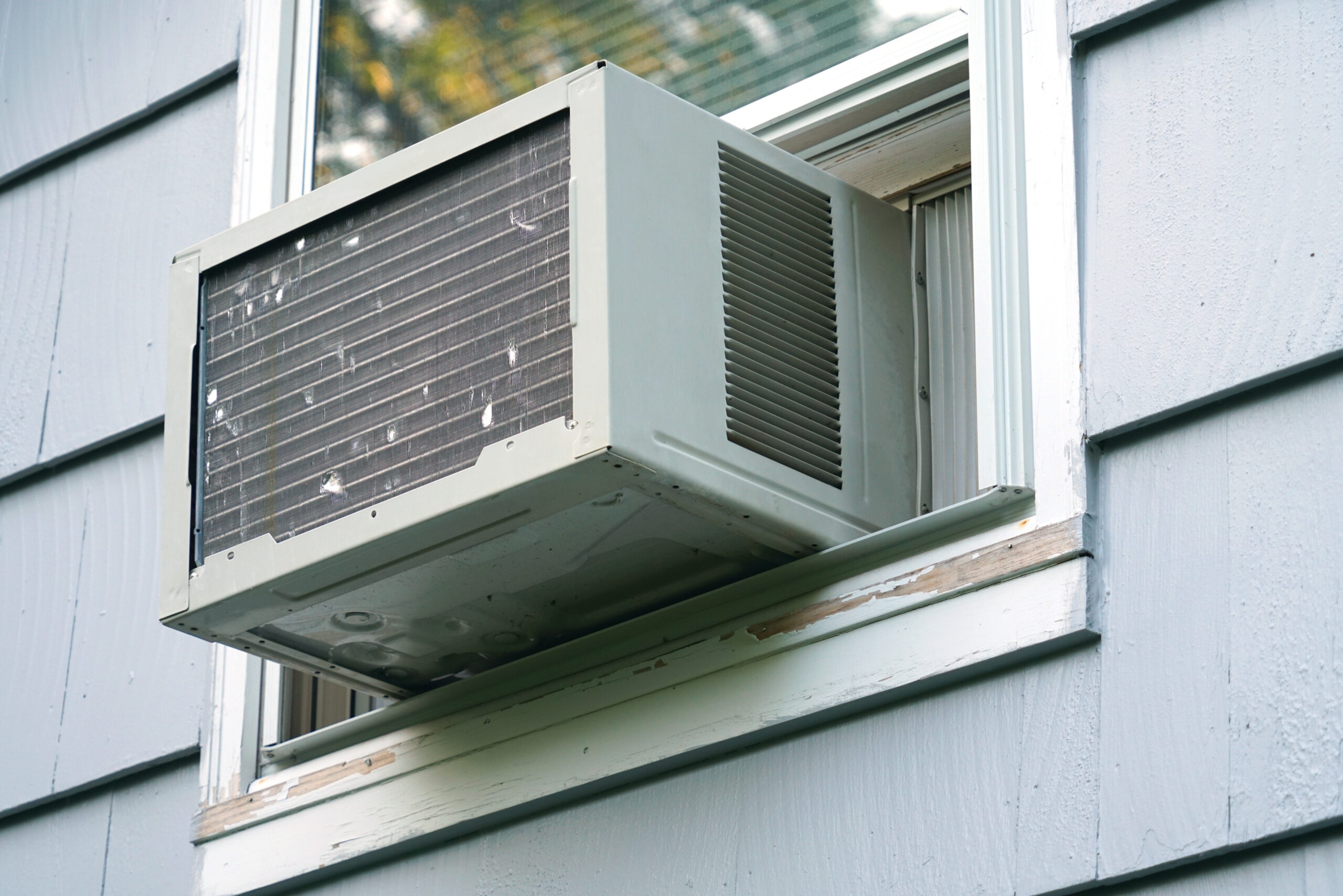
The mechanics here are straightforward. A window unit air conditioner sits partially inside your home and partially outside, which means it is constantly exposed to outdoor conditions even when the unit is off. Rain, snow, ice, wind, dust, and insects all have free access to the components inside that exterior housing. A cover wraps around either the interior side, the exterior side, or both, depending on the product type, creating a barrier between those elements and your unit. Interior covers are placed over the indoor-facing side of the unit and are especially useful for blocking cold drafts from sneaking through the seams during winter months. Exterior covers handle the outdoor exposure, protecting the coils, fins, and fan from debris and moisture. Some homeowners use both simultaneously, which is a perfectly reasonable approach if you want full protection.
Interior vs. Exterior Covers: Understanding the Difference
Not all window AC covers serve the same purpose, and knowing the distinction matters before you make a purchase. Interior covers are insulated and designed to stop cold air infiltration. Because window units are not airtight by design, they can become a significant source of heat loss during colder months. An interior cover essentially plugs that gap. Exterior covers, on the other hand, focus on weather resistance and physical protection. They are typically water-resistant or waterproof and are built to handle UV exposure, temperature fluctuations, and the occasional bird or squirrel encounter. If your primary concern is energy efficiency in winter, go interior. If your primary concern is keeping the unit clean and protected from physical damage, go exterior. If you want both, well, both it is.

Key Advantages of Using a Window AC Cover
There are real, measurable benefits to covering your window unit during the off-season. Here is a look at the most significant ones:
- Reduced energy costs during winter by limiting cold air infiltration through the unit
- Extended appliance lifespan by protecting coils and internal components from rust, corrosion, and debris buildup
- Prevention of pest intrusion, since window units can be entry points for insects and small rodents
- Protection from physical damage caused by hail, falling branches, and wind-driven debris
- Easier spring startup because a clean, covered unit requires less maintenance before first use
These are not trivial benefits. Window air conditioners represent a real investment, often ranging from a couple hundred dollars to over a thousand for larger or higher-efficiency models. Protecting that investment with a cover that costs anywhere from ten to fifty dollars is not just practical, it is financially sensible.
Common Drawbacks to Keep in Mind
To be fair, window AC covers are not without their downsides. The most discussed concern among HVAC professionals is the risk of trapping moisture under an exterior cover, particularly in climates where temperatures fluctuate frequently around the freezing point. If moisture gets sealed against the unit, it can encourage mold growth and corrosion rather than prevent it. This is why ventilation is an important feature to look for in any exterior cover you purchase. Another common issue is fit. A cover that is too loose can blow off in high winds and do no good at all. A cover that is too tight can be difficult to remove and, in some cases, can trap condensation. Always measure your unit before purchasing and look for covers with adjustable straps or drawstrings.
What to Look for When Buying a Window AC Cover
Shopping for the right cover requires a little bit of attention to detail. Here are the factors worth prioritizing:
- Material quality: Look for covers made with durable, UV-resistant outer fabric and moisture-wicking or breathable inner lining
- Fit and sizing: Measure your unit’s width, height, and depth before purchasing; do not estimate
- Ventilation features: Small vents or breathable panels help prevent moisture buildup under exterior covers
- Secure fastening: Elastic hems, drawstrings, or buckle straps ensure the cover stays in place during high winds
- Ease of use: A cover you dread putting on or taking off is a cover you will eventually stop using
How to Install a Window AC Cover Properly
Installation is usually simple enough that most homeowners can do it themselves in under ten minutes. For an interior cover, you simply press the insulated panel against the indoor-facing grille of the unit, using the adhesive tabs or magnetic edges that most products include. For an exterior cover, you pull the cover over the outer housing from above or the front, then secure the straps or drawstring underneath. The unit should be off and dry before you cover it. If the unit has been running recently and has moisture on the coils, give it time to dry out before sealing it up. That one step prevents a lot of the mold and corrosion issues that give exterior covers a bad reputation.
When Should You Remove the Cover?
This is a question that trips up a lot of homeowners. The general guidance is to remove the cover before running the unit for the first time each season. Running a window AC unit with the exterior cover still on can cause the motor to overheat, restrict airflow, and potentially damage the compressor. It sounds obvious, but it happens more often than you might expect. If you live in a climate where a warm day might pop up in the middle of winter, consider an interior-only cover, which does not interfere with the exterior mechanics and can be left in place while the unit is temporarily not needed. Set a reminder on your phone if needed. It is a small thing that makes a big difference.
How This Connects to Your Home Warranty Coverage
Here is where things get interesting from a home warranty standpoint. Window unit air conditioners are sometimes covered under home warranty plans, though coverage varies significantly by provider and plan tier. What a home warranty will not cover is damage that results from lack of maintenance, and that is where a window AC cover plays an indirect but important role. Keeping your unit protected from the elements reduces the likelihood of corrosion-related failures and debris damage, both of which are commonly excluded from warranty claims. In other words, using a window AC cover is the kind of proactive maintenance that helps ensure that when something does go wrong, it is the kind of mechanical failure a home warranty is actually designed to cover, not a preventable issue that falls outside policy limits.
If your cooling equipment is a priority in your home, Armadillo’s home warranty plans for air conditioning systems and household appliances are worth a serious look. Armadillo is built around the idea that homeowners deserve straightforward coverage without the fine print headaches. Whether your window unit is a supplemental cooling source or your primary system, you can get a free home warranty quote for window AC units and other covered systems in just a couple of minutes. Paired with smart maintenance habits like using a proper AC cover, that kind of coverage gives you a genuinely complete approach to protecting your home’s comfort systems.

Frequently Asked Questions About Window Unit Air Conditioner Covers
Answers to the most common questions homeowners have about covering and protecting their window AC units.
Do I need both an interior and exterior window AC cover?
Not necessarily. An interior cover is best for blocking cold drafts during winter, while an exterior cover protects against weather and debris. Using both offers the most comprehensive protection, but either one alone provides meaningful benefit depending on your primary concern.
Can I leave my window AC cover on all winter?
Yes, for interior covers. Exterior covers can also stay on throughout winter, but you should periodically check for moisture buildup underneath, especially in climates with frequent freeze-thaw cycles. Make sure to remove any cover before operating the unit.
Will a window AC cover actually lower my heating bill?
An interior cover can reduce heat loss through the unit, which may contribute to lower heating costs. The impact depends on how airtight your window installation is and how large the unit is, but the insulation benefit is real and measurable.
Is it bad to run a window AC unit with the exterior cover on?
Yes. Running the unit with an exterior cover in place restricts airflow, causes the motor to overheat, and can permanently damage the compressor. Always remove the exterior cover before turning on the unit.
What size window AC cover should I buy?
Measure the width, height, and depth of your unit’s exterior housing before purchasing. Most manufacturers list dimensions in product descriptions. Buying by BTU rating alone is not reliable because unit dimensions vary by brand and model.
Do window AC covers prevent pests from getting inside?
Exterior covers do reduce the likelihood of insects and small rodents entering through the unit, particularly during winter when pests seek warm spaces. However, they are not a complete seal, so additional weatherstripping around the unit frame is also worth considering.
Are cheap window AC covers worth it?
Budget covers can work adequately for mild climates with short off-seasons. However, in areas with harsh winters, heavy rain, or high winds, investing in a higher-quality cover with better materials and secure fastening will provide more reliable protection over multiple seasons.
How do I clean a window AC cover?
Most covers can be wiped down with a damp cloth and mild detergent. Some fabric covers are machine washable on a gentle cycle. Always check the manufacturer’s care instructions and allow the cover to dry completely before storing or reinstalling it.
Does using a window AC cover affect my home warranty coverage?
Indirectly, yes. Home warranties typically exclude damage caused by improper maintenance or neglect. Using a cover to protect your unit from weather damage demonstrates responsible maintenance and helps ensure that genuine mechanical failures remain eligible for coverage under your plan.
When should I put the cover on my window AC unit?
Most homeowners apply the cover once they are confident they will not need the unit for the remainder of the season, typically in early to mid-fall. The unit should be off, clean, and fully dry before covering. Avoid covering a unit that has recently been running and may still have condensation on internal components.