Window Unit vs. Central AC: What Every Homeowner Should Know Before Buying
Cooling costs are one of the most significant household expenses during summer months, and the decision between a window air conditioner and a central AC system is one that homeowners face more often than you might think. Whether you are moving into a new home, dealing with a system failure, or simply trying to cut costs, understanding the real differences between these two options can save you a surprising amount of money and frustration. Let us break it all down in a way that actually makes sense.
What Is a Window Air Conditioner and How Does It Work?
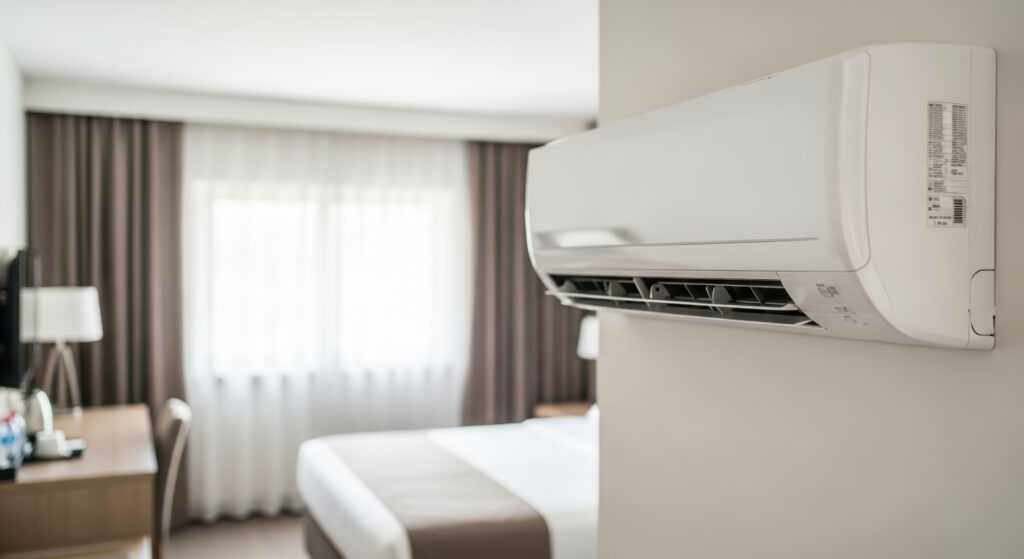
A window air conditioner is a self-contained cooling unit designed to fit inside a standard window frame. The unit draws warm air from the room, passes it over a set of refrigerant-filled coils, and releases cooled air back into the space. Heat is expelled outside through the rear of the unit. The entire process happens within a single compact appliance, which is part of what makes it so accessible for many homeowners. No ductwork, no professional installation team, no complex setup. You slide it in, plug it in, and you are done. The simplicity is genuinely appealing, especially if you are trying to solve an immediate cooling problem without a major financial commitment.
What Makes Central Air Conditioning Different?
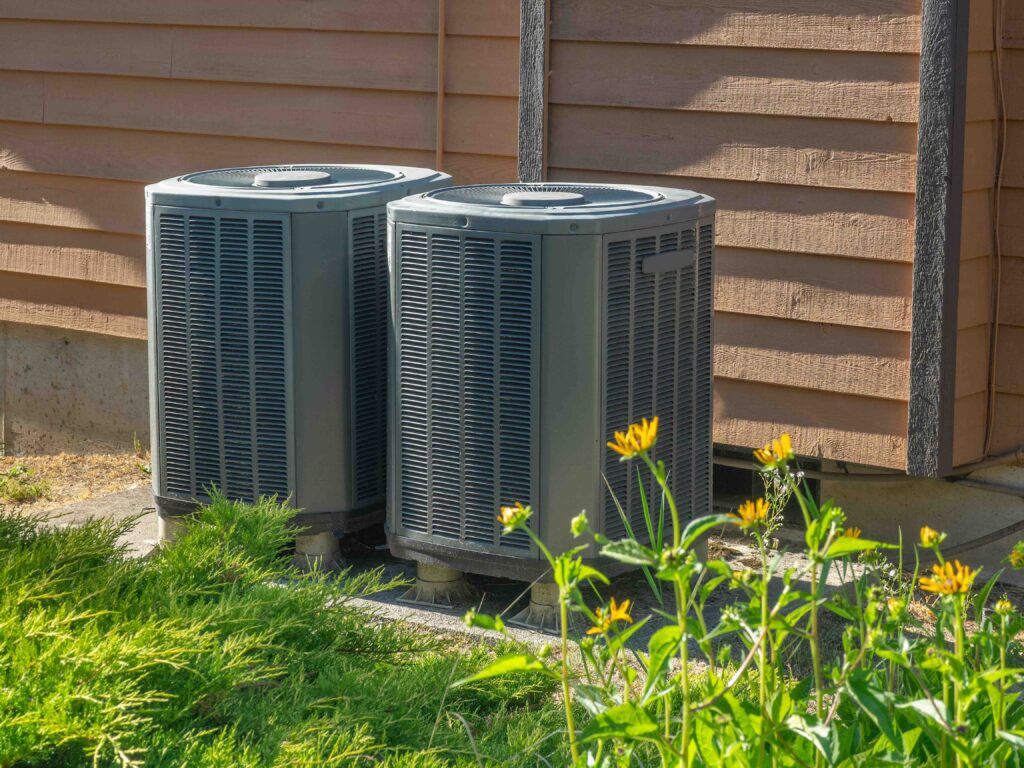
Central air conditioning operates as a whole-home system. It uses an outdoor compressor unit connected to an indoor air handler and a network of ducts to distribute cooled air throughout the entire house. A thermostat controls the system and maintains a consistent temperature across multiple rooms simultaneously. Central AC is designed for larger spaces and offers a level of comfort and convenience that a window unit simply cannot replicate at scale. The tradeoff, of course, is cost and complexity. Installation typically requires professional labor, and the system itself represents a significant investment upfront. That said, for homes with existing ductwork, central AC often delivers better overall efficiency and a more uniform living environment.
Is a Window Unit Cheaper Than Central AC? Let Us Look at the Numbers
This is the core question, and the honest answer is: it depends on your situation. Here is what the comparison generally looks like for homeowners making this decision today.
- Window AC units typically cost between $150 and $700 depending on the size and brand, while central AC systems can range from $3,000 to $7,500 or more including installation.
- Window units consume between 500 and 1,500 watts per hour, while central systems use roughly 3,000 to 5,000 watts but cool the entire home at once.
- For a single room or small apartment, a window unit is almost always the more cost-effective choice both upfront and monthly.
- For a three-bedroom home, running multiple window units to match the coverage of central AC can actually cost more in electricity over time.
So while the entry price of a window unit is dramatically lower, total cost of ownership depends heavily on your home’s size and how many rooms need cooling. It is worth doing the math before assuming one option is automatically cheaper.

Key Advantages of Choosing a Window Air Conditioner
Window units have real merit, and it is not just about the price tag. They are portable enough to move between rooms or take with you if you relocate. They require zero permanent modifications to your home. Maintenance is straightforward and something most homeowners can handle themselves. And if the unit fails, replacing it is a relatively minor expense. For renters, people in older homes without ductwork, or homeowners looking to cool a specific zone without running the whole system, a window AC makes a lot of practical sense. They also tend to have a faster installation timeline, which matters a great deal when you are dealing with a heat wave and a broken central system.
The Real Drawbacks of Window Units You Should Not Ignore
Window ACs are not without their downsides. They can be loud, they block natural light, and they do not offer the same level of climate control as a central system. Air quality management is also more limited since central systems can integrate with whole-home filtration and humidity control. Security can be a concern as well since a window propped open with a unit inside creates a potential entry point. And for larger homes, the inefficiency of trying to cool multiple rooms with separate units adds up fast. If you are in a home for the long term and value consistent comfort throughout every room, the economics of a window unit start to look less favorable over time.
When Central AC Is Worth the Investment
Central air conditioning makes the most financial and practical sense when you already have ductwork in place, plan to stay in the home for several years, or are in a climate where cooling is a necessity for most of the year rather than a seasonal option. Central systems also add measurable resale value to a home, which window units do not. From a home maintenance standpoint, central AC is also easier to integrate into a comprehensive home protection strategy since it functions as a recognized home system that can be covered under a home warranty plan. That is a meaningful distinction for homeowners who want to protect their budget from unexpected repair costs.
Energy Efficiency Comparison: Which One Wins?
Energy efficiency is where the conversation gets genuinely nuanced. Modern window AC units carry Energy Star certifications and can be highly efficient for the space they are intended to cool. Central systems, particularly newer variable-speed models, are extremely efficient when properly sized for the home. The issue with window units is scale. An undersized unit runs constantly and still fails to cool adequately. An oversized unit short-cycles, wastes energy, and does not dehumidify effectively. Central AC systems, when installed correctly and maintained regularly, tend to win on efficiency for whole-home cooling over a full season. For spot cooling, though, a well-chosen window unit remains competitive.
Maintenance Requirements and Longevity for Both Systems
Window units require relatively simple maintenance including cleaning or replacing the filter monthly, keeping the coils clean, and ensuring the drainage system is clear. With proper care, a quality window unit can last eight to twelve years. Central AC systems require annual professional tune-ups, filter changes, coil cleaning, and periodic refrigerant checks. A well-maintained central system typically lasts fifteen to twenty years. The longer lifespan and greater complexity of central AC means higher maintenance costs over time, but those costs can often be managed or offset through a home warranty plan that covers HVAC systems specifically.
Why Armadillo Home Warranty Is the Smart Pairing for AC Owners
Whether you are running a window unit to supplement your central system or relying on central AC as your primary cooling source, unexpected breakdowns do not ask for permission before arriving. That is where having reliable home warranty coverage makes all the difference. Armadillo home warranty plans built for modern homeowners are designed to cover the systems and appliances you depend on most, including your HVAC equipment, without the runaround that comes with traditional warranty providers. When your central AC compressor fails in the middle of August, having a plan in place means you are not scrambling to cover a multi-thousand dollar repair out of pocket. If you are ready to protect your home’s cooling systems and keep your budget intact through every season, get an instant home warranty quote for HVAC and appliance coverage and see what Armadillo can do for your home today.

Frequently Asked Questions About Window Units vs. Central AC
Here are the most common questions homeowners ask when comparing window air conditioners to central air conditioning systems.
Is a window unit cheaper to run than central air conditioning?
For cooling a single room, a window unit is almost always cheaper to operate than running a full central AC system. However, if you need to cool multiple rooms, the combined energy usage of several window units can exceed what a central system would cost for the same coverage.
Can a window AC unit cool an entire house?
A single window unit is not designed to cool an entire house. You would need multiple units strategically placed throughout the home, which becomes increasingly impractical and expensive in larger spaces with multiple floors or rooms.
How long does a window air conditioner typically last?
With regular maintenance and proper use, a quality window air conditioner can last between eight and twelve years. Units that are run excessively without cleaning or maintenance will often fail sooner.
Does a window unit add value to a home?
Window air conditioners do not add measurable resale value to a home. Central air conditioning, on the other hand, is considered a desirable feature by buyers and can positively impact a home’s market value.
Are window AC units covered under a home warranty?
Coverage varies by provider. Most standard home warranty plans focus on central HVAC systems rather than portable or window units. It is important to review the specific terms of any plan you are considering before assuming window units are included.
What size window AC unit do I need for my room?
A general rule is approximately 20 BTUs per square foot of living space. A 150-square-foot room typically needs around 5,000 BTUs, while a 500-square-foot room would require closer to 10,000 BTUs for effective cooling.
Is central AC more energy efficient than a window unit?
For whole-home cooling, a properly sized and well-maintained central AC system is generally more energy efficient than running multiple window units. For single-room cooling, a modern Energy Star window unit can be quite competitive on efficiency.
Can I install a window air conditioner myself?
Yes, most window AC units are designed for homeowner installation without professional help. You will need a compatible window, access to a standard electrical outlet, and the ability to safely support the weight of the unit during installation.
What happens if my central AC breaks down in the middle of summer?
If your central AC system fails unexpectedly, repair or replacement costs can range from a few hundred dollars for minor fixes to several thousand for compressor or full system replacement. A home warranty plan that covers HVAC systems can significantly reduce or eliminate those out-of-pocket costs.
Is it better to repair or replace an old central AC system?
A common industry guideline is to replace a system if the repair cost exceeds fifty percent of the unit’s current value or if the system is more than ten to fifteen years old. Newer systems offer better efficiency ratings and long-term savings that often justify the upfront investment.