Should You Use an Air Conditioner Cover in Winter? What Homeowners Need to Know
Protecting your home’s systems and appliances isn’t limited to what’s inside your walls. Your outdoor living systems—especially your air conditioner—can benefit from care throughout the year, particularly during the colder months. A common question many homeowners ask: should I cover my air conditioner during winter? The answer isn’t as straightforward as you might think. While a simple cover might seem like a minor add-on, understanding how it works, when it’s appropriate, and how it impacts the life of your AC system can help you make the most informed decision. And when integrated thoughtfully with your home warranty strategy, it can even prevent unnecessary repairs or claims.
What Is a Winter Air Conditioner Cover?
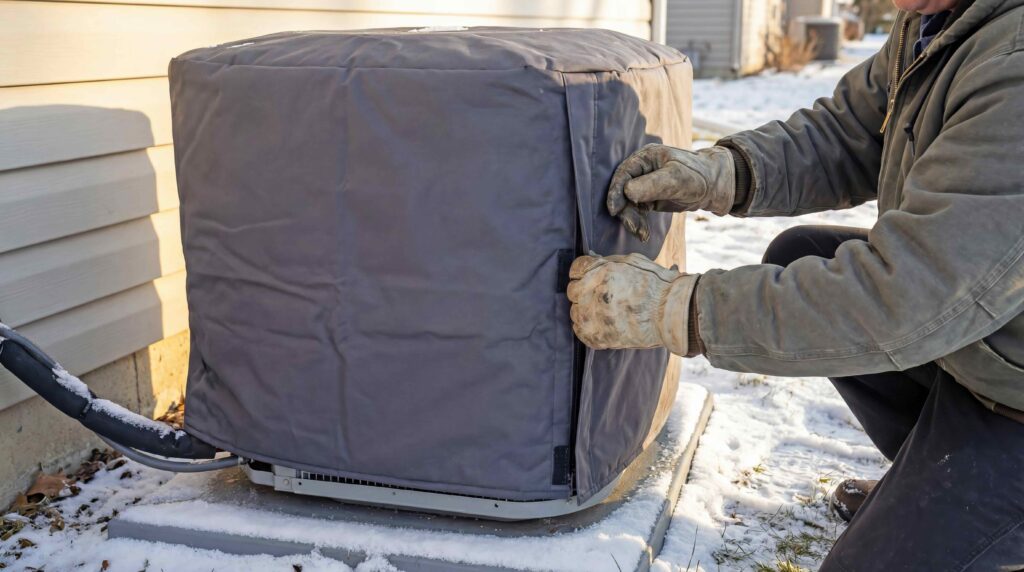
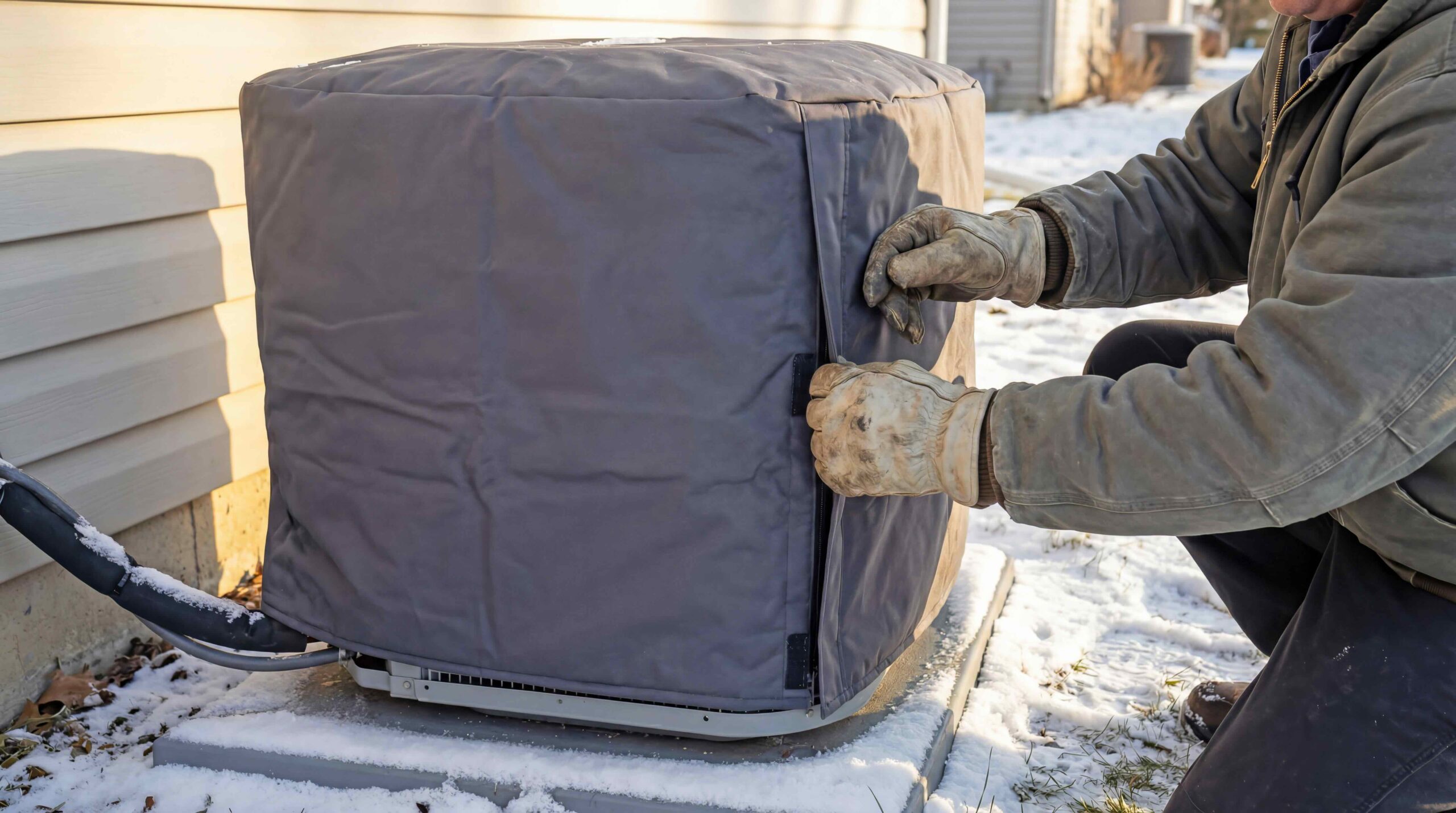
A winter air conditioner cover is typically a durable, weather-resistant tarp or fitted sheet made to go over your outdoor AC condenser unit when it’s not in use during cold months. It’s designed to shield the unit from falling debris, moisture, animal activity, snow, and ice. Available in various materials such as polyester, vinyl, or heavy-duty canvas, these covers are tailored to fit snugly over the exterior dimensions of the AC base, often secured with straps or elastic edges.
It sounds simple, and at a glance, it is. But its purpose reaches beyond keeping dirt out. It’s a preventative measure, aimed at reducing wear and exposure that can compromise future performance when spring and summer roll around. That said, not every AC system requires a cover—and applying one incorrectly can sometimes cause more harm than good.
How Does a Winter AC Cover Work?
During winter, your central air conditioner isn’t in use, so the condenser unit outside your home essentially goes dormant. The internal components, including the condenser coils, fan motor, and electrical connections, become stationary but remain susceptible to environmental factors. A winter AC cover acts as a physical shield. It prevents leaves, pine needles, sticks, and snow from settling inside the unit or clogging up airways. This helps maintain airflow efficiency in the long term.
More importantly, the right cover can keep moisture out, reducing the risk of rust, corrosion, or electrical instability due to prolonged dampness. Some homeowners even opt for partial covers—ones that drape just the top—to allow proper ventilation while still shielding the most vulnerable surfaces. The function, ultimately, is about prevention. Not performance improvement, but environmental hazard control that reduces costly system attrition.
Benefits of Using an Air Conditioner Cover in Winter
If used correctly and in the right climate, a winter AC cover can add a practical layer of protection to your HVAC investment. One clear benefit is increased unit longevity. Preventing exposure to ice or snow buildup minimizes long-term deterioration. Leaves and sticks might not seem dangerous now, but if they slip into the fan blades or block drainage paths, you could be dealing with serious repair needs when summer hits.
Covers can also be a smart deterrent during fall and early winter for homeowners concerned about pest activity. Small animals like rodents have been known to turn AC units into seasonal homes. A well-fitted cover makes nesting more difficult. And aesthetics matter, too—a clean, covered unit looks well-maintained in your outdoor space. Overall, it can help reduce cleaning and prep time when you’re ready to bring your cooling system back online.
Risks and Drawbacks to Consider
Despite their advantages, AC covers are not a universal solution and absolutely not a requirement in every region. One of the biggest risks homeowners face is trapping moisture. Especially in climates where winter includes frequent freeze-thaw cycles, a sealed cover can collect condensation if the interior isn’t aerated properly, fostering mold, corrosion, or even ice inside the motor area.
Poorly made or improperly sized covers can also pose issues. If the cover doesn’t breathe, the condensation gets locked in. If it’s too loose, it doesn’t protect anything and might blow off or allow animals to drag it away. Full enclosure of the unit can even trap heat and dissuade proper airflow, especially during unexpected warm spells. For some heat pump systems that operate year-round, an AC cover is not only unhelpful—it can obstruct necessary airflow and damage the unit. Always verify what kind of HVAC system you have before covering anything.
When You Should and Shouldn’t Use an AC Cover
The decision to use a winter cover should be tied to regional climate, equipment type, and exposure level. For example, if you live in the northern U.S. or Canada—where snow, ice, and windblown debris are consistent threats—a partial top cover can make sense to shield vulnerable areas. Homeowners in milder zones or who use dual-function heat pump systems (that supply heat as well as cooling) may be better off skipping the cover entirely.
Additionally, if your AC unit is housed under an awning, dense tree cover, or in a protected alcove, you might already have enough natural shielding from precipitation and debris. Before using a cover, check your manufacturer’s guidance—some brand warranties specifically discourage their use. Keep in mind, a cover won’t fix ongoing maintenance issues or pre-existing damage. It’s protection, not prevention of breakdowns already in motion.
Tips for Choosing the Right AC Winter Cover
Choosing the right cover involves balancing durability with breathability. Select a material that’s waterproof but includes vents or mesh panels to allow air circulation. Make sure the size matches the specific dimensions of your condenser unit without blocking intake or drainage. Straps, drawstrings, or elastic edges help secure the fit, especially in windy conditions.
Opt for a cover with UV resistance to avoid cracking or color degradation under winter sun glare, and ensure it includes reinforced corners to withstand snow weight or animal scratching. Avoid improvised covers like garbage bags or tarps—they rarely stay in place and almost always cause condensation problems. Think of it like this: if the cover restricts airflow or promotes moisture buildup, it does more harm than good. Smart material and construction go a long way.
How This Relates to Your Home Warranty
Air conditioners are one of the highest-cost items covered under a home warranty plan—and one of the most commonly misused. Home warranty providers, like Armadillo, offer protection for system failures, but the key message is this: preventable damage caused by poor maintenance or incorrect seasonal care often falls outside of that warranty coverage. A winter cover can support your ongoing maintenance strategy, reducing the burden on your warranty plan when the cooling season returns.
When paired with routine maintenance like clearing leaves from the base, servicing coils annually, and scheduling seasonal checks, a cover can be part of a strong care program that keeps your HVAC system protected and running efficiently. Your home warranty handles the breakdowns, but smart seasonal steps reduce how often you need to call for help.
Protecting Your AC (and Everything Else) with Armadillo
Each component of your home deserves intelligent attention—your air conditioning system included. Using a winter AC cover wisely can preserve the unit’s lifespan and minimize off-season damage. But when unforeseen equipment failures happen—and they will eventually—having a strong home warranty in place can turn a stressful situation into a manageable one. That’s where Armadillo comes in. We provide modern home warranty plans built around real homeowner needs, with straightforward coverage, digital-first support, and no surprise fees. Ready to bolster your system protection season after season? Explore more about what Armadillo can do for you at Armadillo.one or start building your plan directly at our plan builder. Your home deserves to be covered—literally and figuratively.