Should You Cover Your AC in the Winter? Unveiling the Secrets Behind Winterizing Your Air Conditioner
As winter’s chilly embrace approaches, many homeowners find themselves wondering, “Should I cover my air conditioning unit?” This query arises from a desire to protect a valuable asset, ensuring it remains in peak condition for the coming summer. Whether you’re new to the concept of winterizing home systems or simply seeking clarity, this guide will deconstruct the complexity of protecting your AC unit during the off-season. Through methodical analysis and a firm understanding of the AC system, we aim to equip you with insights into the delicate balance of maintenance and natural resistance, guiding you to make well-informed decisions.
Understanding Your Air Conditioner: A Quick Overview
An air conditioning unit, predominantly known for its role in providing cool, refreshing air during the sweltering summer months, is far more than just a summer luxury. These mechanical marvels function by extracting heat from indoor spaces, not unlike transferring warmth from your home during a hot day, and releasing it outdoors. The linchpin of this process is the condenser unit – the external part visible outside your home. Expertly crafted to endure various weather conditions, this component’s resilience is a marvel of modern engineering.
To Cover or Not to Cover: The Key Debate
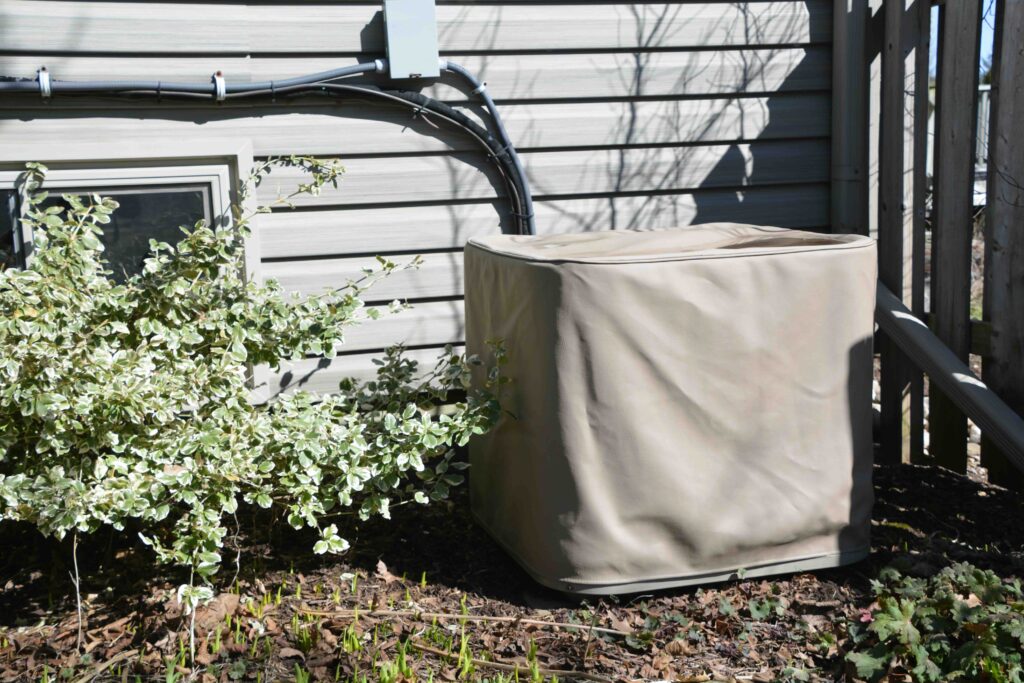
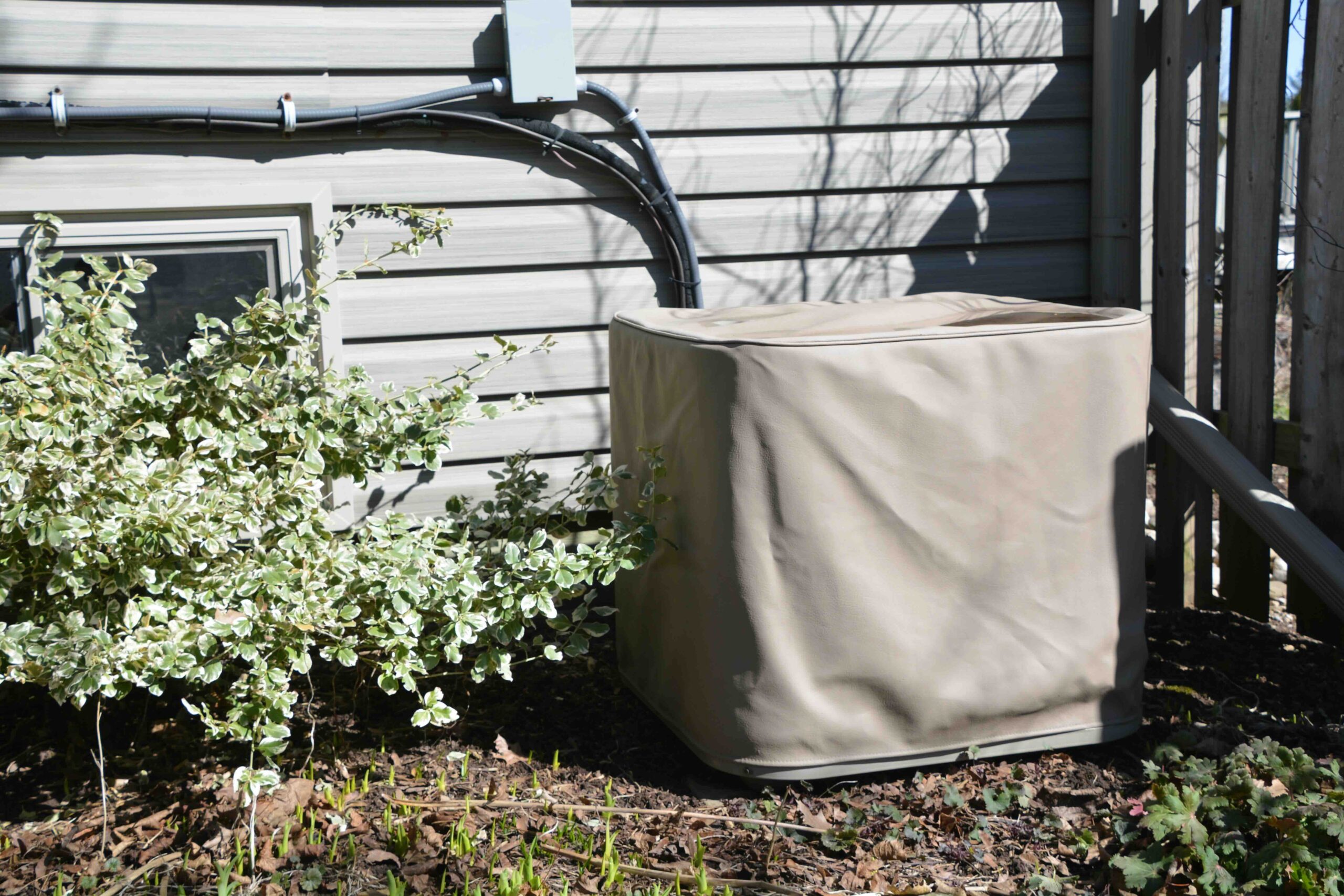
The debate over whether to cover your AC unit in winter stems from differing opinions regarding protection. On one side of the argument, advocates claim that covering helps shield the system from debris, frost, and harsh weather conditions. Conversely, some experts suggest that coverings can harbor moisture, resulting in rust and mold. It is essential to understand these competing perspectives and decide based on your unique circumstances and local climate.
Advantages of Covering Your Air Conditioner in Winter
Covering an AC unit can provide specific benefits. Primarily, a cover safeguards against debris such as leaves, twigs, and dirt. These elements, though seemingly harmless, can clog coils and strain the system. Moreover, in regions prone to heavy snowfall, a cover can mitigate issues related to snow accumulation, which might otherwise result in ice build-up and physical damage. By creating a shield, homeowners may prolong the lifespan of their unit, avoiding costly repairs.
Potential Drawbacks to Consider
While the protective nature of a cover is appealing, it is imperative to also consider potential drawbacks. Covers can inadvertently trap moisture, fostering an environment conducive to rust, corrosion, and mold growth. Additionally, if not adequately secured, covers may become nests for small animals seeking warmth, leading to further complications. It’s essential to delicately balance these risks against the environmental factors specific to your locale.
Practical Tips for Protecting Your AC During Winter
Whether you opt to cover your AC or not, there are practical steps you can implement for optimal protection. Ensure that the unit’s surroundings are clear of debris year-round, particularly before the winter season commences. Regular inspections and professional maintenance every few years can help diagnose issues early, safeguarding against potential long-term damage. If opting for a cover, select a breathable, high-quality material designed to prevent water accumulation.
The Home Warranty Industry’s View on Air Conditioner Maintenance
Home warranties, like those provided by Armadillo, offer invaluable insights into maintaining critical systems. From the perspective of these experts, regular upkeep, not just during winter, but throughout the year, enhances unit longevity. Their coverage often ensures that breakdowns due to wear and tear are addressed efficiently. Thus, a comprehensive home warranty plan becomes an integral part of a homeowner’s strategy to preserve their systems while minimizing unexpected costs.
Final Thoughts: Embrace a Comprehensive Approach
As you contemplate the best course of action, consider integrating your knowledge of system maintenance with external resources. Home warranties provide a safety net, empowering homeowners with peace of mind. By utilizing Armadillo’s comprehensive services here, and exploring tailored plans that fit your needs here, you can fortify your home systems against unforeseen hiccups. Covering your AC in winter remains a personal choice, shaped by climate and individual preference, but with the right knowledge and resources, any decision can steer towards enhancing home efficiency and longevity.