Why Buying a House in Winter Might Reveal More About Your Heating System Than You Think
Buying a home in winter comes with a unique set of benefits—and challenges. While the colder months may offer less competition and better pricing, there’s something else at play that homeowners often overlook: the real-time performance of your home’s heating system. Winter is the ultimate stress test for one of your most critical home systems. Understanding how heating systems work, what to watch for, and how to protect them is essential, especially when the temperatures start to dip. In this article, we’ll explore what a heating system does, how it functions, its advantages, its potential flaws, and how a home warranty can provide peace of mind during your winter home purchase.
Understanding Your Home Heating System
Your heating system is, quite simply, the engine responsible for keeping your home warm and habitable throughout the colder months. Most residential systems fall into one of three categories: furnaces, boilers, or heat pumps. While each type operates differently, the goal remains constant: generate and distribute heat efficiently.
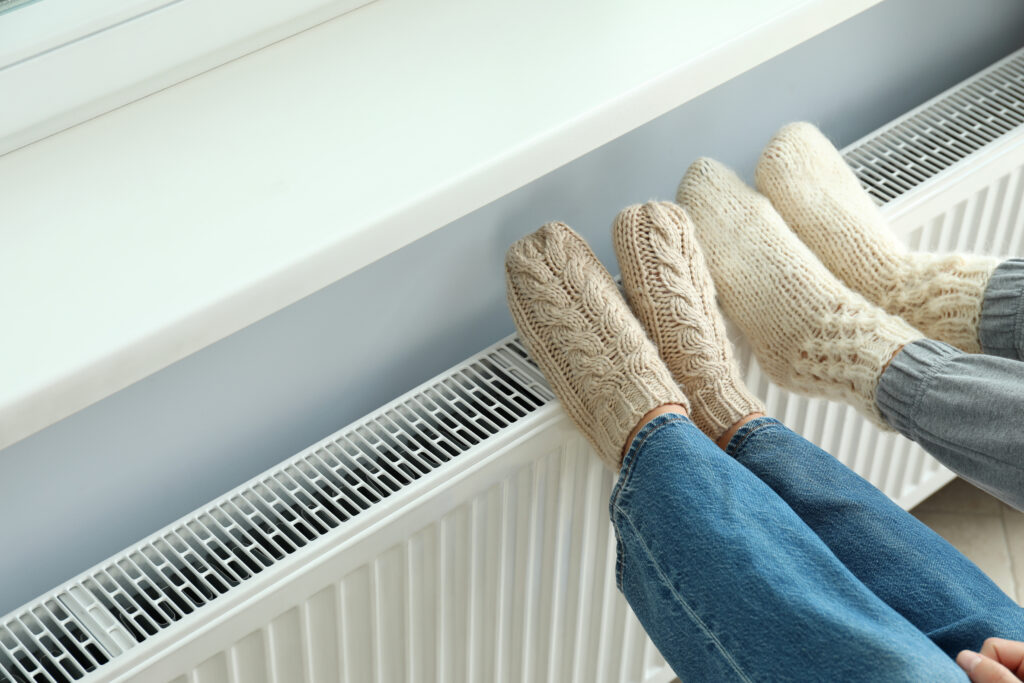
Furnaces, for example, heat air and distribute it through a series of ducts via blowers. Boilers warm water and deliver either hot water or steam to radiators or radiant flooring. Heat pumps, increasingly popular for their energy efficiency, work by transferring heat rather than generating it, and they can serve dual roles as both heating and cooling units.
When you’re buying a home in winter, you’re getting a front-row seat to the system’s performance. Unlike buying in summer, where heating systems often go untested, winter gives you real-time data: how quickly the home warms, how well the temperature is maintained, and whether there are any unusual noises or inefficient cycle patterns. Think of it as the difference between test-driving a car on city streets versus a mountain road. Winter shows you what the system is really capable of.
How Heating Systems Work Behind the Scenes
Each heating system has several integral parts working in tandem to keep your home warm. Furnaces, for instance, ignite fuel (either gas, oil, or electricity) to produce heat within a heat exchanger. Air passes over the exchanger, gets heated, and is pushed through ducts into the living spaces. The thermostat acts as the control hub, signaling the furnace when to start or stop based on the indoor temperature. Filters trap dust and debris, ensuring clean airflow throughout the home.
Boilers operate a bit differently. Water is heated in a tank using either gas or oil and then circulated through pipes to reach radiators or underfloor tubing. As the water cools, it returns to the boiler to be heated again in a closed-loop system.
Heat pumps function by absorbing heat from outside air (yes, even in winter) and releasing it inside. In colder climates, dual-fuel systems may combine a heat pump with a furnace for increased efficiency. Because of their versatility, heat pumps are becoming a smart, if climate-dependent, option for new homeowners.
Key Advantages of Evaluating Heating During Winter
The primary advantage of winter home buying is that it offers full transparency on a heating system’s operational state. You’ll notice if certain rooms aren’t getting enough heat or if the system struggles to maintain temperature. This insight is valuable in home inspections and may even give you negotiation leverage if repairs are needed.
Additionally, winter exposes drafts, insulation weaknesses, or faulty thermostats—elements that are often masked in milder weather. Perhaps more importantly, you can immediately determine the home’s energy efficiency. Does the system cycle frequently? Do bills spike higher than expected? These are red flags that may not appear in a pre-sale walkthrough during warmer months.
Another benefit? You’ll meet the heating system at its busiest. It offers you the exact conditions under which failures are most likely to occur. If it’s holding up well in January, you have good reason to believe it’s reliable year-round.
Common Heating System Drawbacks to Watch For
While functional, heating systems come with potential pitfalls, especially in older homes. Furnaces may suffer from dirty filters, malfunctioning thermostats, or flame sensor issues—all of which can reduce efficiency or, in worst-case scenarios, pose safety risks. Boilers are susceptible to leaks, trigger pumps that wear down over time, and sediment buildup in the tank. Heat pumps, though efficient, can be overwhelmed by severe cold without a secondary heat source.
Noise is also a key indicator. Banging, clanking, or whistling sounds signal that something’s off—perhaps a loose belt, clogged burner, or an imbalanced fan. Additionally, uneven heating across rooms, slow start-ups, or noticeably dry air may all point towards a system that’s aged or been poorly maintained. These risks don’t diminish the value of a home necessarily, but they should be accounted for—preferably with the protective cushion of a reliable home warranty.
Maintenance Tips for Long-Term Heating Health
The best way to extend the life and efficiency of your heating system? Routine maintenance. That includes replacing or cleaning filters every one to three months, scheduling annual inspections, checking and sealing air leaks, and ensuring your thermostat is accurately calibrated. For boiler systems, keep an eye on pressure levels, check for signs of corrosion, and bleed radiators when necessary.
For heat pump users, especially in colder regions, make sure you’re clearing snow and ice away from the outside unit, and use the defrost feature judiciously. Regardless of system type, maintenance isn’t just prudent—it’s essential. And it’s often what separates a reliable system from a major unexpected repair bill. That’s where the safety net of a home warranty proves its value.
How a Home Warranty Strengthens Your Winter Investment
There’s no perfect time of year to discover a failing heating system, but winter is certainly the most inconvenient. A home warranty steps in precisely when you need it most—if or when your heating system encounters a covered breakdown. Rather than paying full price out of pocket, a warranty helps cover repair or replacement, subject to your plan.
Buying a home in winter gives you a rare view of a system under pressure. That makes it the optimal time to pair your property investment with a comprehensive home warranty plan. Not only does it provide financial predictability, but it also offers logistical relief. No scrambling to research emergency HVAC technicians during a winter storm. Let your warranty provider coordinate repairs while you stay comfortably indoors.
Protect Your Comfort with Armadillo Home Warranty
A home’s heating system is the backbone of cold-weather comfort. Buying in winter allows you to see firsthand how that system performs when it’s needed most. But performance today doesn’t always guarantee reliability tomorrow. That’s why a home warranty from Armadillo can offer both practical protection and peace of mind. Whether you’re concerned about a silent thermostat, an aging boiler, or a noisy furnace—we’ve got you covered. Explore Armadillo’s flexible and fast-growing home warranty plans at www.armadillo.one, or start building your own custom plan in minutes by visiting our plan builder. Reliable coverage, expert support, and fewer surprises down the road—that’s the Armadillo way.