What Does It Mean to Winterize a House?
Every fall, millions of homeowners start thinking about the same thing: how cold is this winter going to be, and is my house actually ready for it? Winterizing a house refers to the process of preparing a home — its systems, structure, and appliances — to withstand cold weather conditions. The goal is to prevent damage caused by freezing temperatures, moisture intrusion, heat loss, and the general strain that winter puts on everything from your pipes to your roof. It is not a one-time task. It is a seasonal discipline that, when done right, protects both your comfort and your wallet.
How the Winterization Process Works
Winterizing a home typically involves a combination of weatherproofing, insulation upgrades, system inspections, and protective measures applied across multiple areas of the property. Think of it as a full-home audit with a cold-weather lens. You are looking at where heat escapes, where water can freeze and expand, where pests might sneak in through gaps you never noticed, and where mechanical systems might be running inefficiently. The process can be as simple as sealing a drafty window or as involved as draining an irrigation system and having your furnace professionally serviced. The scope depends heavily on your climate, the age of your home, and the specific systems you have installed.
The Most Critical Systems to Winterize
Not every part of your home faces equal risk in winter. Some systems are far more vulnerable to cold-weather damage than others. Knowing where to focus first can save you from costly repairs down the line.
- Plumbing and pipes: Frozen pipes are one of the most common and expensive cold-weather claims homeowners face. Exposed pipes in unheated spaces like garages, crawl spaces, and exterior walls are the most at risk.
- Heating systems: Your furnace or heat pump works harder in winter. A pre-season tune-up, filter replacement, and thermostat check are non-negotiable steps.
- Water heater: Cold groundwater entering your water heater forces it to work harder. Insulating the unit and checking the temperature setting can improve efficiency and extend its life.
- Roof and gutters: Clogged gutters lead to ice dams, which can cause significant roof and interior water damage. Clear them out before the first freeze.
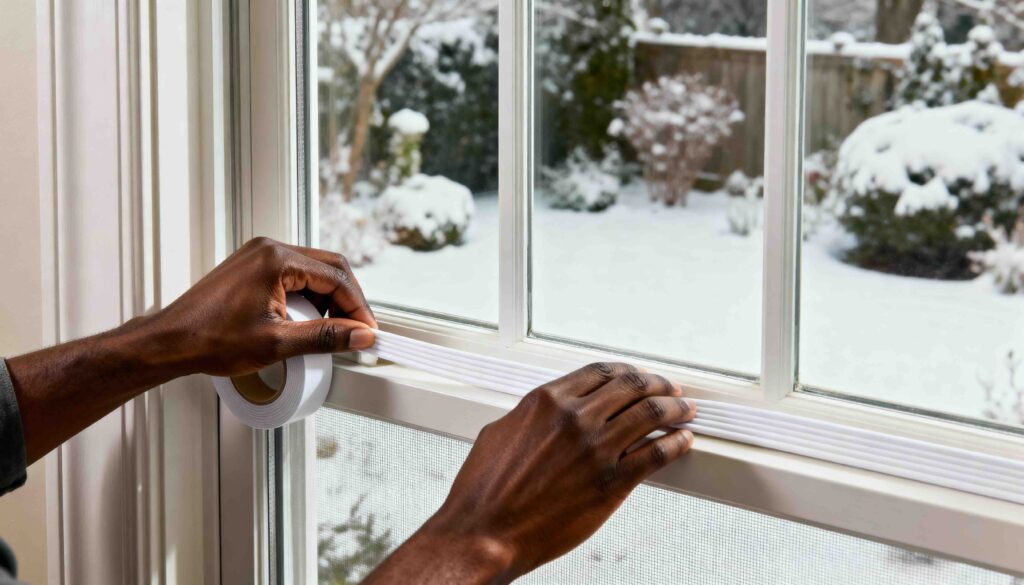
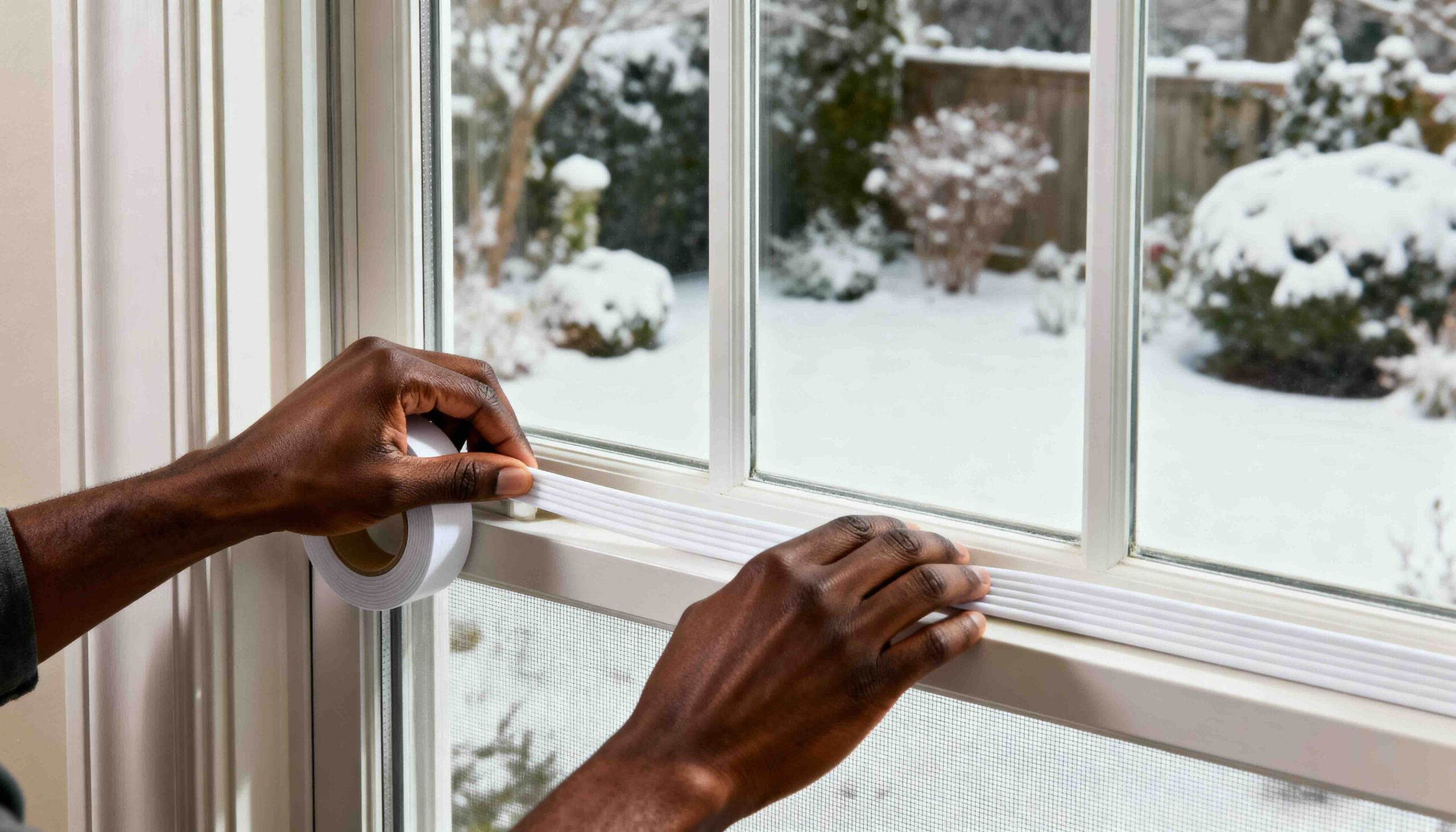
- Windows and doors: Drafts around frames are a major source of heat loss. Weatherstripping, caulk, and in some cases window insulation film can make a meaningful difference.
Key Advantages of Winterizing Your Home
The benefits of properly winterizing a home extend well beyond comfort, though staying warm certainly matters. Winterization reduces the likelihood of emergency repairs during the months when HVAC technicians and plumbers are busiest and most expensive to book. It also lowers monthly energy bills by reducing heat loss and improving system efficiency. Over time, consistent winterization extends the lifespan of major home systems and appliances because they are not being pushed beyond their design tolerances by extreme conditions. From a home warranty perspective, this is important too — coverage is most effective when the underlying systems are well-maintained, and winterization is a form of proactive maintenance that supports that standard.
Common Drawbacks and Limitations to Be Aware Of
Winterization is not without its complications. The process can be time-consuming, especially for larger homes or properties with older infrastructure. Some tasks require professional help, which adds cost. Homeowners in moderate climates sometimes skip winterization entirely, assuming mild winters do not pose real risk — but even a brief cold snap can freeze pipes in homes that have never been properly insulated. There is also the issue of inconsistency: doing a partial job one year and skipping certain steps the next creates gaps in protection that tend to surface at the worst possible moment. The other limitation worth acknowledging is that winterization addresses prevention, not repair. If something fails despite your best efforts, you still need a plan for covering those costs.

Winterizing Vacant and Seasonal Homes
If you own a vacation property, rental unit, or any home that sits unoccupied during winter months, the stakes are considerably higher. A vacant house has no one inside to notice a slow drip becoming a burst pipe or a heating system that quietly stops working overnight. For vacant homes, winterization typically goes further — draining the entire plumbing system, shutting off the water supply at the main valve, adding antifreeze to drain traps, and setting the thermostat to a minimum holding temperature around 55 degrees Fahrenheit. Some owners also invest in smart monitoring devices that send alerts for temperature drops, water leaks, or power outages. These tools are a reasonable investment when no one is physically present to catch problems early.
DIY Winterization vs. Hiring a Professional
Many winterization tasks are genuinely manageable for a motivated homeowner. Sealing gaps around windows and doors, replacing furnace filters, insulating exposed pipes with foam sleeves, disconnecting and draining garden hoses, and cleaning gutters are all tasks that require minimal tools and no specialized training. However, certain jobs should be handed off to professionals. Furnace inspections, chimney cleaning, roof assessments, and anything involving gas lines or electrical systems are areas where expertise and safety credentials matter. The rule of thumb is straightforward: if a mistake could result in injury, structural damage, or a voided warranty on a major system, hire someone qualified. The cost of a professional inspection is almost always less than the cost of the problem it prevents.
Practical Winterization Tips for Every Homeowner
Here is a condensed checklist of practical steps that apply to most homes, regardless of age or climate zone.
- Schedule furnace and heating system maintenance before peak demand season arrives in early fall.
- Inspect weatherstripping on all exterior doors and replace any sections showing wear or compression failure.
- Add insulation to your attic if the existing layer is inadequate — this is one of the highest-return improvements you can make for winter energy efficiency.
- Drain and store garden hoses, shut off exterior hose bibs, and cover them with insulated faucet covers.
- Test your smoke and carbon monoxide detectors, since heating systems produce combustion gases and winter is when detector failures have the most serious consequences.
- Check your sump pump before freeze season if your basement or crawl space is prone to moisture intrusion.
How Winterization Connects to Home Warranty Coverage
This is where things get practical from a financial planning standpoint. A home warranty is a service contract that covers the repair or replacement of major home systems and appliances when they break down due to normal wear and tear. Winterization and home warranty coverage are complementary — they work together rather than substituting for one another. Winterization reduces the frequency of breakdowns by keeping systems in good condition heading into their most demanding season. A home warranty steps in when a covered system fails anyway, because even well-maintained equipment eventually reaches the end of its service life or encounters an unexpected mechanical failure. Having both in place is one of the more rational approaches to managing home ownership risk.
Why Armadillo Is the Right Partner for Winter-Ready Homeowners
When you have done everything right — weatherstripped the doors, serviced the furnace, insulated the pipes — and something still breaks, the last thing you want is to navigate a complicated claims process or wonder whether your coverage actually applies. That is exactly what Armadillo’s home warranty protection for winterized homes and essential systems is designed to address. Armadillo offers straightforward, honest coverage that does not bury critical exclusions in fine print or require homeowners to prove routine maintenance before approving a claim. If you are heading into winter and want real protection behind your preparation efforts, now is the time to act — you can get a free home warranty quote built around your home’s specific systems and appliances in just a few minutes. Winterizing your home is the responsible move. Backing it up with the right coverage plan is the smart one.

Frequently Asked Questions About Winterizing a House
These are the questions homeowners ask most often when approaching winter home preparation for the first time or refining what they already do each year.
What does it mean to winterize a house?
Winterizing a house means taking a series of protective steps to prepare the home’s systems, structure, and appliances for cold weather. The process typically includes insulating pipes, servicing the heating system, sealing drafts, cleaning gutters, and addressing any vulnerabilities that freezing temperatures or winter moisture could exploit.
When should you start winterizing your home?
Most experts recommend beginning the winterization process in early to mid-fall, before temperatures drop consistently below freezing. Starting early gives you time to schedule professional services, which tend to book up quickly as the season approaches.
How much does it cost to winterize a house?
Costs vary widely depending on the size of the home, its current condition, and how much of the work is done professionally. Basic DIY winterization can cost under one hundred dollars. Full professional winterization for a larger home, including furnace service and plumbing inspection, can range from several hundred to over a thousand dollars.
Can frozen pipes burst even in a heated home?
Yes. Pipes located along exterior walls, in unheated garages, or in poorly insulated crawl spaces can freeze even when the interior of a home is heated. The temperature inside those specific spaces matters more than the thermostat reading in the living room.
Does a home warranty cover damage from frozen pipes?
Home warranties typically cover the repair or replacement of plumbing systems that fail due to normal wear and tear. Damage specifically caused by freezing may fall under homeowners insurance rather than a home warranty, depending on the policy terms. Reviewing both your warranty contract and insurance policy is the clearest way to understand your specific coverage.
Is winterization necessary in warmer climates?
Even homes in mild or warm climates benefit from basic winterization. Occasional cold snaps in regions not accustomed to freezing temperatures can cause significant pipe damage precisely because homes in those areas are often built with minimal insulation around plumbing. Brief but intense cold events have caused widespread damage in southern states in recent years.
What is the most important step in winterizing a home?
Protecting the plumbing system is widely considered the highest priority because frozen and burst pipes can cause some of the most severe and costly damage in a home. Pipe insulation, proper thermostat settings, and knowing where your main water shutoff is located are foundational steps.
Does winterization affect home warranty coverage eligibility?
Home warranties generally require that covered systems be properly maintained to remain eligible for coverage. Winterization is a form of maintenance, and keeping records of seasonal service — such as furnace tune-ups and plumbing inspections — supports your position if a claim is ever questioned.
How do you winterize a house that will be vacant all winter?
For a vacant home, winterization typically involves draining the entire plumbing system, shutting off the main water supply, adding antifreeze to drain traps, maintaining a minimum interior temperature, and installing monitoring devices to alert you to temperature drops or water intrusion events remotely.
What is an ice dam and how does winterization prevent it?
An ice dam forms when heat escaping from the home’s interior melts snow on the roof, which then refreezes at the colder roof edges, creating a barrier that traps water. Proper attic insulation, adequate ventilation, and clean gutters are the primary preventive measures that winterization addresses to reduce ice dam formation.