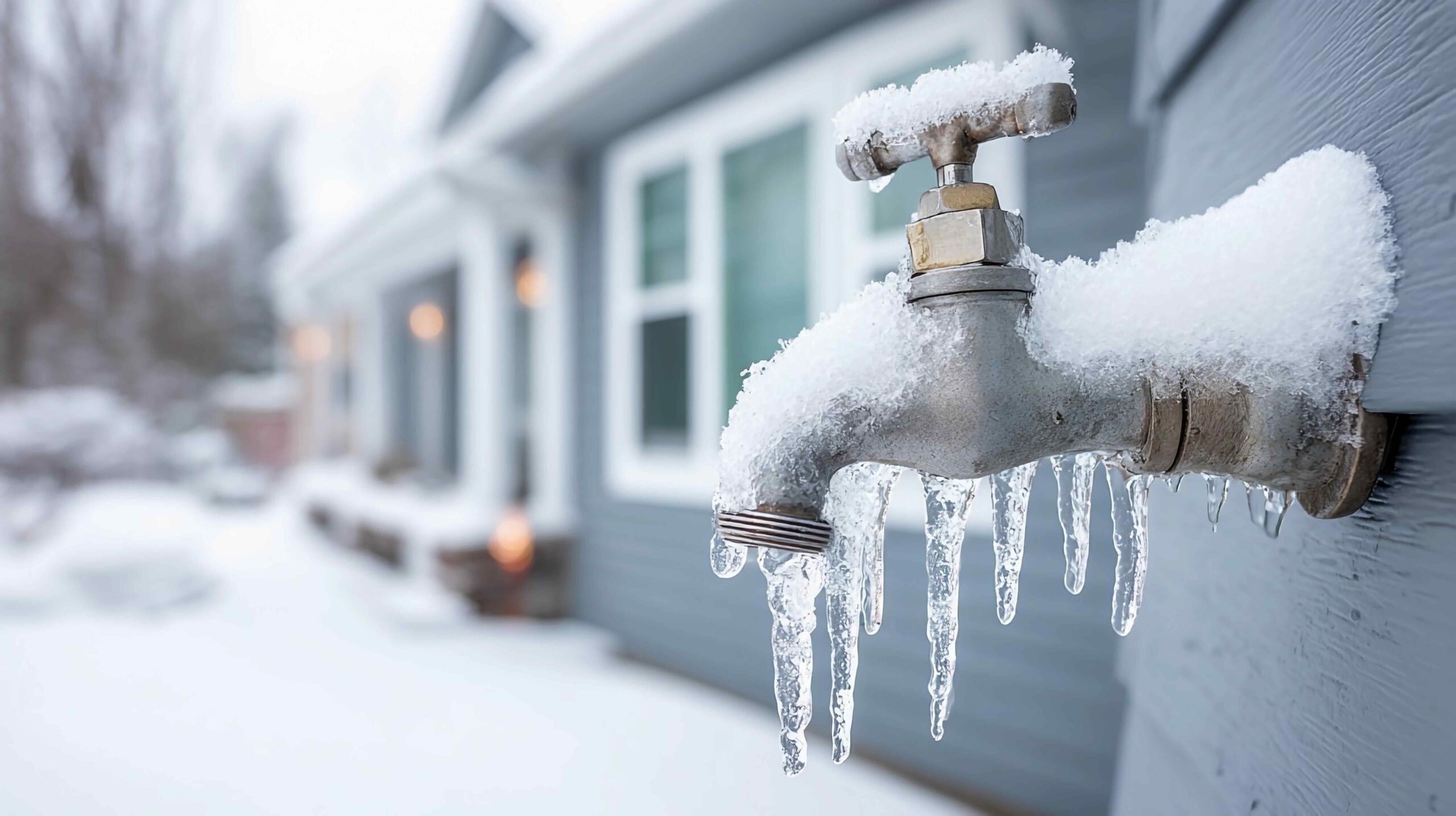
How to Protect Your Outdoor Plumbing and Garden Systems from Winter Freezes
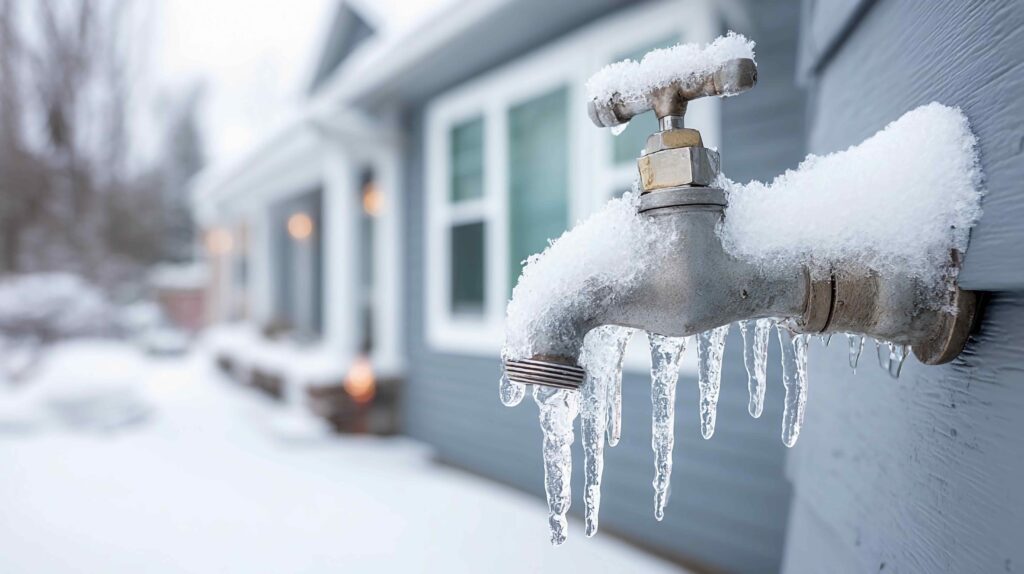
When the temperature drops, your garden beds aren’t the only things at risk. Outdoor plumbing, irrigation lines, hose bibs, and spigots are vulnerable to freezing and bursting—leading to costly repairs, water damage, and major inconvenience. Whether you’re a new homeowner or a seasoned green thumb, understanding how to protect your exterior plumbing from frost is a practical skill worth mastering, especially if you live in a region where winter evenings routinely dip below freezing.
Understanding Outdoor Plumbing Systems
While largely invisible during everyday use, your outdoor plumbing system supports a variety of functions. This includes water lines for garden irrigation, sprinkler systems, outdoor sinks, and hose bibs. These components draw from your home’s main water supply but are exposed to a much less controlled environment. Unlike indoor pipes, which are better insulated and often protected by interior heat, outdoor plumbing is especially susceptible to freezing temperatures.
Most homes have hose bibs or outdoor spigots, and many include more complex irrigation or drip systems. These systems use long, narrow supply lines that run underground or along exterior surfaces to deliver water where it’s needed. When water freezes inside those lines, it expands, increasing the likelihood of cracks or blowouts. Because frost damage often goes unnoticed until thawing occurs, prevention—not repair—is the smarter route.
How Garden Frost Protection Works
Garden frost protection aims to keep water from freezing inside pipes and fixtures. This is typically accomplished by draining systems before cold weather sets in and by insulating exposed components. Thermal insulation sleeves, frost-proof hose bibs, backflow preventers, and smart irrigation shut-off valves can work together to shield your system from cold extremes.
More advanced systems may include smart temperature sensors that trigger automatic shutoff valves or insulation wraps. These tools are designed to reduce the risk of cracked fittings and costly springtime leaks. Most irrigation professionals recommend a full winterization process in climates where winter temperatures routinely drop below 32℉, and the process usually involves draining water lines, blowing out sprinklers with compressed air, and insulating vulnerable connections.
Key Benefits of Winterizing Outdoor Hose Bibs and Irrigation Lines
The practical advantages of frost protection extend beyond damage control. First and foremost, proper winterization saves money—by preventing cracked systems that otherwise require partial line replacement or emergency plumbing services. A burst outdoor pipe can cost hundreds, sometimes thousands, to locate, access, and repair.
Second, frost protection helps your home maintain plumbing efficiency throughout the year. Lines that freeze and thaw repeatedly—even if they don’t break—can degrade over time, leading to future failures. Third, winterizing your exterior water systems can safeguard connected indoor plumbing, particularly in slab homes where outdoor water lines may feed into interior walls.
Homeowners who actively protect their outdoor systems also preserve the lifespan of irrigation components. Sprinkler heads, valves, control manifolds, and drip line filters are sensitive to pressure changes caused by frozen water pockets. Preventing damage means less maintenance and longer-lasting landscapes.
Potential Drawbacks of Outdoor Frost Protection Systems
No method is infallible. Frost protection requires proactive effort and investment, which can be discouraging for some homeowners. Insulating, wrapping, or draining outdoor systems may seem unnecessary in regions that only rarely experience frost. And where systems are large or professionally installed, winterizing can take time—or carry a seasonal maintenance cost if managed by a landscaping team.
Another consideration involves system complexity. Smart systems and automated backflow prevention devices require electricity, batteries, or regular calibration. If neglected, they may not function when needed most. Additionally, once systems are shut down or drained for the winter, access to outdoor water is limited. This means activities like winter planting, cleaning, or outdoor construction may require extra planning.
Signs That Your Outdoor Plumbing Is Not Protected
Discovering frost damage only after it has occurred is unfortunately common. Homeowners often notice cracked spigots or damp masonry when spring returns. But other warning signs can appear earlier. If your hose bib won’t fully close, if you notice decreased water pressure in irrigation zones, or if outdoor faucets seem unusually stiff or brittle, it may be a signal of internal pressure caused by ice. Water pooling around valve boxes or persistent mold near an exterior wall can also indicate leaks below ground stemming from frozen lines.
If your home was recently built, check whether your hose bibs are labeled as frost-free. If not, replace them or install insulated covers. If you inherited your irrigation system from a prior homeowner, ask for any winter maintenance instructions or consult a licensed irrigation technician for winterization advice. Regular visual inspections—particularly after the season’s first freeze—can catch issues early and minimize damage.
Practical Winterizing Tips for Homeowners
Begin by disconnecting all hoses and accessories from outdoor faucets. Even an attached hose can trap water in the spigot and lead to freezing. Install insulated faucet covers or upgrade to frost-free models that feature a built-in shutoff located further inside the home’s insulated wall cavity.
For in-ground sprinkler systems, turn off the water supply at the main irrigation valve. Drain water through the drain valves or use an air compressor to blow out residual water. Follow manufacturer-specific guidelines, especially for smart irrigation timers—some need to be powered down or disconnected entirely during winter.
Wrap exposed pipes or above-ground lines with foam insulation sleeves secured with weatherproof tape. Portable heat cables or thermostatically controlled pipe heaters may be appropriate for climates prone to severe cold snaps. If you are not confident in your approach, consult a licensed professional. These systems can seem deceptively simple but are highly interconnected with your home’s core plumbing infrastructure.
Why Winter Pipe Damage Matters for Your Home Warranty
Outdoor plumbing systems fall into a gray zone in many home warranties. While interior pipe freezes are often covered under certain conditions, exterior lines, irrigation systems, and hose bibs might not be. However, damage to these systems can indirectly lead to real problems inside the home—mold from hidden leaks, foundation softening from pooled water, or even structural weakening.
Homeowners with comprehensive warranty protection benefit from having a service plan that gives clarity and coverage during these colder months. Warranties that include plumbing systems provide peace of mind when surprises emerge in spring. Even if purely exterior components aren’t covered, preventing damage upstream can stop a covered breakdown inside the home.
Protect Your Plumbing Investment with Armadillo
If you’re concerned about your outdoor plumbing making it through another winter unscathed, a home warranty from Armadillo can offer real protection and peace of mind. With customizable plans that include plumbing systems and helpful support from our expert service team, you can safeguard your investment and enjoy worry-free seasons ahead. We take a modern, transparent approach to home warranty coverage—making it easy to understand what’s protected and how claims are handled. Visit Armadillo.one to learn more, or get started today by building a custom quote at this link.