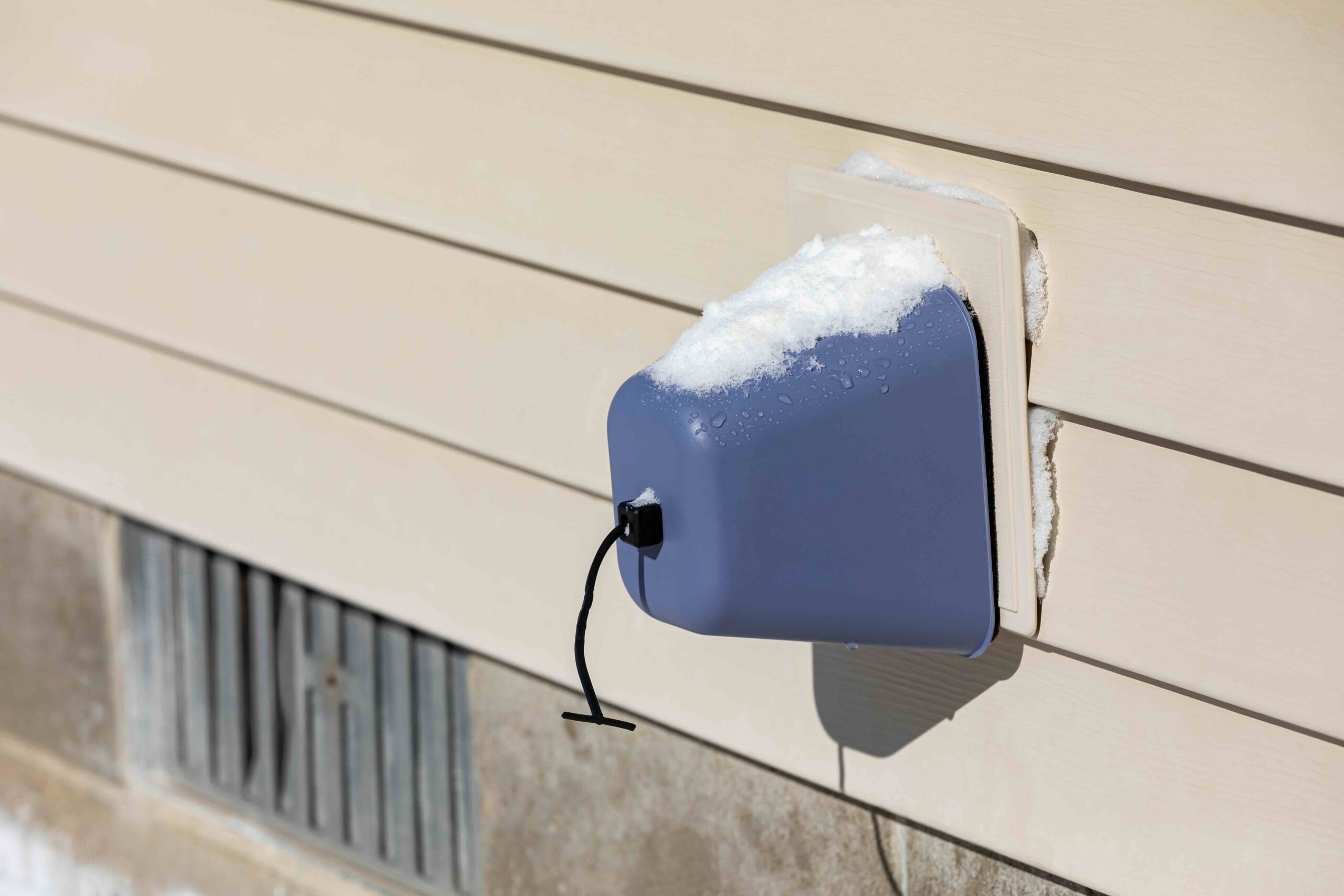
Why Winterizing a Vacant Home Is One of the Smartest Things You Can Do
Leaving a home vacant during the winter months is a bit like leaving a car running in an empty parking lot. Things can go wrong in ways you never expected, and there is nobody around to catch the problem before it becomes a catastrophe. Whether you own a seasonal property, a home that is between tenants, an estate property in transition, or a second home you only visit occasionally, winterizing that vacant space is not optional. It is essential. The good news is that the process is well understood, reasonably straightforward, and when done properly, it can save you from some of the most expensive home repairs imaginable.
What Winterizing a Vacant Home Actually Means
Winterizing a vacant home refers to the process of preparing a property to withstand cold weather conditions without active occupancy or ongoing climate control. This goes well beyond turning down the thermostat before you leave. True winterization involves draining water from pipes and fixtures, shutting down or protecting key home systems, securing the property against weather infiltration, and setting up conditions that reduce the risk of freeze damage, moisture intrusion, mold growth, and structural deterioration. Think of it as putting a home into a kind of protective hibernation mode. When done correctly, the home emerges in spring the same way you left it, maybe even better for having had some deferred maintenance addressed proactively.
How the Winterization Process Works Step by Step
The winterization process generally follows a logical sequence that moves from the largest systems down to the smallest details. Here is a general overview of what a thorough winterization involves:
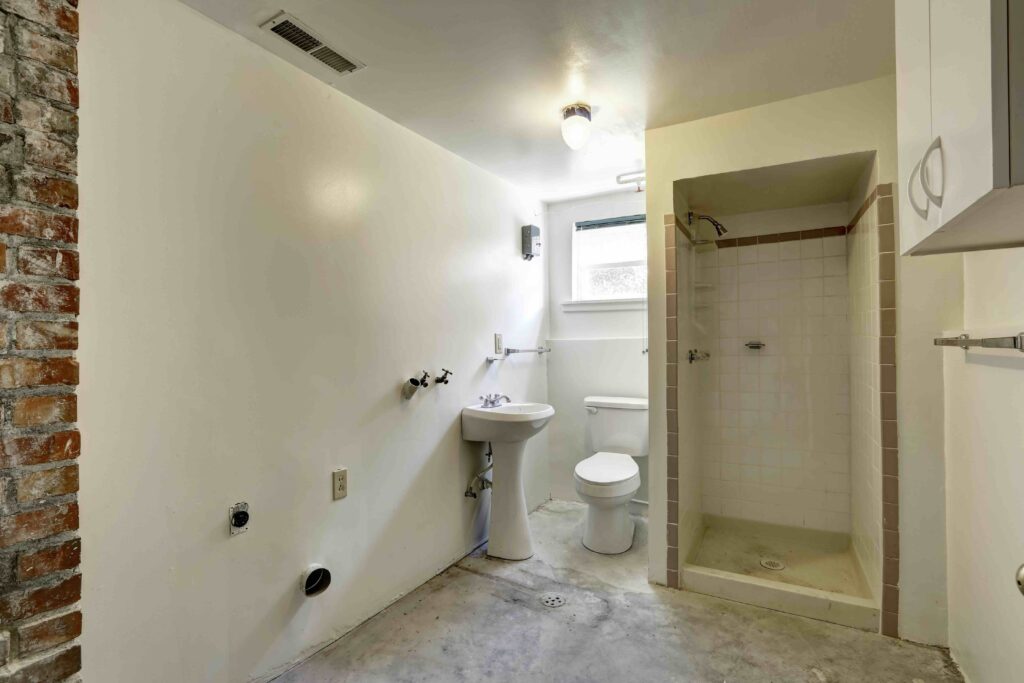
- Shut off the main water supply and drain all pipes, including supply lines, drain lines, and fixture traps
- Flush and drain the water heater to prevent sediment buildup and tank cracking from residual water
- Add non-toxic antifreeze to toilet bowls, P-traps, and floor drains to prevent evaporation and freeze cracking
- Turn off the HVAC system or set it to a frost-protection setting, typically no lower than 55 degrees Fahrenheit if heating is maintained
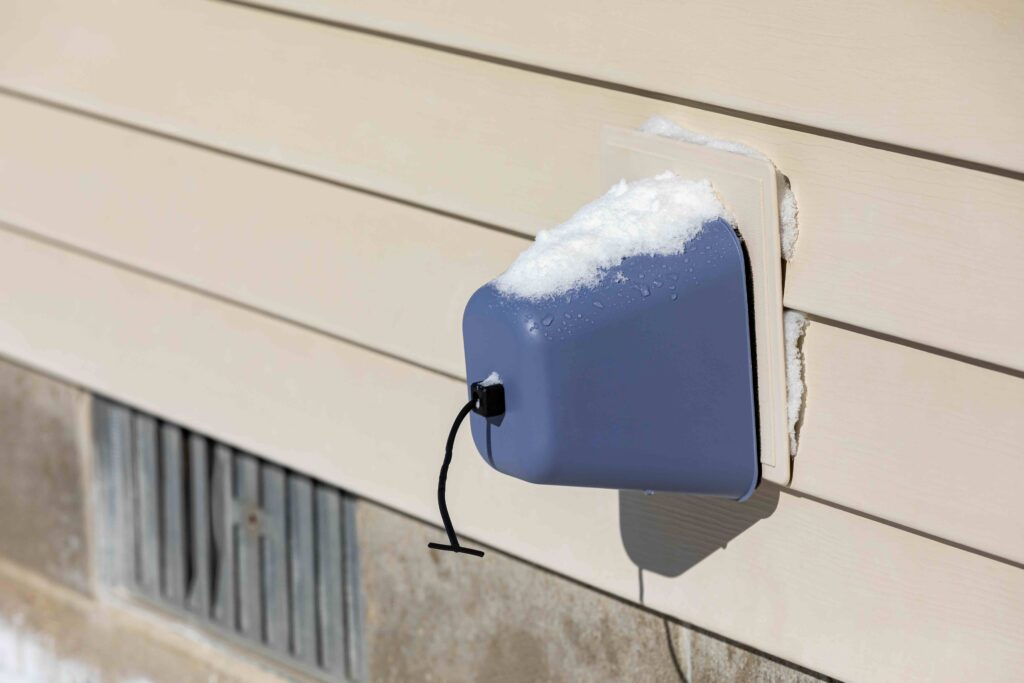
- Seal any gaps, cracks, or openings where cold air or pests can enter the structure
- Disconnect and store garden hoses, drain outdoor faucets, and shut off exterior water supply valves
- Inspect the roof, gutters, and foundation for vulnerabilities that winter weather could exploit
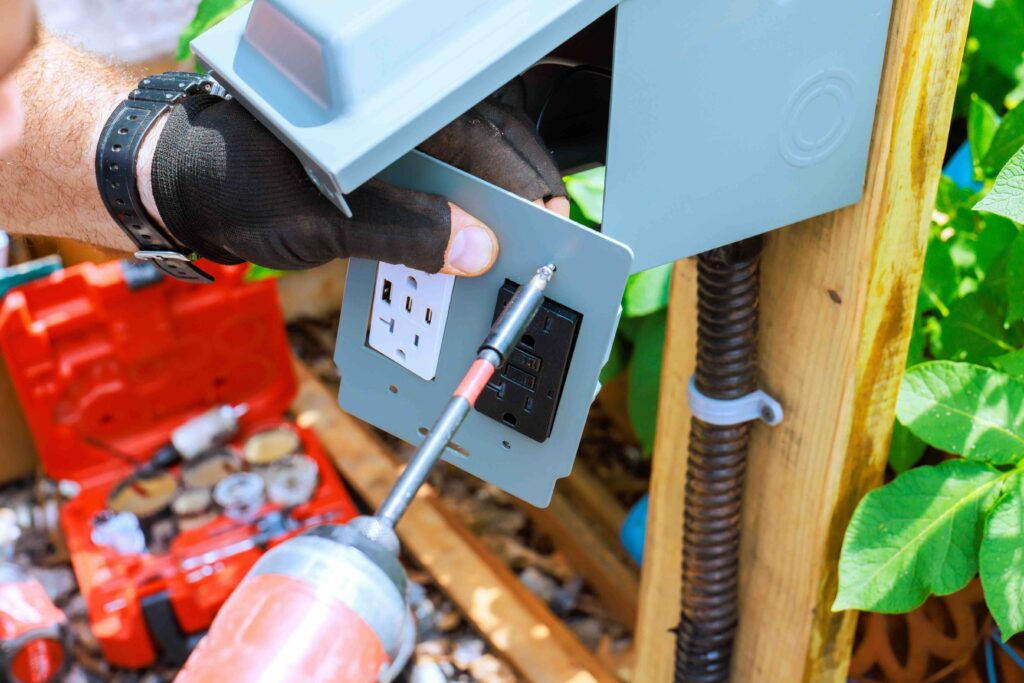
- Turn off non-essential electrical circuits at the breaker panel and unplug appliances
The Biggest Threat: Frozen and Burst Pipes
Ask any restoration contractor what they see most often after a cold snap hits a vacant home and the answer will almost always be the same: water damage from burst pipes. When water freezes inside a pipe, it expands with tremendous force, enough to split copper, crack PVC, and blow fittings completely apart. The damage that follows when that water thaws and releases can be staggering. Flooring buckles, drywall saturates, insulation becomes useless, and mold can establish itself within 24 to 48 hours of water intrusion. A single burst pipe in a vacant home that goes undetected for days or weeks can result in tens of thousands of dollars in repairs. Proper pipe draining and antifreeze application are the most critical steps in the entire winterization process, full stop.

Key Advantages of Properly Winterizing a Vacant Property
The benefits of winterizing a vacant home extend well beyond simply avoiding burst pipes. A thoroughly winterized home is a protected investment in the most literal sense. When the water supply is shut off and antifreeze is applied correctly, you eliminate the primary source of catastrophic interior damage. When the HVAC system is properly set or safely disabled, you reduce fire risk and unnecessary energy consumption. Sealing the home against drafts and moisture intrusion protects insulation, structural framing, and finished surfaces. And when you address the exterior, including gutters, roof flashing, and foundation gaps, you dramatically reduce the chance of discovering unpleasant surprises come spring. Financially speaking, winterization costs are almost comically small compared to the cost of remediation after a freeze event. The average professional winterization service runs a few hundred dollars. A water damage restoration job can easily run into the five-figure range.
Common Drawbacks and Limitations to Know About
Winterization is not a magic shield, and it does have its limitations. If the process is done incorrectly or incompletely, the protection it offers is significantly reduced. Antifreeze that is added in the wrong concentration or placed in the wrong locations can still allow freeze damage to occur. Pipes that are drained but not fully cleared of water can still crack. Homes that are winterized but not regularly inspected can develop pest infestations, moisture issues, or roof damage that goes unnoticed for months. Additionally, some home warranty providers consider a vacant or unoccupied home to be a modified risk, which may affect what is covered under an active plan. It is always worth reading your coverage documents carefully and consulting your provider when a property transitions from occupied to vacant status.
Should You Hire a Professional or Do It Yourself
For many homeowners, the DIY approach to winterization is genuinely viable. If you are comfortable locating your main shutoff, understand how to use a wet-dry vacuum to clear supply lines, and know how to add antifreeze to your drain traps correctly, you can execute a solid winterization without professional help. However, if your property has a complex plumbing configuration, a radiant heat system, an irrigation system, or any mechanical equipment with specific shutdown procedures, bringing in a licensed plumber or HVAC technician is worth the investment. They know where water hides in systems that homeowners often overlook, and their work can often be documented, which matters if a warranty or insurance claim ever becomes relevant.
Maintaining a Winterized Home Through the Season
Winterizing a home is not a one-time action you forget about until spring. Even a properly winterized vacant property benefits from periodic check-ins throughout the cold season. At minimum, plan to inspect the property once a month. During each visit, check for signs of moisture intrusion, pest activity, roof damage after major storms, and any issues with the doors, windows, or foundation. If you are maintaining minimal heat in the home, verify that the thermostat and heating system are functioning as expected. Letting someone you trust, a neighbor, a property manager, or a caretaker, have access and a standing request to keep an eye on things is one of the smartest decisions you can make for a vacant property in winter.
How Home Warranty Coverage Fits Into the Vacant Home Picture
This is the part that often surprises homeowners. A home warranty plan covers the mechanical failure of home systems and appliances due to normal wear and tear, and that protection does not necessarily pause just because the home is temporarily vacant. However, coverage specifics vary by provider and by plan. Some plans may have exclusions or requirements tied to vacancy status, particularly around the duration of vacancy and whether the home remains in a maintained condition. The key takeaway here is that a home warranty can be a meaningful layer of financial protection even for a home that is between occupants, provided the terms are understood and any required conditions such as basic climate maintenance are being met. Winterization and warranty coverage work best when they are coordinated, not treated as separate considerations.
Why Armadillo Belongs in Your Vacant Home Protection Strategy
When you are taking the time to winterize a vacant property properly, it makes sense to pair that effort with a home warranty partner that actually understands what homeowners need. Armadillo home warranty coverage for vacant and seasonal properties is built around transparency, straightforward terms, and real support when something goes wrong with a covered system or appliance. There are no confusing fine print surprises and no runaround when you need to file a claim. If you are managing a property through the winter and want to know exactly what kind of mechanical protection you have on the other side of the cold season, the smartest move is to get a free home warranty quote for your vacant or secondary property today and see what a plan actually looks like for your specific situation. Winterization protects your pipes. Armadillo protects what is connected to them.

Frequently Asked Questions About Winterizing a Vacant Home
These are the questions homeowners ask most often when preparing a vacant property for winter. The answers are meant to be direct and practical so you can take action with confidence.
What temperature should I keep a vacant home at during winter?
If you are maintaining heat in the home, keep the thermostat set to a minimum of 55 degrees Fahrenheit. This threshold provides a buffer against interior temperatures dropping low enough to freeze pipes while keeping energy costs manageable.
Is it better to drain the pipes or keep the heat on in a vacant home?
Draining the pipes is the more reliable method, particularly for extended vacancies or properties in regions with severe winter temperatures. Keeping the heat on introduces dependency on an unmonitored mechanical system, which carries its own risks if the system fails while no one is present.
How long does it take to properly winterize a vacant home?
A thorough DIY winterization of a standard single-family home typically takes between two and four hours. A professional service may complete the process faster, often in one to two hours, and will include documentation of the work performed.
What kind of antifreeze should be used in pipes and drains?
Only non-toxic, propylene glycol-based antifreeze approved for plumbing use should be added to drain traps, toilet bowls, and similar fixtures. Never use automotive antifreeze, which contains ethylene glycol and is harmful to humans and the environment.
Does a home warranty cover damage from burst pipes in a vacant home?
Home warranty plans generally cover mechanical failures due to normal wear and tear, not sudden damage events like burst pipes from freezing. Sudden water damage is typically the domain of homeowners insurance. That said, reviewing your specific warranty terms with your provider is always the right call.
Can a vacant home still have an active home warranty?
Yes, a home warranty can remain active on a vacant property. However, some providers include conditions around vacancy periods or property maintenance requirements. Always disclose the occupancy status to your warranty provider to confirm your coverage is not affected.
What happens if I skip winterization and the pipes freeze?
Frozen and burst pipes in an unoccupied home can cause extensive water damage that may go undetected for days or weeks. Repair costs can range from several thousand dollars for isolated pipe repairs to tens of thousands for full remediation of water-damaged flooring, walls, and structural materials.
Do I need to winterize a home if it is only vacant for a few weeks?
Even a short vacancy during a cold weather period carries risk. If temperatures in your region are expected to drop significantly while no one is home, partial winterization steps such as shutting off the water supply and setting a frost-protection thermostat temperature are strongly recommended regardless of the duration.
What exterior areas should I check before winterizing a vacant home?
Inspect and clean gutters to prevent ice dams, check roof flashing and shingles for vulnerabilities, drain and store garden hoses, shut off exterior hose bibs, and seal any visible gaps in the foundation, siding, or around utility penetrations to prevent cold air and pest intrusion.
Should I notify my homeowners insurance company when a home becomes vacant?
Yes, absolutely. Most standard homeowners insurance policies include vacancy clauses that may limit or void coverage after a property has been unoccupied for a defined period, commonly 30 to 60 days. Notifying your insurer and potentially adding a vacancy endorsement ensures your coverage remains valid throughout the vacancy period.