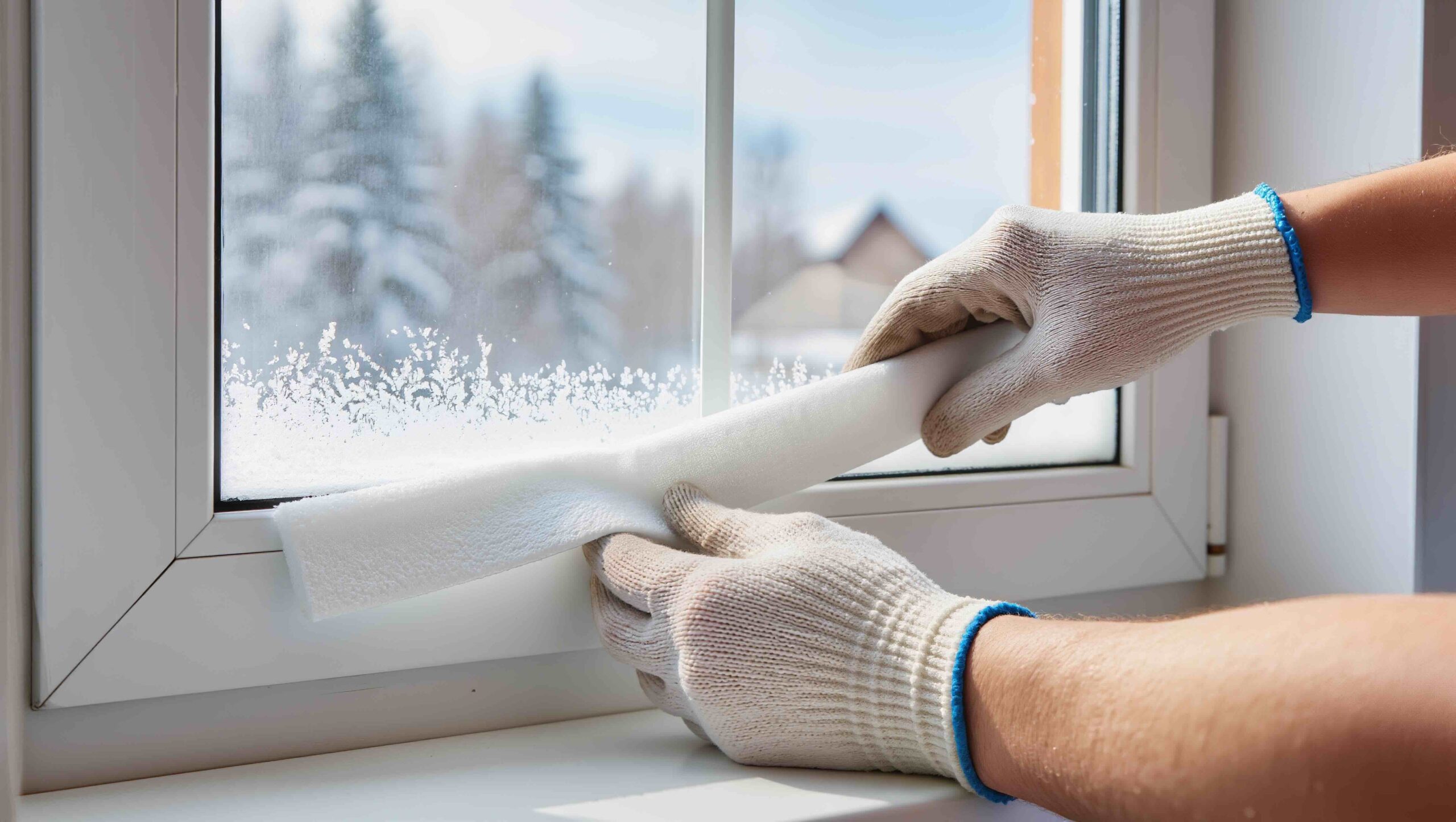
Protecting Your Investment: Winterizing Your Home the Right Way
As colder temperatures settle in, homeowners across the country begin to think about winterizing their homes. But what does winterization really mean, and why should it be on your seasonal checklist? Whether you’re preparing for holiday guests, closing up a vacation property, or simply trying to avoid frozen pipes and high energy bills, winterization is a smart—and necessary—step toward protecting your home. This comprehensive guide explores the what, the how, and the why of home winterization, with clear insights into its essential role in safeguarding your home’s systems and appliances, especially through the lens of home warranty protection.
Understanding Winterization and Its Value
Winterization is the process of preparing your home and its systems for the drop in temperature that accompanies winter months. The goal is straightforward: prevent damage, maintain efficiency, and ensure comfort. This means insulating pipes, sealing gaps, servicing HVAC systems, and taking steps to keep water lines from freezing. In more seasonal climates, it can also mean fully shutting down systems in vacation homes or properties that won’t be occupied during the winter months. When executed properly, winterization preserves the integrity of your property and adds another layer of resistance against unexpected, often costly repairs.
How Winterization Works on a Systems Level
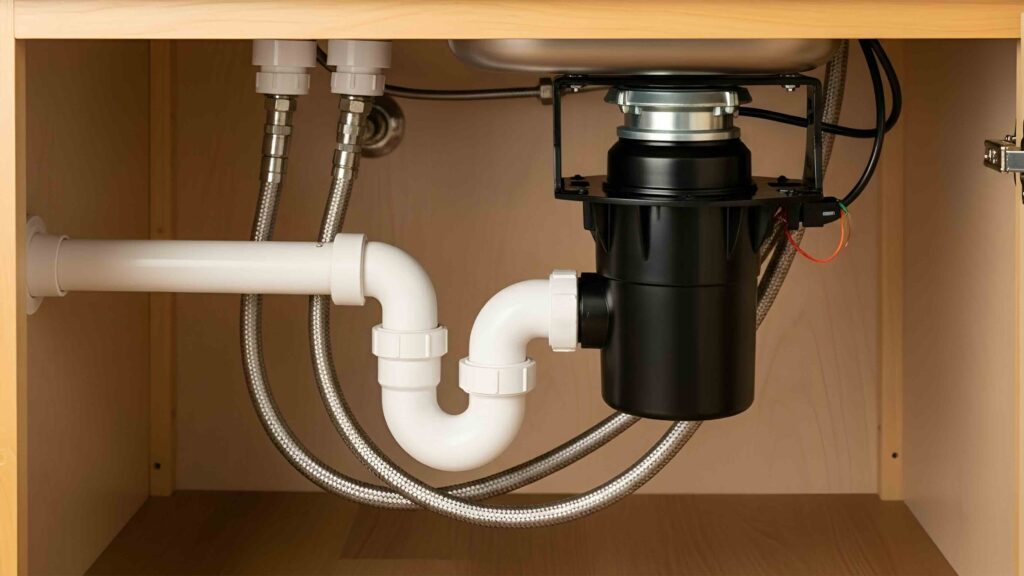
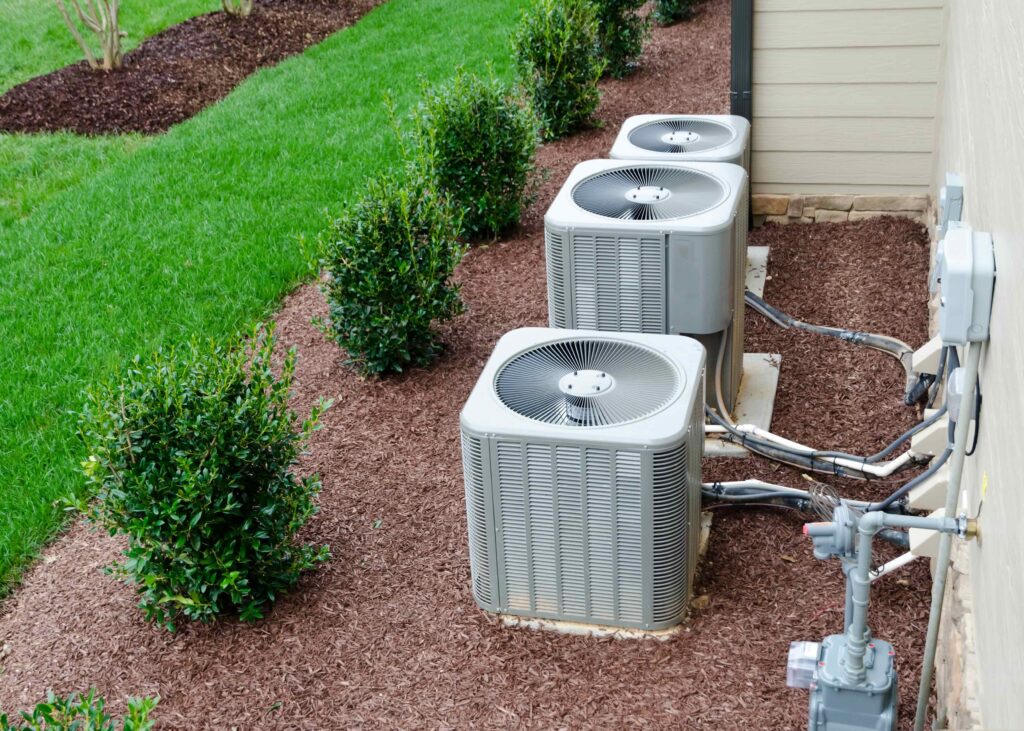
Let’s start with plumbing—the most vulnerable part of any home during a freeze. Water expands when it turns to ice, and if trapped inside pipes, this simple molecular shift can lead to burst lines, flooding, and structural damage. Winterization involves draining these lines or keeping them insulated and flowing consistently with minimal energy loss. Your HVAC system is another focus. Furnaces and ductwork need to be cleared and serviced to sustain optimal heating, prevent breakdowns, and keep energy costs manageable.
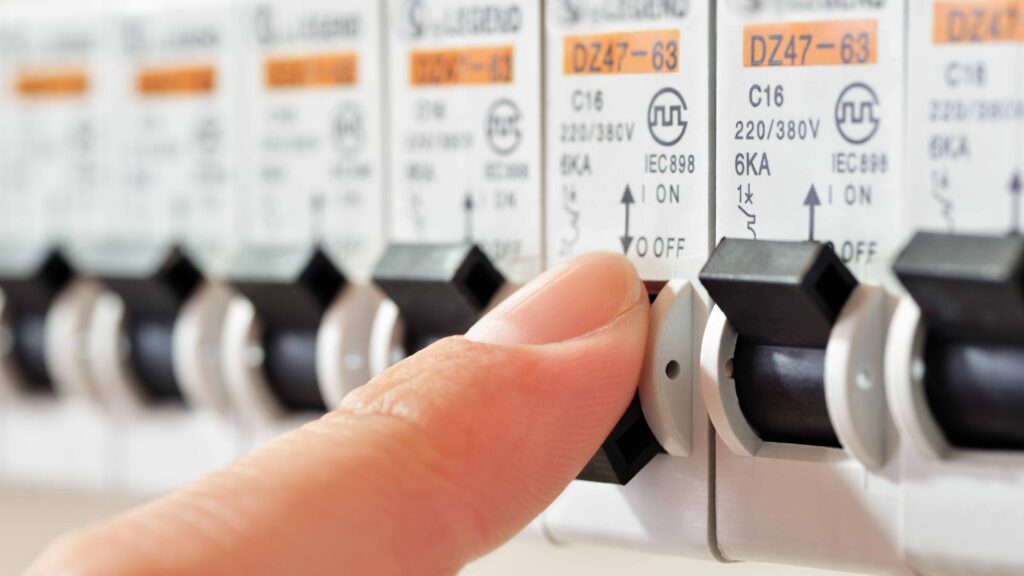
Roofs and exterior insulation are equally vital. Missing shingles or cracked siding can let heat out and cold in, reducing your home’s efficiency. Air leaks around windows, doors, or crawlspaces may seem minor, but over a season, they can cause your heating system to work overtime—shortening its lifespan and spiking your monthly bill. Electrical systems are worth checking, too, especially during the longer periods of lighting and heating usage that winter brings. A simple loose wiring issue compounded by increased usage can escalate into a costly repair without warning.
The Home Warranty Connection: Why It Matters
Home warranties provide valuable coverage for your essential home systems and appliances—but like any agreement, coverage comes with responsibilities. Most home warranty providers, including Armadillo, expect reasonable preventive maintenance efforts from homeowners. Winterization is one of those efforts. Neglecting to winterize your home could result in damage that’s not covered under a service contract, such as burst pipes due to freezing when precautions weren’t taken. By staying on top of seasonal maintenance, you not only extend the usefulness of your home’s core systems and appliances but also maintain eligibility for covered repairs.
If your furnace gives out in January or your water heater cannot keep up with demand, having a warranty plan in place ensures you’re not scrambling in cold weather to find a technician or pay out-of-pocket for emergency fixes. Winterization and home warranties function best as partners—one prevents avoidable damage, the other steps in when wear and technical failure occur despite your efforts.
Benefits of Prioritizing Winterization
The biggest advantage of winterizing your home is risk mitigation. When the cold sets in, mechanical systems are stressed. Proper preparation helps those systems survive the season without major incidents. You’ll also see tangible financial benefits—lower energy usage, decreased repair bills, and even extended lifespans for larger appliances and heating technology. Your home becomes safer, too. Carbon monoxide issues, electrical fire risks, and even water-related mold growth can all be exacerbated by poor seasonal prep.
For homeowners with second properties or investment homes, winterization is non-negotiable. A plumbing leak or HVAC failure in an empty home can go unnoticed for days—sometimes weeks. Winterization acts as a layer of dormant security, ensuring nothing deteriorates without your knowledge. And for primary homes, it improves comfort as well. There’s a tangible difference between a home prepared for winter and one left to react to it. Excess moisture, drafty interiors, and uneven heating are all signs maintenance was skipped. A properly winterized home simply performs better in January than an unprepared one does.
Common Drawbacks and Misconceptions
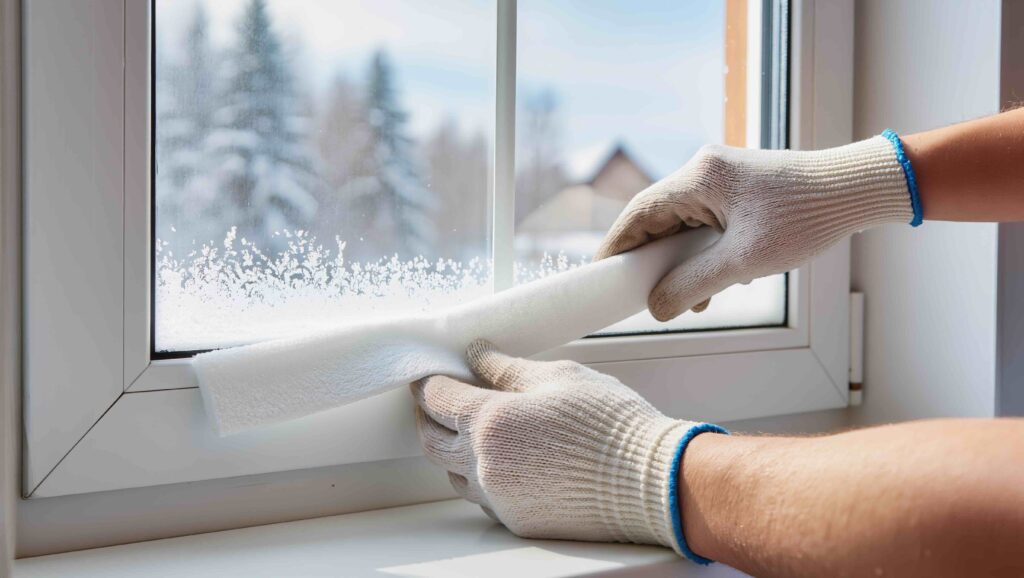
One of the most frequent hesitations homeowners express is the perceived cost or complexity of winterizing. While there are certainly professional upgrades that can run high on investment—think new insulation or furnace replacement—many core winterization tasks are low-cost and manageable on your own. Tasks like applying weatherstripping, draining sprinkler lines, or wrapping exposed pipes require minimal tools and no specialized skill.
Another misconception is that winterization is only necessary in extremely cold climates. In reality, any region that dips below freezing, even briefly, benefits from seasonal protection. It’s also not just a plumbing concern. HVACs, water heaters, roofs, and chimneys all endure heavy-use cycles in winter, and all are vulnerable to failure without preventive upkeep. Skipping winterization to save time or cost short-term often backfires with significant repairs later.
Practical Tips for Effective Winterization
If you’re unsure where to begin, start with an inspection. Your utility company may offer free or low-cost energy audits. Once you’ve identified areas of weakness—drafty basements, old insulation, aging furnace—you can prioritize upgrades or schedule necessary maintenance. Replace filters in HVAC units, bleed outdoor spigots, and insulate attics and basements where heat loss is most common. Touch base with a contractor for larger projects like chimney sweeping or roof repair. Even scheduling a thermostat calibration can make a significant difference in comfort and efficiency during the colder months.
Record your maintenance work and keep receipts. Not only does this documentation help with warranty claims if something goes wrong, but it also gives you a record of your home’s upkeep history. This is especially useful if you ever plan to sell the property, as prospective buyers often ask about the condition and seasonal maintenance of home systems before committing.
Smart Winterization and the Armadillo Advantage
Winterizing your home isn’t just a seasonal checklist—it’s a year-over-year strategy rooted in protecting what you own. When you pair that with a smart home warranty provider like Armadillo, you get more than peace of mind; you get hands-on support when your systems and appliances need it most. With customizable plans that let you choose the coverage you need, Armadillo is the new standard for flexible, transparent home protection. Don’t wait for something to break in the middle of a snowstorm—be proactive today. Learn more at https://www.armadillo.one or go straight to building your personalized plan at https://app.armadillo.one/plan-builder?current=zip.