Winterizing Your Home: How to Protect Your Plumbing System Before the Cold Hits
As temperatures drop and the season shifts, winterizing your home becomes more than a seasonal recommendation—it’s an essential step in homeownership. While winterizing may sound like a broad, vague checklist, it’s actually a targeted process focused on shielding your home from cold-related damage. One of the most critical systems affected? Your plumbing. Frozen pipes, cracked fittings, and unexpected leaks are more than just seasonal inconveniences; they can lead to extensive, costly repairs. In this in-depth article, we’ll explore what winterizing really means, focus on your home’s plumbing system, and help you understand the long-term advantages these preventative steps can offer. Whether you’re a first-time homeowner or simply trying to stay two steps ahead this season, the information below is your cold-weather roadmap.
What Does Winterizing a Home Actually Mean?
Winterizing a home refers to the steps taken to prepare your property’s systems, appliances, and structures for low temperatures, snow, and ice. Think of it as weatherproofing, but more comprehensive. At the heart of winterization lies your home’s plumbing system, which is highly susceptible to freezing and bursting if not properly safeguarded. When water freezes, it expands—placing intense pressure on the interior walls of your pipes. And that pressure doesn’t care if your pipes are made of metal, plastic, or something in between. If left untreated, even a tiny bit of frozen water can rupture a pipe, leading to severe flooding and cold-weather stress you didn’t sign up for.
Understanding Your Plumbing System
Your plumbing system is a complex network of supply lines, drainage pipes, fixtures, vents, and joints working in unison to deliver water where it’s needed and remove waste where it’s not. During winter, the portion of your plumbing most at risk includes exposed pipes in unheated areas—these usually live in basements, attics, crawlspaces, garages, and exterior walls. Plumbing systems are also tied to other home mechanicals, such as water heaters and sump pumps, which also feel the strain during colder months. Understanding how these components interact is precisely why a focused winterization strategy matters.
How Winterizing Protects Your Pipes
The central goal of winterizing your plumbing is to keep water moving and temperatures stable. When water sits stagnant in pipes unprotected from the cold, it dramatically increases the risk of freezing. Winterization techniques work to counteract this in several ways—draining outdoor supply lines, insulating vulnerable pipes, sealing air leaks, and sometimes shutting off water entirely if the property will sit vacant. Insulation sleeves, heat tape, and foam covers all act as thermal buffers. Sealing foundation cracks and entry points around pipes helps keep drafts out. The idea is straightforward: retain enough heat within your system to keep things flowing smoothly.
Benefits of Winterizing Your Plumbing System
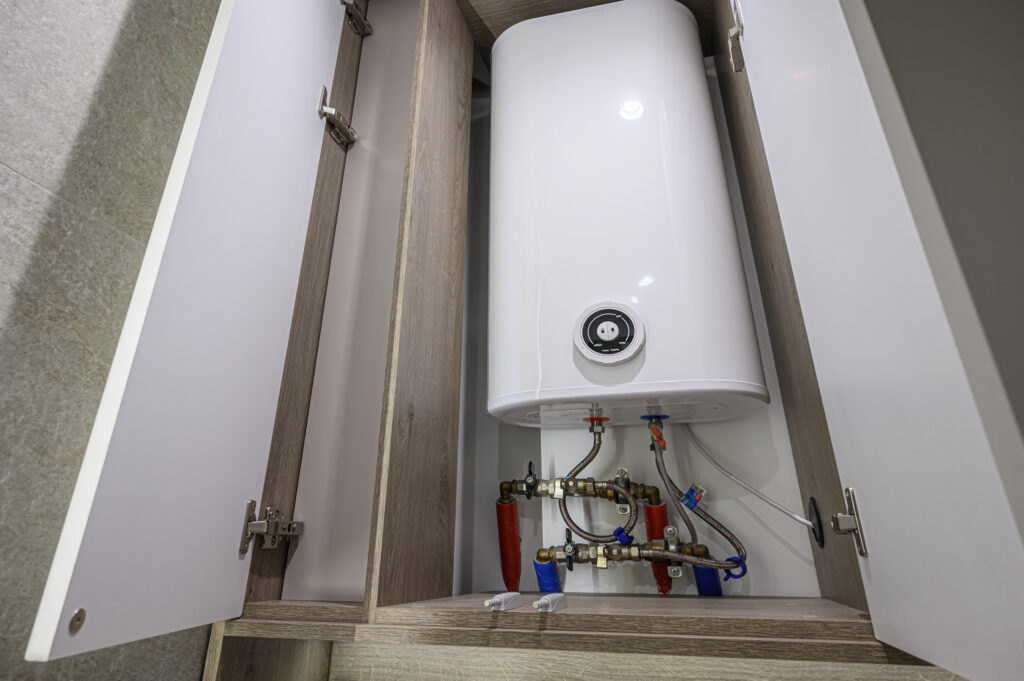
Winterizing is an upfront investment in peace of mind. The primary benefit is avoiding burst pipes and the dread that follows—emergency plumbing calls, water extraction, flooring repair, and drywall replacement. More than just cost mitigation, though, winterizing helps extend the life of your home’s plumbing system. Pipes and valves that aren’t constantly under pressure during winter function more efficiently across seasons. Winterization also supports energy efficiency. For example, a properly insulated water heater doesn’t need to work as hard, reducing utility bills during the height of winter demand. These preventative strategies ultimately maintain your home’s value while reducing your maintenance burden.
Common Downsides or Challenges
While winterizing your plumbing system is advisable, it doesn’t come without a few challenges. First, timing matters. Start too late in the season, and you may already be at risk. Start too early without consistency, and water left in exposed lines may still freeze. Plus, DIY winterization can be less effective if you don’t have a clear view of where your vulnerabilities lie. Oversights—like missing a small segment of pipe behind a bathroom cabinet—can offset the rest of your preparation. Another consideration is cost. While pipe insulation and faucet covers are fairly affordable, comprehensive insulation or professional services can quickly add up. Still, these costs are modest when compared with what you might pay for emergency water damage recovery.
Tips for Successful Winterization
Start with a full plumbing inspection. Understand where your pipes are located, particularly those most vulnerable to cold air. Outdoor hose bibs should be turned off and drained completely. Interior shut-off valves leading to outside should be tightly closed. Insulate all exposed piping, including those running through internal unconditioned spaces. Use foam insulation or heating cable, depending on risk level. Seal gaps where plumbing enters walls and floors using caulk or expanding foam. Finally, let faucets drip slightly during extreme cold snaps to keep water moving. If you’re heading out of town for a winter vacation or leaving the property unoccupied, consider fully draining the water system and shutting off the main valve. These small steps go a long way in risk prevention.
How Home Warranties Help with Winter Risks
Many homeowners mistakenly believe that their standard homeowners insurance covers everything, but water damage from frozen pipes often walks a complicated path toward being covered. Home warranty protection fills this gap. A home warranty, especially one designed with seasonal realities in mind, can provide critical coverage for systems like plumbing, water heaters, and more. If your water heater malfunctions under pressure or a covered pipe leaks due to temperature stress, your warranty provider may handle both coordination and cost—providing smoother repair resolutions when time is of the essence. More importantly, it aligns your prevention strategy with responsive backup when the unexpected happens. With a dependable home warranty, winter no longer poses the same threat to your peace of mind—or your wallet.
Protect Your Home This Winter with Armadillo
Ensuring your home is winter-ready is a critical part of responsible homeownership. And while you can insulate, seal, and monitor your plumbing system, adding an additional layer of protection is what future-focused homeowners do. Armadillo offers intelligently designed home warranty plans that cover key plumbing components, including sudden failures brought on by winter’s challenges. With digital-first convenience and responsive customer service, Armadillo isn’t just coverage—it’s confidence. Let us help fortify your home against the season with coverage that works when you need it most. Visit armadillo.one to explore our offerings or head straight to our plan builder to customize coverage for your unique home—and winter-proof your plumbing with more than just insulation this year.