What Is a Wired Keypad for a Garage Door Opener?
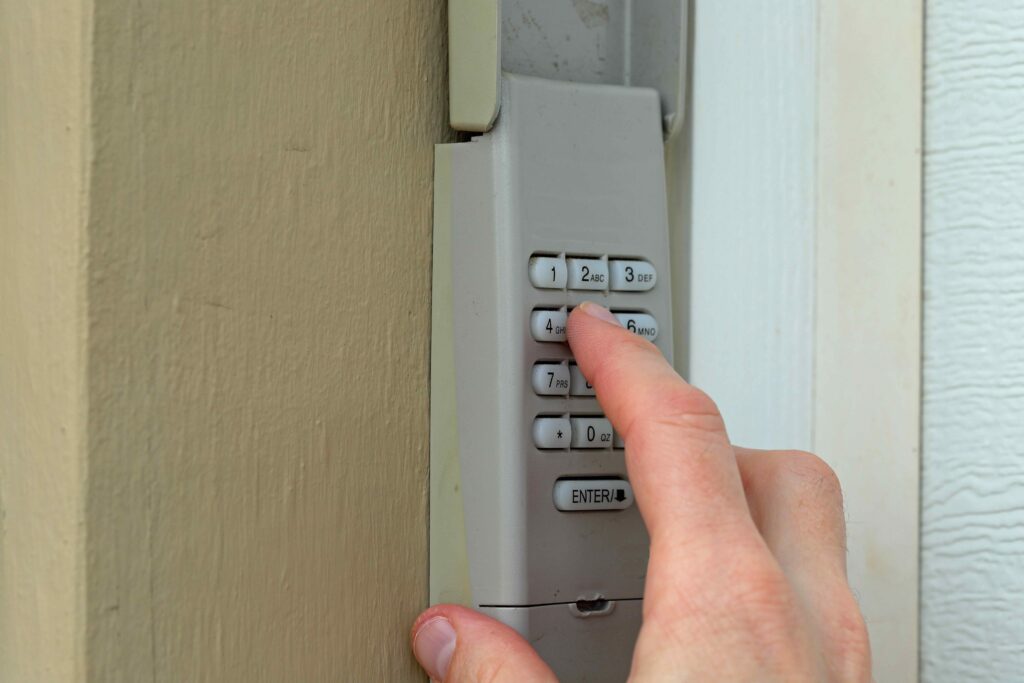
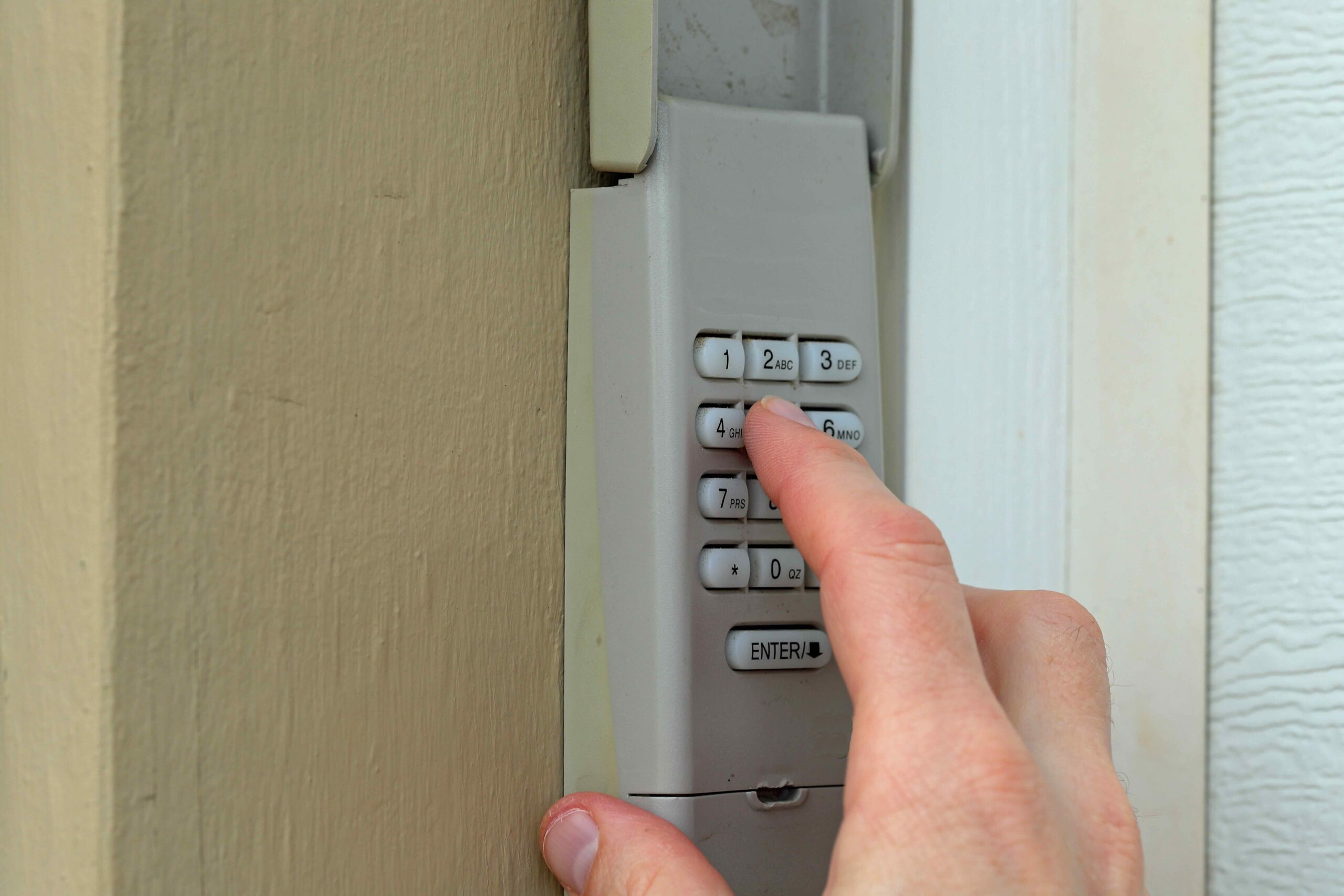
If you have a garage door opener, there is a good chance you also have a small device mounted on the wall inside your garage — a wired keypad. This compact control panel connects directly to your garage door opener unit through low-voltage wiring and gives you a convenient way to open or close your garage door without needing a remote. It is one of those things most homeowners take for granted until something goes wrong with it. Understanding what it actually is, how it functions, and what role it plays in your home system can save you a lot of frustration down the road.
How a Wired Keypad Works With Your Garage Door System
The wired keypad connects to your garage door opener motor unit via a two-wire low-voltage circuit. When you press the button on the keypad, it sends a signal through that wiring directly to the opener unit, which then activates the motor to raise or lower the door. Unlike wireless keypads or remote controls that rely on radio frequency signals, a wired keypad operates through a physical connection. This means the signal is direct and consistent — no frequency interference, no battery drain, and no signal loss due to distance or obstructions. The keypad is typically mounted near the interior entry door of the garage, making it easy to trigger the door on your way in or out of the house. Some units include a numeric entry feature as well, though that is more commonly found on exterior wireless keypads.
Key Components That Make Up a Wired Keypad
At its core, a wired keypad is a straightforward piece of hardware. Most units consist of a single push button or a small multi-button panel housed in a plastic enclosure. Inside the unit, there is a simple circuit board that completes the electrical connection when a button is pressed. The wiring runs through the wall or along the surface to the garage door opener motor head. Some keypad models also include indicator lights or dual-function buttons that can control multiple garage door openers simultaneously if your system is set up that way. The design is intentionally simple — fewer moving parts generally means fewer points of failure.

The Advantages of Using a Wired Keypad
There are several solid reasons why wired keypads have remained a standard feature in residential garages for decades. Homeowners who understand the benefits tend to appreciate having one far more than those who just see it as a random wall button.
- Reliability: Because the keypad connects through a direct wire, it is not affected by radio frequency interference or signal congestion from neighboring systems.
- No battery replacement: Unlike wireless remotes or exterior keypads, a wired keypad draws power directly from the opener unit, so there are no batteries to replace.
- Consistent performance: Wired connections are less susceptible to environmental factors like extreme cold or heat that can degrade wireless signal quality over time.
- Low maintenance: The simplicity of the design means there is very little that requires routine upkeep or adjustment.
- Cost-effective: Wired keypads are typically less expensive than their wireless counterparts and are easy to replace when needed.
Common Drawbacks to Be Aware Of
No component in your home is without its limitations, and wired keypads are no exception. The most obvious drawback is placement — because it is hardwired, you cannot simply move the keypad to a more convenient location without running new wire. For homeowners who renovate their garage or change their entry layout, this can be a real inconvenience. The wiring itself can also become a point of failure over time, particularly if it is exposed to moisture, pests, or physical damage. A frayed or corroded wire can cause intermittent operation or total failure, and tracing the problem can take some diagnostic effort. Additionally, wired keypads offer limited functionality compared to modern smart garage door systems, which include app connectivity, voice control, and access logs.
Wired vs. Wireless Keypads: Which One Makes More Sense?
This is one of the more common questions homeowners ask when replacing or upgrading their garage door control systems. The honest answer depends on your priorities. If reliability and simplicity are at the top of your list, a wired keypad is difficult to beat. It works every time, does not require any pairing or programming after installation, and never loses signal. However, if you want flexibility — such as mounting the keypad outside your garage door for keyless entry, or accessing your garage remotely through a smartphone — a wireless or smart keypad will serve you better. Many homeowners actually use both: a wired keypad inside the garage for daily convenience and a wireless exterior keypad for keyless entry from outside.
Signs Your Wired Keypad May Need Attention
Wired keypads do not fail often, but when they start showing problems, the symptoms are usually clear. Watch for these warning signs that indicate your keypad or its wiring may need inspection or replacement.
- The garage door does not respond when you press the keypad button, but the remote or wall-mounted opener still works.
- The keypad works intermittently — sometimes triggering the door, sometimes doing nothing at all.
- You notice visible damage to the keypad housing, such as cracks, discoloration from heat, or moisture infiltration.
- The wiring near the keypad shows signs of fraying, corrosion, or pest damage.
- The button feels unresponsive or physically stuck when pressed.
How to Troubleshoot a Wired Keypad Before Calling for Service
Before assuming the worst, there are a few simple checks worth doing. Start by inspecting the wiring between the keypad and the motor unit for any visible damage or loose connections at the terminals. Most garage door opener units have terminal screws where the wire attaches, and these can loosen over time. A quick tightening may resolve the issue entirely. If the wiring looks intact, test the opener unit itself by using a different control method — a remote or the wall-mounted button — to confirm the opener is functional. If everything else works except the keypad, the keypad itself is likely the culprit and can usually be replaced for a modest cost. Replacement wired keypads are widely available at hardware stores and are generally compatible across major opener brands.
Why Your Home Warranty Should Cover Garage Door Opener Components
Here is something worth thinking about: your garage door opener is one of the most frequently used mechanical systems in your entire home. It cycles up and down multiple times a day, every day, and the components that support it — including the wired keypad — are working right alongside it. When something fails, repair or replacement costs can add up quickly, especially if the issue involves internal motor components or wiring that requires a technician. That is exactly where a home warranty plan that covers garage door opener systems and components becomes genuinely valuable. Armadillo takes a practical approach to home protection, covering the systems and appliances that actually matter to your daily life. If your wired keypad fails, your opener motor burns out, or your garage door system develops an electrical fault, having coverage in place means you are not absorbing that cost on your own. You can get a personalized garage door opener warranty quote tailored to your home in just a few minutes — no lengthy phone calls, no guesswork, just straightforward protection for the systems you rely on every day.

Frequently Asked Questions About Wired Keypads for Garage Door Openers
These are the questions homeowners most commonly ask when it comes to understanding, troubleshooting, and maintaining wired keypads for garage door openers.
What is the difference between a wired keypad and a wireless keypad for a garage door opener?
A wired keypad connects directly to the garage door opener motor unit through low-voltage wiring, while a wireless keypad communicates via radio frequency signal. Wired keypads are more reliable and require no batteries, while wireless keypads offer more flexible placement and can be used outside the garage for keyless entry.
Can I replace a wired keypad myself?
Yes, most wired keypad replacements are straightforward DIY projects. You disconnect the wiring from the old keypad and connect it to the new unit following the manufacturer’s terminal instructions. No special tools or electrical experience is typically required, though you should always verify compatibility with your specific opener model before purchasing a replacement.
Why does my wired keypad work sometimes but not others?
Intermittent operation is usually caused by a loose wire connection at the keypad terminals or at the opener motor unit terminals. It can also result from a partially worn button contact inside the keypad housing. Inspect both ends of the wiring for loose or corroded connections before replacing the unit entirely.
Do wired keypads work with all garage door openers?
Most wired keypads are compatible with the majority of residential garage door openers that use standard low-voltage two-wire connections. However, compatibility can vary by brand and model, so it is important to verify that the replacement keypad matches your opener’s specifications before purchasing.
How long does a wired keypad typically last?
A well-maintained wired keypad can last anywhere from 10 to 20 years or longer. Because the design is simple and it draws power from the opener rather than batteries, there is minimal wear under normal conditions. Exposure to moisture, physical damage, or pest intrusion can shorten its lifespan.
Is a wired keypad covered under a home warranty?
Coverage depends on the specific home warranty plan. Many comprehensive plans cover the garage door opener system, which can include the motor unit and associated wiring components. Reviewing your plan’s coverage details or speaking with your warranty provider will clarify whether keypads and related components are included.
Can a faulty wired keypad damage my garage door opener?
In rare cases, a short circuit in a damaged keypad or its wiring can affect the opener’s logic board. However, most modern garage door openers have basic circuit protection that prevents minor wiring faults from causing significant damage to the motor unit. It is still advisable to address a faulty keypad promptly.
Do I need an electrician to replace a wired keypad?
Generally, no. Wired keypads operate on low-voltage circuits supplied by the garage door opener unit itself, not by line voltage from your home’s electrical system. This makes them safe to handle without licensed electrical work in most jurisdictions, though local codes may vary.
What causes a wired keypad to stop working entirely?
Complete failure is most commonly caused by a broken or severed wire between the keypad and the opener unit, a failed circuit board inside the keypad, or damage to the opener’s terminal connections. In less common cases, the opener unit itself may have a fault that prevents it from responding to keypad input.
Can I add a wired keypad to a garage door opener that did not come with one?
Yes, most residential garage door openers include terminal connections specifically designed to accommodate an add-on wired keypad. As long as you use a compatible keypad model and connect it properly to the two-wire terminal on the opener unit, adding one is a simple and inexpensive upgrade.