What Is a Yard Drain System and Why Does Your Home Need One?
If water tends to pool in your yard after a heavy rain, sit against your foundation for days at a time, or turn your landscaping into something that resembles a wetland, you probably already know something is off. What you might not know is that there is a dedicated home system designed specifically to handle that problem. Yard drain systems, also called exterior drainage systems or landscape drainage systems, are structured networks of channels, pipes, and collection points that redirect excess surface water away from your home and property. They work quietly, mostly underground, and most homeowners do not think about them until something goes wrong. That is usually a mistake worth avoiding.
How Yard Drain Systems Actually Work
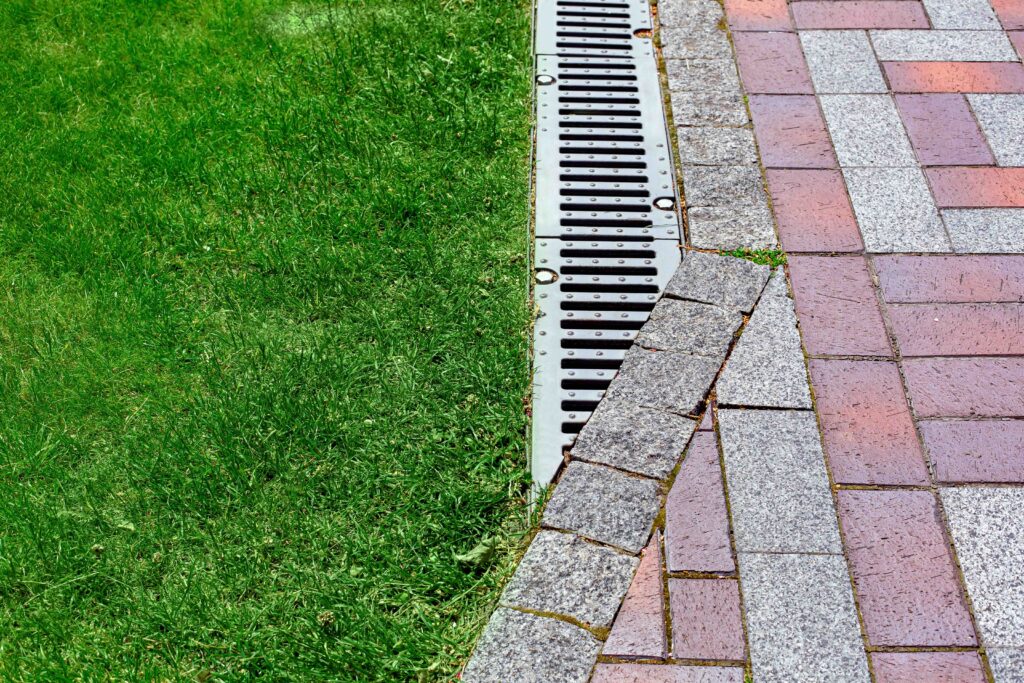
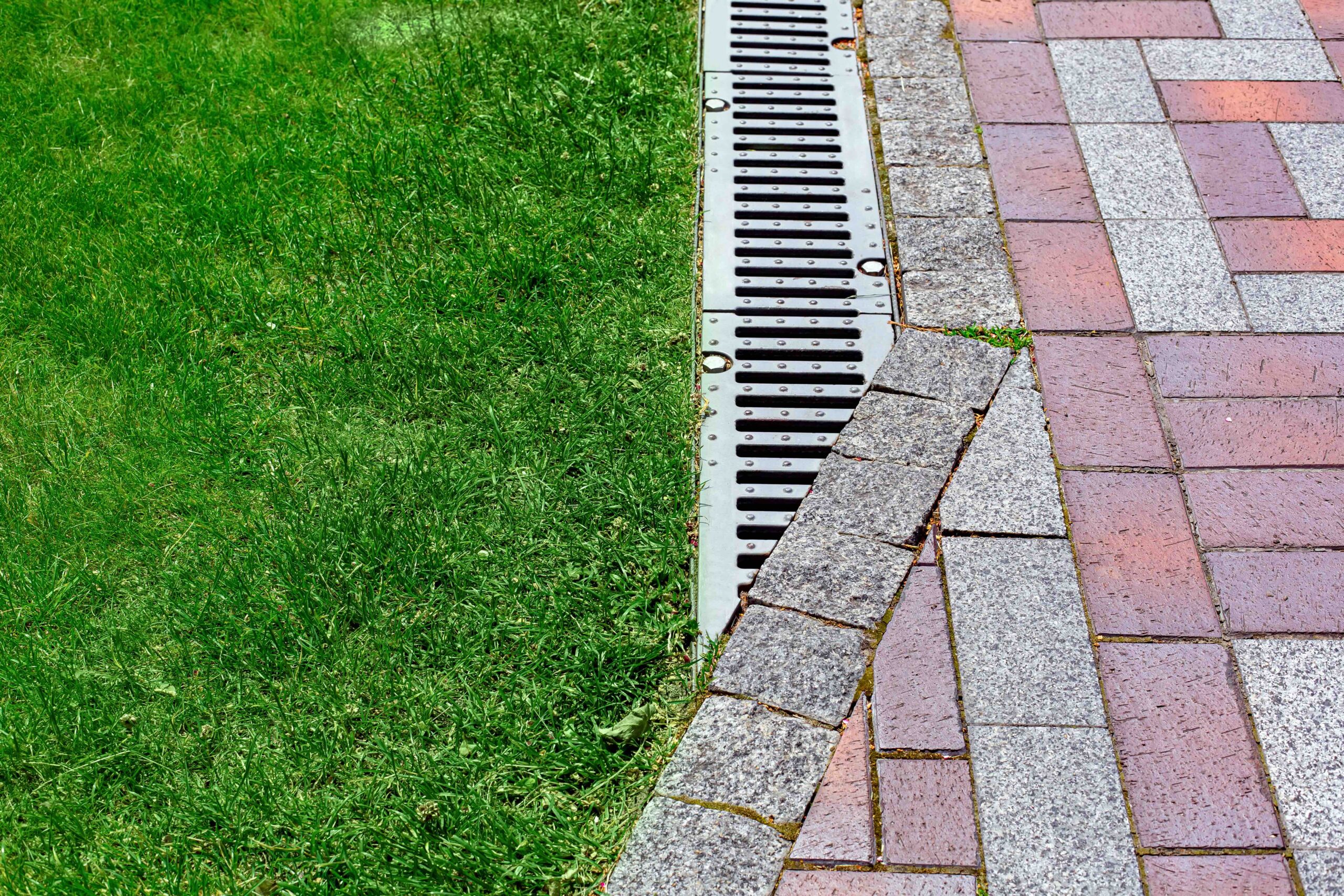
The basic concept is straightforward. Water flows downhill, and a yard drain system gives it somewhere specific to go. Most systems rely on a combination of gravity and strategically placed components to collect runoff before it becomes a problem. There are a few common types worth knowing about. French drains use perforated pipes buried in gravel-filled trenches to redirect groundwater. Channel drains, sometimes called trench drains, sit flush with the surface and catch sheet flow running across patios, driveways, or low-lying lawn areas. Catch basins are recessed grates installed in the lowest spots of a yard that funnel collected water into underground pipes leading to a storm drain or a designated discharge point. Many properties use a combination of these to address multiple drainage challenges at once. The water has to go somewhere, and a well-designed system makes sure that somewhere is not your basement or crawl space.
The Key Components You Should Know About
Understanding the parts of a yard drain system helps you communicate with contractors and identify issues before they escalate. The major components include:
- Catch basins and grated inlets that collect surface water at ground level
- Perforated or solid drain pipes that carry water from collection points to discharge areas
- French drain trenches lined with filter fabric and filled with gravel to prevent sediment buildup
- Downspout extensions or pop-up emitters that release water at a safe distance from the foundation
- Dry creek beds and swales used in more naturalistic drainage designs
Each component plays a specific role. Catch basins handle sudden surface runoff. French drains manage slower groundwater migration. Together, they form a layered defense against water intrusion that would otherwise compromise your landscaping, your hardscaping, and eventually your home’s structural integrity.
The Real Benefits of Installing a Yard Drain System
There is a reason yard drainage improvements are among the most commonly recommended solutions by foundation specialists, landscapers, and home inspectors alike. The benefits stack up fast. First, proper drainage protects your foundation. Water that sits against a concrete or masonry foundation over time will find its way in, and the resulting damage, think cracks, efflorescence, and moisture intrusion, is expensive to fix. Second, it preserves your landscaping investment. Oversaturated soil suffocates plant roots and promotes fungal growth. Third, it reduces erosion and prevents soil displacement that can destabilize slopes and retaining walls. Fourth, it keeps outdoor living spaces actually usable after rainstorms. A patio that drains properly dries out quickly. One that does not turns into a liability. Beyond aesthetics, effective drainage is genuinely a structural and financial safeguard.

Common Drawbacks and Limitations to Consider
No system is without its trade-offs. Yard drain systems require upfront investment, and depending on the complexity of the drainage challenge, installation costs can range significantly. A basic catch basin addition might cost a few hundred dollars. A full French drain system with grading corrections and multiple discharge points can run into the thousands. There is also ongoing maintenance to factor in. Grates need to be cleared of debris, pipes can become clogged with roots or sediment over time, and emitters sometimes get blocked or damaged by lawn equipment. In regions with freezing temperatures, improperly installed pipes can crack if water is not able to drain fully before a freeze. And finally, a system that is not properly designed for your specific yard’s slope, soil type, and drainage volume will simply not perform well. Professional design matters here more than it might for some other home improvements.
How to Tell If Your Yard Has a Drainage Problem
Not every wet yard needs a full drainage system overhaul, but there are clear signals that something more structured is required. Water pooling within 24 to 48 hours after rainfall is a red flag. So is erosion around downspouts, soft or soggy areas that never fully dry out, water stains on your foundation walls, or basement moisture issues that worsen after rain events. Mosquito populations that seem to appear from nowhere during humid months can also indicate standing water somewhere on the property. If you notice any combination of these signs, a drainage assessment from a licensed landscaper or drainage contractor is a reasonable next step before small problems compound into larger ones.
Maintenance Tips to Keep Your Yard Drain System Running Well
A yard drain system is not quite set-it-and-forget-it, but it is not especially demanding either. A few consistent habits go a long way. Clear catch basin grates of leaves and debris after storms and before heavy rain seasons. Flush drain lines with a garden hose periodically to check flow and detect blockages early. Inspect pop-up emitters to confirm they are opening freely and discharging water at the correct location. Check any exposed pipe sections or downspout connections for cracks, separations, or pest entry points. If your system includes a sump or pump component, verify that it is operational before the wet season begins. Catching a drainage issue in October is far less stressful than discovering it in the middle of a February rainstorm.
What Home Warranty Coverage Typically Looks Like for Exterior Drainage
Here is where things get interesting for homeowners who rely on a home warranty for peace of mind. Standard home warranty plans are generally structured around interior systems and appliances, things like your HVAC, plumbing, electrical, and kitchen appliances. Exterior drainage systems, yard drains, French drains, and catch basins specifically, typically fall outside the scope of standard coverage. However, when a yard drainage issue connects to a covered interior system, such as a sump pump or interior drain line, some coverage may apply depending on the plan. This distinction is important. Understanding what your home warranty does and does not cover before something fails gives you a much clearer picture of your actual financial exposure as a homeowner.
Why Armadillo Is the Right Partner for Protecting Your Home Systems
Yard drainage problems are a reminder of something every homeowner eventually learns: home systems are interconnected, and when one fails, the effects ripple outward. That is exactly why having a trustworthy home warranty in place matters. Armadillo home warranty plans for whole-home system protection are built with transparency and simplicity at their core, so you always know what is covered before you need to make a claim. When your sump pump fails during a rainstorm, or a plumbing drain line backs up and sends water toward your foundation, you want a partner that responds quickly and without the runaround. If you are ready to close the gap between what your homeowners insurance covers and what it does not, get a personalized Armadillo home warranty quote for drainage-related and whole-home coverage in just a few minutes. Protecting your home should not feel complicated, and with the right plan in place, it does not have to.

Frequently Asked Questions About Yard Drain Systems
Common questions homeowners ask about yard drainage systems, how they work, how to maintain them, and how they relate to home warranty coverage.
What is the difference between a French drain and a catch basin?
A French drain is a subsurface trench filled with gravel and a perforated pipe that redirects groundwater migrating through the soil. A catch basin is a surface-level grated inlet that collects runoff pooling above ground. Many yards use both together to manage both surface and subsurface water.
How long does a yard drain system typically last?
With proper installation and routine maintenance, most yard drain systems last 20 to 30 years. The longevity depends heavily on the quality of materials used, the soil conditions, and how consistently the system is maintained over time.
Can I install a yard drain system myself?
Simple additions like a downspout extension or a small surface drain are manageable DIY projects. Larger systems involving grading corrections, underground pipe networks, or connection to municipal storm drains require professional design and installation to function correctly and comply with local codes.
How much does it cost to install a yard drainage system?
Costs vary widely based on the system type and yard complexity. A basic catch basin installation might cost $500 to $1,500, while a comprehensive French drain or full-yard drainage system can range from $3,000 to $10,000 or more depending on scope and labor rates in your area.
Does a home warranty cover yard drain systems?
Most standard home warranty plans do not cover exterior yard drainage systems like French drains or catch basins. Coverage is generally limited to interior plumbing and specific systems like sump pumps. Reviewing your plan’s terms carefully will clarify exactly what is and is not included.
What causes a yard drain system to stop working?
The most common causes are debris buildup blocking grates or pipes, root intrusion into perforated drain lines, sediment accumulation reducing flow capacity, and pipe damage from freezing temperatures or soil shifting. Regular inspections help catch these issues before they result in drainage failure.
How do I know if my yard drainage problem is affecting my foundation?
Signs include water stains or efflorescence on foundation walls, cracks in the foundation or basement floor, persistent moisture or musty odors in the basement, and doors or windows that stick due to structural shifts caused by soil saturation and movement.
Is a sump pump the same as a yard drain system?
No. A sump pump is an interior system that pumps water out of a sump pit located beneath your home, typically in a basement or crawl space. A yard drain system is an exterior water management solution. The two systems can work together but serve different functions in overall home drainage management.
How often should yard drains be cleaned or serviced?
At minimum, inspect and clear your yard drains twice a year, ideally before the spring rainy season and before winter. After major storms, a quick check of grates and visible emitters is also a good habit. Annual flushing of drain lines with a hose helps identify blockages early.
Can poor yard drainage affect my homeowners insurance claim?
Potentially, yes. If a drainage issue contributes to foundation damage, flooding, or water intrusion and your insurer determines that the problem was a maintenance issue rather than a sudden covered event, a claim may be denied. This is why proactive drainage maintenance matters both for protection and insurability.