Your Kitchen Microwave: What Every Homeowner Should Know
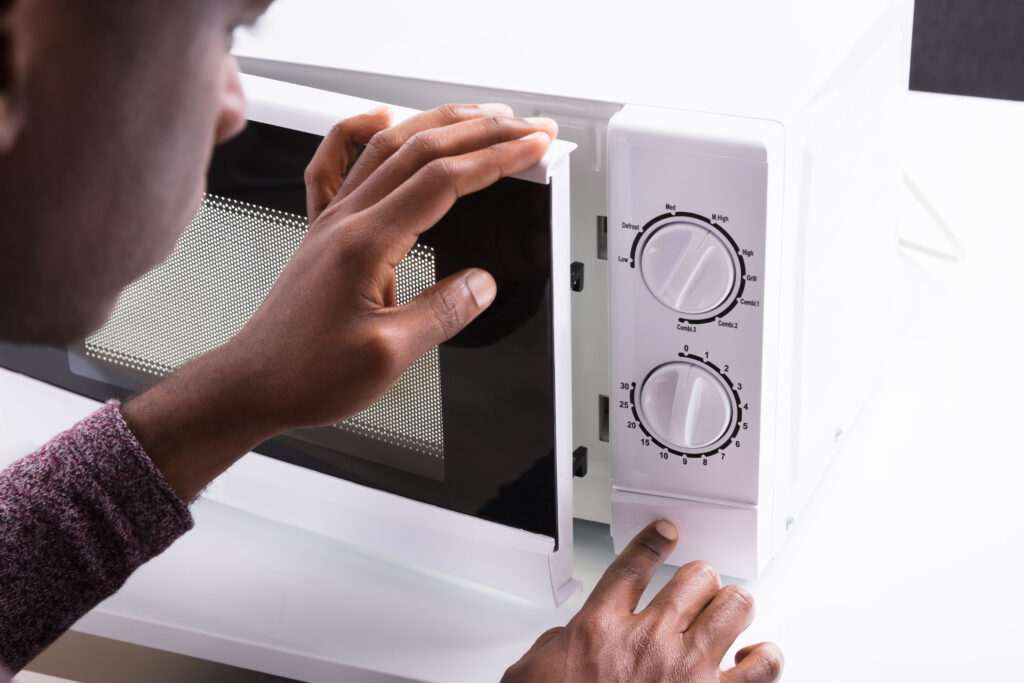
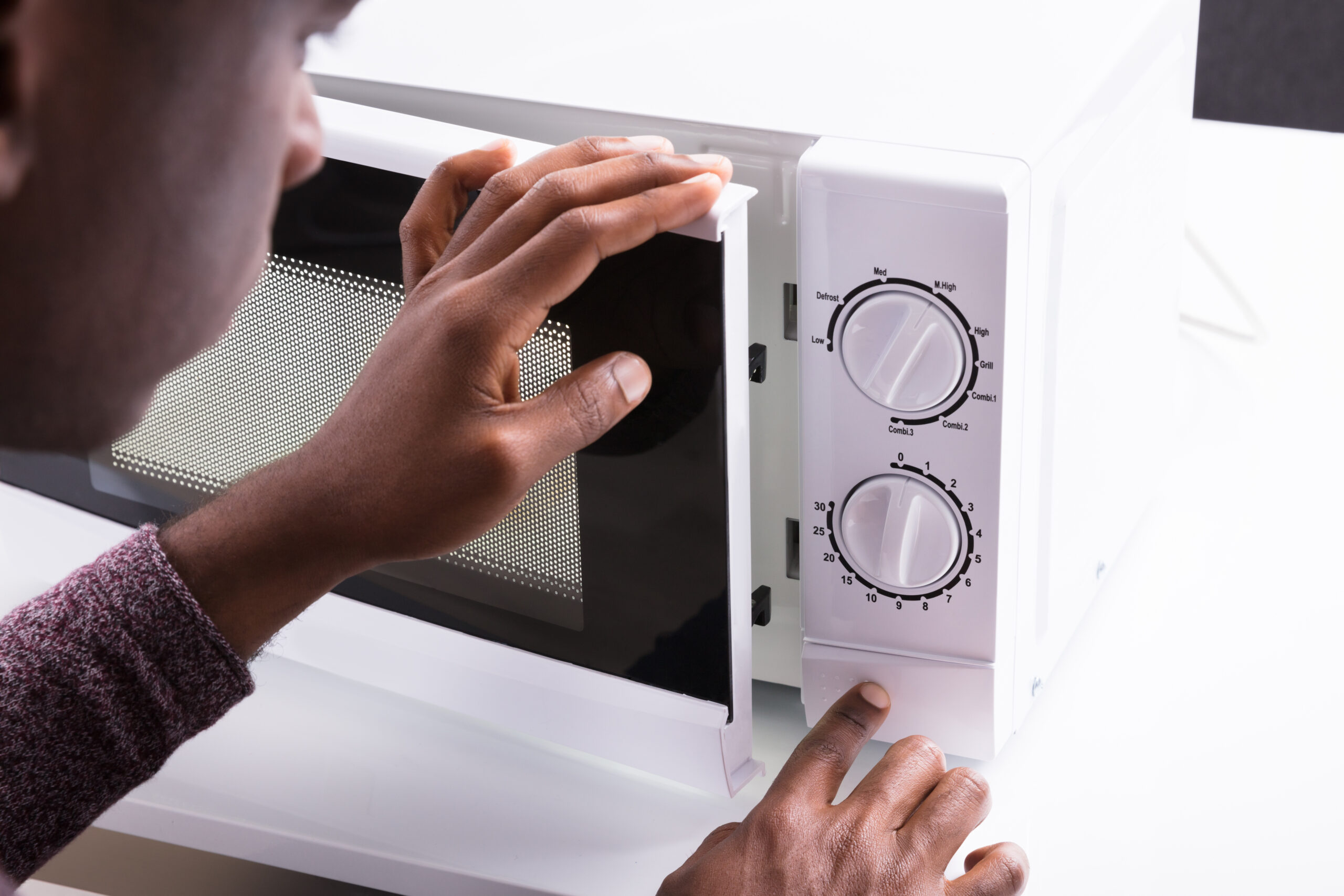
The microwave is one of those appliances that quietly becomes indispensable. It reheats leftovers, defrosts frozen meals, steams vegetables, and somehow manages to be the most-used appliance in the kitchen without ever getting much credit. Yet despite how often homeowners rely on it, few people actually understand how it works, what can go wrong, and how to protect themselves when it does. That gap in knowledge can turn a minor inconvenience into an unexpected expense. So let’s walk through what you need to know, from the science inside the box to the smart financial decisions that surround it.
How a Microwave Actually Works
Most people know that microwaves heat food fast. Fewer people know why. Inside every microwave is a component called a magnetron, which is a vacuum tube that generates electromagnetic waves at a specific frequency, typically around 2.45 gigahertz. Those waves penetrate food and cause water molecules to vibrate rapidly, and that vibration produces heat. This is fundamentally different from a conventional oven, which heats the air around your food. Because microwaves work from the inside out, they can warm a bowl of soup in two minutes without heating the bowl itself. It is efficient, targeted, and genuinely clever engineering packed into a relatively ordinary-looking appliance.
Types of Microwaves Found in Modern Homes
Not all microwaves are created equal, and the type installed in your home affects everything from performance expectations to repair complexity. Countertop models are the most common and the easiest to replace. Over-the-range microwaves are built into the cabinetry above a stove and double as a ventilation system, which adds value but also adds mechanical complexity. Built-in microwaves are integrated directly into kitchen cabinetry, giving a seamless aesthetic but requiring professional installation and often custom sizing. Drawer-style microwaves are a newer design that slides out below the counter, popular in modern kitchen layouts. Each type has different installation requirements, repair costs, and coverage considerations when it comes to home warranties.
Key Advantages of Having a Microwave at Home
Beyond convenience, microwaves offer some genuinely practical benefits that are worth naming out loud. They use significantly less energy than a conventional oven for small tasks. They reduce cooking time dramatically, which matters when you’re managing a busy household. They are also surprisingly versatile, capable of handling defrosting, cooking, reheating, and even some baking with the right settings. For households with children or elderly family members, the reduced heat exposure compared to an oven is a meaningful safety benefit as well.
- Energy efficiency compared to full-size ovens for small or quick meals
- Dramatically faster heating and defrosting times
- Reduced fire risk compared to stovetop cooking in many scenarios
- Compact footprint in countertop models for smaller kitchens
- Wide range of functions including sensor cooking and steam features in newer models
Common Microwave Problems Homeowners Face
Like every appliance, microwaves are not immune to wear and tear. Some problems are minor and manageable. Others signal that something more significant is failing internally. The magnetron, which is the heart of the appliance, can fail over time, especially with heavy use. The door latch mechanism is another frequent problem area since a microwave will not operate if the door does not close and seal properly. Turntable motors wear out, control panels develop dead buttons, and internal fuses blow. Over-the-range models introduce additional complexity because the ventilation fan and light components can also fail independently of the heating function. Knowing what symptoms to look for helps you respond appropriately instead of assuming the worst immediately.
- Microwave runs but does not heat food, often indicating a magnetron issue
- Sparking or arcing inside the cavity, which can indicate a damaged waveguide cover
- Door latch fails to engage properly, preventing the unit from operating
- Control panel buttons become unresponsive over time
- Unusual humming or buzzing sounds during operation
- Turntable stops rotating or rotates inconsistently

How Long Should a Microwave Last
The average lifespan of a household microwave is roughly nine to ten years, though this varies based on usage frequency, build quality, and maintenance habits. Higher-end models with stainless steel interiors and more robust components can push toward twelve to fifteen years. Budget models used heavily may begin showing problems after five or six years. Over-the-range and built-in units tend to have longer expected lifespans partly because they are generally built to higher specifications. If your microwave is approaching the eight or nine year mark and showing any of the symptoms described above, it is worth factoring repair costs against replacement costs carefully, because sometimes replacing makes more financial sense than repeated repairs.
Microwave Maintenance Tips That Actually Make a Difference
Routine care can meaningfully extend the useful life of your microwave. One of the most overlooked habits is keeping the interior clean. Food splatters left inside can carbonize and interfere with the waveguide cover, which is the small panel inside the cavity that protects the antenna. Replacing a damaged waveguide cover is inexpensive, but the damage that leads to needing one replaced is almost entirely avoidable with regular cleaning. Use microwave-safe covers when heating food. Never run the microwave while empty, as this can damage the magnetron. Check the door seal periodically for cracks or deformation. These are small habits that compound into real longevity.
When to Repair Versus Replace Your Microwave
This is the question most homeowners eventually face, and the answer depends on a few practical factors. If the repair cost exceeds fifty percent of the replacement cost of a comparable unit, replacement is typically the smarter path. Magnetron replacements in particular can be expensive, sometimes approaching or exceeding the cost of a new mid-range countertop model. Built-in and over-the-range models change this calculation somewhat, because the installation costs associated with replacement add up quickly. In those cases, repairing a functioning unit with one failing component can absolutely make financial sense. Getting a repair estimate before making any decision is always the right first move.
Does a Home Warranty Cover Your Microwave
Home warranties are service contracts that cover the repair or replacement of home systems and appliances when they fail due to normal wear and tear. Many homeowners do not realize that their kitchen microwave can fall within the scope of home warranty coverage, particularly built-in and over-the-range models that are considered permanently installed appliances. Countertop models are sometimes excluded because they are classified as portable appliances, so it is worth reading the specific terms of any warranty plan carefully. When a covered microwave fails, the homeowner pays a service fee, and the warranty provider handles the cost of the diagnosis, repair, or in some cases replacement. For higher-cost built-in units, this coverage can represent significant financial protection.
Why Armadillo Is the Right Partner for Protecting Your Home Appliances
When a critical kitchen appliance like your microwave stops working, the last thing you want is to navigate a repair process alone while managing the cost surprise that comes with it. That is where Armadillo home warranty coverage for kitchen appliances and home systems delivers real value. Armadillo was built around the idea that home protection should be straightforward, honest, and actually useful when something breaks. There are no confusing exclusion lists buried in fine print, no runaround when you file a claim, and no wondering whether your appliance qualifies. If you want to understand exactly what your home is covered for and lock in protection before your next appliance failure, you can get a free microwave and appliance home warranty quote from Armadillo in minutes. For homeowners who rely on permanently installed appliances like over-the-range and built-in microwaves, having that coverage in place before a problem occurs is simply the smarter way to own a home.

Frequently Asked Questions About Home Microwaves and Warranty Coverage
These are the questions homeowners ask most often when it comes to understanding their microwave and protecting it through a home warranty plan.
Does a home warranty cover a countertop microwave?
Coverage for countertop microwaves varies by provider. Many home warranty plans exclude countertop models because they are classified as portable appliances rather than permanently installed ones. Built-in and over-the-range microwaves are more commonly covered under standard appliance plans.
What is the most common reason a microwave stops heating?
The most common cause of a microwave that runs but fails to heat food is a failed magnetron. The magnetron is the component that generates the electromagnetic waves responsible for heating, and it can wear out over time with regular use.
Is it worth repairing an older microwave?
Generally, if the repair cost is more than fifty percent of what it would cost to purchase a comparable replacement, it makes more financial sense to replace the unit. For built-in models, factor installation costs into the replacement estimate before making a decision.
How do I know if my microwave door seal is bad?
Visually inspect the door gasket for cracks, tears, or flattened sections. If the door does not close with consistent resistance or you notice the microwave functioning inconsistently, the door seal or latch mechanism may be compromised and should be evaluated by a technician.
Can running a microwave while empty damage it?
Yes. Operating a microwave with nothing inside can cause serious damage to the magnetron because there is no food or liquid to absorb the microwave energy. The energy reflects back into the magnetron, which can cause it to overheat and fail prematurely.
How long does a built-in microwave typically last?
Built-in microwaves are generally constructed to higher specifications than countertop models and can last between ten and fifteen years with proper maintenance. Actual lifespan depends on usage frequency, brand quality, and how consistently the unit is maintained.
What does over-the-range microwave installation involve?
Installing an over-the-range microwave requires mounting the unit to the wall or cabinet above the stove, connecting it to an electrical outlet, and often routing ductwork for ventilation. Professional installation is strongly recommended due to the weight of the unit and the complexity of the ventilation setup.
Will a home warranty pay to replace my microwave if it cannot be repaired?
Many home warranty plans include replacement provisions when a covered appliance cannot be repaired cost-effectively. The terms vary by provider, so reviewing your specific plan is important to understand what replacement benefit is included and whether any caps apply.
What maintenance steps extend the life of a microwave the most?
Keeping the interior clean to prevent damage to the waveguide cover, using microwave-safe covers to reduce interior splatter, never running the unit empty, and inspecting the door seal periodically are among the most impactful maintenance habits for extending microwave lifespan.
Is sparking inside a microwave dangerous?
Sparking, also called arcing, inside a microwave can indicate a damaged waveguide cover, metal residue from utensils, or an internal component issue. You should stop using the microwave immediately if sparking occurs and have it inspected by a qualified technician before operating it again.