When Your Circuit Breaker Won’t Reset: What’s Really Going On
You flip the breaker back. Nothing. You try again. Still nothing. At some point, the frustration kicks in — and so does the question: is this a quick fix or something much bigger? A circuit breaker that won’t click back on is one of those home issues that sits right on the line between “minor inconvenience” and “call someone immediately.” Understanding what’s actually happening inside that panel can save you time, money, and a fair amount of stress. So let’s break it down — what circuit breakers do, why they fail, and what role your home warranty plays when things go sideways.
What a Circuit Breaker Actually Does
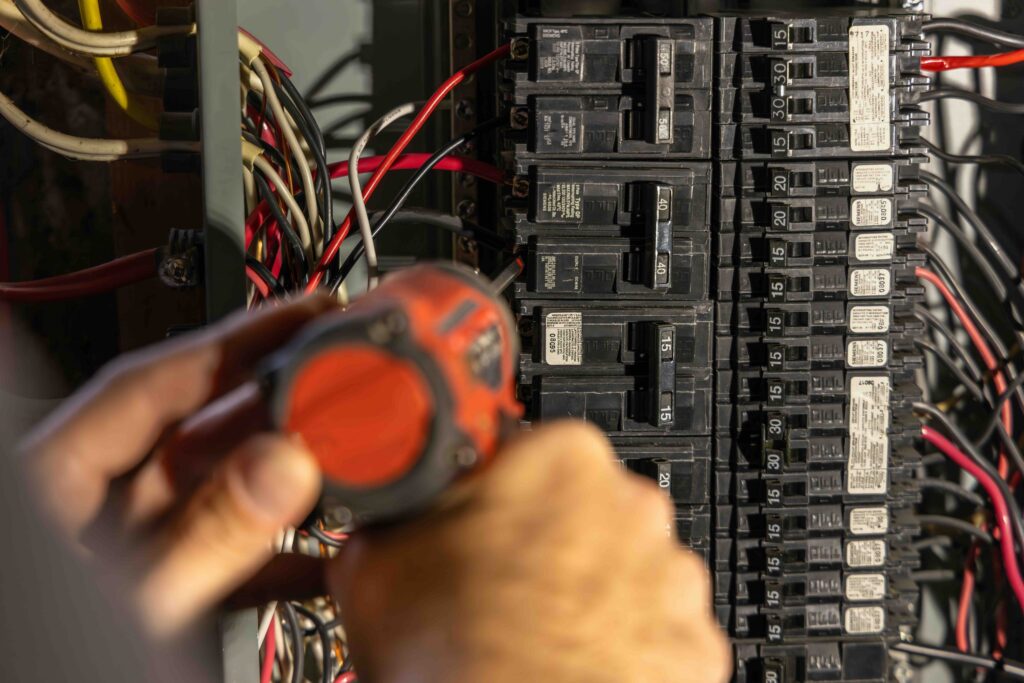
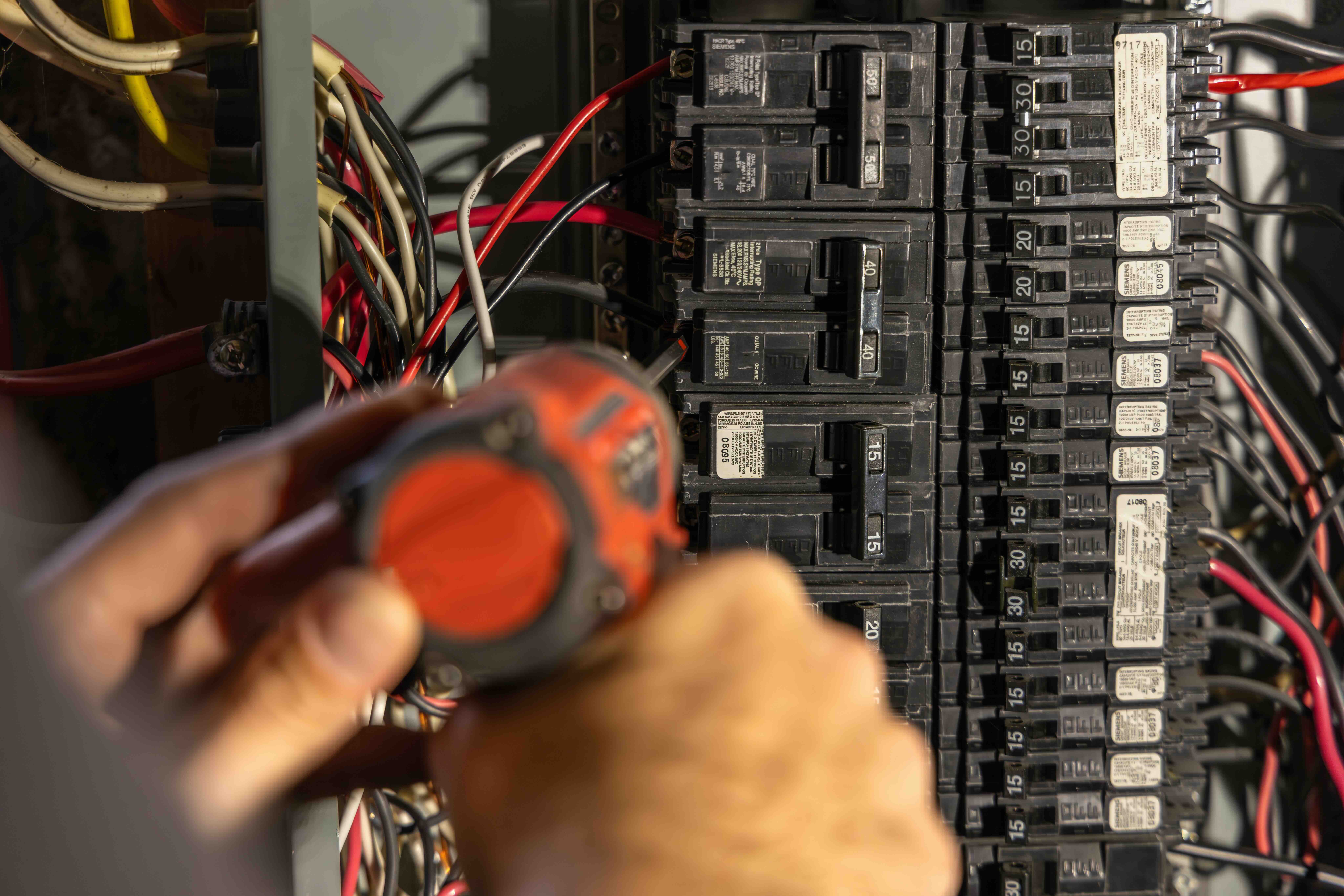
A circuit breaker is essentially the safety valve of your home’s electrical system. It monitors the flow of electricity moving through each circuit and trips — meaning it shuts itself off — when it detects an overload or fault condition. Think of it as a protective mechanism that interrupts power before wiring overheats and creates a fire hazard. Every breaker in your panel is assigned to a specific area or set of outlets in your home, which is why tripping one only affects part of the house. The breaker itself is a mechanical switch with a built-in sensor, and like any mechanical component, it can wear out, malfunction, or signal a deeper problem within the circuit it controls.
The Most Common Reasons a Breaker Won’t Reset
This is where things get specific — and where most homeowners get tripped up, pun intended. A breaker that refuses to reset is almost always trying to tell you something. The most frequent culprits include a circuit overload, a short circuit, a ground fault, or a breaker that has simply reached the end of its useful life. Overloads happen when too many devices draw power from a single circuit simultaneously. Short circuits occur when a hot wire touches a neutral wire, causing a sudden surge. Ground faults are similar but involve a hot wire making contact with a ground wire or a grounded surface — and they tend to be more dangerous. In each of these cases, the breaker is doing exactly what it was designed to do. The problem isn’t the breaker refusing to work — the problem is the condition on the circuit that keeps triggering it.
How to Safely Attempt a Reset
Before calling an electrician, there are a few steps worth trying — carefully. First, locate the tripped breaker in your electrical panel. A tripped breaker usually sits in a middle position rather than fully on or fully off. Before resetting it, unplug or turn off everything connected to that circuit. Then push the breaker firmly to the off position before flipping it back to on. If it holds, you may have simply resolved an overload. If it trips again immediately or refuses to latch, do not keep forcing it. Repeatedly resetting a breaker that keeps tripping can cause damage and, more importantly, can create a genuine safety risk. At that point, the situation calls for a licensed electrician — not another reset attempt.

Signs the Problem Goes Beyond the Breaker Itself
Sometimes the breaker is just the messenger. If your breaker trips repeatedly in the same location, emits a burning smell, shows scorch marks around the panel, or makes a buzzing or crackling sound, those are red flags that the issue lives somewhere deeper in the wiring. Damaged insulation, loose connections, or faulty appliances plugged into that circuit can all trigger persistent tripping. Older homes with aluminum wiring or outdated panel types face additional risk because those systems were not designed to handle modern electrical loads. If your home is more than 30 years old and has never had an electrical inspection, a circuit breaker problem is a good reason to schedule one.
Grounded Circuits: Why They Matter More Than You Think
Grounding is one of the most critical safety features in a residential electrical system, and it directly relates to why breakers trip. A grounded circuit provides an alternate path for electrical current to travel in the event of a fault — directing it safely into the earth rather than through a person or a combustible material. Homes built before the 1960s often have ungrounded two-prong outlets, which lack this protective layer entirely. Modern code requires grounded three-prong outlets throughout the home, and for good reason. When a ground fault occurs on a properly grounded circuit, the breaker detects it and trips. Without grounding, that same fault could go undetected until something far worse happens. Ground fault circuit interrupter outlets, commonly called GFCIs, add another level of protection in wet areas like bathrooms and kitchens.
When Breaker Issues Signal It’s Time for a Panel Upgrade
Electrical panels have a lifespan, typically somewhere between 25 and 40 years depending on brand, usage, and environmental conditions. Certain panel brands from the mid-20th century have well-documented reliability issues and are flagged by home inspectors and insurance companies alike. If your home still has one of these panels, or if your current panel lacks the capacity to handle your home’s electrical load, a panel upgrade may be the most practical path forward. Signs that an upgrade is overdue include:
- Frequent breaker trips across multiple circuits
- Breakers that feel warm or hot to the touch
- Flickering lights throughout the home
- A panel that uses fuses instead of breakers
- Insufficient capacity for added appliances or EV charging
What Homeowners Get Wrong About Electrical Repairs
There is a tendency among homeowners to treat electrical issues as either totally minor or totally catastrophic, with very little middle ground. The reality is more nuanced. Some electrical problems are genuinely simple to address — resetting an overloaded circuit after redistributing the load, for instance. Others require licensed professional work and should never be approached as DIY projects. Replacing a breaker, rewiring a circuit, or upgrading a panel all fall into that category. Electrical work done improperly creates fire hazards that may not surface immediately, which makes the stakes higher than most people realize. The right move is always to assess clearly, act safely, and call a professional when the situation warrants it.
How Home Warranties Factor Into Electrical System Coverage
This is where a lot of homeowners have questions — and rightfully so. Home warranties vary significantly in what they cover when it comes to electrical systems. Some plans cover the electrical panel and its components, including breakers, while others limit coverage to specific parts or exclude pre-existing conditions entirely. When a breaker fails due to normal wear and needs replacement, a home warranty with electrical coverage can step in to cover the cost of the repair or the component itself. It is important to read the terms of any warranty carefully, particularly around what constitutes a covered failure versus a pre-existing condition or code violation. Knowing your coverage before something breaks is far better than discovering gaps in your policy when you actually need help.
Why Armadillo Is Worth Considering for Electrical Coverage
When a circuit breaker won’t reset and you are staring down the cost of an electrician, a panel inspection, and potentially a component replacement, having the right home warranty in place changes everything. Armadillo was built specifically for situations like this — practical, real-world home system failures that catch homeowners off guard. As a trusted home warranty provider for electrical systems and whole-home coverage, Armadillo takes a straightforward approach: clear terms, fair pricing, and service that actually shows up when something breaks. If you want to stop guessing what your coverage looks like and start with a plan that matches your home’s actual needs, you can get a free home warranty quote for electrical and system coverage in just a few minutes. No pressure, no runaround — just honest coverage built around how homes actually work.

Frequently Asked Questions About Circuit Breakers and Home Warranty Coverage
Here are the most common questions homeowners ask when dealing with circuit breaker issues and trying to understand what their home warranty will and won’t cover.
Why does my circuit breaker keep tripping even after I reset it?
A breaker that trips repeatedly after being reset usually indicates an ongoing fault condition on that circuit, such as an overloaded circuit, a short circuit, a ground fault, or a failing breaker. Unplugging devices and trying again can help identify an overload, but if the breaker trips without any load on the circuit, an electrician should inspect the wiring.
Is it safe to reset a tripped circuit breaker myself?
Yes, it is generally safe to attempt a single reset following the correct process: switch the breaker fully off before pushing it back to the on position. However, if the breaker will not stay on, trips immediately, smells like burning, or shows visible damage, stop attempting resets and contact a licensed electrician.
What does it mean when a circuit breaker won’t click back on at all?
If the breaker does not latch into the on position, it is likely either mechanically failed or there is a persistent fault on the circuit preventing it from holding. A breaker that physically will not engage needs to be replaced by a licensed electrician. Continued force will not resolve the issue.
Does a home warranty cover circuit breaker replacement?
Many home warranties with electrical system coverage do include circuit breakers as a covered component when they fail due to normal wear and tear. Coverage terms vary by provider, so it is important to confirm what is included in your specific plan before a failure occurs.
What is a ground fault, and how is it different from a short circuit?
A ground fault occurs when a live wire makes unintended contact with a grounded surface or the ground wire, creating an unintended current path. A short circuit happens when a live wire contacts a neutral wire. Both can cause a breaker to trip, but ground faults are particularly dangerous because they can occur in wet environments and pose a significant shock risk.
How do I know if my electrical panel needs to be replaced?
Signs that a panel replacement may be needed include frequent unexplained tripping, breakers that feel warm, flickering lights, visible corrosion or burn marks inside the panel, or an older panel brand with a known history of failure. A licensed electrician can perform an inspection and provide an accurate assessment.
Are GFCI outlets related to circuit breakers?
GFCI outlets and circuit breakers both serve protective functions, but they operate independently. A GFCI outlet protects against ground faults at the outlet level and can be reset with a button on the outlet face. A circuit breaker protects the entire circuit at the panel level. If a GFCI outlet trips, try pressing the reset button on the outlet itself before checking the panel.
Can a bad appliance cause a circuit breaker to trip?
Yes. A failing appliance with damaged internal wiring can create a short circuit or ground fault that causes the connected circuit breaker to trip. If unplugging a specific appliance stops the tripping, that appliance is likely the source of the problem and should be repaired or replaced.
How long do circuit breakers typically last?
Circuit breakers are generally rated for a lifespan of 30 to 40 years under normal conditions, though individual breakers can fail earlier due to wear, repeated trips, or manufacturing defects. Breakers that have tripped many times over the years may lose their ability to hold reliably and may need replacement even before reaching that age threshold.
What should I do if I smell burning near my electrical panel?
A burning smell near the electrical panel is a serious warning sign that should not be ignored. Turn off the main breaker if it is safe to do so, leave the home, and call an electrician immediately. Do not attempt to open the panel or investigate further on your own. This type of issue can indicate arcing or overheating that poses a fire risk.