Why Winterizing Your Home Is One of the Smartest Things You Can Do This Fall
Every year, homeowners across the country are caught off guard by the same thing: a pipe that froze and burst overnight, a heating system that quit during the first cold snap, or a drafty house that suddenly costs twice as much to heat. Winter does not ease into your home gently. It arrives, and it finds every vulnerability you left unaddressed. Winterizing your home is not a weekend project for the overly cautious — it is a practical, cost-effective set of steps that protects your systems, your appliances, and your wallet when temperatures fall. This guide walks through exactly what winterization means, how it works, and what every homeowner should have on their checklist before cold weather settles in for good.
What Does It Mean to Winterize a Home
Winterizing a home refers to the process of preparing your property, its systems, and its structural components to handle cold temperatures without suffering damage or significant efficiency loss. The concept covers a wide range of tasks — from sealing air leaks around windows and doors to draining outdoor plumbing lines, servicing your heating system, and inspecting your roof for vulnerabilities. Think of it as a full-home audit focused specifically on cold-weather readiness. It is not a single task; it is a coordinated series of actions designed to keep your home functioning safely and efficiently through the winter months. Done properly, winterization reduces the risk of costly emergency repairs, lowers your monthly energy bills, and extends the lifespan of your major home systems.
The Core Systems Winterization Protects
When people hear “winterize your home,” they often think only about pipes. And yes, frozen pipes are one of the most common and expensive cold-weather disasters a homeowner can face — a single burst pipe can cause thousands of dollars in water damage within hours. But winterization goes well beyond plumbing. It also touches your HVAC system, which is working harder than ever during peak cold months. It includes your water heater, which loses efficiency when ambient temperatures drop in basements or garages. It covers your roof and gutters, where ice dams can form and push water beneath shingles. It even extends to your attic insulation, your fireplace and chimney, your sump pump, and your exterior doors and windows. Every one of these components is vulnerable to cold in its own way, and every one of them benefits from proactive attention before winter arrives.

Your Complete Winterize Home Checklist
A solid winterization checklist is organized by category so nothing slips through. Here is a breakdown of the most important areas to address:
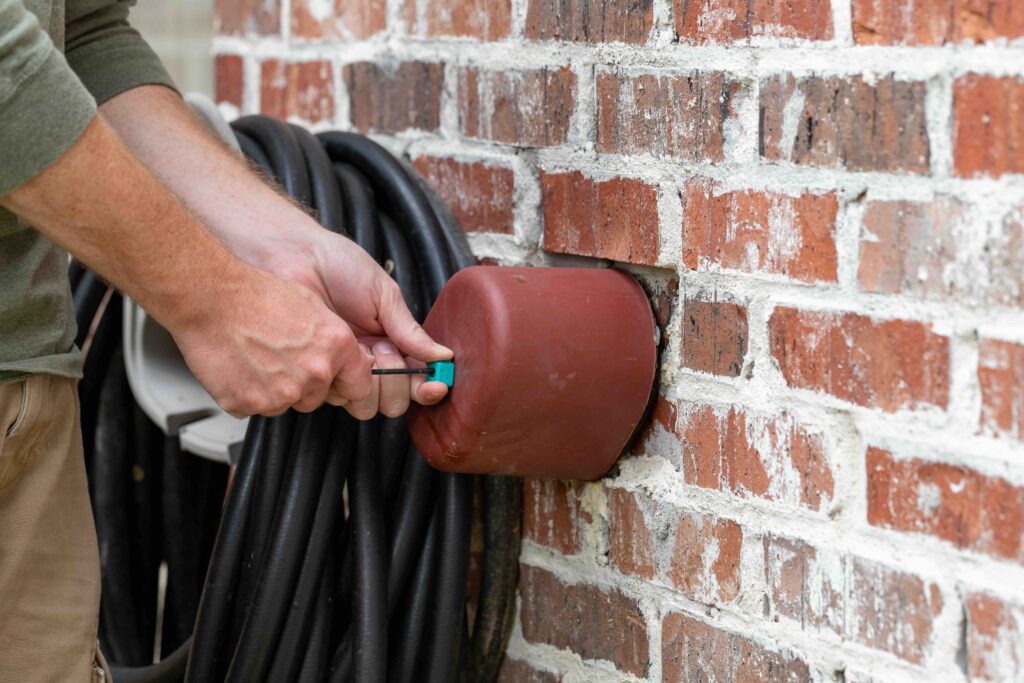
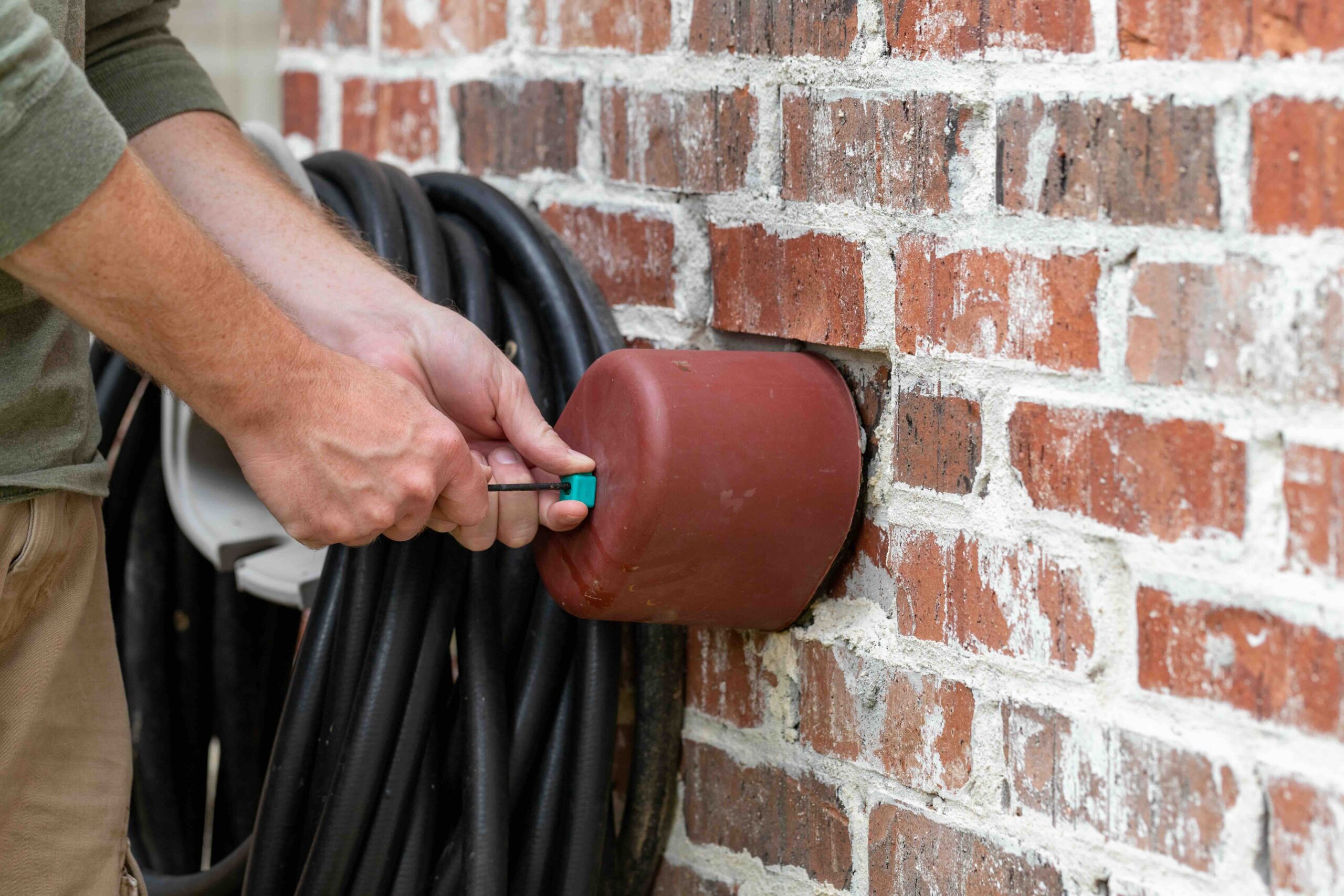
- Flush and drain all outdoor hoses, spigots, and irrigation systems before the first freeze
- Insulate exposed pipes in unheated spaces like crawl spaces, garages, and basements
- Schedule a professional HVAC tune-up and replace furnace filters
- Inspect and clean gutters to prevent ice dam formation
- Seal gaps around windows, doors, and utility penetrations with weatherstripping or caulk
- Check attic insulation levels and add more if needed to prevent heat loss
- Test smoke and carbon monoxide detectors and replace batteries
- Have your chimney and fireplace inspected and cleaned before use
- Test your sump pump and check the discharge line for obstructions
- Reverse ceiling fan direction to clockwise to push warm air down from the ceiling
How a Properly Winterized Home Saves You Money
The financial case for winterizing your home is straightforward. Heating accounts for a significant portion of most household energy bills, and a home with poor insulation or unsealed drafts can lose a substantial amount of that heat before it ever warms the living space. According to the U.S. Department of Energy, air sealing and adding insulation can cut heating and cooling costs by up to 15 percent annually. That compounds over time. Beyond energy savings, proactive winterization reduces the likelihood of emergency repair calls — which almost always come at the worst possible time, cost more than planned maintenance, and can leave you without heat or running water for extended periods. Prevention is simply less expensive than repair, in every category.
Common Winterization Mistakes Homeowners Make
Even well-intentioned homeowners miss things. One of the most common oversights is skipping the HVAC inspection under the assumption that the system worked fine last year. Heating systems accumulate wear, and a unit that ran without issue in the previous season may be operating at reduced efficiency or on the edge of a component failure. Another frequent mistake is forgetting secondary water sources — outdoor showers, pool equipment lines, and irrigation backflow preventers all need to be properly drained and protected. Homeowners also frequently underestimate attic ventilation, which plays a role in preventing ice dams. Blocking attic vents to keep warm air in actually creates the conditions that allow ice dams to form on the roof edge. Knowing what not to do is just as important as the checklist itself.
When to Call a Professional Versus DIY
Some winterization tasks are genuinely suited to the average homeowner. Replacing weatherstripping, swapping out furnace filters, reversing ceiling fans, and draining garden hoses are all manageable weekend tasks that do not require a contractor. Others carry more risk if done incorrectly. HVAC servicing, chimney inspections, roof assessments, and anything involving gas lines or electrical components should be handled by licensed professionals. The cost of a professional pre-season tune-up for your furnace is almost always less than an emergency service call mid-January. When in doubt, err on the side of professional assistance. It protects your home, your warranty coverage, and your safety.
The Role of Home Warranties in Winter Home Protection
A home warranty and a winterization checklist are not the same thing — but they work well together. Winterization is preventive; a home warranty is a financial safety net for when covered systems and appliances fail despite your best efforts. Even a perfectly maintained furnace can experience a heat exchanger failure. Even insulated pipes can succumb to an unusually severe cold snap. A home warranty plan that covers major systems like heating, plumbing, and electrical gives you a layer of cost protection that complements the work you put into preparation. It also removes the stress of having to locate a contractor quickly in an emergency — a good home warranty provider handles that coordination for you.
Why Armadillo Is the Right Partner for Winter-Ready Homeowners
Winterizing your home puts you ahead of most homeowners, and that kind of proactive thinking deserves a home warranty partner that matches your standard. Armadillo is built for homeowners who take their home seriously. With transparent coverage, straightforward claims, and a service model designed around simplicity, Armadillo takes the guesswork out of what happens when something breaks. Whether it is your furnace giving out mid-February or a plumbing issue that surfaces after a deep freeze, having the right plan in place changes everything. You can explore what Armadillo’s home warranty coverage for heating and plumbing systems actually looks like — it is designed to be clear, not confusing. And when you are ready to take that next step in protecting your home this winter, you can get a personalized home warranty quote for cold-weather system protection in just a few minutes. Preparation and protection together — that is how you actually win winter.

Frequently Asked Questions About Winterizing Your Home
These are the questions homeowners ask most often when preparing their home for cold weather.
When should I start winterizing my home?
The best time to begin winterizing is early to mid-fall, before temperatures drop below freezing in your region. Starting in September or October gives you time to schedule professional services without competing with peak seasonal demand.
How much does it cost to winterize a home?
Costs vary widely depending on the size of your home and the tasks involved. DIY tasks like weatherstripping and filter changes cost very little. Professional services such as HVAC tune-ups, chimney inspections, and pipe insulation can range from a few hundred to over a thousand dollars total, but typically cost far less than emergency winter repairs.
What happens if I do not winterize my home?
Skipping winterization increases your risk of burst pipes, heating system failures, ice dam roof damage, and significantly higher energy bills. These are not hypothetical risks — they are among the most common and expensive home repair events reported during winter months.
Does a home warranty cover damage from frozen pipes?
Home warranty coverage for frozen or burst pipes depends on the specific plan and provider. Most home warranties cover plumbing system failures under normal wear and use, but damage resulting from neglect or lack of proper winterization may be excluded. Reviewing your plan details before winter is important.
Can I winterize my home myself or do I need a contractor?
Many winterization tasks are homeowner-friendly, including sealing drafts, draining hoses, changing filters, and testing detectors. Tasks involving gas appliances, roofing, chimneys, or HVAC mechanical components should be handled by a licensed professional to ensure safety and maintain any applicable warranties.
How do I prevent pipes from freezing in an unheated space?
Insulating pipes with foam pipe insulation is the most effective method. In extremely cold climates or for pipes in especially vulnerable areas, adding heat tape provides an additional layer of protection. Keeping cabinet doors open under sinks on exterior walls can also help warm air reach the pipes.
What is an ice dam and how does winterization prevent it?
An ice dam forms when heat escaping from the living space warms the roof deck unevenly, melting snow that then refreezes at the cold roof edge. This creates a dam that traps water and can force it beneath shingles, causing leaks. Proper attic insulation and ventilation prevent the uneven roof temperatures that lead to ice dam formation.
Should I drain my water heater as part of winterization?
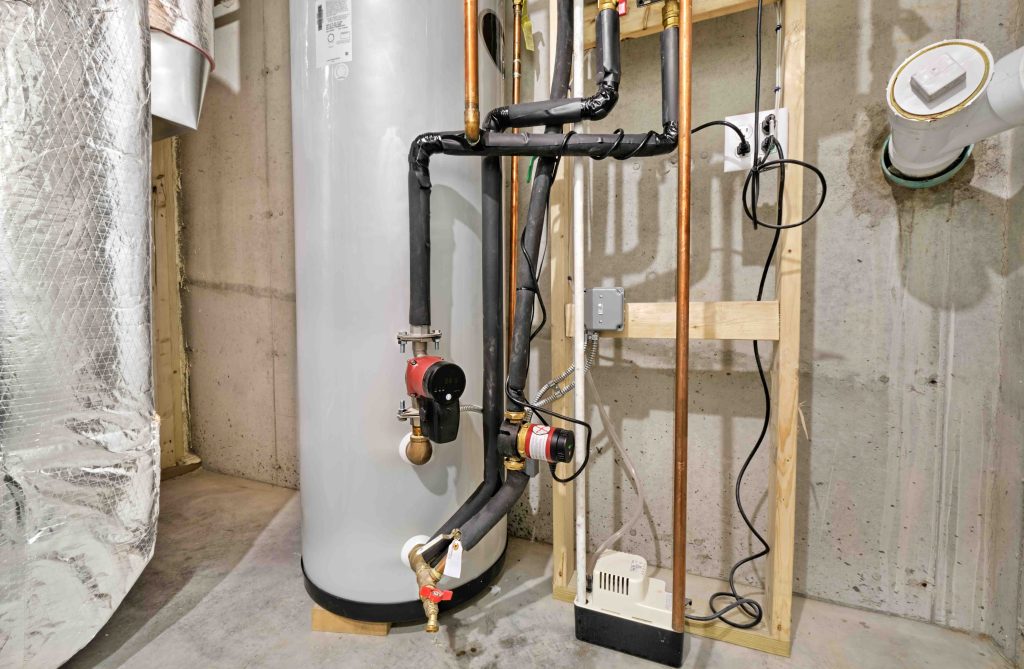
Flushing your water heater annually to remove sediment buildup is a good maintenance practice, and fall is a logical time to do it. If your water heater is located in an unheated space, insulating the tank and the supply pipes leading to it can improve efficiency during winter months.
How do I know if my home is properly insulated for winter?
Signs of inadequate insulation include high heating bills, uneven room temperatures, drafts near walls or ceilings, and ice dams on the roof. A home energy audit, which many utility companies offer at low or no cost, provides a detailed assessment of where your home is losing heat and where insulation upgrades would have the most impact.
Does winterizing my home affect my homeowners insurance?
Homeowners insurance and winterization are related in the sense that insurers may deny or reduce claims for damage that resulted from a failure to maintain the property. Burst pipes caused by neglected winterization, for example, could be treated as a maintenance issue rather than a covered loss. Staying current on winterization protects both your home and your insurance standing.