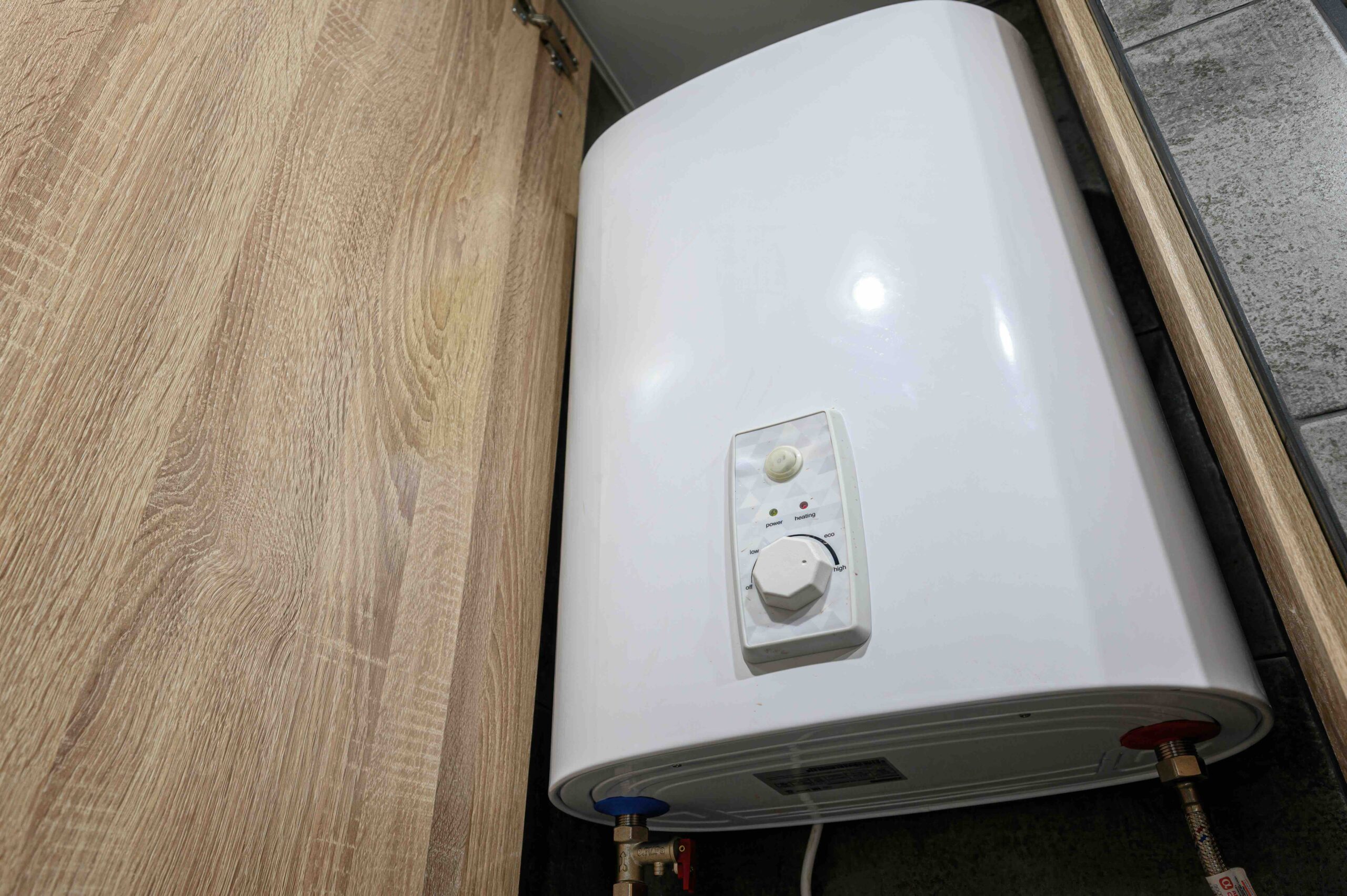
When Your Electric Water Heater Stops Heating: What Every Homeowner Should Know
You turn on the shower, wait for the warm water, and nothing happens. Cold. Completely cold. If you have an electric water heater, that moment of confusion quickly turns into a search for answers. The good news is that a water heater not heating is one of the more common home appliance issues out there, and understanding why it happens can save you time, money, and a lot of frustration. Whether you are dealing with a tripped breaker, a failed heating element, or something called a grounding fault, this article is going to walk you through everything you need to know.
How an Electric Water Heater Actually Works
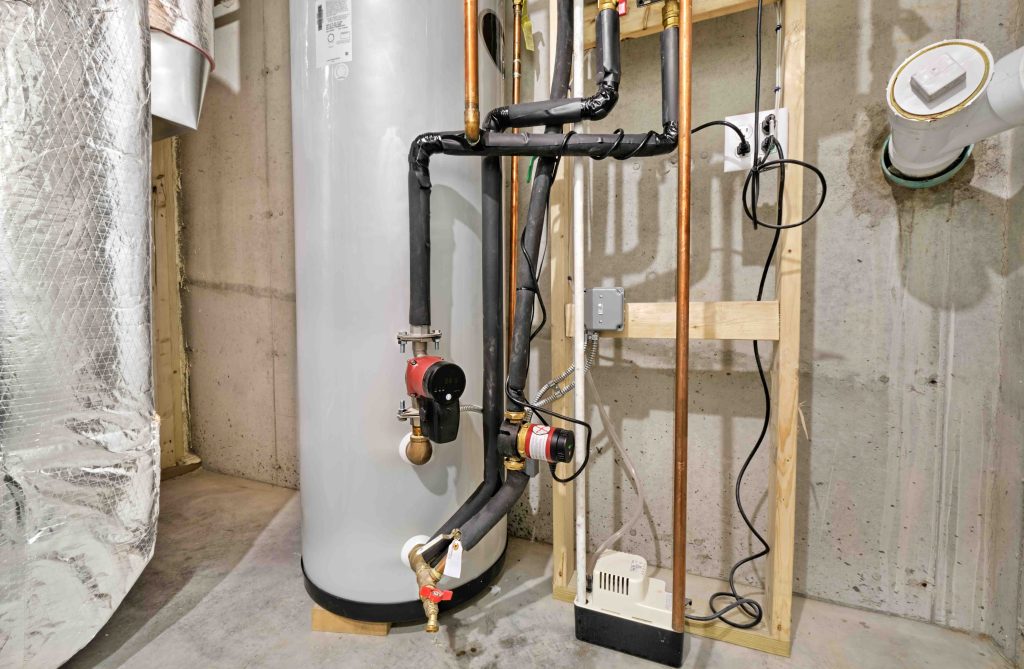
Before jumping into problems, it helps to understand the basics. An electric water heater stores water in an insulated tank, typically ranging from 30 to 80 gallons, and uses one or two electric heating elements to bring that water up to the set temperature. Those elements are controlled by thermostats, usually one upper and one lower, that tell the elements when to kick on and off. A component called the anode rod sits inside the tank to slow corrosion. There is also a pressure relief valve for safety. The whole system draws power from a dedicated 240-volt circuit in your electrical panel. When everything is working together, hot water flows on demand. When one piece of that puzzle fails, the whole experience breaks down fast.
The Most Common Reasons an Electric Water Heater Stops Heating
There are several reasons an electric water heater may stop producing hot water, and not all of them require an immediate service call. Here are the most frequent culprits homeowners encounter:
- A tripped circuit breaker cutting power to the unit entirely
- A failed upper or lower heating element no longer generating heat
- A faulty thermostat not signaling the element to activate
- A tripped high-limit safety switch, sometimes called a reset button
- Sediment buildup insulating the heating elements from the water
- A grounding fault causing the unit to malfunction or trip a breaker
Some of these issues are quick fixes a homeowner can handle. Others require a licensed technician, especially when electrical components are involved. Knowing the difference matters, not just for your safety, but for your home warranty coverage as well.
Understanding a Grounded Water Heater and Why It Matters
The term grounded gets used in two very different ways in home systems, and the distinction is important. In standard electrical terminology, grounding is a safety feature. Every major appliance, including your water heater, should be properly grounded to prevent electrical shock. However, when a technician or home warranty inspector says a water heater is grounded, they may be referring to a grounding fault, which is an entirely different problem. A grounding fault occurs when electrical current travels an unintended path, often through the metal body of the unit itself. This can be caused by a deteriorating heating element that has cracked and allowed water contact, damaged wiring inside the unit, or corrosion over time. A grounding fault is a serious electrical issue that needs professional attention immediately. It can trip breakers repeatedly, cause the unit to stop heating altogether, and in worst-case scenarios, pose a genuine safety hazard.
Signs You May Have a Grounding Fault in Your Water Heater
Grounding faults do not always announce themselves dramatically. Sometimes the symptoms are subtle and easy to misread as something less serious. Watch for these indicators that something electrical may be wrong with your water heater:
- The circuit breaker for the water heater keeps tripping even after being reset
- You notice a slight tingling or shock sensation near the unit or nearby plumbing
- Your GFCI outlets in bathrooms or kitchen are tripping without obvious cause
- The water heater produces no heat despite having power at the breaker
- A burning smell or visible discoloration near the electrical connections
If any of these symptoms appear, stop resetting the breaker repeatedly and call a licensed electrician or plumber. Do not try to inspect internal wiring yourself unless you are qualified to do so.

What a Technician Will Do During a Diagnostic Visit
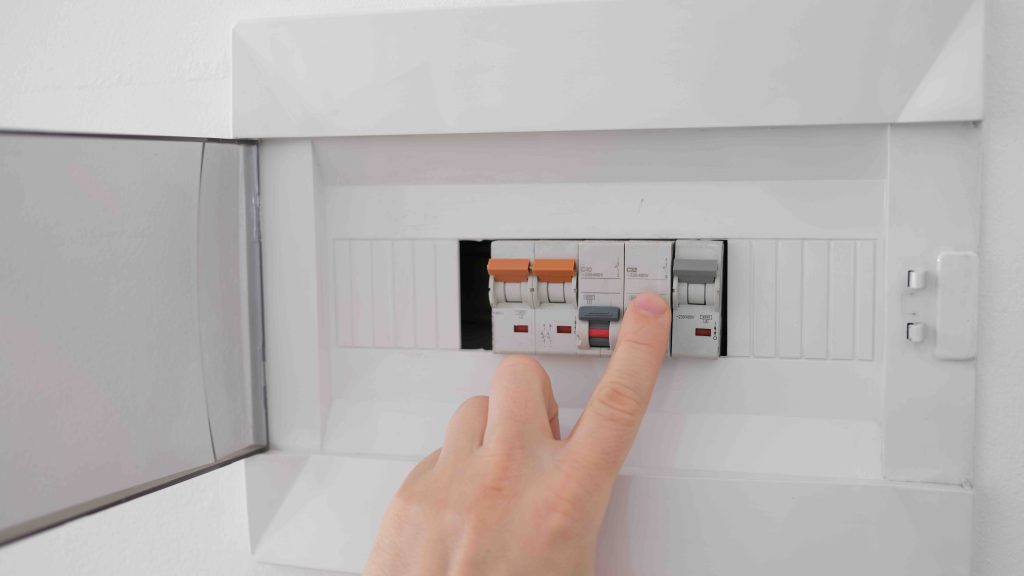
When a professional comes out to assess a water heater that is not heating, their process is fairly methodical. They will typically start at the electrical panel to confirm the breaker is functioning correctly and supplying the right voltage to the unit. From there, they will check the reset button on the high-limit switch, test the thermostats with a multimeter, and then test each heating element for continuity. If an element has failed or shorted to ground, it will show up clearly during element testing. Wiring connections will also be inspected for signs of corrosion, heat damage, or loose terminals. The diagnosis usually takes under an hour, and from that point, the technician can give you a clear picture of what failed, what it will cost to repair, and whether replacement is worth considering instead.
Repair Versus Replace: How to Think Through the Decision
A heating element replacement is one of the more affordable water heater repairs you can encounter, often landing in the range of a straightforward service call plus parts. A grounding fault caused by a failed element typically falls in the same category if the tank itself is in good shape. However, if the unit is more than ten years old, has visible signs of rust or corrosion on the tank exterior, or has had multiple component failures over a short period, replacement may make more financial sense. Water heaters have an average lifespan of eight to twelve years for electric models. If your unit is aging and a grounding fault has caused significant internal damage, putting money into it may only delay an inevitable replacement by a year or two. Talk through the numbers honestly with your technician before committing to a repair.
How Home Warranties Factor Into Electric Water Heater Repairs
This is where things get really relevant for homeowners who have, or are thinking about, a home warranty plan. A home warranty is a service contract that covers the repair or replacement of home systems and appliances when they fail due to normal wear and use. Electric water heaters are typically covered under most home warranty plans, which means if your heating element fails, your thermostat stops working, or you have an internal electrical fault causing the unit not to heat, those repairs may be covered. The key phrase is normal wear and use. Grounding faults caused by component deterioration over time generally fall within that category. Pre-existing conditions, physical damage, or neglected maintenance are common exclusions. Reading your contract carefully before you file a claim will always serve you better than assuming everything is covered.
Maintenance Tips to Prevent Water Heater Problems Before They Start
Preventive care is genuinely underrated when it comes to water heaters. A few simple habits can extend the life of your unit and reduce the likelihood of unexpected failures. Flushing the tank once a year removes sediment buildup that can insulate heating elements and cause them to overheat and fail prematurely. Checking the anode rod every two to three years and replacing it when it is heavily corroded protects the tank lining and reduces the chance of internal corrosion affecting the electrical components. Keeping the area around the unit clear and ensuring the electrical connections are visually inspected during annual maintenance visits are also good practices. None of these tasks require major investment, but all of them contribute meaningfully to the longevity of the system.
Why Armadillo Is the Smart Choice for Electric Water Heater Coverage
When your water heater stops heating, the last thing you want to be doing is scrambling to find a technician, negotiating repair costs, and hoping the bill does not wreck your monthly budget. That is exactly the kind of situation a well-structured home warranty is built for. Armadillo home warranty coverage for electric water heaters and major home systems is designed to make the repair process straightforward, transparent, and genuinely less stressful. No confusing fine print. No hoops to jump through just to get a technician dispatched. If you want to stop treating unexpected appliance failures as financial surprises and start treating them as handled situations, take a few minutes to get a free home warranty quote for electric water heater protection today. Protecting your home systems should feel simple, and with the right plan in place, it genuinely is.

Frequently Asked Questions About Electric Water Heaters Not Heating
Why is my electric water heater not producing any hot water?
The most common causes include a tripped circuit breaker, a failed heating element, a faulty thermostat, or a tripped high-limit safety switch. Start by checking your electrical panel before calling a technician.
What does it mean when a water heater is grounded?
In the home warranty and repair context, a grounded water heater usually refers to a grounding fault, where electrical current is traveling through an unintended path, often due to a cracked heating element or damaged internal wiring.
Is a grounding fault in a water heater dangerous?
Yes, a grounding fault is a serious electrical issue. It can cause repeated breaker trips, complete loss of heating, and in some cases poses a shock or fire hazard. A licensed professional should evaluate it promptly.
Can I reset my electric water heater myself?
You can press the reset button on the high-limit switch yourself, but if the breaker continues to trip after resetting, stop and call a technician. Repeated resetting without resolving the underlying issue can be unsafe.
Does a home warranty cover a water heater that has a grounding fault?
Most home warranty plans cover electric water heater failures caused by normal wear and use, which typically includes component failures like heating elements that cause grounding faults. Review your specific contract for exclusions.
How long do electric water heaters typically last?
Electric water heaters have an average lifespan of eight to twelve years. Units older than ten years that require significant repairs are often better candidates for full replacement than continued repair investment.
How much does it cost to replace a heating element in an electric water heater?
Heating element replacement is generally one of the more affordable water heater repairs, covering the cost of the part plus a standard service call. Costs vary by region and unit type, so getting a written estimate before work begins is always recommended.
Can sediment buildup cause my electric water heater to stop heating?
Yes. Heavy sediment buildup at the bottom of the tank can insulate the lower heating element, causing it to overheat and eventually fail. Annual tank flushing helps prevent this problem.
What is the difference between a thermostat failure and a heating element failure?
A thermostat failure means the control mechanism is not signaling the element to activate, while a heating element failure means the component generating heat has burned out. Both result in no hot water, but they require different repairs and are diagnosed with a multimeter test.
Should I repair or replace my electric water heater if it has a grounding fault?
If the unit is under ten years old and the tank itself is in good condition, repair is often the right call. If the unit is older, has visible corrosion, or has experienced repeated failures, replacement is typically the more cost-effective long-term decision.