When Your Circuit Breaker Keeps Tripping: What It Means and What to Do About It
There is a specific kind of frustration that comes with a circuit breaker that will not stop tripping. You reset it, it trips again. You reset it a second time, and somewhere in the back of your mind you start wondering if something worse is happening inside the walls of your home. That instinct is worth paying attention to. A circuit breaker that repeatedly trips, runs hot to the touch, or smells faintly of burning is not just an inconvenience. It is a signal. Understanding what that signal means, and how your home warranty coverage fits into the picture, can make a real difference in how quickly and affordably you respond.
What a Circuit Breaker Actually Does in Your Home
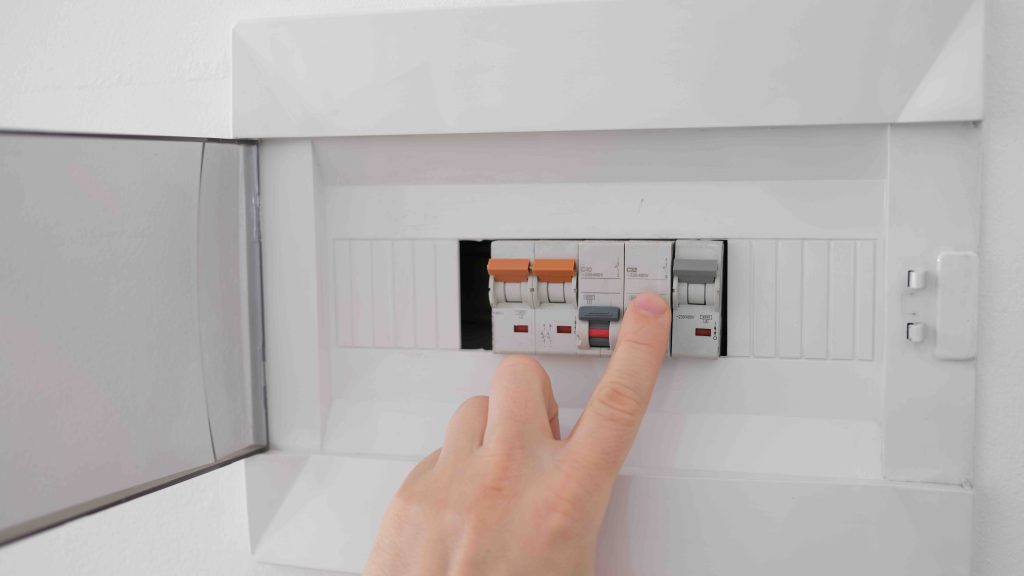
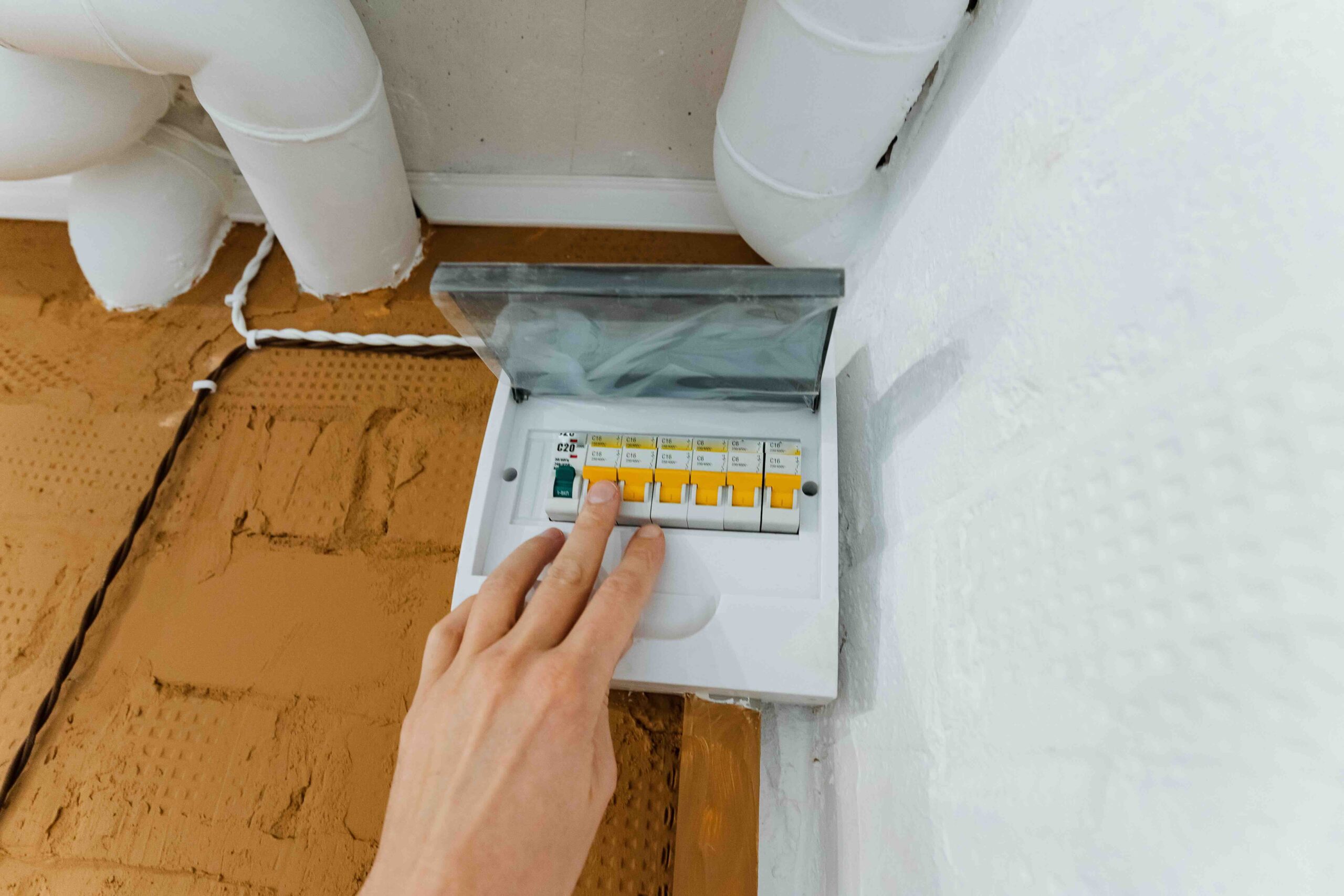
Most homeowners interact with their electrical panel only when something goes wrong, which means the circuit breaker does not get nearly enough credit for what it handles on a daily basis. Put simply, a circuit breaker is a safety device. It monitors the flow of electrical current through a specific circuit in your home, and when that current exceeds a safe threshold, the breaker trips and cuts off power to that circuit. This protects your wiring, your appliances, and your home from overheating, electrical fires, and serious damage. Every major appliance, every outlet cluster, every lighting circuit in your home runs through one of those breakers in your electrical panel. When the system works the way it should, you never have to think about it. When it does not, the breaker is usually the first place the problem shows up.
Why Circuit Breakers Get Hot and What That Tells You
Some warmth around an electrical panel is normal. Electricity moving through wiring and components generates a small amount of heat, and that is expected. What is not normal is a breaker that feels genuinely hot to the touch, that produces a burning smell, or that shows visible signs of scorching or discoloration around the switch. A hot circuit breaker is typically telling you one of a few things: the breaker is being asked to handle more load than it was designed for, the breaker itself is aging and losing its ability to regulate current properly, or there is a loose connection somewhere in the circuit that is generating excess resistance and heat. None of these situations improve on their own, and all of them carry a real risk of fire if left unaddressed.
The Most Common Reasons a Circuit Breaker Trips Repeatedly
A breaker that trips once after you plug in a space heater and a hair dryer on the same circuit is doing exactly what it is supposed to do. A breaker that trips repeatedly, with no obvious cause, is a different conversation. There are several reasons this happens, and identifying the right one matters before any repair work begins.
- Circuit overload: Too many devices drawing power from a single circuit simultaneously, which is the most common cause in older homes
- Short circuit: A hot wire making direct contact with a neutral wire, which causes a sudden spike in current and an immediate trip
- Ground fault: Similar to a short circuit, but occurring when a hot wire contacts a grounded component or surface
- Arc fault: A more subtle issue where damaged or deteriorating wiring creates intermittent sparking inside the walls
- Worn or faulty breaker: An aging breaker that has tripped so many times it no longer holds a reliable connection
Understanding a Grounded Circuit Breaker and Why It Matters
When electricians and home warranty professionals refer to a grounded circuit or a grounded breaker issue, they are describing a situation where electrical current is taking an unintended path to ground. Grounding is actually a critical safety feature in modern electrical systems. It gives excess current somewhere safe to go in the event of a fault, which prevents that current from traveling through a person or igniting a fire inside the walls. The problem arises when grounding is absent, improper, or compromised. Older homes built before modern electrical codes were established sometimes have wiring that lacks proper grounding altogether. In those cases, the risk profile of the entire electrical system is elevated, and circuit breakers work harder to compensate for a system that was never fully equipped to handle modern electrical loads.
Signs You Should Call an Electrician Immediately
Some electrical issues fall into the category of inconvenient but not urgent. Others require a phone call the same day. Knowing the difference protects both your home and the people in it. If you notice any of the following, do not wait to schedule a professional inspection.
- A breaker that trips immediately after being reset, without anything plugged in
- A burning smell coming from the electrical panel or from a specific outlet
- Visible scorch marks, melted plastic, or discoloration on or around the breaker
- Flickering or dimming lights on a circuit that is not overloaded
- A breaker that feels hot or warm without any obvious reason
- Buzzing or crackling sounds coming from the panel or from inside the walls
How Old Is Too Old? The Lifespan of a Circuit Breaker
Circuit breakers are built to last, but they are not built to last forever. Most manufacturers rate their breakers for somewhere between 30 and 40 years under normal operating conditions. The reality is that breakers in many homes are pushed harder than normal conditions would suggest, especially in households with high electrical demand or in older homes where the panel has never been updated. A breaker that has tripped hundreds of times over its lifespan may not hold its rated capacity reliably anymore. This is worth keeping in mind if your home is more than 20 or 25 years old and you have never had the electrical panel evaluated by a licensed electrician. The cost of a panel inspection is modest compared to what a failing breaker can lead to.
What Home Warranty Coverage Looks Like for Electrical Systems
This is where a lot of homeowners find themselves surprised, sometimes pleasantly and sometimes not. Home warranty plans vary significantly in what they cover within the electrical system category. A solid plan typically covers the repair or replacement of components that fail due to normal wear and use, which can include circuit breakers, wiring within the home, and related components of the electrical panel. What coverage generally does not include is pre-existing conditions, code violations, or damage caused by external events like power surges or flooding. Reading the terms of your specific plan carefully before a problem occurs is genuinely one of the most useful things a homeowner can do. Knowing what your warranty covers means you know exactly who to call and what to expect when something fails.
Why Armadillo Is the Right Home Warranty Partner for Electrical System Issues
Electrical problems are stressful, and the last thing a homeowner needs in that moment is to deal with a home warranty company that makes the claims process harder than the repair itself. That is exactly the kind of experience Armadillo was built to eliminate. When a circuit breaker in your home starts running hot, tripping constantly, or showing signs of a grounding issue, Armadillo’s home warranty coverage for electrical systems and circuit breakers is designed to get you connected to a qualified professional quickly, without the runaround. The plans are straightforward, the coverage is transparent, and the process is built around making your life easier, not more complicated. If you want to know exactly what your home would be covered for before anything goes wrong, you can get a free home warranty quote for electrical and circuit breaker protection in just a few minutes. That kind of peace of mind is worth having before the panel starts acting up, not after.

Frequently Asked Questions About Circuit Breakers, Heat, and Home Warranty Coverage
These are some of the questions homeowners ask most often when dealing with circuit breaker issues, whether they are trying to understand the problem or figure out what their warranty actually covers.
Is it normal for a circuit breaker to feel warm?
Mild warmth near an electrical panel can be normal, but a breaker that feels genuinely hot to the touch is not. That level of heat typically indicates an overloaded circuit, a failing breaker, or a loose connection that needs professional attention.
How many times can a circuit breaker be reset before it needs to be replaced?
There is no fixed number, but circuit breakers do wear out over time with repeated tripping and resetting. If a breaker trips frequently or no longer holds after being reset, it is likely near the end of its useful life and should be inspected by an electrician.
What does it mean when a circuit breaker trips but nothing is plugged in?
This is a sign of a more serious issue, such as a short circuit, a ground fault, or internal failure within the breaker itself. This situation warrants an immediate call to a licensed electrician rather than repeated reset attempts.
Can a bad circuit breaker cause a fire?
Yes. A circuit breaker that is failing, overloaded, or showing signs of arcing can generate enough heat to ignite surrounding materials. This is one of the leading causes of residential electrical fires, and it is the primary reason circuit breakers should never be ignored when they begin behaving abnormally.
Does a home warranty cover circuit breaker replacement?
Many home warranty plans do cover circuit breaker repair and replacement when failure is due to normal wear and use. Coverage varies by provider and plan, so reviewing your contract terms carefully is important before filing a claim.
What is the difference between a tripped breaker and a blown fuse?
A tripped breaker can be reset by flipping the switch back to the on position. A blown fuse has a physical element inside that burns out and must be replaced entirely. Fuse boxes are common in older homes and have largely been replaced by modern circuit breaker panels.
What causes a circuit to become overloaded?
An overloaded circuit happens when the combined electrical demand of devices on that circuit exceeds what the wiring and breaker can safely handle. This is common in older homes where a limited number of circuits were installed before modern appliances became standard.
How do I know if my home has a grounding problem?
Common signs include receiving small shocks when touching appliances, outlets that have only two prongs instead of three, or a licensed electrician identifying improper or absent grounding during an inspection. Older homes built before the 1960s are particularly prone to this issue.
How long does a typical circuit breaker last?
Most circuit breakers are rated for 30 to 40 years under normal conditions. Breakers in homes with high electrical demand or outdated panels may wear out sooner. If your home’s electrical panel has never been evaluated and is more than 20 years old, a professional inspection is a worthwhile investment.
When should I consider a full electrical panel upgrade instead of just replacing a breaker?
If your panel is consistently overloaded, if multiple breakers are failing, if your home still uses a fuse box, or if a licensed electrician identifies code violations or safety concerns during an inspection, a full panel upgrade may be the safer and more cost-effective long-term solution.