What Is an HVAC System and Why Does It Matter for Your Home?
Your home’s HVAC system — heating, ventilation, and air conditioning — is arguably the hardest-working system under your roof. It keeps you warm in January, cool in July, and breathing air that is not recycled stale air for months on end. Most homeowners interact with it every single day without giving it a second thought. Until something breaks. That is usually when the questions start, and sometimes, so does the financial stress. Understanding what your HVAC system actually does, how it works, and what it costs to maintain or replace is one of the smarter investments of your time as a homeowner.
How an HVAC System Actually Works
At its core, an HVAC system manages three things: temperature, air quality, and humidity. The heating component is typically a furnace or heat pump that generates or transfers warm air through your home using a network of ducts. The cooling side, your air conditioner or the cooling function of a heat pump, removes heat from indoor air and pushes it outside. Ventilation cycles fresh air in while pushing stale air out, which also helps remove moisture, odors, and airborne particles. These three functions work together, often controlled by a single thermostat, to maintain comfort throughout the home. Modern systems are increasingly connected to smart thermostats and home automation platforms, giving homeowners more precise control than ever before.
The Different Types of HVAC Systems Available to Homeowners
Not every home runs on the same type of system, and knowing which one you have — or which one you need — makes a real difference when it comes to cost, efficiency, and repair decisions. Split systems are the most common in the United States, featuring an indoor air handler and an outdoor condenser unit. Packaged systems house everything in one exterior unit, which is more common in homes without basements or large utility spaces. Ductless mini-split systems work without ductwork and are ideal for room additions, older homes, or spaces where running ducts is impractical. Heat pumps serve double duty as both heating and cooling systems and are gaining popularity in moderate climates due to their energy efficiency. Geothermal systems are the most efficient option available, using the stable temperature of the earth to regulate your home’s climate, though they come with significantly higher upfront installation costs.

What Does It Cost to Install or Replace an HVAC System?
This is where a lot of homeowners get caught off guard. HVAC system costs vary significantly based on system type, home size, regional labor rates, and equipment brand. On average, a central air conditioning unit installation runs between $3,800 and $7,500. A full HVAC system replacement — including both heating and cooling components — typically falls in the range of $6,000 to $12,000, though complex installs or premium equipment can push that number well above $15,000. Ductless mini-split systems generally cost between $2,000 and $14,500 depending on the number of zones. Heat pumps average between $4,000 and $10,000 installed. Geothermal systems can run anywhere from $15,000 to $30,000 or more due to the excavation and installation involved. These are not small numbers, which is exactly why protecting your HVAC investment matters.
Key Advantages of a Modern, Well-Maintained HVAC System
When your HVAC system is functioning properly and up to date, the benefits extend well beyond basic comfort. Here is what a quality system actually delivers:
- Improved indoor air quality through filtration and proper ventilation, reducing allergens, dust, and airborne contaminants
- Lower energy bills when a high-efficiency system replaces an older, inefficient model
- Consistent temperature control throughout the home, eliminating hot and cold spots
- Better humidity management, which protects both your comfort and your home’s structural integrity
- Higher resale value — buyers pay attention to HVAC age and condition when evaluating homes
- Reduced carbon footprint when high-efficiency or heat pump systems replace older fossil fuel-dependent equipment
Common Drawbacks and Challenges to Know About
No system is without its complications. HVAC systems are expensive to install and repair, and the costs can arrive suddenly and without much warning. Older systems often become inefficient long before they stop working entirely, meaning you may be paying more in energy costs than you realize. Maintenance is not optional — skipping annual tune-ups accelerates wear and can void equipment warranties. Ductwork in older homes is frequently leaky or undersized, reducing efficiency even when the equipment itself is functioning well. Refrigerant handling requires licensed technicians, and refrigerant costs have risen sharply in recent years following regulatory phase-outs. And in regions with extreme temperatures, an HVAC failure is not just inconvenient — it can be a genuine safety concern, especially for elderly residents or households with young children.
Practical Maintenance Tips Every Homeowner Should Follow
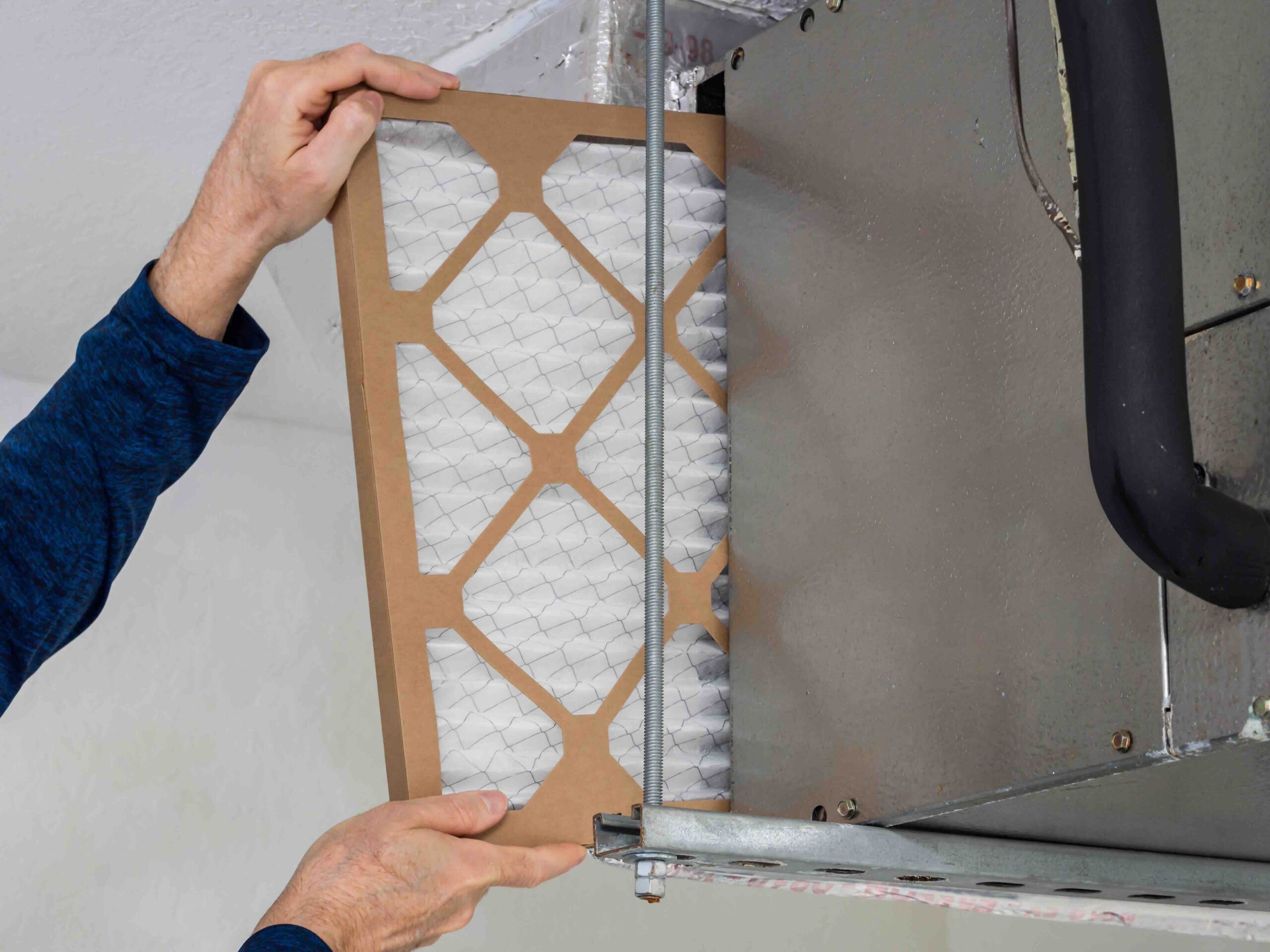
The good news is that a lot of costly HVAC problems are preventable with consistent, straightforward maintenance habits. Replacing air filters every one to three months is the single most impactful thing most homeowners can do. Dirty filters restrict airflow, force the system to work harder, and shorten equipment life. Scheduling a professional tune-up once or twice per year — once before cooling season and once before heating season — allows a technician to catch small issues before they escalate. Keeping the outdoor condenser unit clear of debris, vegetation, and obstructions ensures proper airflow and heat exchange. Checking that vents and registers are open and unobstructed throughout the home prevents pressure imbalances that stress the system. Programmable or smart thermostat use also reduces unnecessary runtime and wear on components.
When to Repair Versus When to Replace Your HVAC System
This is one of the most common questions homeowners face, and the answer depends on a few key factors. A general rule of thumb in the industry is this: if the cost of the repair exceeds 50 percent of the cost of a new system, and the existing unit is more than ten years old, replacement is usually the smarter financial decision. HVAC systems have an average lifespan of 15 to 20 years for furnaces and 10 to 15 years for air conditioning units, though this varies based on usage, maintenance history, and equipment quality. Increasing repair frequency, rising energy bills, inconsistent temperatures, and unusual noises are all signs that a system is reaching the end of its reliable service life. Acting proactively rather than waiting for a total failure gives you more time to budget and compare options.
How a Home Warranty Can Protect You From HVAC Repair and Replacement Costs
Given the high cost of HVAC repairs and replacements, a home warranty is one of the most practical financial tools available to homeowners. When an HVAC component breaks down due to normal wear and use, a home warranty plan typically covers the cost of diagnosis, parts, and labor — significantly reducing your out-of-pocket exposure. This is particularly valuable for homeowners with older systems who face a realistic probability of needing a repair in the next few years. Rather than waiting for a $4,000 compressor failure or a $1,500 furnace repair to arrive unannounced, a home warranty converts that unpredictable risk into a manageable monthly cost. If you are looking for a straightforward way to protect one of the most expensive systems in your home, Armadillo’s home warranty coverage for HVAC systems and major appliances is worth a serious look. The plans are transparent, the coverage is honest, and the claims process is designed to be simple — not a maze of fine print. When you are ready to stop hoping your system holds together and start having real protection in place, you can get a personalized home warranty quote that includes HVAC coverage in just a few minutes.

Frequently Asked Questions About HVAC Systems and Home Warranty Coverage
Here are answers to the questions homeowners ask most often about HVAC systems, costs, and protection options.
How long does a typical HVAC system last?
Most central air conditioning units last 10 to 15 years, while furnaces typically last 15 to 20 years with proper maintenance. Heat pumps generally fall in the 15-year range. Age, maintenance frequency, and usage patterns all affect actual lifespan.
What is included in an HVAC tune-up?
A standard HVAC tune-up includes inspecting and cleaning components, checking refrigerant levels, testing electrical connections, lubricating moving parts, inspecting the heat exchanger, and verifying thermostat accuracy. Most technicians also check airflow and filter condition during the visit.
How much does HVAC repair typically cost?
Common HVAC repairs range from $150 for minor issues like thermostat replacement to over $2,500 for compressor or heat exchanger failures. The national average for an HVAC repair call falls between $150 and $500, not including major component replacements.
Does a home warranty cover HVAC systems?
Yes, most home warranty plans cover HVAC systems, including breakdowns of the heating and cooling components due to normal wear and use. Coverage details vary by provider and plan, so reviewing what is specifically included and excluded is important before purchasing.
What HVAC problems are typically not covered by a home warranty?
Home warranties generally do not cover pre-existing conditions, damage resulting from improper installation, lack of maintenance, or physical damage. Some plans also exclude certain components like ductwork or refrigerant unless specifically added to the coverage terms.
What is the most energy-efficient type of HVAC system?
Geothermal heat pump systems are currently the most energy-efficient option available, with efficiency ratings far exceeding conventional systems. Air-source heat pumps are a close and far more affordable alternative, particularly in moderate climates where temperatures rarely reach extremes.
How often should I replace my HVAC air filter?
Most standard 1-inch filters should be replaced every one to three months. Thicker media filters may last three to six months. Homes with pets, allergy sufferers, or high dust levels typically require more frequent changes to maintain proper airflow and air quality.
Can I install a new HVAC system myself?
HVAC installation is not a DIY project for most homeowners. It requires handling refrigerants, working with electrical systems, and sizing equipment correctly for the home — all of which require licensed professionals. Improper installation can void equipment warranties and create safety hazards.
What size HVAC system does my home need?
HVAC sizing is based on a load calculation that accounts for your home’s square footage, insulation levels, ceiling height, window count, and climate zone. An undersized or oversized system both cause problems, so proper sizing by a qualified technician is essential for efficiency and comfort.
Is it worth getting a home warranty on an older HVAC system?
Generally, yes. Older systems carry a higher probability of experiencing breakdowns, which is exactly the scenario a home warranty is designed to address. Coverage helps offset the cost of unexpected repairs and can provide a financial bridge while you plan for a full replacement.