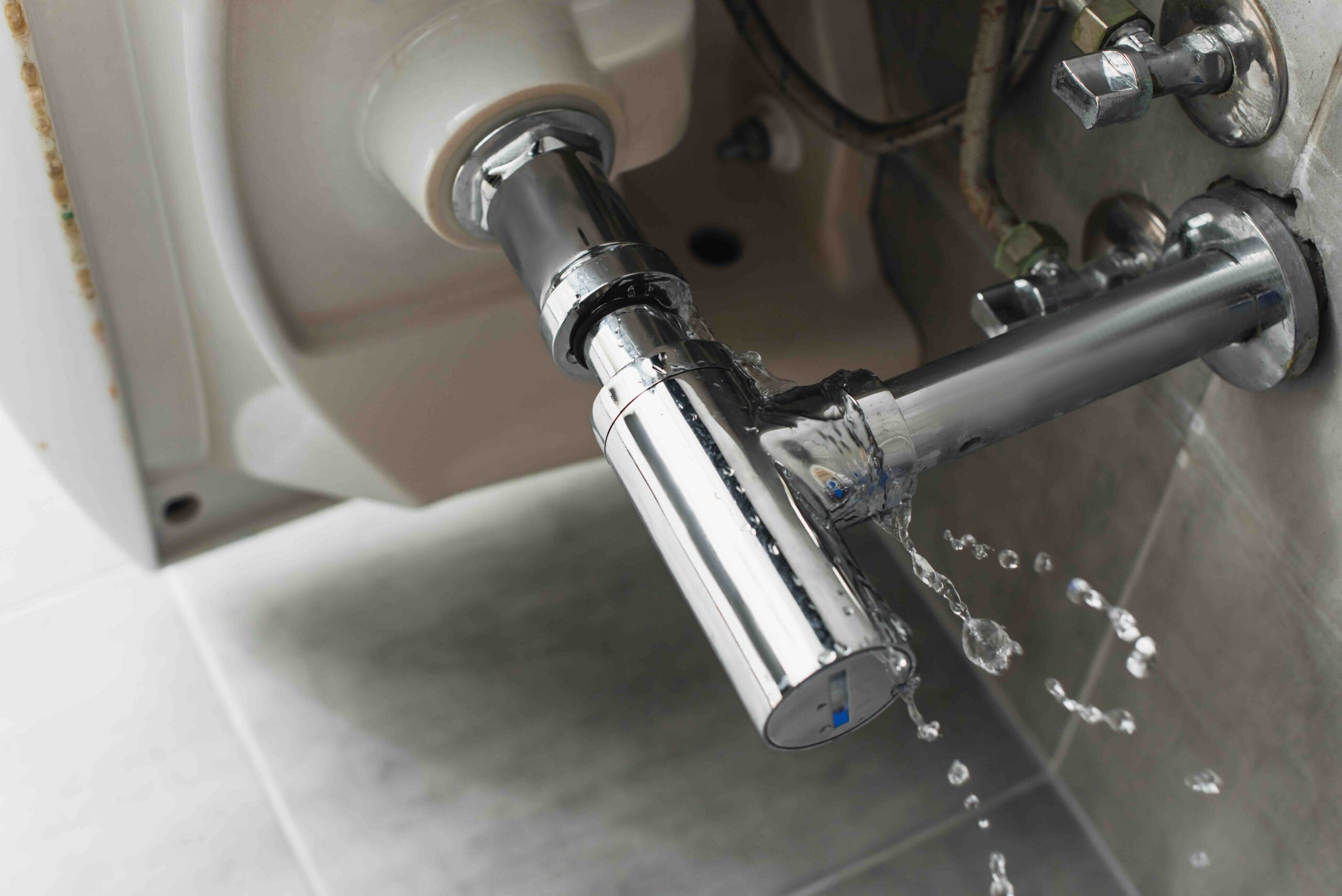
Bathroom Pipe Leaks: What Every Homeowner Needs to Know
A dripping sound behind your bathroom wall or a mysterious puddle under the vanity is one of those homeowner moments that immediately shifts the mood. Bathroom pipe leaks are among the most common plumbing issues in residential homes, and yet they are also among the most misunderstood. Some leaks are minor inconveniences. Others are slow-moving disasters that quietly damage flooring, subfloor, cabinetry, and even structural framing before anyone notices. Understanding how your bathroom plumbing system works, what causes it to fail, and what your options are when something goes wrong puts you in a much better position than just hoping for the best.
How Your Bathroom Plumbing System Actually Works
Your bathroom relies on two distinct pipe systems working in coordination. The supply lines bring pressurized hot and cold water to your sink, toilet, shower, and bathtub. The drain-waste-vent system then carries used water and waste out of the home while maintaining proper air pressure to keep everything flowing correctly. Supply lines are typically made from copper, CPVC, PEX, or galvanized steel depending on the age of your home. Drain lines are usually PVC or ABS plastic in modern construction, though older homes may still have cast iron or galvanized steel. Each material ages differently, responds to pressure and temperature fluctuations differently, and fails in its own distinct way. That variation matters a lot when you are trying to diagnose a leak or anticipate where the next one might show up.
Common Causes of Bathroom Pipe Leaks
Knowing what actually causes pipes to leak helps you catch problems earlier and avoid the kind of damage that turns a simple repair into a major renovation project. The causes vary by pipe type, location, and home age, but a few culprits show up repeatedly.
- Corrosion in older galvanized or copper pipes that gradually weakens the pipe wall
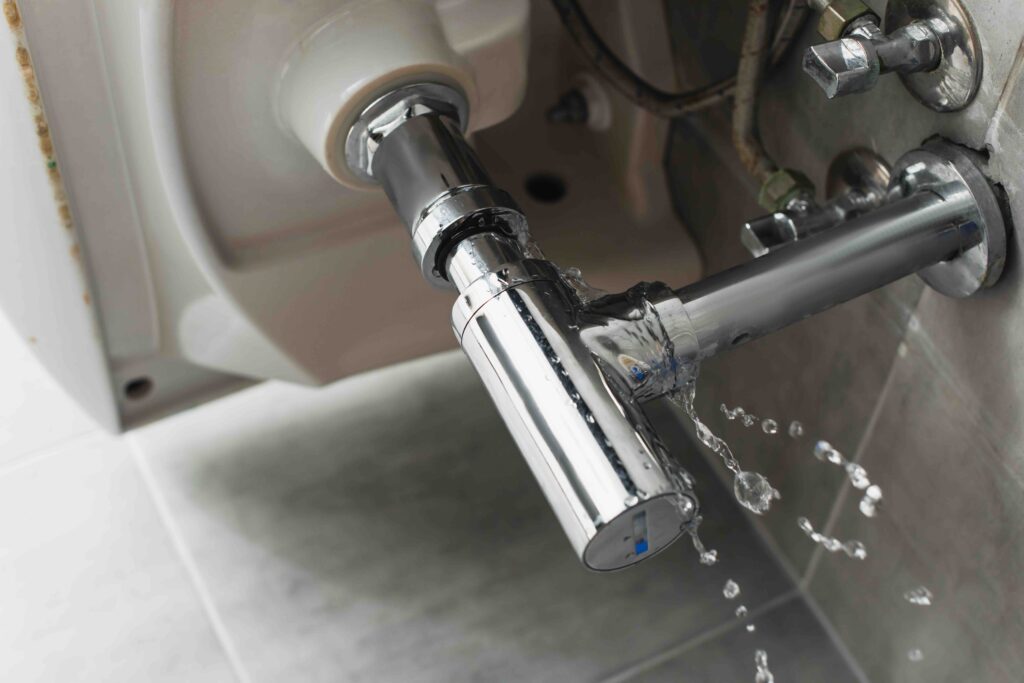
- Loose or deteriorated fittings and compression connections under sinks and behind toilets
- High water pressure that stresses joints and seals over time
- Shifting or settling in the home’s structure that causes pipes to move or crack
- Worn wax rings or supply line connections at the toilet base
- Cracked caulk or grout around tub and shower surrounds that allows water to reach the framing
- Frozen pipes in unconditioned spaces that expand and split
Warning Signs You Should Never Ignore
Bathroom pipe leaks rarely announce themselves dramatically. More often, they send quiet, easy-to-dismiss signals for weeks or months before the real damage becomes visible. A slight musty smell in a bathroom that otherwise appears clean is often the first sign. Soft spots in flooring near the toilet or tub suggest water has been sitting beneath the surface long enough to compromise the subfloor. Paint or wallboard that bubbles, stains, or peels near plumbing fixtures almost always indicates moisture behind the wall. Water meter movement when no fixtures are in use is another reliable indicator. And of course, higher-than-normal water bills without a clear explanation deserve immediate attention. Catching a leak at the first warning sign rather than the fifth can mean the difference between a modest repair bill and a full bathroom gut job.

The Real Cost of Ignoring a Bathroom Pipe Leak
This is where things get uncomfortable for a lot of homeowners. A small leak that gets addressed quickly might cost a few hundred dollars to fix. Let that same leak go undetected for a few months and you are looking at a very different financial situation. Water damage restoration, mold remediation, subfloor replacement, and tile work can collectively push repair costs into the thousands. Mold is a particular concern because it develops rapidly in damp, enclosed spaces like wall cavities and under flooring, and remediation is rarely cheap or simple. Beyond the financial impact, long-term water exposure can compromise the structural integrity of the floor system, especially in second-floor bathrooms where the ceiling below becomes part of the damage equation. The math on acting quickly is not complicated.
DIY Versus Professional Repair: How to Know the Difference
Not every bathroom pipe leak requires a licensed plumber, but knowing which ones do is genuinely important. Replacing a worn supply line under a sink or tightening a loose compression fitting are reasonable DIY tasks for someone comfortable with basic home repairs. Swapping a toilet wax ring is more involved but still within reach for a methodical homeowner. However, any leak that involves pipes inside the wall, under the slab, or within the shower pan assembly typically requires professional diagnosis and repair. Cutting into walls or floors without a clear understanding of what is behind them creates more problems than it solves. A licensed plumber has the diagnostic tools, including moisture meters and sometimes camera equipment, to locate the source of a leak accurately before any demolition takes place.
Preventive Maintenance That Actually Makes a Difference
Bathroom plumbing does not need constant attention, but a small amount of routine maintenance goes a long way toward preventing leaks in the first place. Inspecting supply line hoses under sinks and behind toilets once a year takes only a few minutes and can catch early signs of deterioration before a failure occurs. Braided stainless steel supply lines are a worthwhile upgrade over standard plastic or rubber ones. Monitoring your water pressure with an inexpensive gauge and keeping it in the recommended range of 40 to 60 PSI reduces stress on all your home’s plumbing connections. Resealing caulk around tubs and showers every few years prevents water intrusion at the edges of the surround. And knowing where your main water shutoff valve is located before an emergency happens is one of the simplest and most overlooked forms of home preparedness.
What Home Warranties Cover When It Comes to Plumbing Leaks
A home warranty is not the same as homeowners insurance, and understanding the difference matters when a bathroom pipe leak occurs. Homeowners insurance typically covers sudden and accidental water damage caused by a covered peril, but it generally does not pay for the plumbing repair itself. A home warranty, on the other hand, focuses on the repair or replacement of home systems and appliances that fail due to normal wear and tear. Most standard home warranty plans include interior plumbing as a covered system, which means the cost of repairing a leaking pipe, a failed supply line, or a broken fixture connection may be covered under your plan after a service call fee. Coverage terms vary by provider and plan, so reviewing what is and is not included before a leak happens is always the smarter approach.
Limitations and Gaps Worth Understanding
Home warranties provide real financial protection, but they are not unlimited. Most plans exclude pre-existing conditions, which means a leak that existed before your coverage began may not be eligible for a claim. Secondary damage, such as the flooring, cabinetry, or drywall harmed by the leak, typically falls outside standard plumbing coverage and would need to be addressed through homeowners insurance instead. Some plans also have coverage caps on plumbing repairs, and certain components like shower pans or jetted tub systems may require optional add-on coverage. Reading the service agreement carefully and asking questions upfront is the only way to know exactly where your protection begins and ends.
Why Armadillo Is the Right Partner When Bathroom Plumbing Fails
When a bathroom pipe leak surfaces, the last thing you want to spend time doing is navigating a confusing claims process or waiting days for a contractor callback. Armadillo was built around a different idea: that home warranty coverage should be simple, transparent, and actually useful when something breaks. As a trusted home warranty provider for plumbing system protection, Armadillo covers the interior plumbing components that homeowners rely on every day, with clear plan terms and service designed to move quickly. There are no confusing tiers of coverage designed to obscure what is actually included. If you want to understand exactly what a plan covers before committing to anything, you can get a free home warranty quote for bathroom plumbing coverage in just a few minutes. Protecting a home means being ready before the drip starts, not scrambling after it does.

Frequently Asked Questions About Bathroom Pipe Leaks and Home Warranty Coverage
Homeowners ask a lot of good questions when it comes to bathroom plumbing and what a home warranty actually covers. Here are clear answers to the ones that come up most often.
What is the most common cause of a bathroom pipe leak?
The most common causes are corroded or aging pipe materials, loose or worn fittings at fixture connections, and deteriorated supply line hoses under sinks or behind toilets. High water pressure can accelerate wear on all of these components.
How do I know if I have a hidden pipe leak in my bathroom?
Signs include unexplained increases in your water bill, soft or discolored flooring near fixtures, musty odors, peeling paint or wallboard, and water meter movement when all fixtures are turned off.
Does a home warranty cover bathroom pipe leaks?
Most home warranty plans include interior plumbing as a covered system, which means leaking or broken pipes that fail due to normal wear and tear are typically eligible for repair coverage, subject to the terms of your specific plan.
Does homeowners insurance cover pipe leaks in the bathroom?
Homeowners insurance may cover resulting water damage from a sudden and accidental leak, but it generally does not cover the cost of repairing the pipe or plumbing component itself. Home warranty coverage fills that gap for system repairs.
How quickly should I address a bathroom pipe leak?
Immediately. Even a slow drip can cause significant structural damage, mold growth, and costly secondary repairs if left unaddressed for weeks or months. Shutting off the water supply to the affected fixture is the right first step.
Can I repair a bathroom pipe leak myself?
Minor repairs like replacing a supply line hose or tightening a loose fitting under a sink are manageable for an experienced DIYer. Leaks inside walls, under slabs, or within the shower assembly typically require a licensed plumber with proper diagnostic tools.
What does a plumber charge to fix a bathroom pipe leak?
Costs vary widely based on the leak location and severity. Simple fixture connection repairs may cost under two hundred dollars, while in-wall or under-slab repairs can range from several hundred to several thousand dollars depending on access and the extent of the damage.
Are shower pan leaks covered under a home warranty?
Shower pan coverage depends on the specific warranty plan. Some providers include it under standard plumbing coverage while others treat it as an optional add-on. Reviewing your plan’s service agreement before a claim is the most reliable way to confirm coverage.
What is the difference between a home warranty and home insurance for plumbing?
Home insurance covers accidental and sudden damage caused by covered perils, such as the water damage a leak creates. A home warranty covers the repair or replacement of the system or component that failed, such as the pipe or fitting itself. Both serve different but complementary purposes.
How can I prevent bathroom pipe leaks from happening?
Annual inspection of supply lines, maintaining water pressure between 40 and 60 PSI, upgrading to braided stainless steel supply hoses, resealing caulk around tubs and showers regularly, and knowing the location of your main shutoff valve are all effective preventive measures.