Why Your HVAC System Deserves a Yearly Checkup — And What Happens When It Skips One
Most homeowners do not think about their HVAC system until something goes wrong. That is honestly understandable — it runs quietly in the background, keeping your home comfortable through brutal summers and freezing winters, and it is easy to take for granted. But skipping the annual HVAC service appointment is one of those decisions that tends to catch up with you, usually at the worst possible time. A yearly tune-up is not just a nice-to-have. It is the kind of routine maintenance that keeps small problems from becoming expensive repairs — and keeps your home warranty coverage working the way it should.
What Is an Annual HVAC Service, Exactly
An annual HVAC service — sometimes called a tune-up, inspection, or preventive maintenance visit — is a scheduled checkup performed by a licensed HVAC technician. During the visit, the technician inspects, cleans, and tests the major components of your heating and cooling system. This typically covers the furnace or air handler, the air conditioning unit or heat pump, refrigerant levels, electrical connections, thermostat calibration, drain lines, and the overall airflow throughout your ductwork. Some homeowners schedule one visit per year; others do two — one in spring before cooling season and one in fall before heating season. Either approach is reasonable, and your technician can help you decide what makes sense for your setup.
How the Process Works From Start to Finish
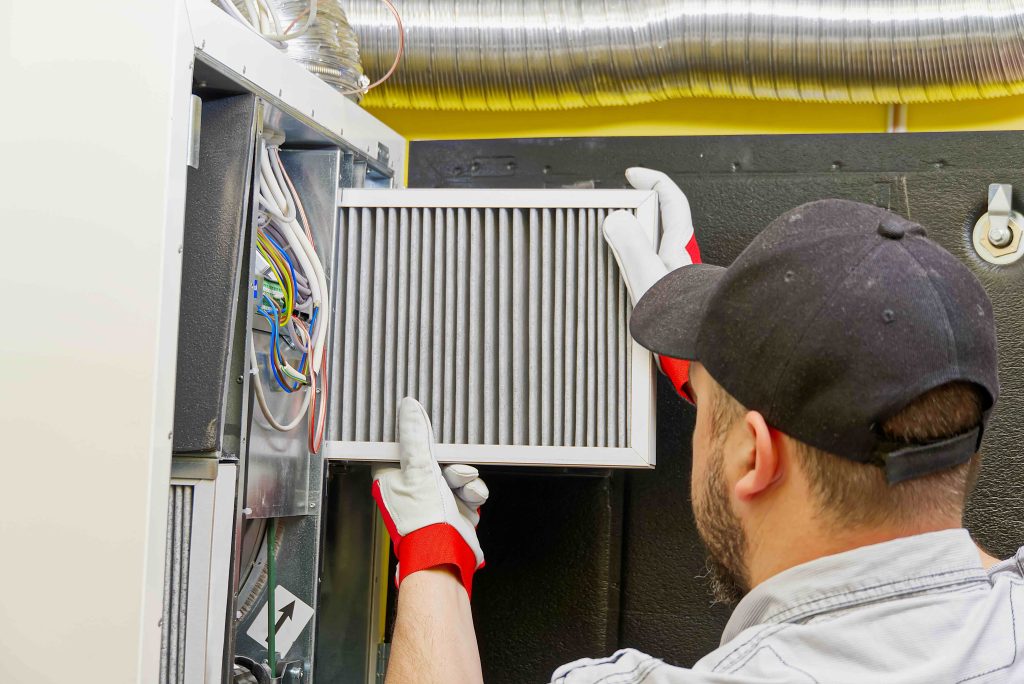
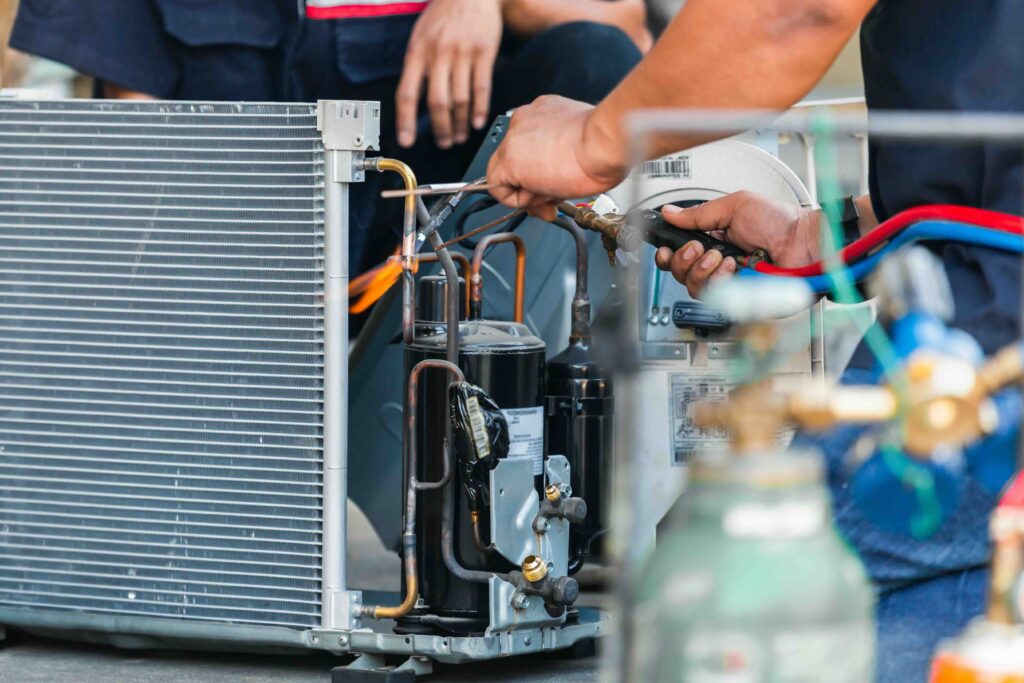
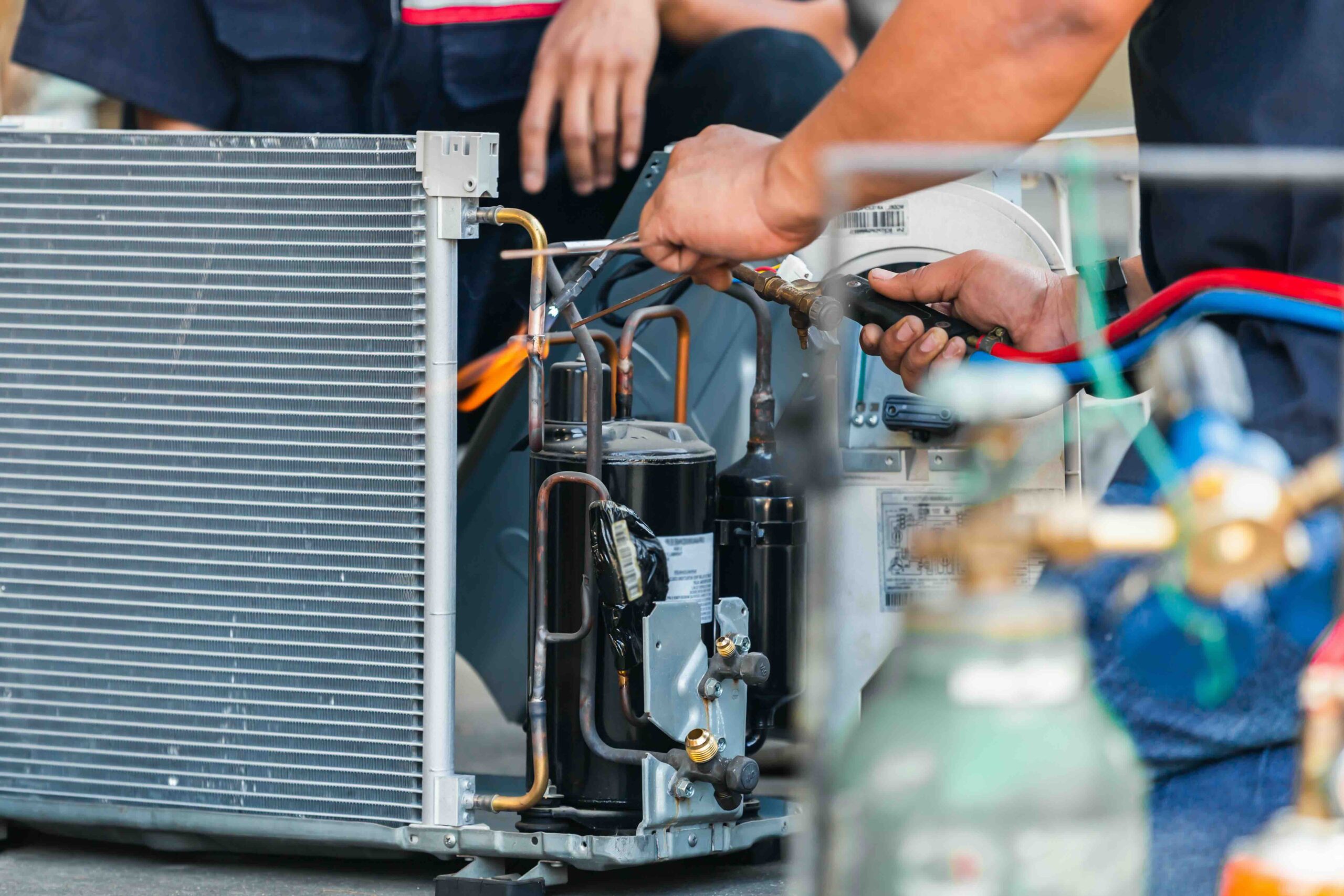
When a technician arrives for an annual service, the visit usually follows a consistent pattern. They will start by reviewing the system’s basic operation — listening for unusual sounds, checking thermostat response, and noting anything that stands out before they even open a panel. From there, the inspection goes deeper. Filters get checked or replaced, coils are cleaned, the condensate drain line is flushed to prevent clogs, and refrigerant pressure is measured to confirm the system is not leaking. Electrical components are tested for proper voltage and secure connections. The blower motor is inspected for wear. Essentially, anything that could fail quietly over time gets looked at. At the end of the visit, a good technician will walk you through their findings and let you know if anything needs attention now or in the near future.

The Real Benefits of Staying on Schedule
Annual HVAC maintenance delivers returns that go well beyond a clean filter. The most immediate benefit is energy efficiency. A system that is running with dirty coils, low refrigerant, or a struggling blower motor has to work harder to reach your set temperature — and that extra effort shows up directly on your utility bill. Regular service keeps the system operating at peak efficiency, which translates to lower monthly costs over time. Beyond energy savings, there is the matter of system longevity. HVAC units are not cheap to replace, and a well-maintained system routinely outlasts a neglected one by several years. Routine maintenance also gives technicians the chance to catch developing issues — a cracked heat exchanger, a failing capacitor, a refrigerant leak — before they escalate into emergency repairs or full system failures. There is also an indoor air quality dimension worth mentioning. Clean components and a functioning filtration system mean fewer allergens, dust particles, and contaminants circulating through your home.
Key Things That Get Checked During a Tune-Up
To put it in concrete terms, here is what a thorough annual HVAC service typically includes:
- Inspection and replacement of air filters
- Cleaning of evaporator and condenser coils
- Checking and topping off refrigerant levels if needed
- Testing thermostat accuracy and calibration
- Inspecting electrical connections and testing voltage
- Lubricating moving parts to reduce friction and wear
- Flushing the condensate drain line to prevent water damage
- Evaluating the blower motor and belt condition
- Checking heat exchanger for cracks or corrosion
- Testing system startup, operation, and shutdown cycles
Common Drawbacks and Things to Watch Out For
Annual HVAC service is genuinely valuable, but it is not without its limitations. The most common complaint homeowners have is the upfront cost — a standard tune-up typically runs between $75 and $200, depending on your location and what the visit includes. That feels like an unnecessary expense when the system seems to be working fine. Another drawback is the variability in technician quality. Not every company performs the same level of inspection, and a rushed or incomplete service visit may miss exactly the kind of subtle issue that preventive maintenance is supposed to catch. It is worth asking what is specifically included before booking. There is also a timing issue — many homeowners remember to schedule service in peak season when HVAC companies are already booked out for weeks. Scheduling in the shoulder months, like early spring or late fall, tends to get you faster availability and sometimes better pricing.
How Annual Maintenance Affects Your Home Warranty Coverage
This is a point that surprises a lot of homeowners. Most home warranty providers — including the good ones — include language in their contracts about maintenance requirements. If an HVAC system fails and there is evidence it was neglected, a claim can be denied on the basis that improper maintenance contributed to the breakdown. Keeping records of your annual service visits is genuinely important. A dated invoice from a licensed technician showing what was inspected and serviced can make all the difference when you are filing a claim for a major repair or replacement. Annual maintenance is not just about prevention — it is also about protecting your coverage and making sure your warranty can do what you bought it to do.
What Homeowners Can Do Between Annual Service Visits
A yearly professional inspection is essential, but there are things you can do in between visits to keep your system in good shape. Changing air filters on a regular schedule — every one to three months depending on filter type and household conditions — is the single most impactful thing a homeowner can do for HVAC health. Keeping the area around your outdoor condenser unit clear of debris, leaves, and vegetation also matters more than most people realize. Checking that vents and registers throughout your home are open and unobstructed helps maintain balanced airflow. And paying attention to how your system sounds and behaves gives you early warning signs that something may be developing. Unusual noises, longer run cycles, inconsistent temperatures, or unexpected spikes in your energy bill are all reasons to call a technician before the next scheduled visit.
Protecting Your HVAC Investment With the Right Home Warranty
Annual HVAC maintenance is one half of a smart homeownership strategy. The other half is having reliable protection in place for when something fails despite your best efforts — because sometimes systems break down regardless of how well they have been maintained. Armadillo home warranty plans designed to cover HVAC systems and major home appliances are built around real homeowner needs, with straightforward coverage and a claims process that does not make you jump through hoops. If your air conditioner fails in July or your furnace stops working in January, the last thing you want is a complicated policy standing between you and a repair. Get a free HVAC home warranty quote and see what coverage options are available for your home — it takes less time than you probably expect, and it is the kind of decision that tends to feel obvious in hindsight.

Frequently Asked Questions About Annual HVAC Service
Answers to the questions homeowners ask most often about HVAC tune-ups, maintenance schedules, and how it all connects to home warranty coverage.
How often should I have my HVAC system serviced?
Most HVAC professionals recommend at least one service visit per year. Homeowners with both a furnace and central air conditioning often benefit from two visits annually — one in spring before cooling season and one in fall before heating season.
What does an annual HVAC tune-up typically cost?
Costs generally range from $75 to $200 per visit, depending on your location, the size of your system, and what is included in the service package. Some HVAC companies offer maintenance contracts that reduce the per-visit cost.
Can skipping annual maintenance void my home warranty?
It can. Many home warranty contracts require that covered systems be properly maintained. If a claim is filed and there is evidence that a lack of maintenance contributed to the failure, the claim may be denied. Keeping service records is essential.
What is the difference between an HVAC tune-up and a repair visit?
A tune-up is a proactive, scheduled inspection and cleaning designed to prevent problems. A repair visit is reactive and addresses a specific failure or malfunction. Both are important, but tune-ups are what help you avoid needing emergency repairs.
How long does an annual HVAC service visit take?
Most visits take between one and two hours. The duration depends on the size and complexity of your system, the condition it is in, and whether any issues are identified that require additional attention during the appointment.
What happens if my technician finds a problem during the annual service?
The technician will explain the issue and recommend a course of action, which might range from a minor adjustment during the visit to a separate repair appointment. Getting a written summary of findings is always a good idea for your records.
Is annual HVAC maintenance worth it if my system is relatively new?
Yes. New systems still accumulate dust, can develop refrigerant issues, and benefit from proper calibration. Routine maintenance also keeps manufacturer warranty requirements intact and establishes a service history that supports future home warranty claims.
What should I look for when choosing an HVAC service company?
Look for licensed and insured technicians, transparent pricing, a detailed checklist of what is included in the service, and strong customer reviews. Membership in a professional organization like NATE or ACCA is also a good indicator of quality.
How does annual HVAC maintenance affect my energy bills?
A well-maintained HVAC system operates more efficiently, which directly reduces energy consumption. Dirty coils, clogged filters, and low refrigerant all force the system to work harder and run longer, increasing monthly utility costs noticeably over time.
What should I do between annual HVAC service visits to maintain my system?
Change air filters every one to three months, keep the outdoor unit clear of debris, ensure vents and registers are open and unobstructed, and monitor your system for unusual sounds, inconsistent temperatures, or unexpected increases in your energy bill.