When the Hot Water Stops: Understanding Your Water Heater Pilot Light
There are few household surprises quite as unwelcome as stepping into what you expect to be a warm shower and getting a blast of cold water instead. Nine times out of ten, if you have a gas water heater, the culprit is a pilot light that has gone out. It sounds technical, but the pilot light is actually one of the more straightforward components in your home — and understanding how it works can save you a service call, a frustrating morning, and maybe a little money too. Let’s walk through what the pilot light actually does, how to address common issues, and when it makes sense to call in a professional.
What Is a Water Heater Pilot Light and Why Does It Matter?
The pilot light is a small, continuously burning flame located inside your gas water heater. Its entire job is to act as an ignition source for the main burner, which is responsible for heating the water in your tank. When your thermostat detects that the water temperature has dropped below a set point, it signals the gas valve to release gas — and the pilot light is what ignites that gas so the burner can fire up and do its job. Without a functioning pilot light, the main burner has no ignition source, and you end up with a tank full of cold water. Simple enough in concept, but when something goes wrong with that little flame, the ripple effects are immediate and noticeable.
How Does the Pilot Light System Actually Work?
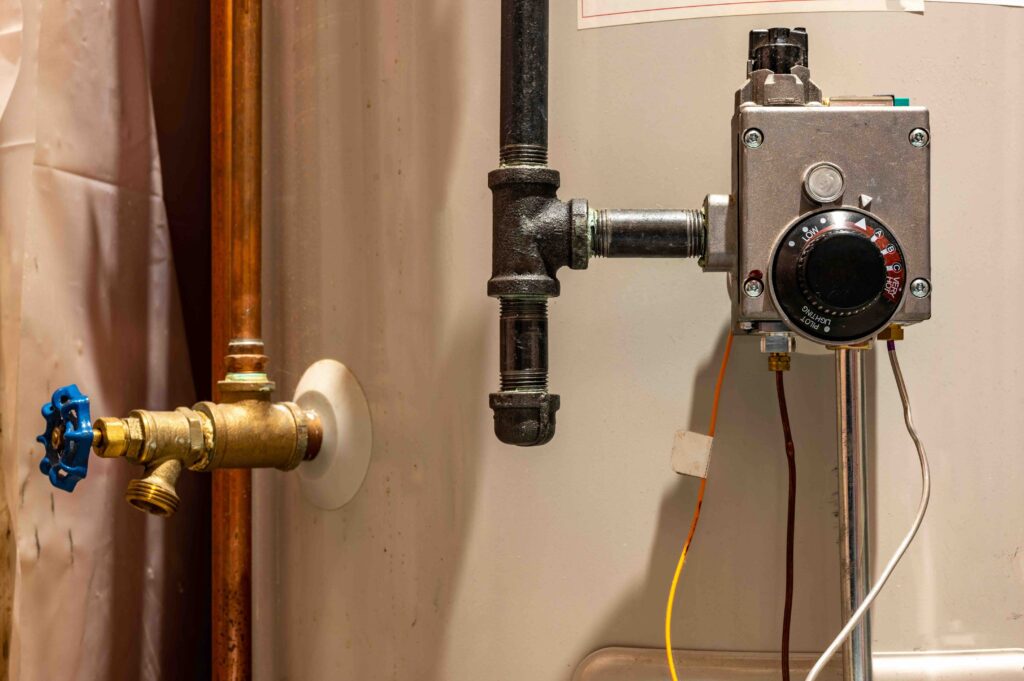
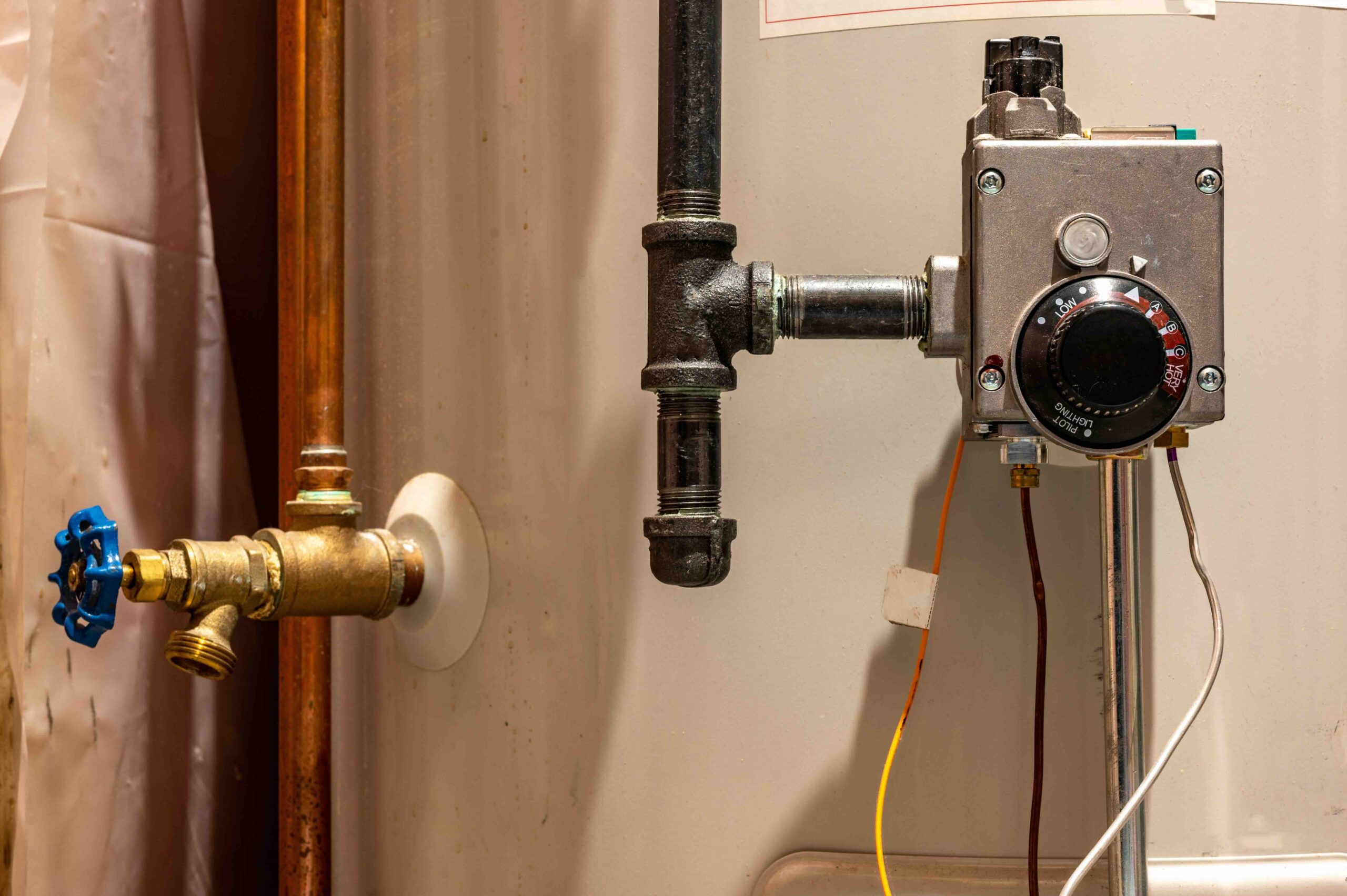
Most traditional gas water heaters use what is called a standing pilot system. The flame burns constantly, kept alive by a small, steady trickle of gas. Nearby the pilot light sits a component called a thermocouple — a heat-sensitive safety device that detects whether the pilot is lit. As long as the thermocouple senses the flame’s heat, it sends a small electrical signal that keeps the gas valve open. If the flame goes out, the thermocouple cools, the electrical signal stops, and the gas valve automatically closes. This is a critical safety feature. Without it, unlit gas could accumulate and create a dangerous situation. Newer water heaters sometimes use an electronic ignition system instead, which only sparks when hot water is needed, making them more energy-efficient — but the traditional standing pilot is still found in millions of homes across the country.
Common Reasons a Pilot Light Goes Out
Pilot lights do not typically go out without a reason. Understanding the most common causes can help you troubleshoot faster and communicate more clearly with a repair technician if one is needed.
- A strong draft or air current near the water heater can extinguish the flame
- A dirty or clogged pilot orifice can restrict gas flow enough to snuff out the flame
- A failing thermocouple may not generate enough current to keep the gas valve open, causing repeated outages
- A malfunctioning gas valve can interrupt gas delivery to the pilot
- Temporary drops in gas supply pressure can also cause the flame to go out
If your pilot light goes out once and stays lit after relighting, the cause was likely a one-time draft or minor fluctuation. If it keeps going out, that is your signal that something more significant needs attention — most commonly the thermocouple.
How to Relight a Water Heater Pilot Light Safely
Relighting a pilot light is something most homeowners can handle on their own, provided they follow the steps carefully and do not rush the process. Before anything else, locate the gas control knob on your water heater and turn it to the “Off” position. Wait at least five minutes. This step is not optional — it allows any residual gas to dissipate. Once you have waited, turn the knob to “Pilot,” then press and hold it down. While holding it, use a long-reach lighter or the built-in igniter button to light the pilot flame. Keep holding the knob down for a full thirty to sixty seconds after the flame catches. This gives the thermocouple time to heat up and register the flame. Then slowly release the knob. If the flame stays lit, turn the control knob to your desired temperature setting. If it goes out immediately or within a short time, the thermocouple likely needs to be replaced.
When Relighting Is Not Enough: Signs You Need a Repair
Relighting the pilot solves the immediate problem, but it does not address underlying mechanical issues. Pay attention to these warning signs that suggest a more involved repair is necessary.
- The pilot light will not stay lit after multiple relighting attempts
- You notice a yellow or orange flame instead of a steady blue one
- There is a smell of gas near the water heater even after the pilot is lit
- Your water heater is making unusual popping or rumbling sounds
- The unit is more than ten to fifteen years old and experiencing repeated issues
Any smell of gas that does not clear quickly is a situation that warrants immediate action. Leave the area, avoid using electrical switches, and contact your gas utility company before attempting anything else.

The Thermocouple: The Most Common Culprit Behind Pilot Light Problems
If there is one component that causes more pilot light failures than any other, it is the thermocouple. This small rod-shaped sensor sits directly in the pilot flame, and over time it wears out. A failing thermocouple may still function intermittently, which is why some homeowners experience a pilot light that relights fine but will not stay on past the first few minutes. Thermocouple replacement is generally a straightforward and affordable repair — typically well within the range of a standard service call. A qualified technician can diagnose and replace it in a single visit. It is one of those repairs that is easy to ignore when the pilot light seems to be cooperating, but addressing it proactively can prevent a cold-water morning down the road.
The Cost of Water Heater Pilot Light Repairs
If relighting the pilot resolves the issue, the repair costs you nothing but a few minutes of your time. However, when parts are involved, the picture changes. A thermocouple replacement typically runs between forty and one hundred fifty dollars depending on your location and the service provider. A full gas valve replacement — which is less common but does happen — can cost several hundred dollars in parts and labor. Diagnostic fees from a plumber or HVAC technician may apply separately. For older water heaters, the math sometimes tilts toward replacement rather than repair, especially when the unit is approaching the end of its expected lifespan. It is worth having that conversation with a technician rather than simply assuming repair is always the right call.
Preventive Maintenance That Can Keep Your Pilot Light Reliable
Routine maintenance goes a long way in keeping pilot light issues from becoming a recurring problem. Scheduling an annual inspection of your water heater, keeping the area around it clear of drafts, and having a technician periodically clean the pilot orifice and check the thermocouple can significantly extend the life of the unit. Flushing your tank once a year to remove sediment buildup also helps the burner operate more efficiently and reduces overall strain on the system. These are not glamorous maintenance tasks, but they are exactly the kind of upfront investment that prevents an inconvenient breakdown at the worst possible time.
Why a Home Warranty Makes Sense for Water Heater Coverage
Here is the part that catches a lot of homeowners off guard: water heater repairs, including pilot light failures and thermocouple replacements, can happen without warning and at no convenient time. A home warranty is designed for precisely this kind of situation. When you have coverage through Armadillo’s home warranty plans for water heater and appliance protection, a covered breakdown means you make a single call, a qualified technician is dispatched, and your out-of-pocket cost stays predictable and low. No scrambling to find a plumber, no sticker shock from a surprise repair bill, no guessing whether the repair is worth it. If protecting your water heater — and the rest of your home’s major systems — with straightforward, transparent coverage sounds like a smart move, you can get a free home warranty quote for water heater repair coverage in just a few minutes. Armadillo keeps it simple, honest, and built around what homeowners actually need.

Frequently Asked Questions About Water Heater Pilot Light Repair
These are the questions homeowners ask most when dealing with a pilot light issue — answered directly so you can move forward with confidence.
Why does my water heater pilot light keep going out?
The most common cause is a worn or failing thermocouple that is no longer generating a sufficient electrical signal to keep the gas valve open. A dirty pilot orifice or a persistent draft near the unit can also cause recurring outages.
Is it safe to relight the pilot light myself?
Yes, relighting a pilot light is safe for most homeowners when done carefully and according to the manufacturer’s instructions. Always wait at least five minutes after turning off the gas before attempting to relight, and never proceed if you smell a persistent gas odor.
How long should I hold the pilot button when relighting?
Hold the pilot control knob or button down for thirty to sixty seconds after the flame catches. This allows the thermocouple to heat up and signal the gas valve to stay open.
What does a healthy pilot flame look like?
A healthy pilot flame should be blue with a small inner cone and should burn steadily. A yellow, orange, or flickering flame may indicate incomplete combustion or a dirty pilot orifice and should be evaluated by a technician.
How much does it cost to replace a thermocouple on a water heater?
Thermocouple replacement typically costs between forty and one hundred fifty dollars, including parts and labor, depending on your location and service provider. It is one of the more affordable water heater repairs.
Can a pilot light go out due to low gas pressure?
Yes. A drop in gas supply pressure can reduce the flame enough that the thermocouple no longer detects sufficient heat, causing the gas valve to close and the pilot to go out. If this happens across multiple gas appliances simultaneously, contact your gas utility provider.
When should I replace my water heater instead of repairing the pilot light?
If your water heater is more than ten to fifteen years old, has experienced multiple component failures, or if the repair cost approaches or exceeds half the price of a new unit, replacement is often the more cost-effective long-term decision.
Does a home warranty cover water heater pilot light repairs?
Many home warranty plans include coverage for gas water heater components, including the thermocouple and gas valve, which are the most common parts involved in pilot light failures. Review your specific plan terms to confirm what is included.
Can I use an electronic igniter water heater to avoid pilot light issues?
Electronic ignition water heaters do not maintain a standing pilot flame, which eliminates the most common source of pilot outage issues. They are also more energy-efficient. However, they have their own electronic components that can fail and require repair.
What should I do if my pilot light will not stay lit after multiple attempts?
If the pilot light will not stay lit after two or three careful attempts following the correct procedure, stop trying and contact a licensed plumber or HVAC technician. Continued attempts without resolving the root cause can waste gas and may indicate a component that needs professional diagnosis.