What Is Hot Water Pipe Insulation and Why Should Homeowners Care?
Most homeowners spend a lot of time thinking about their water heater — and almost no time thinking about what happens after the hot water leaves it. That is where pipe insulation comes in. Hot water pipe insulation is a protective layer applied directly around your home’s hot water supply pipes. It slows down heat loss as water travels from the heater to your faucet, shower, or appliance. It sounds simple, and honestly, it is. But the impact it has on your home’s energy efficiency, water usage, and plumbing health is anything but minor. If you have never given it a second thought, now is a good time to start.
How Hot Water Pipe Insulation Actually Works
When hot water moves through uninsulated pipes, it loses heat to the cooler air surrounding the pipe. By the time it reaches your faucet, it has dropped in temperature — sometimes significantly. This forces your water heater to work harder to keep up, cycling on more frequently to maintain your desired temperature. Pipe insulation acts as a thermal barrier. It traps heat inside the pipe and slows down that energy transfer. The result is water that arrives at your fixtures warmer, faster, and with less waste along the way. Most pipe insulation wraps around existing pipes and is held in place with tape or adhesive. It does not require any modifications to your plumbing lines themselves.
Types of Pipe Insulation Materials Available
Not all pipe insulation is created equal, and the material you choose makes a real difference in performance and longevity. The most common options homeowners encounter include:
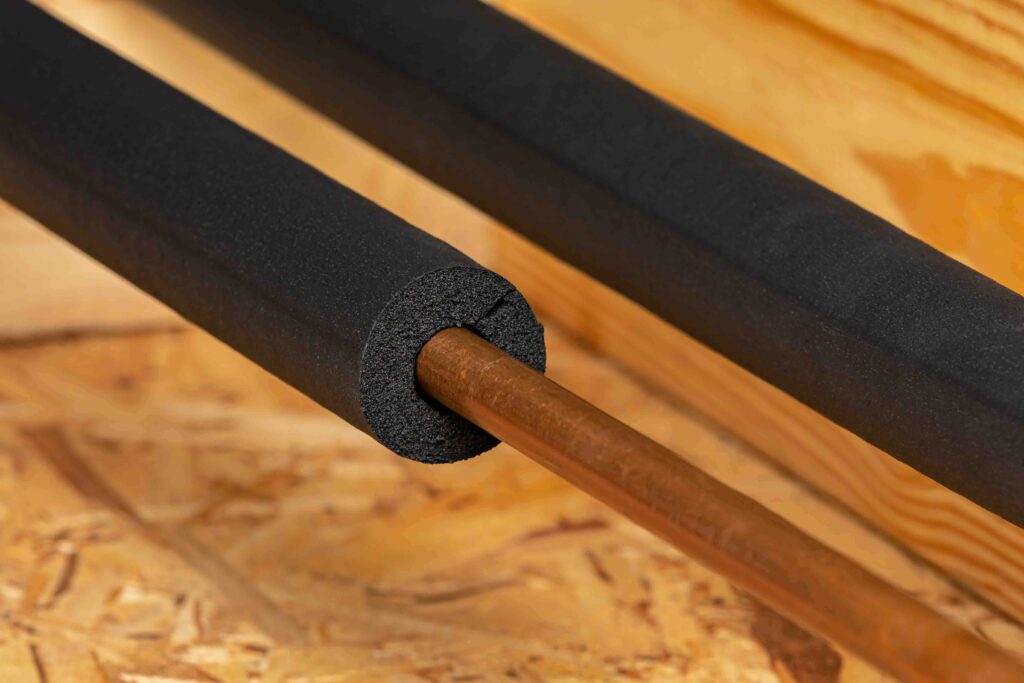
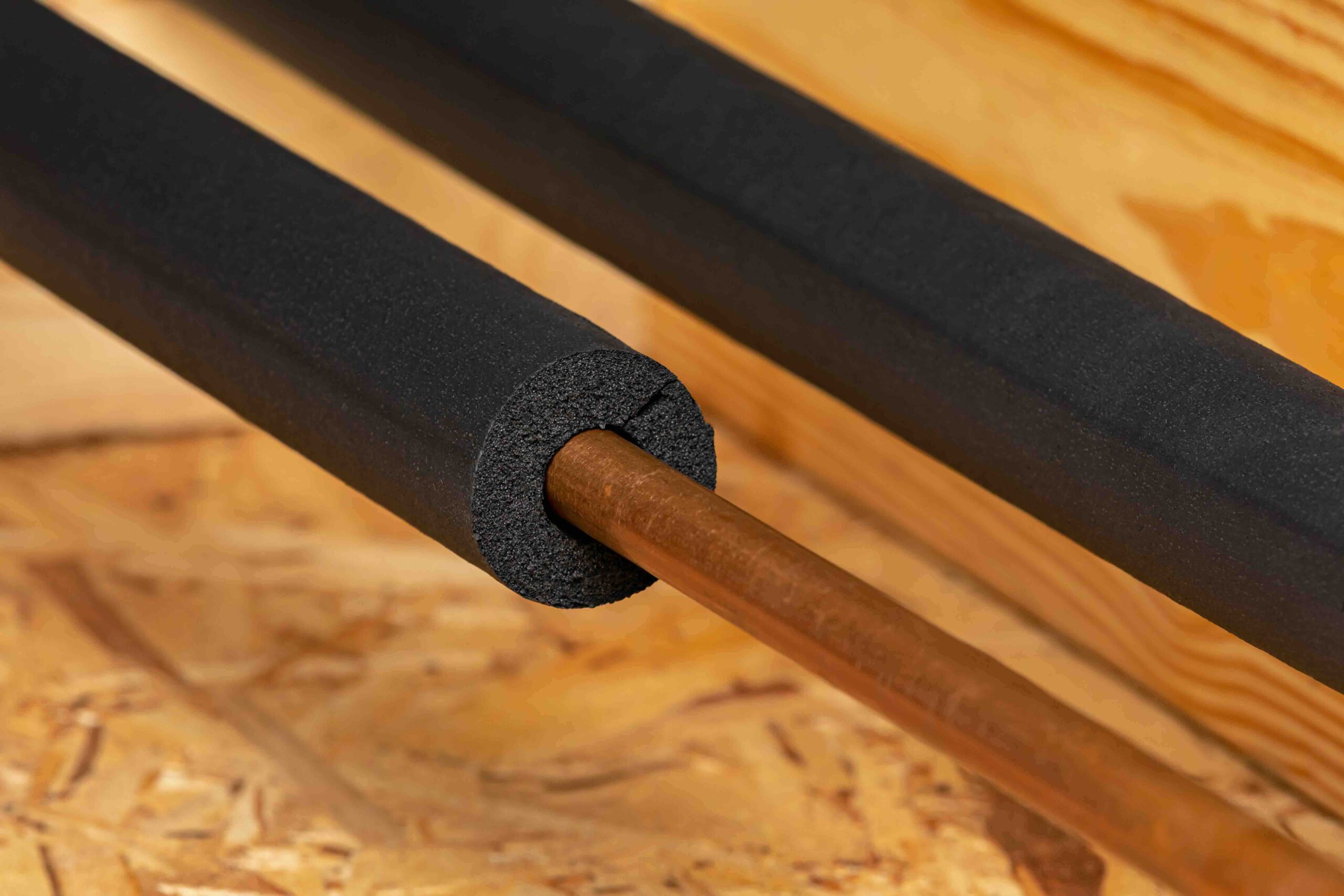
- Foam pipe sleeves: The most widely used option, typically made from polyethylene or neoprene foam. They are flexible, easy to cut, and available in various diameters.
- Fiberglass pipe wrap: More heavy-duty and better suited for pipes in hot environments like near a furnace or boiler room.
- Rubber pipe insulation: Offers excellent moisture resistance and is a strong choice for pipes exposed to condensation or humidity.
- Reflective or foil-backed insulation: Works well in specific applications, particularly where radiant heat is a concern.
For most standard residential hot water pipes, foam sleeves are the go-to choice. They are affordable, readily available at hardware stores, and manageable enough for a confident DIYer to install in an afternoon.
The Key Advantages of Insulating Your Hot Water Pipes
There are real, measurable benefits to pipe insulation, and they stack up quickly. Lower energy bills are the headline feature. According to the U.S. Department of Energy, insulating hot water pipes can raise water temperature by 2 to 4 degrees Fahrenheit compared to uninsulated pipes, which allows homeowners to set their water heater to a lower temperature without sacrificing comfort. That reduction in water heater demand translates directly into monthly savings. Beyond the energy angle, insulated pipes also reduce the amount of time you spend waiting for hot water to arrive at your faucet, which cuts down on water waste. Over the course of a year, those extra seconds per use add up to a meaningful volume of water saved.
Additional Benefits That Often Go Overlooked
Energy savings get most of the attention, but pipe insulation does more than just keep your water hot. It also protects your pipes from temperature extremes. In colder climates, pipes that run through unheated spaces — like a garage, crawl space, or basement — are vulnerable to freezing. Insulation slows heat loss from the pipe wall, giving those pipes a better chance of surviving a cold snap without bursting. On the opposite end, insulation prevents cold water pipes from sweating in humid summer months, which can contribute to moisture buildup and mold growth in enclosed spaces. It is one of those home improvement moves that quietly pays dividends in multiple directions.

Common Drawbacks and Limitations to Know Before You Start
Pipe insulation is a low-risk home improvement, but it is not without its limitations. Foam sleeves can degrade over time, especially in areas exposed to direct sunlight or extreme temperature swings. They may also crack or compress if pipes shift or experience physical contact. Accessibility is another factor — not every pipe in your home is easy to reach. Pipes inside walls, ceilings, or tightly packed mechanical rooms can be difficult or impractical to insulate without professional help. Additionally, pipe insulation does not solve underlying plumbing problems. If you have corroding pipes, pressure issues, or an aging water heater, insulation will not fix those. It is a complementary improvement, not a replacement for proper plumbing maintenance.
DIY vs. Professional Installation: Which Makes More Sense?
For accessible pipes in basements, utility rooms, and crawl spaces, DIY installation is genuinely reasonable. Foam pipe sleeves are inexpensive, easy to cut with scissors or a utility knife, and designed for non-professional installation. The job typically involves measuring pipe diameter, selecting the correct sleeve size, cutting to length, and snapping or wrapping the insulation around the pipe. Where it gets more complex is in tight or hard-to-reach spaces, pipes near electrical components, or systems that involve multiple pipe configurations. In those cases, calling in a licensed plumber to handle the installation is the smarter call. The cost difference is often small relative to the risk of an improper installation causing moisture problems or inadequate coverage.
What to Inspect Before Insulating Your Pipes
Before you start wrapping anything, take a close look at the pipes themselves. Look for signs of corrosion, rust, mineral deposits, or existing leaks. Insulating over a compromised pipe traps moisture and can accelerate deterioration — exactly the opposite of what you want. Check the pipe diameter so you purchase the right size sleeve, and note the material of your pipes, whether that is copper, CPVC, PEX, or galvanized steel, since some insulation materials work better with certain pipe types. Also consider the environment around the pipes. If the area has existing moisture issues, you may want to address those before adding insulation into the equation.
How Much Does Hot Water Pipe Insulation Cost?
The cost is one of the most attractive aspects of this upgrade. Foam pipe sleeves typically run between fifty cents and a few dollars per linear foot, depending on diameter and material. A basic DIY project covering the main hot water lines in a typical home can often be completed for under fifty dollars in materials. Professional installation will add labor costs on top of that, but the total investment rarely reaches into the hundreds for a standard job. When you factor in the energy savings over time, the payback period on pipe insulation is notably short compared to most other home efficiency upgrades. It is one of the highest-return, lowest-cost improvements available to homeowners.
Why Armadillo Should Be Part of Your Home Protection Plan
Pipe insulation is a smart investment, but even well-maintained homes experience unexpected system failures. That is where a reliable home warranty becomes essential. At Armadillo home warranty and home systems protection, the focus is on giving homeowners real coverage without the confusion and frustration that has defined the industry for too long. When your water heater, plumbing system, or other covered home systems break down, Armadillo handles the repair process so you are not left scrambling for contractors or dealing with surprise bills. If you are ready to protect your home’s plumbing and systems with coverage that actually delivers, take a moment to get a free hot water system and home warranty quote from Armadillo and see what a straightforward plan looks like.

Frequently Asked Questions About Hot Water Pipe Insulation
Does insulating hot water pipes actually save money?
Yes. Pipe insulation reduces heat loss between the water heater and your fixtures, which means your water heater runs less frequently. The U.S. Department of Energy estimates that insulated hot water pipes can support lowering your water heater thermostat, resulting in measurable energy savings on monthly utility bills.
Which pipes should I insulate first?
Prioritize the first few feet of pipe directly connected to your water heater, as well as any pipes running through unheated spaces like crawl spaces, garages, or basements. These sections experience the most heat loss and offer the fastest return on investment.
Can I insulate hot water pipes myself?
Yes, for accessible pipes in open areas like basements and utility rooms, DIY installation is practical and straightforward. Foam pipe sleeves are designed for non-professional use and require only basic tools. For hard-to-reach areas, professional installation is recommended.
What diameter foam sleeve do I need for my pipes?
Most residential hot water pipes are either half-inch or three-quarter-inch in diameter. Measure the outer diameter of your pipe before purchasing sleeves to ensure a proper fit. An ill-fitting sleeve will not insulate effectively and may trap moisture instead of preventing it.
Will pipe insulation prevent pipes from freezing?
Pipe insulation helps slow heat loss and provides some protection against freezing, but it is not a guaranteed freeze-prevention solution on its own. In extremely cold climates, insulation should be combined with other measures such as heat tape for pipes in unheated spaces.
How long does foam pipe insulation last?
Foam pipe insulation typically lasts between three and ten years depending on the environment, material quality, and whether it is exposed to physical contact, UV light, or moisture. Inspect it periodically and replace sections that show signs of cracking, compression, or deterioration.
Is pipe insulation covered under a home warranty?
Most home warranties cover plumbing systems, including pipes, but coverage specifics vary by provider and plan. Pipe insulation itself is generally considered a maintenance item rather than a covered repair component. Reviewing your plan details will clarify what is included.
Can pipe insulation cause mold or moisture problems?
If installed over pipes that already have moisture issues or minor leaks, insulation can trap water and contribute to mold growth. Always inspect pipes thoroughly before insulating and address any existing moisture or leak problems first.
Does pipe insulation work on both hot and cold water pipes?
Yes. While the primary benefit on hot pipes is heat retention and energy savings, insulating cold water pipes prevents condensation in humid environments, which protects surrounding materials from moisture damage and mold.
How do I insulate pipes in tight or difficult spaces?
For pipes in tight spaces, flexible foam wrap or self-sealing foam tape can be easier to apply than rigid sleeves. When pipes are truly inaccessible or near electrical components, a licensed plumber with experience in thermal insulation is the safest and most effective option.