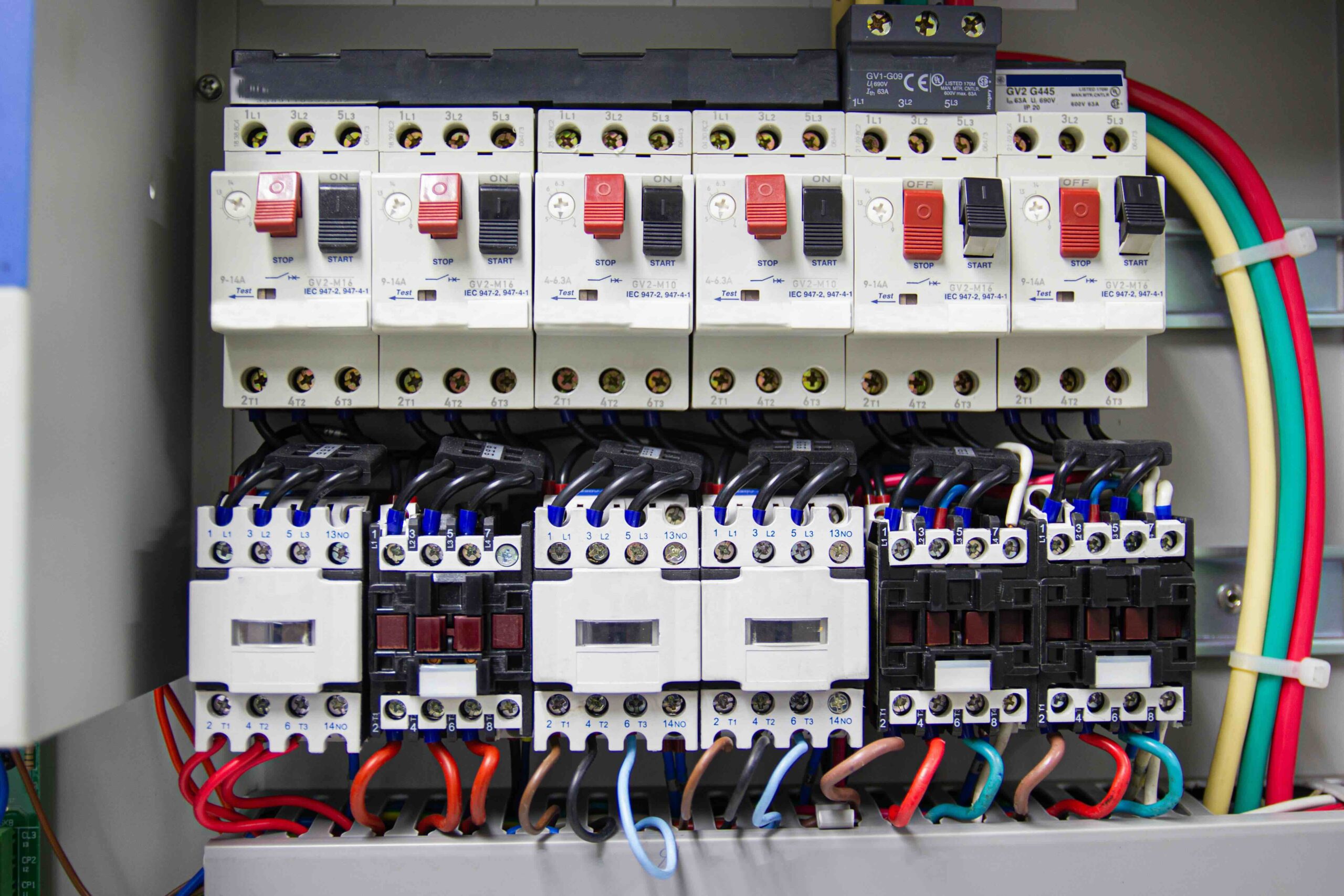
What It Means When a Circuit Breaker Trips or Gets Grounded
There are few things more disorienting than walking into a room and realizing the lights are out, the outlets are dead, and nothing is working. You head to the electrical panel, flip a breaker back on, and — done, right? Maybe. But if that breaker keeps tripping or your electrician mentions something about a grounded breaker, the situation gets a little more complicated. Understanding what is actually happening inside your electrical system is not just useful knowledge, it is the kind of thing that can save you money, prevent damage, and potentially keep your home safe. So let us walk through what breakers do, what happens when they trip or get grounded, and why your home warranty coverage matters more than you might think in these situations.
The Basics of How a Circuit Breaker Works
Your electrical panel is essentially the command center of your home’s power system. Inside it, circuit breakers act as automatic safety switches assigned to individual circuits throughout the house. Each breaker is rated for a specific amount of electrical current, measured in amps. When the current flowing through a circuit exceeds that rating, the breaker trips, cutting off the power to that circuit. This is intentional. It is a protection mechanism designed to prevent overheating, wire damage, and electrical fires. Think of it as the breaker doing exactly what it is supposed to do. The problem is not the trip itself — the problem is figuring out why it happened and whether it will keep happening.
Tripped vs. Grounded: Understanding the Difference
These two terms get used interchangeably sometimes, but they actually describe different things. A tripped breaker is one that has been activated by an overload or short circuit, and it sits in a middle position between on and off. You reset it, and power is restored. A grounded breaker, on the other hand, refers to a fault condition where electricity is taking an unintended path to ground — meaning it is escaping the circuit and flowing somewhere it should not. In home warranty claims, both conditions are commonly reported, and understanding which one you are dealing with changes everything about how the issue gets diagnosed and resolved. A grounded breaker situation tends to be more serious and often points to a deeper wiring or appliance problem.

Common Causes Behind Breaker Issues in the Home
Breakers do not trip randomly. There is always a reason, and identifying it is the first step toward a real fix. Some causes are minor and easy to address. Others point to more serious electrical concerns that require a licensed electrician. Here are the most frequently reported causes of breaker trips and ground faults in residential homes:
- Overloaded circuits caused by too many devices drawing power at the same time
- Short circuits resulting from damaged wiring, loose connections, or faulty outlets
- Ground faults caused by moisture intrusion, especially in bathrooms, kitchens, and outdoor areas
- Aging or worn-out breakers that no longer hold a reliable connection
- Appliances with internal wiring failures sending irregular current into the circuit
- Improper DIY electrical work or outdated panel configurations
What Happens When You Ignore a Frequently Tripping Breaker
It is tempting to just keep resetting the breaker and move on. Life is busy, the power came back, problem solved. But ignoring a breaker that trips repeatedly is one of those situations where the short-term convenience can lead to long-term consequences. Repeated trips can degrade the breaker itself over time, making it less reliable and potentially causing it to fail in a way where it no longer trips when it should. That is when things get genuinely dangerous. Persistent ground faults left unresolved can damage connected appliances, corrode wiring, and in serious cases create fire hazards. If a breaker trips more than once or twice within a short period without an obvious explanation — like you plugged in a space heater on an already-loaded circuit — get it looked at.
How Home Warranties Handle Electrical Panel and Breaker Coverage
This is where homeowners often get surprised — in both good and bad ways. Home warranties vary significantly in how they cover electrical systems. Many standard plans include coverage for the electrical panel, wiring, and circuit breakers as part of a broader home systems package. When a breaker fails due to normal wear and tear, a home warranty can cover the cost of repair or replacement, which is genuinely helpful because electrician labor costs add up fast. However, coverage typically does not extend to issues caused by code violations, improper installation, or pre-existing conditions. That distinction matters. If you bought a home with an older panel that was already struggling, it may not qualify for coverage under a new warranty.
Key Advantages of Having Electrical Coverage Through a Home Warranty
For homeowners who want predictable expenses and a safety net for unexpected repairs, electrical coverage through a home warranty delivers real value. A single service call from a licensed electrician can run anywhere from a few hundred to well over a thousand dollars depending on the scope of the issue. A home warranty consolidates that unpredictability into a manageable monthly or annual cost. Beyond the financial aspect, a good home warranty provider connects you with vetted, qualified service professionals — which removes the stress of finding a trustworthy electrician on short notice when your kitchen circuit is down and you have no idea who to call.
The Drawbacks Worth Knowing Before You Commit
No coverage plan is perfect, and electrical home warranty coverage comes with limitations worth understanding upfront. Most plans cover the breaker panel and interior wiring but draw a line at things like secondary panels, low-voltage systems, or damage caused by power surges or external events. There are also service call fees that apply each time a technician visits, and some plans cap their payout on electrical repairs. Reading the fine print matters here. A plan that looks comprehensive on the surface might exclude the exact scenario you end up facing. The best approach is to compare coverage terms directly and ask specific questions about what counts as a covered electrical failure.
Practical Tips for Maintaining Your Electrical System
Prevention is still better than any warranty claim. Staying on top of your electrical system does not require an engineering degree — just some basic awareness and a few routine habits:
- Test GFCI outlets monthly by pressing the test and reset buttons to confirm they are functioning
- Avoid daisy-chaining power strips or overloading a single outlet with high-draw appliances
- Schedule an electrical inspection every few years, especially in homes older than 25 years
- Label your breaker panel clearly so you can identify circuits quickly during an issue
- Replace any breaker that trips more than three times in a short period without a clear reason
Why Armadillo Is the Right Home Warranty Partner for Electrical Peace of Mind
When your breaker trips at 9pm on a weeknight and you have no idea if it is a simple overload or something more serious, the last thing you want is to navigate a complicated claims process or wait days for a callback. Armadillo was built around the idea that home protection should feel straightforward and human, not frustrating. As a trusted home warranty provider for electrical systems and whole-home coverage, Armadillo offers transparent plans, fast service coordination, and coverage that actually makes sense for how modern homeowners live. If you have been dealing with breaker issues and want to stop guessing about what a repair might cost, now is a great time to take a few minutes and get a home warranty quote that covers your electrical panel and more. Protecting your home does not need to be complicated — and with the right plan in place, it is not.

Frequently Asked Questions About Breaker Issues and Home Warranty Coverage
These are the questions homeowners ask most often when dealing with tripped breakers, grounded circuits, and home warranty claims related to their electrical systems.
What does it mean when a circuit breaker is grounded?
A grounded breaker refers to a fault condition where electrical current escapes the intended circuit path and flows to the ground. This is usually caused by damaged wiring, moisture, or a failing appliance connected to the circuit. It is a safety concern and should be evaluated by a licensed electrician.
Does a home warranty cover a tripped circuit breaker?
Most home warranties that include electrical system coverage will cover breaker failure due to normal wear and tear. A simple trip caused by an overloaded circuit may not be covered, but a breaker that has failed mechanically and needs replacement typically qualifies under a standard home systems plan.
How do I know if my breaker tripped or if there is a more serious electrical problem?
If you reset the breaker and it holds with no issues, it was likely a temporary overload. If it trips again quickly, will not reset, or feels warm to the touch, you are dealing with something more serious — such as a short circuit, ground fault, or a failing breaker that needs to be replaced.
Can I reset a grounded breaker myself?
You can attempt to reset it, but if the breaker immediately trips again or will not stay in the on position, do not force it. A ground fault that persists after a reset indicates an underlying wiring or appliance issue that requires professional diagnosis. Attempting to override it can cause damage or create a safety hazard.
What is the difference between a GFCI outlet and a ground fault in the breaker panel?
A GFCI outlet protects individual outlets, particularly in areas near water, by cutting power when it detects a ground fault at that specific location. A ground fault detected at the breaker panel level affects an entire circuit and suggests the fault condition is either in the wiring itself or in a connected appliance rather than at a single outlet.
How long do circuit breakers typically last?
Circuit breakers generally last between 30 and 40 years under normal operating conditions, but breakers that are regularly tripping under stress may degrade faster. Older breakers in panels from the 1980s or earlier may be operating well past their reliable service life and should be inspected by an electrician.
Will a home warranty cover my entire electrical panel?
Coverage varies by provider and plan. Most home warranties cover the main electrical panel and its breakers. Sub-panels, outdoor wiring, and low-voltage systems are often excluded. Always review the specific terms of coverage for your plan to understand exactly what is and is not included.
What should I do immediately after a breaker trips?
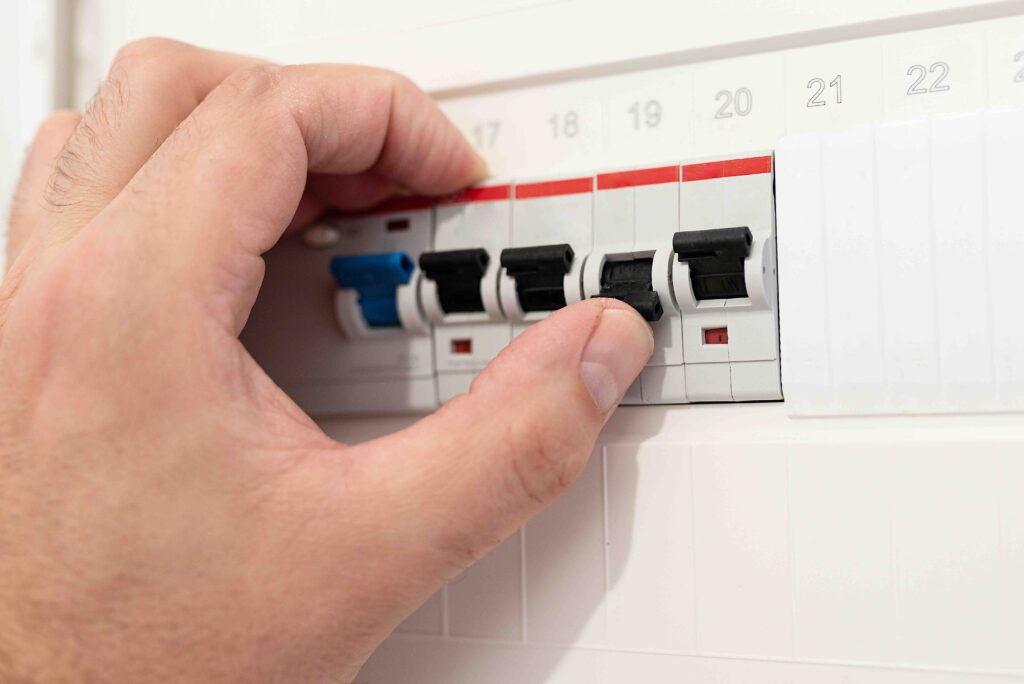
First, unplug or turn off any devices on the affected circuit. Then locate the breaker in your panel — it will be in the middle or off position — and reset it by switching it fully off before flipping it back to on. If it trips again, leave it off and contact an electrician or file a home warranty service request.
Are electrical issues covered under a home warranty from day one?
Most home warranty providers include a brief waiting period before coverage becomes active, typically around 30 days after the plan starts. Pre-existing conditions known at the time of purchase are generally excluded. Coverage for new mechanical failures that occur after the waiting period typically begins immediately within the plan terms.
Can a faulty appliance cause a breaker to trip repeatedly?
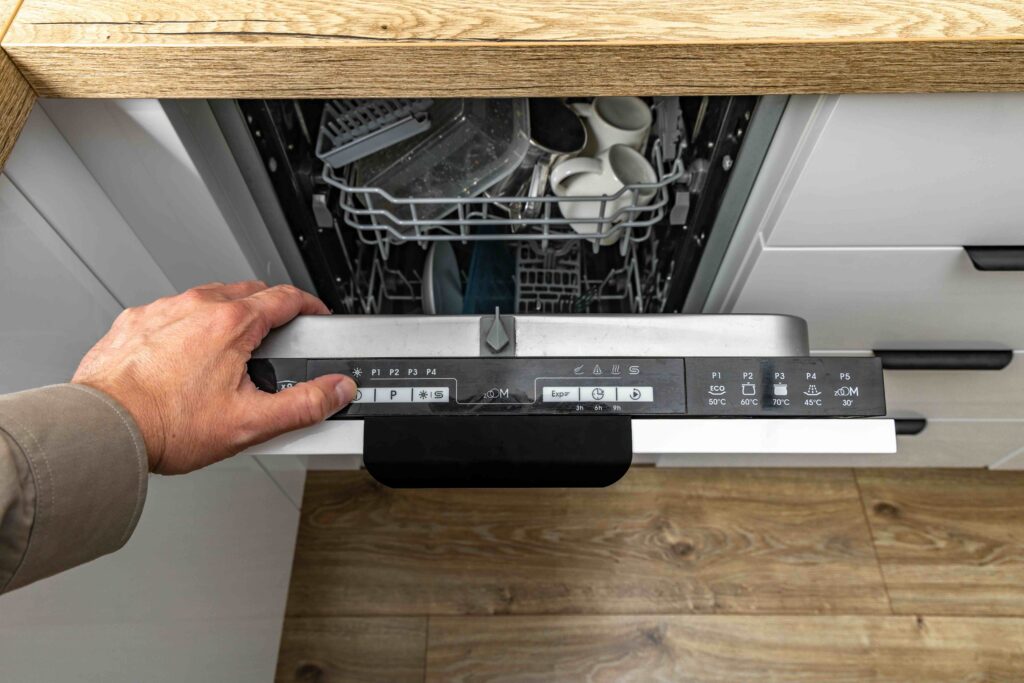
Yes. Appliances with failing motors, damaged internal wiring, or shorted components can draw excessive current or create a ground fault that causes the connected circuit breaker to trip. If a breaker only trips when a specific appliance is in use, that appliance is likely the source of the problem and should be inspected or replaced.