Why Is My Hot Water Heater Not Working? A Homeowner’s Guide to Understanding the Problem
You turned on the shower, waited, and nothing happened. No warmth, no steam, just cold water running over your hand while you stood there wondering what went wrong. Hot water heater issues are frustrating, but they are also incredibly common. The good news is that many of the most frequent causes are identifiable without calling a technician immediately. The better news is that understanding your water heater, how it works, and what can fail, puts you in a much stronger position to respond quickly and make smart decisions when things go sideways.
How a Hot Water Heater Actually Works
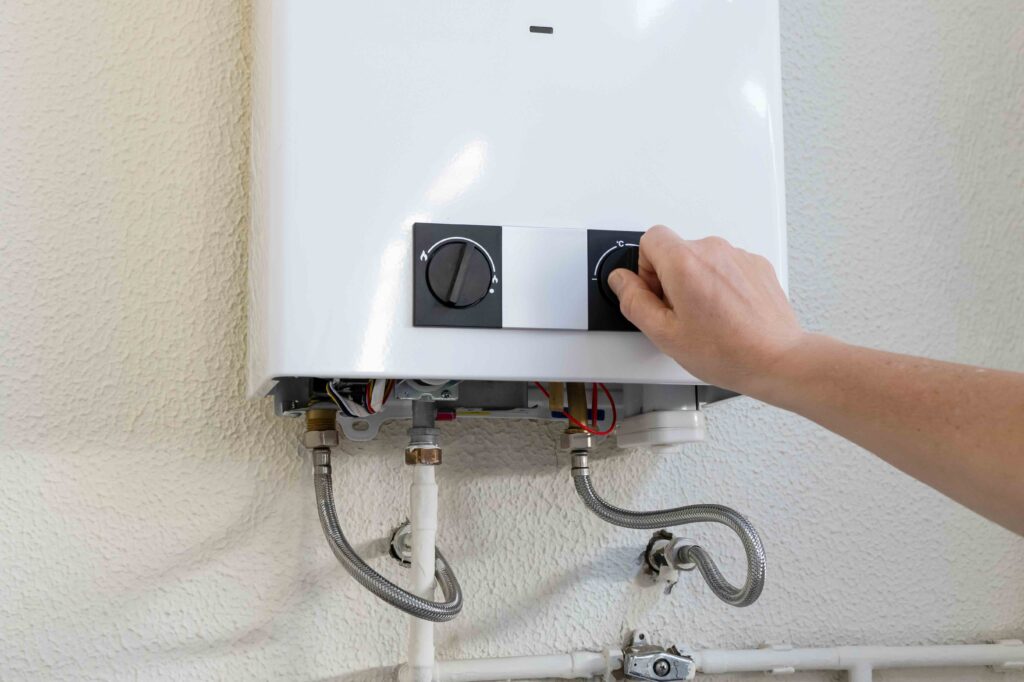
Most homes use either a traditional tank-style water heater or a tankless unit. The tank-style version stores a set volume of heated water, typically between 30 and 80 gallons, and keeps it at a set temperature around the clock. Cold water enters from the bottom, gets heated by either a gas burner or electric heating elements, and exits through the top whenever you open a tap. Tankless units, on the other hand, heat water on demand as it passes through the unit. Both systems have thermostats, safety components, and mechanical parts that can wear out over time. Knowing which type you have is step one in diagnosing any issue.
Common Reasons Your Hot Water Heater Stops Working
There is rarely just one universal cause when a water heater fails. More often, it is one of several repeating culprits that technicians see again and again. Here is a breakdown of the most frequent issues homeowners encounter:
- Pilot light outage on gas water heaters, often caused by a faulty thermocouple or gas supply disruption
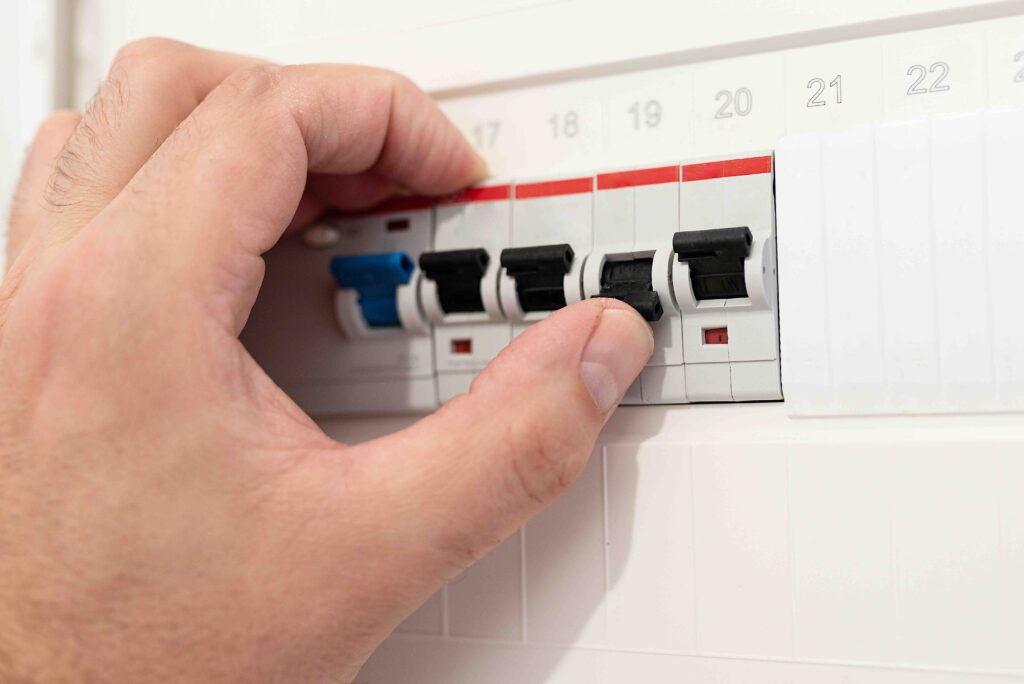
- Tripped circuit breaker or blown fuse affecting electric units
- Failed heating elements in electric water heaters
- Sediment buildup at the bottom of the tank, reducing efficiency and causing rumbling sounds
- A malfunctioning thermostat set too low or broken entirely
- A faulty pressure relief valve that may be releasing heat unintentionally
- Corrosion or rust inside an aging tank
- Leaking connections or a cracked tank shell
Each of these problems has its own signature. Cold water from every tap suggests a total failure, while lukewarm water points more toward a thermostat or heating element issue. Paying attention to what the water is actually doing, and what sounds the unit is making, helps narrow things down considerably.
Gas vs. Electric Water Heater Failures: What Is Different
The diagnostic process changes depending on whether your unit is gas-powered or electric. Gas water heaters rely on a pilot light, a thermocouple, and a gas valve. If the pilot light keeps going out, the thermocouple is usually the problem. It is a small sensor that detects whether the pilot is lit and signals the gas valve to stay open. When it fails, the valve shuts off the gas supply as a safety measure. Electric water heaters use heating elements, typically two of them, one near the top of the tank and one near the bottom. If you have lukewarm water, the upper element may be fine while the lower one has burned out. A complete loss of hot water often means both elements have failed or the circuit breaker has tripped. Resetting the breaker is always worth trying first before assuming something more serious is wrong.

The Role of Sediment and Hard Water in Water Heater Problems
One of the most overlooked causes of water heater inefficiency and eventual failure is sediment accumulation. Over time, minerals naturally present in water, particularly calcium and magnesium in hard water areas, settle at the bottom of the tank. This layer of sediment acts as insulation between the burner or heating element and the water above it. The result is that your heater works harder, takes longer to recover, and produces that distinctive rumbling or popping sound during heating cycles. Flushing the tank annually is one of the most effective things a homeowner can do to extend the life of a traditional water heater. It is a relatively straightforward process, though it does involve connecting a hose to the drain valve and allowing the tank to partially empty.
When Water Temperature Problems Are Not What They Seem
Sometimes what appears to be a water heater failure is actually a plumbing issue or a household demand problem. If your hot water runs out quickly during periods of high usage, the unit may simply be undersized for your household. A family of five using a 30-gallon tank is going to run into recovery time issues regularly. Similarly, a mixing valve, sometimes called a tempering valve, that is failing can blend too much cold water into the hot water supply, creating the impression that the heater is underperforming. Before assuming the heater itself has failed, it is worth considering whether usage patterns or nearby plumbing components could be contributing to the issue.
How Long Should a Water Heater Last?
Traditional tank water heaters typically last between 8 and 12 years with proper maintenance. Tankless units can last 15 to 20 years or more. The age of your unit is a critical factor when deciding whether to repair or replace it. A 10-year-old water heater showing signs of rust or repeated element failures is probably closer to the end of its useful life. Continuing to repair an aging unit can become an expensive cycle, especially when a replacement would deliver better efficiency and reliability. Check the serial number on your unit. Most manufacturers encode the installation date in the first few characters, and a quick search of the brand’s date-coding format will tell you exactly how old the unit is.
What to Do Right Now If Your Hot Water Heater Has Stopped Working
If you are dealing with a water heater failure today, there are a few immediate steps to take before calling a technician. For gas units, check that the pilot light is lit and that your gas supply is active. For electric units, check the breaker panel and reset any tripped breakers. Check the thermostat settings on either unit type, as they can shift over time. Look for any visible leaks around the base or connections. If you smell gas near your unit, do not attempt any troubleshooting. Leave the area, avoid switching any electrical devices on or off, and contact your gas utility provider immediately. Water heater issues are rarely emergencies, but gas-related situations are the exception.
Key Advantages and Drawbacks of Common Water Heater Types
- Tank water heaters are affordable upfront and simple to service, but they run continuously and lose heat overnight through standby energy loss
- Tankless units are highly efficient and long-lasting, but cost more to install and may require a gas line or electrical upgrade
- Heat pump water heaters are among the most energy-efficient options available, but require significant space and perform better in certain climates
- Solar water heaters reduce long-term energy costs dramatically, but carry high installation costs and depend on sun exposure
Choosing the right type for your home depends on your household size, energy costs in your area, and how long you plan to stay in the property. If you are replacing a failed unit, it is worth taking time to compare options rather than defaulting to the same type you had before.
How a Home Warranty Can Protect You When Your Water Heater Fails
Here is where things get practical. Water heater repairs and replacements are not cheap. A heating element replacement might run a few hundred dollars. A full tank replacement can cost anywhere from $900 to well over $2,000 depending on the unit type and installation complexity. That is a significant hit to take, especially without warning. A home warranty plan is designed specifically for situations like this. When a covered appliance or system fails due to normal wear and tear, the warranty company steps in to handle the cost of repair or replacement, minus a manageable service call fee. If you are a homeowner who values predictability in your budget, that kind of coverage is genuinely useful. Armadillo home warranty plans for water heater coverage are built to cover exactly these kinds of unexpected breakdowns, with transparent terms and no fine-print surprises. Whether your unit is gas, electric, or tankless, having a plan in place before something fails is always better than scrambling after the fact. You can get a free home warranty quote for water heater protection in just a few minutes and know exactly what you are covered for going forward. It is one of those decisions that feels minor until the moment it matters enormously.

Frequently Asked Questions About Hot Water Heater Problems
Real questions homeowners ask when their hot water heater stops working, answered clearly and without the runaround.
Why is my hot water heater not producing any hot water?
The most common causes include a tripped circuit breaker on electric units, a failed pilot light or thermocouple on gas units, or burned-out heating elements. Start by checking the power supply or pilot light before assuming a full unit failure.
How do I know if my water heater thermostat is bad?
If your water is lukewarm but not hot, or if the temperature fluctuates inconsistently, the thermostat is a likely culprit. A technician can test it with a multimeter to confirm whether it needs replacing.
Why is my water heater making a rumbling or popping sound?
Rumbling and popping noises are typically caused by sediment buildup at the bottom of the tank. The sound occurs when water becomes trapped beneath the sediment layer and heats up. Flushing the tank often resolves this.
How long does it take for a water heater to recover after running out of hot water?
Most gas water heaters recover in 30 to 40 minutes. Electric units typically take 60 to 80 minutes. Tankless units recover instantly since they heat water on demand rather than storing it.
Is a leaking water heater always a sign I need a replacement?
Not always. Minor leaks from connections or fittings can often be repaired. However, if the tank itself is leaking or showing signs of corrosion, replacement is usually the only viable option, especially in older units.
Can I repair a water heater myself?
Some tasks, like resetting a breaker, relighting a pilot light, or adjusting a thermostat, are manageable for most homeowners. Replacing heating elements or thermocouples requires more technical comfort. Gas-related repairs should always be handled by a licensed professional.
Does a home warranty cover water heater replacement?
Many home warranty plans do cover water heater repair and replacement when the failure results from normal wear and tear. Coverage terms vary, so reviewing what is included in your specific plan is important before filing a claim.
How often should I flush my water heater tank?
Most manufacturers and plumbing professionals recommend flushing a traditional tank water heater at least once per year. Homes with hard water may benefit from flushing more frequently, every six months, to prevent significant sediment accumulation.
What is the average lifespan of a water heater?
Traditional tank water heaters typically last 8 to 12 years. Tankless models can last 15 to 20 years with proper maintenance. Units older than 10 years showing signs of corrosion or repeated failures are generally better replaced than repaired.
Should I repair or replace my aging water heater?
If the unit is under 8 years old and the repair cost is less than half the price of a replacement, repair is usually the smarter financial decision. If the unit is older or has had multiple failures, replacement often provides better long-term value and energy efficiency.