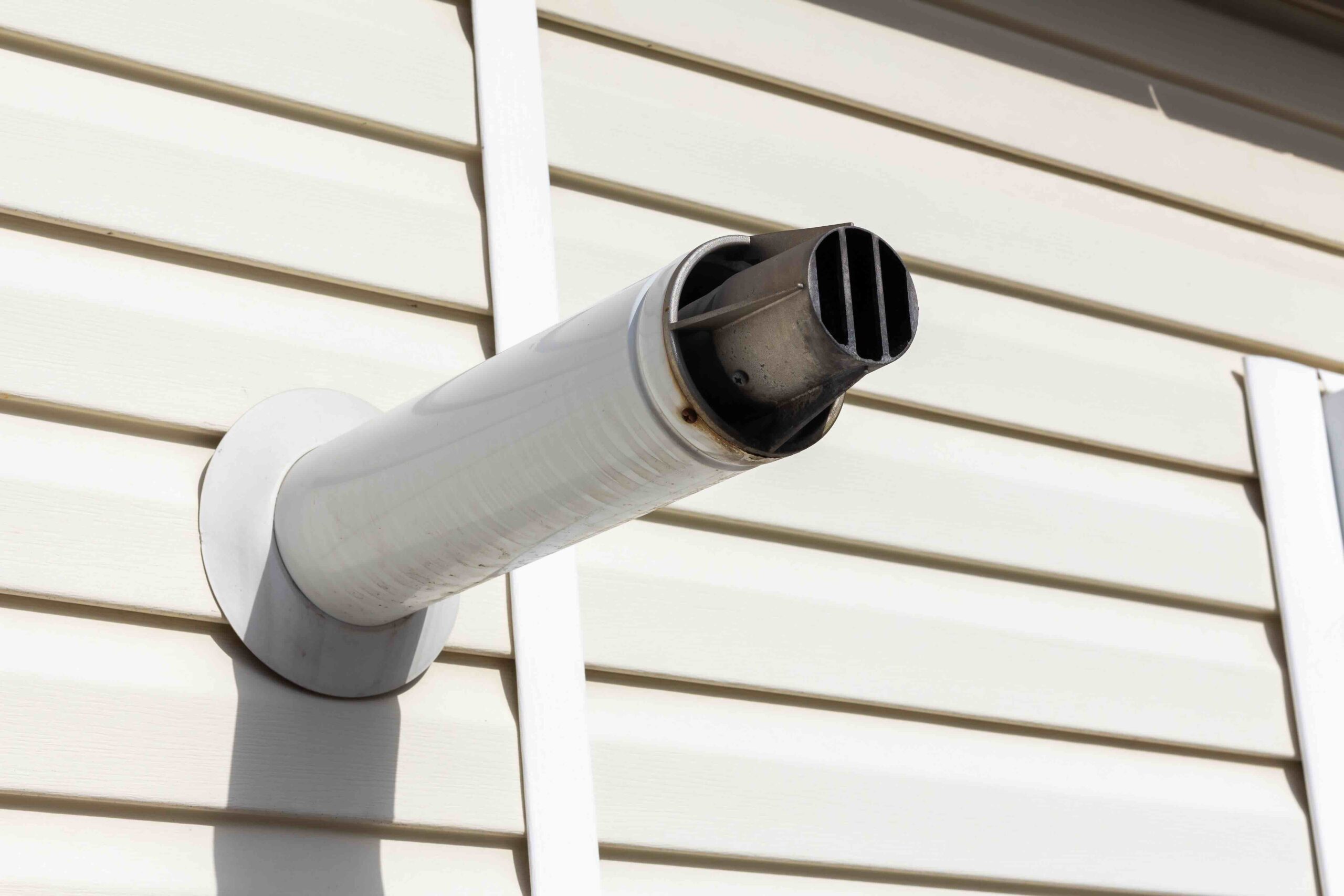
What Is Duct Condensation and Why Should Homeowners Care?
Duct condensation is one of those home problems that tends to fly under the radar until it becomes a much bigger deal than it ever needed to be. It happens when warm, humid air comes into contact with the cooler surface of your air ducts, causing moisture to form on the outside or inside of the ductwork. Think of it like a cold glass of water on a hot summer day — that same sweating effect, just happening inside your walls and ceilings. Left unaddressed, duct condensation can lead to mold growth, structural damage, and a whole cascade of HVAC inefficiencies. So yes, it is very much worth paying attention to.
How Duct Condensation Actually Forms in Your Home
To understand the problem, it helps to know a little about how your HVAC system works. Your air ducts carry cooled or heated air throughout your home. During the summer months especially, the air inside your ducts is significantly colder than the air in your attic, crawl space, or behind your walls. When warm, moisture-laden air from those unconditioned spaces meets the cooler duct surface, condensation forms. This is basic physics — the dew point is reached and moisture drops out of the air. Homes in humid climates are particularly vulnerable, but this issue can affect any home with poorly insulated or improperly sealed ductwork, regardless of geography.
The Most Common Causes of Duct Sweating
Several factors can contribute to chronic duct condensation, and more often than not, it is a combination of issues rather than a single culprit. Understanding these causes helps homeowners zero in on the right fix.
- Inadequate or damaged duct insulation that allows the duct surface to stay too cold
- High indoor humidity levels, often caused by poor ventilation or a failing dehumidifier
- Air leaks in the duct system that allow warm air to infiltrate the cooled airstream
- Ductwork routed through unconditioned spaces like attics or crawl spaces with no thermal protection
- Oversized air conditioning systems that cool air too aggressively and create extreme temperature differentials
- Clogged air filters that restrict airflow and cause temperature imbalances within the duct system

Warning Signs You May Have a Duct Condensation Problem
Duct condensation does not always announce itself with a puddle on the floor. Sometimes the signs are subtle, and that subtlety is exactly what makes it dangerous. One of the first indicators homeowners notice is musty odors coming from the vents — that damp, slightly stale smell that no amount of air freshener seems to fix. You might also spot water stains on ceilings or walls near duct runs, visible dripping or moisture on exposed ductwork in basements or utility rooms, or mold patches forming around vent registers. In more advanced cases, you may notice warped drywall, peeling paint, or elevated indoor humidity that just does not seem to drop no matter how hard your AC works. Any one of these symptoms deserves a closer look.
How Duct Condensation Damages Your Home Over Time
The longer duct condensation goes unresolved, the more expensive the consequences tend to get. Moisture is one of the most destructive forces in any home, and when it collects around ductwork, it does not stay in one place. Water migrates into insulation, reducing its effectiveness and creating ideal conditions for mold and mildew to thrive. Those mold colonies can then circulate spores throughout your living space every time your HVAC system runs. Beyond air quality concerns, persistent moisture can rot wood framing, corrode metal duct connections, degrade drywall, and even compromise the integrity of your ceiling or floor structures if the condensation is severe enough. What starts as a sweating duct can quietly become a structural repair and a mold remediation project rolled into one.
Practical Solutions to Fix and Prevent Duct Condensation
The good news is that duct condensation is a solvable problem, and in many cases, the fixes are straightforward once you identify the root cause. Start with duct insulation — ensuring your ductwork is wrapped with the correct type and thickness of insulation for your climate is one of the most effective preventive measures available. Sealing air leaks with mastic sealant or metal-backed tape addresses another major contributor. If your home consistently runs at high humidity, a whole-home dehumidifier or improved mechanical ventilation may be the missing piece. For homes where ductwork runs through unconditioned attic spaces, encapsulating or conditioning those spaces can make a dramatic difference. It is also worth having an HVAC technician evaluate whether your system is properly sized for your home, since an oversized unit cycling on and off too quickly often drives more moisture problems than homeowners realize.
Key Advantages of Addressing Duct Condensation Early
Dealing with duct condensation proactively pays off in several meaningful ways. Properly insulated and sealed ductwork improves overall HVAC efficiency, which translates directly to lower energy bills. Better airflow and moisture control also means improved indoor air quality, which has real implications for respiratory health — especially in homes with children, elderly residents, or anyone with allergies or asthma. Addressing condensation early also protects your home’s structural components and finishes, potentially saving thousands of dollars in remediation and repair costs down the line. And from a home warranty perspective, keeping your HVAC system operating within normal parameters reduces the likelihood of component failures that might otherwise lead to a claim.
Common Drawbacks and Limitations Homeowners Should Know
While the solutions to duct condensation are generally well-established, there are real-world limitations to keep in mind. Re-insulating or resealing ductwork that runs through finished walls or ceilings can be disruptive and costly, often requiring drywall removal and restoration work. In older homes with ductwork that was never designed to modern efficiency standards, partial fixes sometimes just shift the problem rather than eliminate it entirely. Whole-home dehumidifiers are effective but represent an upfront investment, and like any mechanical system, they require regular maintenance to stay functional. It is also worth noting that some duct condensation issues are symptomatic of deeper HVAC sizing or design problems that require professional assessment — not just insulation tape and good intentions.
Duct Condensation and Your Home Warranty Coverage
Here is where things get practical. Duct condensation itself is not always a covered event under a standard home warranty, but the HVAC components that contribute to or result from it often are. If a refrigerant leak causes your evaporator coil to run too cold and trigger condensation throughout your duct system, the coil repair or replacement would typically fall under HVAC coverage. Similarly, if your air handler or blower motor fails due to moisture-related damage, a quality home warranty can step in to cover that repair. The key is understanding what your warranty does and does not include, so you are not surprised when something goes wrong. Proactive maintenance remains your first line of defense, but having warranty protection in place for the mechanical components of your HVAC system adds an important layer of financial security.
When it comes to protecting your home’s HVAC system from the kind of failures that duct condensation can accelerate, Armadillo’s home warranty plans for HVAC systems and home comfort coverage are built with real homeowners in mind — straightforward terms, no runaround, and coverage that actually makes sense. If you have been putting off getting protected because the process feels complicated, it does not have to be. You can get a free home warranty quote that covers your heating and cooling systems in just a few minutes. Duct issues are a reminder that your HVAC system works hard every single day, and it deserves backup when things go sideways.

Frequently Asked Questions About Duct Condensation
Answers to the questions homeowners ask most about duct sweating, moisture problems, and HVAC protection.
What causes duct condensation in the summer?
Duct condensation in summer is primarily caused by warm, humid air coming into contact with the cold surface of air ducts that carry chilled air from your cooling system. The greater the temperature and humidity difference, the more likely condensation is to form.
Is duct condensation dangerous?
Yes, it can be. Over time, duct condensation promotes mold growth, degrades insulation, causes structural moisture damage, and can circulate mold spores through your HVAC system into your living spaces. Early intervention significantly reduces these risks.
How do I know if my ducts are sweating?
Common signs include musty odors from vents, water stains on ceilings or walls near duct runs, visible moisture or dripping on exposed ducts, mold growth around registers, and persistently high indoor humidity levels.
Can duct condensation cause mold in my home?
Yes. Moisture from condensation creates ideal conditions for mold and mildew to develop on and around ductwork. If mold establishes itself inside the duct system, spores can spread throughout your home whenever the HVAC system operates.
What type of insulation is best for preventing duct condensation?
Flexible duct wrap insulation with an appropriate R-value for your climate is commonly used. For ducts in unconditioned attic spaces, higher R-value insulation combined with vapor barriers is generally recommended. A licensed HVAC professional can specify the right solution for your situation.
Does a home warranty cover duct condensation damage?
Home warranties typically cover mechanical failures of HVAC components rather than condensation damage itself. However, if an underlying mechanical failure — such as a refrigerant issue or coil problem — contributes to condensation, those repairs may fall within warranty coverage depending on your specific plan terms.
Can I fix duct condensation myself?
Minor improvements like adding insulation wrap to accessible ductwork or sealing visible leaks with mastic sealant can be DIY-friendly. However, diagnosing the root cause, addressing ductwork in finished or hard-to-reach spaces, and evaluating system sizing should be left to a qualified HVAC technician.
Does an oversized air conditioner cause duct condensation?
Yes. An oversized AC unit cools air too quickly and shuts off before completing a full dehumidification cycle. This leaves excess moisture in the air and creates extreme temperature differentials in the duct system, both of which contribute to condensation formation.
How does humidity control help with duct sweating?
Reducing indoor humidity lowers the amount of moisture available to condense on cool duct surfaces. Whole-home dehumidifiers, improved ventilation, and ensuring your HVAC system runs full cycles are all effective ways to manage humidity and reduce condensation risk.
How often should ductwork be inspected for moisture issues?
It is a good practice to have your ductwork inspected by an HVAC professional every two to three years, or sooner if you notice any warning signs such as musty odors, unexplained humidity, or visible moisture near vents. Annual HVAC tune-ups often include a basic ductwork assessment as well.