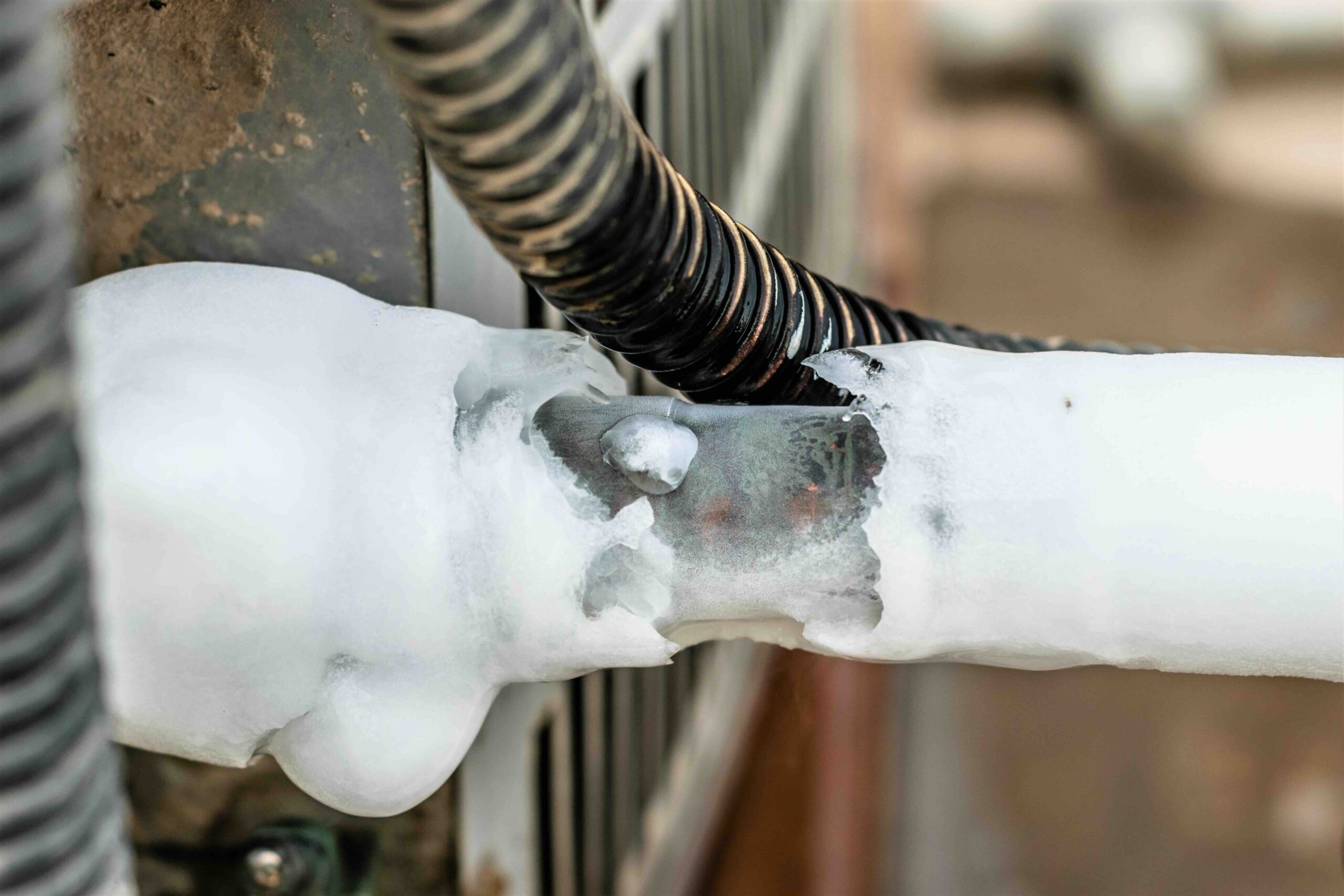
When Your AC Compressor Freezes Up: What Every Homeowner Should Know
It happens at the worst possible time. The middle of July, the house is warming up fast, and instead of cool air pouring through the vents, you get nothing — or worse, barely a whisper of lukewarm air. You head outside to check the unit and notice something strange: there is actual ice forming on your air conditioner. The compressor is frozen, and suddenly a comfortable afternoon turns into a scramble for answers. A frozen AC compressor is one of the most common air conditioning problems homeowners face, and yet it catches most people completely off guard. This guide breaks down exactly what is happening, why it happens, and what you can do about it — including how a home warranty might save you from a very expensive repair bill.
What Is an AC Compressor and Why Does It Matter?
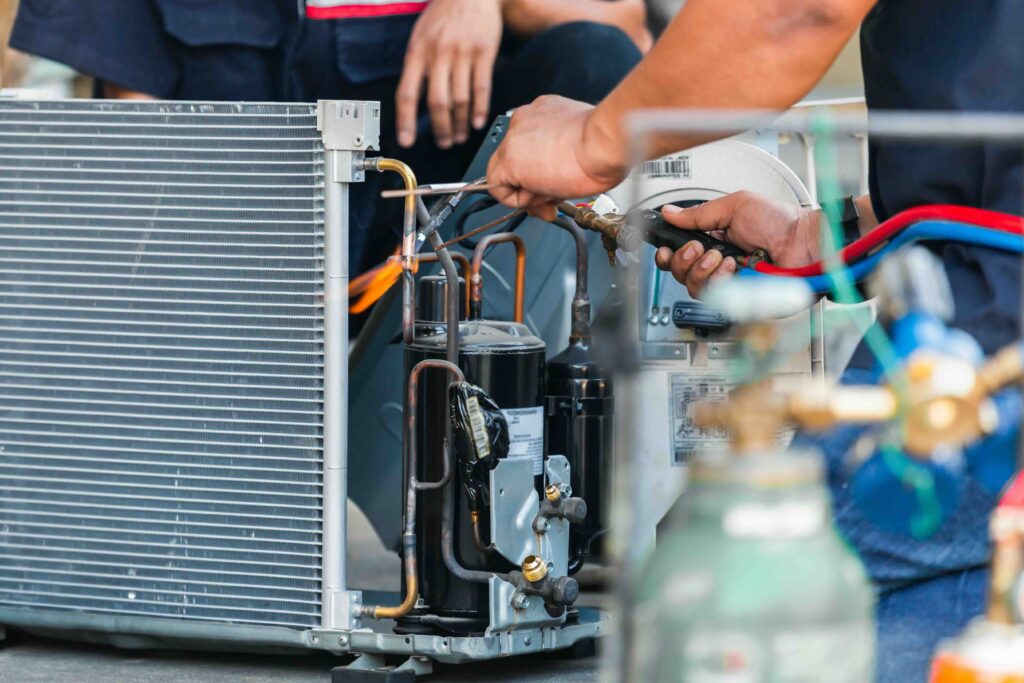
The compressor is the heart of your air conditioning system. It sits inside the outdoor unit, and its job is to pressurize the refrigerant so it can absorb heat from inside your home and release it outside. Think of it as the engine driving the entire cooling cycle. Without a functioning compressor, the refrigerant cannot do its job, and your system cannot produce cold air. Compressors are also one of the most expensive components in an HVAC system, which is part of why a frozen or failed compressor tends to generate a sense of dread in homeowners. Understanding what the compressor does gives you a better foundation for understanding why freezing is such a serious problem.
What Does a Frozen Compressor Actually Look Like?
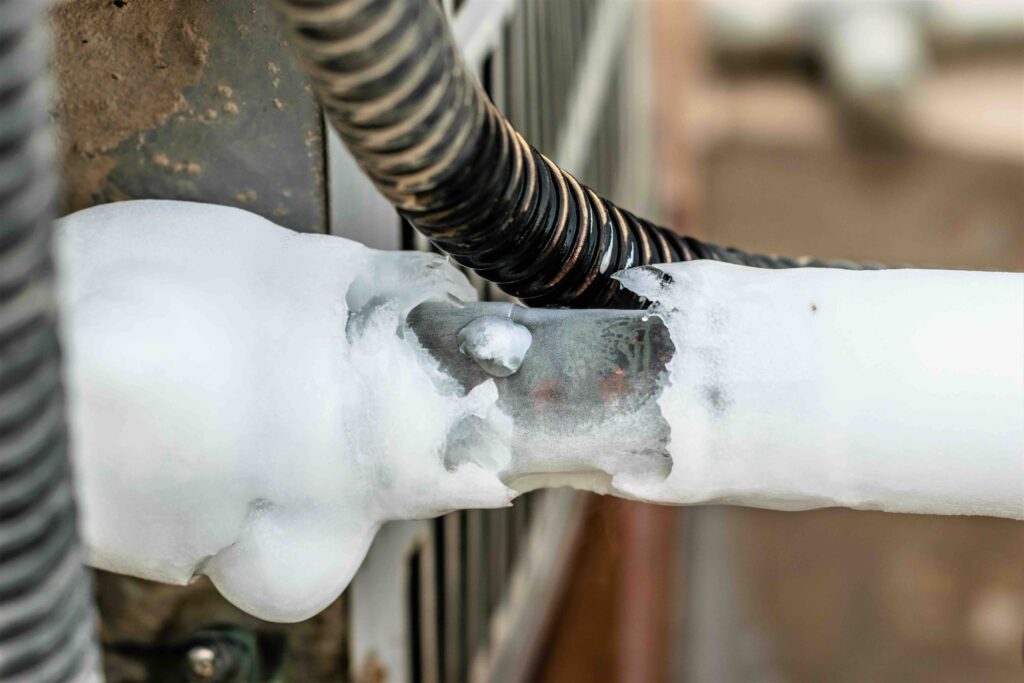
When people say the compressor is frozen, they often mean one of two things. Sometimes the ice is visible on the refrigerant lines running to and from the outdoor unit. Other times, ice forms directly on the evaporator coil inside the air handler, which is located indoors. In severe cases, the entire outdoor unit can become encased in frost or ice. Your system may still attempt to run, but airflow will be severely restricted and cooling will be minimal to nonexistent. You might also hear unusual sounds, notice water pooling around the unit as ice melts, or see your energy bill creeping up because the system is working harder than it should. These are all signs worth taking seriously.

The Most Common Causes of a Frozen AC Compressor
There is no single reason a compressor or the surrounding components freeze up. In most cases, it comes down to one or more of the following issues disrupting the normal flow of refrigerant and airflow through the system.
- Restricted airflow caused by a dirty or clogged air filter is one of the leading culprits. When air cannot move freely over the evaporator coil, temperatures drop too low and ice begins to form.
- Low refrigerant levels, often caused by a slow leak in the system, reduce pressure inside the refrigerant lines and cause the coil temperature to fall below freezing.
- A malfunctioning blower fan means air is not being pulled across the evaporator coil consistently, which allows ice to build up over time.
- Running the air conditioner when outdoor temperatures drop below around 60 degrees Fahrenheit can also cause freezing, since the system is not designed to operate efficiently in cooler ambient conditions.
- Blocked or closed supply vents throughout the home restrict return airflow, which creates the same problem as a dirty filter.
Why You Should Never Ignore a Frozen AC Unit
Some homeowners see ice on their AC unit and assume the system is working overtime in a good way. It is not. Ice formation is a symptom of a system under stress, and continuing to run a frozen unit can cause compressor damage that is both serious and expensive. When refrigerant returns to the compressor in a liquid state rather than a gas — a condition called liquid slugging — it can damage internal components that are only designed to handle refrigerant in vapor form. That kind of damage often means full compressor replacement, which can cost anywhere from several hundred to well over a thousand dollars depending on the system. Catching the problem early is always the better path.
What to Do When You Discover a Frozen AC Compressor
The first and most important step is to turn the system off immediately. Switch the thermostat from cooling mode to the fan-only setting, or shut the system down entirely. This allows the ice to melt without putting additional strain on the compressor. Depending on how much ice has built up, the thawing process can take anywhere from a few hours to a full day. While you wait, check and replace the air filter if it is dirty. Once the ice has fully melted and the system has dried out, you can attempt to restart. If the unit freezes again shortly after, that is a strong indicator of a refrigerant leak or a mechanical issue that requires a licensed HVAC technician to diagnose and repair properly.
Preventive Maintenance That Actually Makes a Difference
Preventing a frozen compressor is largely a matter of staying consistent with routine maintenance. These habits do not require technical expertise, but they do require follow-through.
- Replace your air filter every one to three months depending on your household, especially during peak cooling season.
- Schedule a professional HVAC tune-up at least once per year, ideally in the spring before you need the system most.
- Keep all supply and return vents open and unobstructed by furniture, rugs, or curtains.
- Make sure the area around your outdoor unit is clear of debris, shrubs, and anything that could block airflow through the condenser coils.
- If you notice your system is low on refrigerant, do not simply have it recharged without also having the source of the leak identified and repaired.
How Much Does It Cost to Repair a Frozen AC Compressor?
Repair costs vary considerably based on what caused the freezing in the first place. A simple filter replacement costs next to nothing. Recharging refrigerant typically runs between 150 and 400 dollars, depending on the refrigerant type and the amount needed. Repairing a refrigerant leak adds to that cost. Replacing a failed blower motor can range from 300 to 600 dollars with labor. And if the compressor itself has been damaged beyond repair, you could be looking at 800 to 2,500 dollars or more, sometimes pushing homeowners toward full system replacement depending on the age and efficiency of the existing unit. These numbers highlight exactly why having a financial safety net in place matters.
Why Armadillo Home Warranty Is Worth Considering for AC Coverage
When a compressor failure hits, the last thing you want is to be navigating contractor calls and surprise invoices on your own. That is where Armadillo home warranty coverage for HVAC systems and air conditioning compressors provides genuine, practical value. Armadillo is built for homeowners who want straightforward protection without the confusing fine print that tends to define older warranty providers. Coverage is designed to step in when systems like your air conditioner break down due to normal wear and tear — exactly the kind of failure a frozen or damaged compressor represents. If you have been putting off getting coverage or are unsure whether your current plan is adequate, now is a smart time to take action and get a free home warranty quote that includes air conditioner compressor protection. Peace of mind is not an abstract idea when a repair bill lands in your inbox in August.

Frequently Asked Questions About Frozen AC Compressors
These are the questions homeowners ask most often when dealing with a frozen air conditioner, answered clearly and directly.
Can I run my air conditioner if the compressor is frozen?
No. Running a frozen AC unit can cause serious damage to the compressor. Turn the system off or switch to fan-only mode and allow the ice to melt completely before restarting.
How long does it take for a frozen AC unit to thaw?
It typically takes between two and 24 hours for a frozen AC unit to fully thaw, depending on the extent of the ice buildup and the ambient temperature.
Will a dirty air filter cause my AC compressor to freeze?
Yes. A clogged air filter restricts airflow over the evaporator coil, causing temperatures to drop below freezing and leading to ice accumulation on the coil and refrigerant lines.
What are the signs that my AC compressor has been damaged by freezing?
Signs include the system repeatedly freezing after thawing, unusual noises from the outdoor unit, significantly reduced cooling performance, and the unit running constantly without reaching the set temperature.
Is a frozen AC compressor covered by a home warranty?
Many home warranty plans cover air conditioning compressors when failure results from normal wear and tear. Coverage details vary by provider, so reviewing your specific plan terms is important.
How often should I have my AC system professionally serviced to prevent freezing?
At minimum, once per year before the cooling season begins. Annual maintenance allows a technician to check refrigerant levels, inspect coils, test the blower motor, and identify issues before they cause a breakdown.
Can low refrigerant cause a frozen AC compressor?
Yes. Low refrigerant reduces system pressure, which causes the evaporator coil temperature to fall too low, resulting in ice formation. Low refrigerant almost always indicates a leak that needs to be located and repaired.
What temperature is too cold to run a central air conditioner?
Most central air conditioning systems are not designed to operate effectively when outdoor temperatures fall below approximately 60 degrees Fahrenheit. Running the system in cooler conditions increases the risk of freezing.
Can I prevent my AC from freezing without spending a lot of money?
Yes. Regular filter changes, keeping vents unobstructed, scheduling annual maintenance, and avoiding running the AC during unusually cool weather are all low-cost practices that significantly reduce the risk of freezing.
If my compressor is damaged from freezing, should I repair it or replace the whole system?
That depends on the age and overall condition of the system. If the unit is more than 10 to 12 years old and the compressor has failed, full system replacement often makes more financial sense than investing in a costly repair on aging equipment.