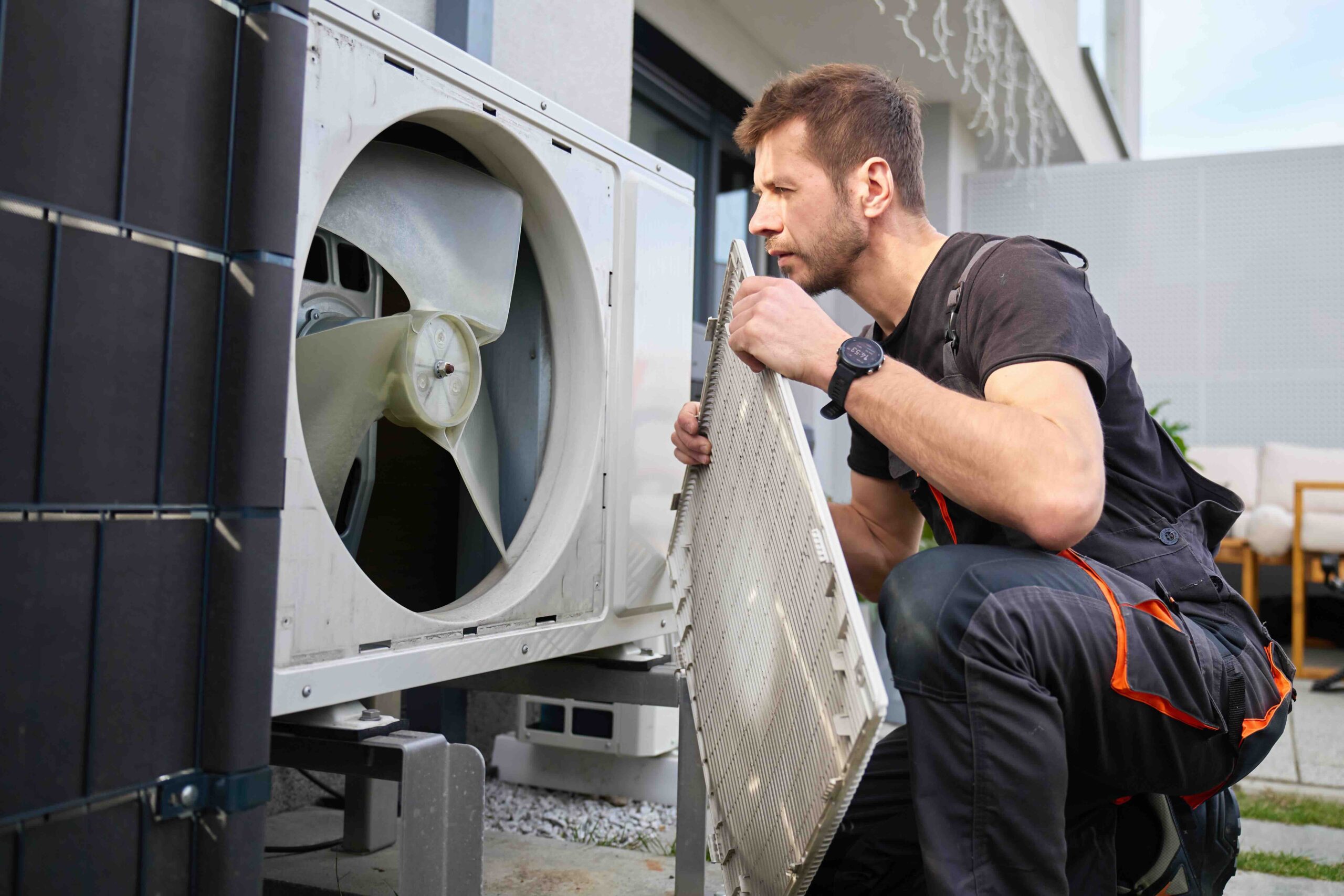
What Is a Home Cooling System and Why Does It Matter?
Your home’s cooling system is one of those things you never really think about — until it stops working in the middle of July. And then, suddenly, it’s all you can think about. Understanding how your cooling system actually functions is one of the smartest things a homeowner can do, not because it makes you an HVAC technician overnight, but because it helps you recognize problems early, make better decisions about maintenance, and avoid costly surprises. Whether you are in a house with central air, a ductless mini-split, or something in between, the fundamentals of how these systems cool your home are more straightforward than most people realize.
How a Central Air Conditioning System Actually Works
Central air conditioning operates on a refrigeration cycle, which sounds complicated but is actually a fairly elegant process. The system uses a refrigerant — a chemical compound that transitions between liquid and gas states — to absorb heat from inside your home and release it outside. The indoor unit, usually an air handler or evaporator coil, pulls warm air from your living space across cold refrigerant-filled coils. The refrigerant absorbs that heat, gets compressed by the outdoor unit, releases the heat outside, and cycles back through to do it all over again. Meanwhile, your blower fan pushes the now-cooled air back through your duct system and into each room. It is a continuous loop, and when every component is working correctly, the result is consistent, comfortable indoor temperatures.
The Key Components of Your Cooling System
Knowing what the major parts are — and what they do — makes it much easier to have productive conversations with HVAC professionals and understand inspection reports. Here is a quick breakdown of the components most commonly evaluated during a cooling system inspection:
- Compressor: The heart of the system, located in the outdoor unit. It pressurizes the refrigerant and keeps the refrigeration cycle moving.
- Evaporator coil: Sits inside the air handler or near the furnace. This is where indoor heat is absorbed into the refrigerant.
- Condenser coil: Located in the outdoor unit. Releases absorbed heat to the outside air.
- Air handler and blower fan: Circulates conditioned air through the duct system and into your home.
- Refrigerant lines: Insulated copper tubing connecting the indoor and outdoor components.
- Thermostat: The control interface that tells the system when to run and when to stop.
- Air filter: Prevents dust and debris from clogging the system and reduces indoor air particles.
- Drainage system: Removes condensation produced during the cooling process.
What a Cooling System Inspection Covers
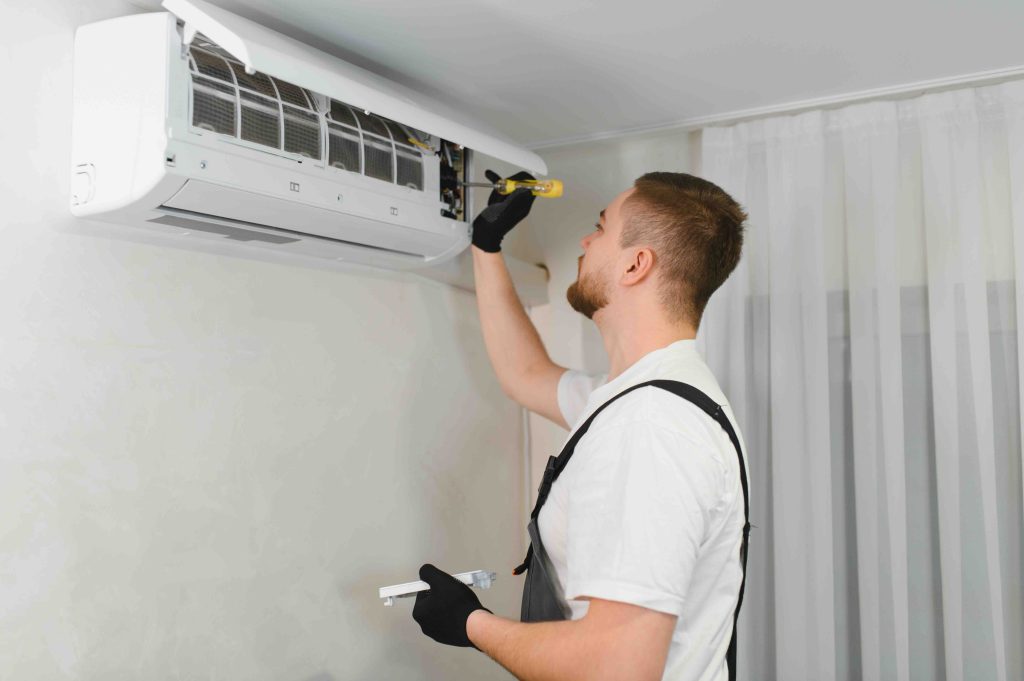
A professional cooling system inspection is typically performed by a certified HVAC technician and involves a detailed review of both the mechanical and electrical components. The technician will check refrigerant levels and look for signs of leaks, test the electrical connections and voltage to key components, inspect the evaporator and condenser coils for dirt or damage, evaluate the blower motor and fan operation, check the thermostat calibration, and examine the condensate drain for blockages. They will also assess airflow throughout the system and make sure the filter is clean and properly seated. Some inspections include a temperature differential test, measuring the difference between return air temperature and supply air temperature to confirm the system is cooling efficiently. A well-functioning system should show a differential of roughly 14 to 22 degrees Fahrenheit.
The Real Advantages of Routine Cooling System Maintenance
Scheduling annual cooling system inspections is one of those maintenance habits that genuinely pays for itself. A system running at peak efficiency uses less energy, which means lower utility bills month after month. Regular servicing also extends equipment lifespan significantly — a well-maintained central air system can last 15 to 20 years, while neglected systems often fail well before the 10-year mark. Inspections catch small issues, like a slightly low refrigerant charge or a dirty condenser coil, before they cascade into compressor failure or complete system breakdowns. There is also comfort to consider — a properly tuned system cools more evenly, maintains humidity levels better, and cycles on and off as intended rather than running constantly or short-cycling.

Common Cooling System Problems Homeowners Should Know About
Even with good maintenance habits, cooling systems develop issues over time. The most common complaints include refrigerant leaks, frozen evaporator coils, clogged condensate drain lines, faulty capacitors, and failing contactors in the outdoor unit. Dirty air filters are responsible for a surprising number of service calls — they restrict airflow enough to cause the evaporator coil to ice over, which stops cooling entirely. Thermostat malfunctions are another frequent culprit, sometimes causing the system to run continuously or not respond to temperature changes at all. Duct leaks, while not a mechanical failure of the cooling unit itself, can dramatically reduce efficiency by allowing conditioned air to escape into unconditioned spaces like attics or crawl spaces.
Drawbacks and Limitations to Keep in Mind
Central air conditioning is effective and widely used, but it is worth being honest about its limitations. These systems are expensive to install — a full central air system replacement can run anywhere from $5,000 to $12,000 or more depending on home size and regional labor costs. They require dedicated electrical infrastructure, ductwork in good condition, and consistent maintenance to operate efficiently. In older homes, duct systems may not be properly sized for modern high-efficiency equipment. Additionally, the refrigerants used in older systems — particularly R-22, which was phased out in 2020 — are no longer manufactured, making repairs to those units increasingly expensive. Energy consumption is also a real consideration, particularly in climates with long, hot summers where air conditioning accounts for a major portion of household electricity use.
Practical Tips for Keeping Your Cooling System in Good Shape
Homeowners can do a lot to protect their cooling systems between professional service visits. Replacing the air filter every one to three months is the single most impactful thing you can do on your own. Keep the area around the outdoor condenser unit clear of debris, vegetation, and anything that restricts airflow. Make sure the condensate drain line is not blocked — a simple flush with diluted bleach once a year can prevent clogs and water damage. Set your thermostat to a consistent temperature and avoid dramatic swings that force the system to work harder than necessary. Program it to ease up slightly when the home is unoccupied. And if you notice reduced airflow, warm air from the vents, unusual sounds, or ice forming anywhere on the system, call a technician promptly rather than waiting to see if the problem resolves itself.
When It Makes Sense to Replace Rather Than Repair
The repair-versus-replace decision is one of the more stressful judgment calls in home ownership. A general rule used widely in the HVAC industry is the 5000 rule: multiply the age of the system by the estimated repair cost. If the result exceeds $5,000, replacement is typically the smarter financial choice. Beyond that formula, systems older than 12 to 15 years that require frequent repairs, use R-22 refrigerant, or struggle to maintain comfortable temperatures despite proper maintenance are strong candidates for replacement. Upgrading to a modern high-efficiency system, particularly one with a high SEER2 rating, often results in meaningful energy savings that help offset the upfront cost over time.
How Armadillo Helps Protect Your Cooling System Investment
Cooling system failures do not announce themselves in advance, and when they happen, the repair bills can be substantial. That is exactly the kind of financial surprise that a home warranty is designed to absorb. If you are looking for dependable coverage that actually makes sense for how homeowners live, Armadillo home warranty plans for cooling systems and HVAC coverage are built to address the real costs of maintaining and repairing your home’s most essential systems. Armadillo takes a straightforward approach — clear coverage terms, no confusing fine print, and service that does not make you jump through hoops when something breaks. When your air conditioner gives out in peak summer heat, the last thing you need is uncertainty about whether you are covered. You can get a free home warranty quote for cooling system protection in just a few minutes and see exactly what a plan would cover and cost for your home.
Frequently Asked Questions About Home Cooling Systems
Answers to the questions homeowners ask most about cooling system maintenance, inspections, and coverage.
How often should a home cooling system be inspected?
A professional inspection once per year is the standard recommendation, ideally scheduled in spring before the heavy cooling season begins. Annual servicing keeps the system running efficiently and allows technicians to catch developing issues early.
What is the average lifespan of a central air conditioning system?
A well-maintained central air conditioner typically lasts between 15 and 20 years. Systems that receive irregular maintenance or operate in extreme climates may fail sooner, sometimes within 10 to 12 years.
Why is my air conditioner running but not cooling the house?
Common causes include a dirty air filter restricting airflow, low refrigerant due to a leak, a frozen evaporator coil, or a malfunctioning compressor. A professional diagnostic visit is the most reliable way to identify the specific cause.
What does refrigerant do and why does it matter?
Refrigerant is the chemical compound that absorbs heat from indoor air and releases it outside. Without the correct refrigerant charge, the system cannot complete the cooling cycle efficiently. Low refrigerant almost always indicates a leak that requires professional repair.
How can I improve my cooling system’s energy efficiency?
Replace air filters regularly, keep the outdoor unit clear of debris, seal any duct leaks, use a programmable thermostat, and schedule annual professional maintenance. These steps together can meaningfully reduce energy consumption and utility costs.
What is a SEER rating and why does it matter when buying a new system?
SEER stands for Seasonal Energy Efficiency Ratio and measures how efficiently a cooling system uses electricity over a typical cooling season. Higher SEER ratings indicate greater efficiency. The current federal minimum is 14 SEER2, and higher-rated systems can produce significant long-term energy savings.
Is a frozen air conditioner coil dangerous?
A frozen evaporator coil is not immediately dangerous, but it will stop the system from cooling effectively and can lead to water damage when the ice melts. It usually signals an airflow problem or refrigerant issue and should be addressed by a technician promptly.
Does a home warranty cover air conditioning repairs?
Many home warranty plans include coverage for central air conditioning components, such as the compressor, evaporator coil, and refrigerant lines. Coverage specifics vary by plan, so reviewing what is included before signing is important.
What causes short cycling in an air conditioner?
Short cycling — when the system turns on and off in rapid succession — can be caused by an oversized unit, low refrigerant, a dirty air filter, or a failing thermostat. It reduces efficiency, increases wear on components, and should be diagnosed by a professional.
When should I consider replacing my air conditioner instead of repairing it?
If your system is older than 12 to 15 years, requires frequent repairs, uses outdated R-22 refrigerant, or produces repair estimates that rival the cost of a new unit, replacement is generally the more cost-effective long-term decision.