Why Your Water Heater Is Quietly Fighting a Losing Battle
Most homeowners never think about their water heater until something goes wrong. It sits in the corner of the basement or a utility closet, doing its job without complaint — until it does not. One of the most common and least-discussed threats to water heater longevity is sediment buildup. Over time, minerals like calcium and magnesium naturally present in tap water settle at the bottom of your tank. They accumulate, harden, and slowly compromise the unit’s ability to heat water efficiently. The good news is that draining your water heater to remove this sediment is a manageable DIY task that can extend the life of the appliance and keep your energy bills in check. Here is what you need to know.
What Is Water Heater Sediment and Where Does It Come From
When cold water enters your water heater tank, it carries dissolved minerals with it. As the water heats up, those minerals precipitate out of solution and sink to the bottom of the tank. This is not a flaw in your plumbing — it is just chemistry. Homes in areas with hard water will see this happen faster, but it occurs everywhere to some degree. Over months and years, that mineral layer thickens. It acts as an insulating barrier between the heating element or burner and the water above it, forcing your system to work harder and longer to reach the set temperature. You may notice this as higher utility bills, longer wait times for hot water, or a strange popping or rumbling sound coming from the tank. That noise, by the way, is water boiling beneath the sediment layer. Not ideal.
How Often Should You Drain a Water Heater
The general recommendation from most plumbing professionals and manufacturers is to flush your water heater at least once per year. Homes with particularly hard water may benefit from doing this every six months. If you have never flushed your water heater and the unit is several years old, you may want to proceed with extra caution — heavily sediment-laden tanks can occasionally develop leaks when disturbed for the first time. It is worth knowing your unit’s history before you begin. If the tank is approaching the end of its typical lifespan — usually 8 to 12 years for a traditional tank water heater — evaluate whether a flush is worth doing or whether replacement is the smarter move.
What You Will Need Before You Start
Preparation matters here. Before you touch anything on the water heater, gather the following supplies and make sure you understand what you are working with:
- A standard garden hose long enough to reach a floor drain or exterior drainage point
- Work gloves, since the water that drains out can be very hot
- Flathead screwdriver for the drain valve if needed
- A bucket to catch any initial draining if hose positioning is tricky
- Your water heater’s owner manual, if available
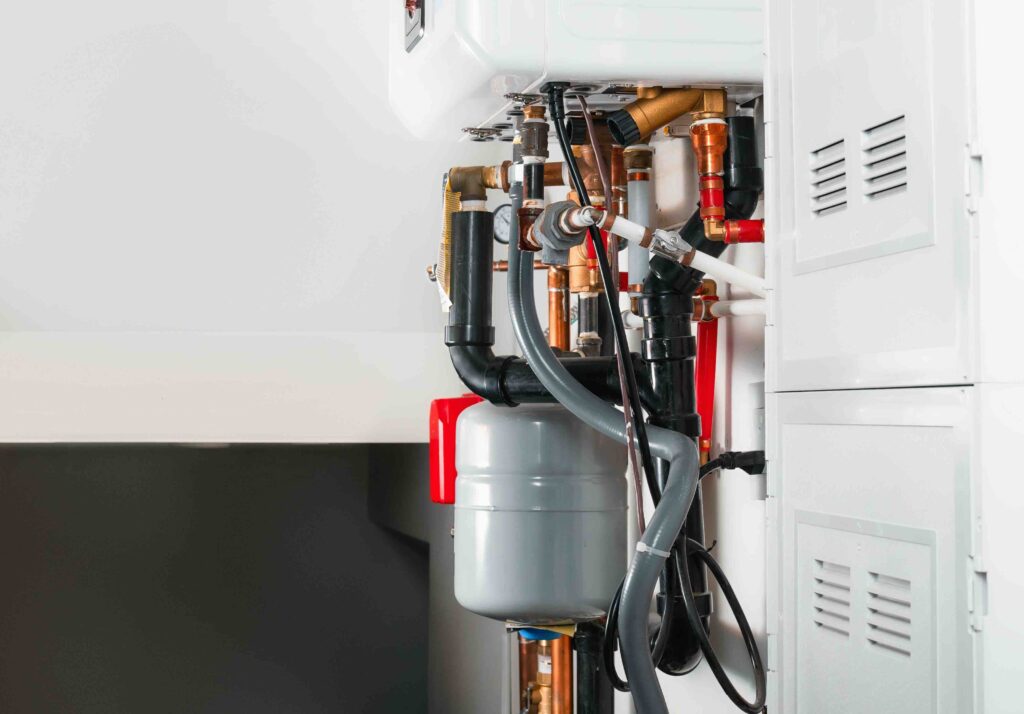
Also take a moment to locate your unit’s cold water supply valve, the pressure relief valve, and the drain valve near the base of the tank. Familiarizing yourself with these components before beginning will make the process significantly smoother.

Step-by-Step Guide to Draining Your Water Heater
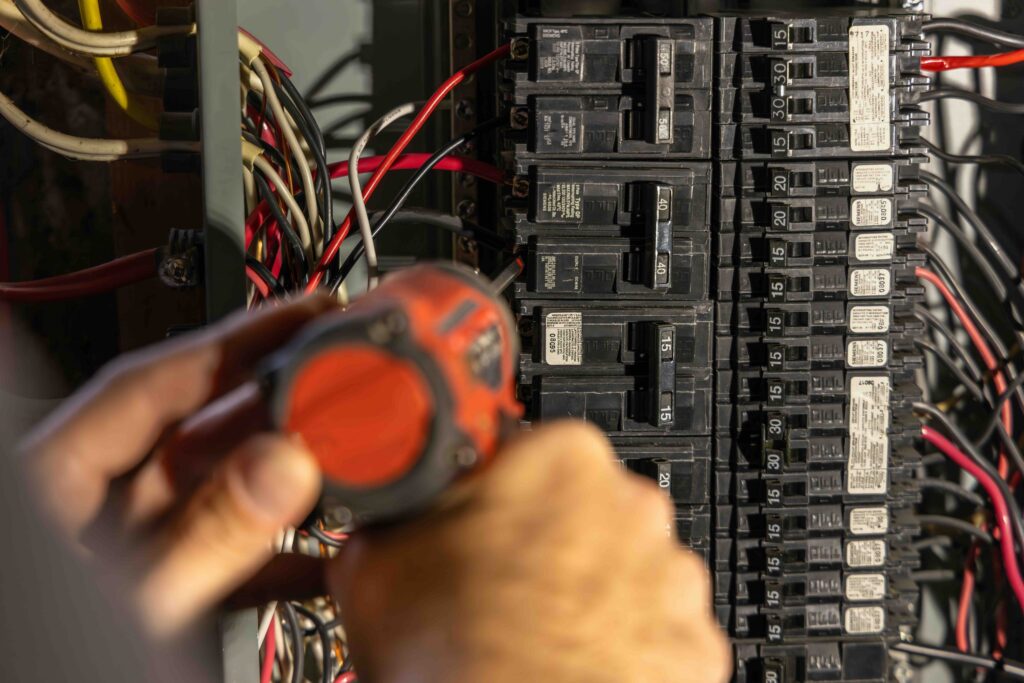
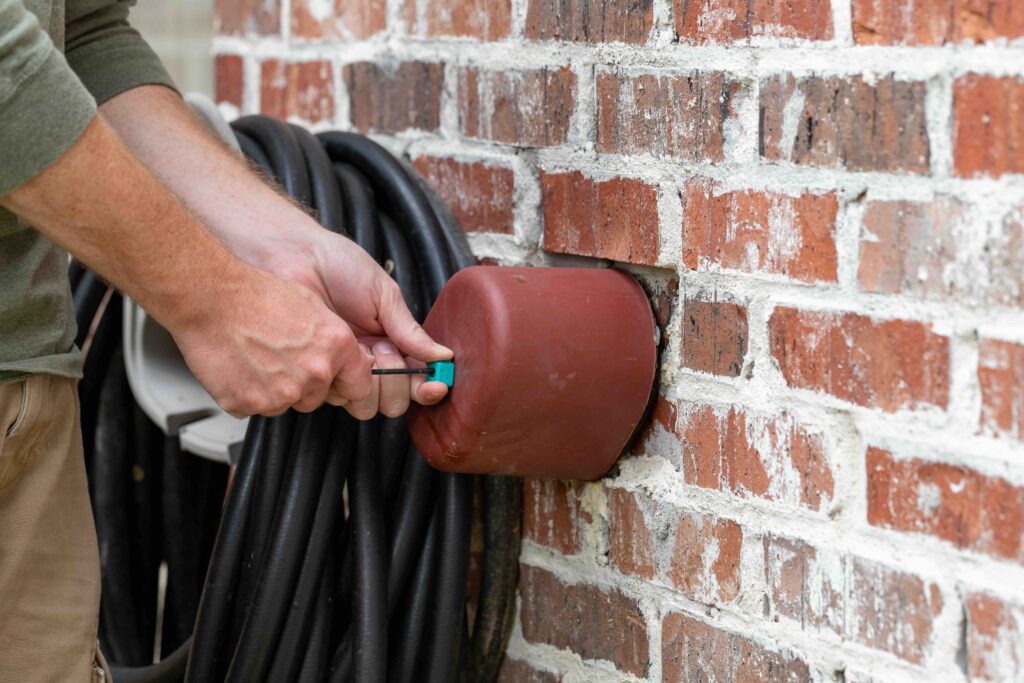
The process is more straightforward than most people expect. Start by turning off the power supply to the unit. For electric water heaters, flip the breaker. For gas models, set the thermostat to the pilot setting rather than turning off the gas entirely. Next, turn off the cold water supply valve feeding into the tank. Connect your garden hose to the drain valve at the base of the unit and run the other end to a suitable drainage location — a floor drain, a utility sink, or outside. Open the pressure relief valve slightly to allow air into the tank, which helps the water drain more freely. Then open the drain valve and let the tank empty. The water coming out may be discolored or carry visible sediment particles, and that is completely normal. Once drained, briefly reopen the cold water supply to flush any remaining sediment out through the drain. Repeat this until the water runs clear. Close the drain valve, disconnect the hose, close the pressure relief valve, and refill the tank before restoring power or relighting the pilot. Always wait for the tank to fully refill before turning the heat source back on to avoid damaging the heating element.
Common Problems You Might Encounter
Draining a water heater is generally uncomplicated, but a few issues can surface. A drain valve that has not been used in years may be stuck or may drip after being reopened. If the valve leaks after you close it, a replacement drain valve is an inexpensive fix. Heavily calcified sediment may not flush out completely in one session — if the water runs murky even after several flush cycles, the buildup may be extensive enough that professional intervention is warranted. Some older tanks also have plastic drain valves that are more fragile, so apply steady, gentle pressure rather than forcing it.
The Real Benefits of Regular Water Heater Maintenance
Flushing your water heater annually delivers meaningful returns. A clean tank heats water more efficiently, which directly reduces energy consumption. Sediment-free heating elements last longer, delaying the need for costly repairs or early replacement. You are also less likely to experience the frustrating symptoms of a struggling system — lukewarm water, inconsistent temperature, or discolored output. Think of it as a tune-up for an appliance that runs every single day of the year without a day off. The maintenance investment is minimal compared to what it prevents.
When Draining Is Not Enough and Replacement Makes More Sense
There are situations where flushing the tank is a Band-Aid on a bigger problem. If your water heater is older than 10 to 12 years, shows signs of rust or corrosion around the base or connections, or has required multiple repairs in recent years, sediment flushing is unlikely to extend its life in any meaningful way. Persistent leaks, a failure to maintain temperature, or visible tank damage are all signals that replacement is the more financially sound decision. A new energy-efficient unit, properly maintained from the start, will outperform a struggling old tank regardless of how well it is flushed.
How a Home Warranty Connects to Your Water Heater
Here is something worth thinking about: a home warranty plan does not replace good maintenance habits, but it does provide a financial safety net when things go wrong despite your best efforts. Water heaters, even well-maintained ones, can fail unexpectedly — a faulty thermostat, a broken heating element, a valve that gives out without warning. Those repairs and replacements carry real costs, often arriving at the worst possible time. A home warranty covers many of these mechanical and electrical failures, giving homeowners a layer of financial protection that a maintenance schedule alone cannot offer.
Armadillo Helps You Stay Ahead of Unexpected Water Heater Costs
Keeping up with water heater maintenance is a smart move, but even diligent homeowners face surprise breakdowns. That is exactly where Armadillo home warranty coverage for water heaters and essential home systems delivers real value. Armadillo’s plans are built for real homeowners — straightforward coverage, no confusing fine print, and a claims process that does not feel like an obstacle course. When your water heater fails despite being well maintained, you deserve a response that is fast and fair. If you are ready to stop worrying about what the next repair bill might look like, you can get a free home warranty quote for water heater and appliance protection in just a few minutes. Protecting your home does not have to be complicated — and with Armadillo, it is not.

Frequently Asked Questions About Draining a Water Heater
Here are answers to the most common questions homeowners have about water heater sediment and the flushing process.
How do I know if my water heater has sediment buildup?
Common signs include a rumbling or popping noise from the tank during heating cycles, longer wait times for hot water, reduced hot water volume, and higher-than-usual energy bills. Discolored or gritty water from the hot tap can also indicate sediment issues.
Is it safe to drain a water heater myself?
Yes, for most homeowners this is a manageable DIY task. The primary precautions are turning off the power or gas supply before draining, being careful around hot water, and not restoring power until the tank is fully refilled. When in doubt, consult a licensed plumber.
How long does it take to drain a water heater?
The full process, including setup, draining, flushing, and refilling, typically takes between one and two hours depending on tank size and how much sediment is present.
Can I drain a water heater without turning off the power?
This is not recommended. Running a water heater’s heating element without water in the tank can cause serious damage. Always shut off power to an electric unit or set a gas unit to pilot before draining.
What if my drain valve is stuck or will not open?
Applying steady, gentle pressure is the first step. Do not force it. If the valve is heavily corroded or seized, a plumber should handle it to avoid cracking the valve body or causing a leak.
How much water comes out when you flush a water heater?
A standard tank holds between 40 and 80 gallons, though you do not necessarily need to drain the entire tank. Many homeowners drain just enough to clear the sediment, which often requires flushing several gallons until the water runs clear.
Does flushing a water heater really save money on energy bills?
Yes. Sediment acts as an insulating layer between the heat source and the water, forcing the system to use more energy to reach the target temperature. Removing that sediment allows the unit to operate more efficiently, which translates to measurable energy savings over time.
Will draining my water heater void its warranty?
Standard flushing and maintenance procedures are generally encouraged by manufacturers and should not void a manufacturer warranty. However, improper handling or modifications might. Always follow the guidance in your unit’s owner manual.
Can I flush a tankless water heater the same way?
No. Tankless water heaters require a different descaling process using a pump and cleaning solution. The garden hose drain method described in this article applies specifically to traditional tank-style water heaters.
Does a home warranty cover water heater repairs caused by sediment damage?
Coverage varies by provider and plan. Most home warranties cover mechanical and electrical failures of the water heater but may exclude damage resulting from neglected maintenance. Maintaining a regular flush schedule helps demonstrate that the system was properly cared for, which supports any future warranty claims.