What Is an 800 Square Foot Air Conditioning Unit and Do You Actually Need One?
If you have ever stood in a room that never quite cools down no matter how low you set the thermostat, you already know the frustration. Sizing an air conditioning unit correctly is one of those things that sounds simple until you realize how many variables are actually involved. An 800 square foot air conditioning unit refers to a cooling system specifically sized to handle spaces up to approximately 800 square feet. Whether that is a studio apartment, a small home, a finished basement, or a large room addition, understanding what this unit does and whether it fits your situation can save you money, extend equipment life, and make your home genuinely comfortable. This article walks through everything you need to know about AC units sized for 800 square feet, so you can make a confident, informed decision.
How Air Conditioning Works in Smaller Spaces
Air conditioning operates on a deceptively straightforward principle. Warm air from inside your home is pulled across a set of refrigerant-filled coils, the heat is absorbed, and cooler air is pushed back into the space. The refrigerant then moves outside to release that heat, and the cycle repeats. For a space around 800 square feet, this process needs to happen efficiently and consistently without being overwhelmed or underutilized. Units designed for this square footage are typically rated between 14,000 and 18,000 BTUs, depending on factors like ceiling height, sun exposure, insulation quality, and the number of people regularly occupying the space. BTU stands for British Thermal Unit, and it is essentially the measurement of how much heat an AC unit can remove per hour. Getting that number right for your specific square footage is the foundation of everything else.
Types of AC Units Suited for 800 Square Feet
Not all air conditioners are built the same, and the right type for your 800 square foot space depends on how the area is laid out and what kind of installation you are working with. Here are the most common options for this size range:
- Window air conditioners: Cost-effective and easy to install, these work well for single-room applications or open floor plans up to 800 square feet.
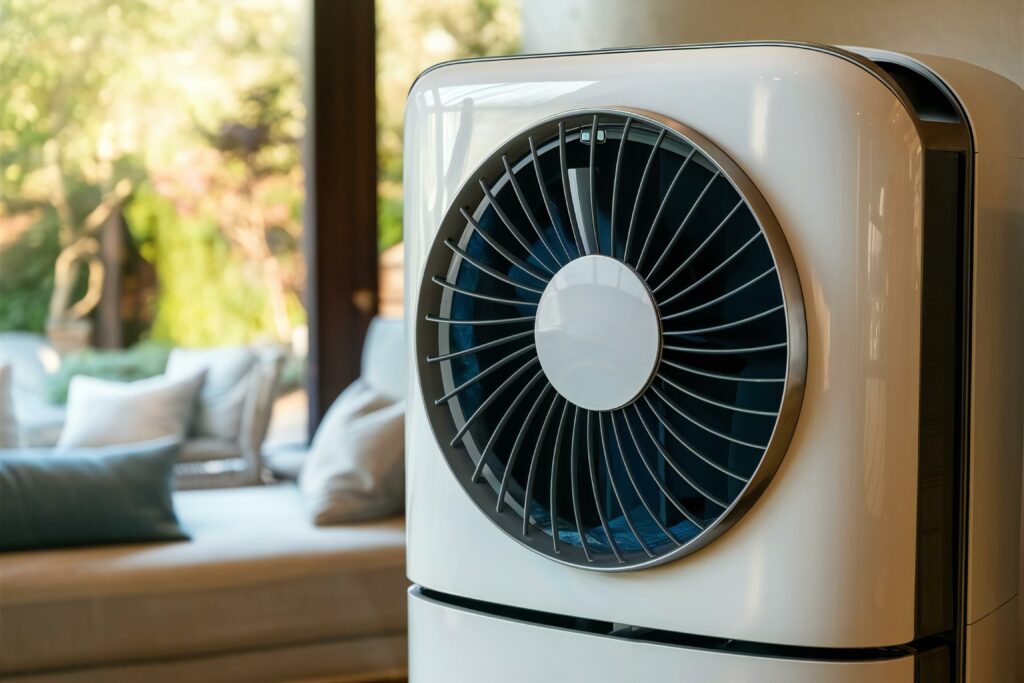
- Portable air conditioners: Flexible and requires no permanent installation, though they are generally less efficient than window or split units.
- Mini-split systems: Ductless, highly efficient, and ideal for spaces without existing ductwork. They offer precise temperature control and are among the best long-term solutions for 800 square foot areas.
- Central air conditioning: If the 800 square foot space is part of a larger home, a central system with proper zoning may already be handling it or should be.
Each option carries its own set of installation requirements, costs, and performance considerations, so it is worth evaluating your specific setup before committing to one type over another.
Key Advantages of a Properly Sized AC Unit for 800 Square Feet
When you match the right unit to the right space, the benefits are immediately noticeable. A properly sized air conditioner for an 800 square foot area runs in efficient cycles, removing humidity while maintaining a consistent temperature. It does not short-cycle, which is when a unit cools too quickly and shuts off before adequately dehumidifying the air. It also does not run constantly trying to keep up with a load it was never built to handle. Energy bills tend to stay more predictable, the system experiences less mechanical wear, and the air quality inside the space typically improves. From a home warranty and long-term ownership perspective, a correctly sized unit is also far less likely to produce the kind of premature breakdowns that lead to expensive repair calls.
Common Drawbacks and Challenges to Be Aware Of
Here is where things get a little more nuanced. Even a well-chosen unit for 800 square feet can underperform if the surrounding conditions are working against it. Poor insulation, drafty windows, high ceilings, or a south-facing room with significant sun exposure can all push a unit beyond its effective range. Oversizing is also a real problem. Homeowners sometimes assume bigger is better and install a unit with too many BTUs for the space. The result is a system that cools too fast, never runs long enough to dehumidify properly, and leaves the space feeling cold but clammy. Undersizing has the opposite effect, where the unit runs constantly and still cannot reach the target temperature. Both scenarios lead to excessive wear and higher energy costs over time.

How to Calculate Whether an 800 Square Foot Unit Is Right for Your Space
The general industry rule of thumb is approximately 20 BTUs per square foot of living space. For 800 square feet, that puts you right in the range of 16,000 BTUs under standard conditions. However, that number adjusts based on several factors. If the room is heavily shaded, you might reduce the estimate by about 10 percent. If it receives significant direct sunlight, increase it by roughly 10 percent. Kitchens or spaces with heat-generating appliances may require more capacity. Rooms with more than two regular occupants also benefit from a slight upward adjustment. Consulting an HVAC professional for a proper Manual J load calculation is the most accurate approach, particularly if you are investing in a mini-split or planning a central system extension.
Installation Considerations and What to Expect
Installation complexity varies significantly depending on the unit type. A window AC can often be installed in an afternoon with basic tools. A portable unit requires nothing more than an outlet and a ventilation kit. A mini-split installation, on the other hand, involves mounting an indoor air handler, running refrigerant lines through a wall, and connecting to an outdoor compressor unit. That work requires a licensed HVAC technician and a permit in most jurisdictions. Central air modifications are even more involved if ductwork adjustments are needed. Budgeting appropriately for installation is important. The unit cost is only part of the total investment, and skipping professional installation to save money can create problems that cost significantly more to fix later.
Energy Efficiency Ratings and What They Mean for Your Wallet
When shopping for an AC unit for 800 square feet, you will encounter terms like SEER, EER, and Energy Star ratings. SEER stands for Seasonal Energy Efficiency Ratio, and it measures overall efficiency across a cooling season. A higher SEER rating means less energy consumed for the same amount of cooling output. EER measures efficiency at a specific operating condition and is particularly useful for comparing window or portable units. An Energy Star certified unit meets minimum efficiency thresholds set by the Environmental Protection Agency. For a homeowner running an AC unit in an 800 square foot space for several months a year, the difference between a low-efficiency and a high-efficiency unit can translate to meaningful savings on monthly utility bills over the lifetime of the equipment.
Maintenance Tips to Keep Your Unit Running at Peak Performance
Routine maintenance is what separates a system that lasts 15 years from one that needs replacing in eight. For any AC unit covering 800 square feet, the following practices apply consistently:
- Clean or replace air filters every 30 to 90 days depending on usage and air quality conditions.
- Keep the outdoor condenser coils clear of debris, vegetation, and buildup that restricts airflow.
- Check refrigerant levels annually through a professional inspection to catch leaks early.
- Clear condensate drain lines to prevent water backup and potential water damage.
- Schedule a professional tune-up before each cooling season to identify wear before it becomes failure.
Neglecting these basics is the most common reason HVAC systems fail prematurely and is also one of the most avoidable causes of costly repairs.
Why Armadillo Is a Smart Choice When Your AC Needs Backup
Even with the best maintenance routine and the right unit for your space, mechanical systems eventually break down. It is not a matter of if but when. That is exactly where a home warranty becomes one of the more practical investments a homeowner can make. Armadillo home warranty coverage for air conditioning systems is built with real homeowners in mind, offering straightforward protection that does not bury you in exclusions when something actually goes wrong. If your 800 square foot cooling system fails mid-summer, the last thing you want is to navigate confusing fine print. Armadillo keeps things clear, responsive, and genuinely useful. If you are ready to stop leaving your HVAC investment unprotected, you can get a free home warranty quote for air conditioner coverage in just a few minutes and see exactly what protection looks like for your home. It is a straightforward step that makes a real difference when the unexpected happens.

Frequently Asked Questions About 800 Square Foot Air Conditioning Units
Here are answers to the most common questions homeowners have when evaluating air conditioning options for spaces around 800 square feet.
What size air conditioner do I need for 800 square feet?
For a standard 800 square foot space, you generally need an air conditioning unit rated between 14,000 and 18,000 BTUs. The right number within that range depends on factors like ceiling height, insulation quality, sun exposure, and how many people regularly occupy the space.
Is a mini-split system better than a window unit for 800 square feet?
Mini-split systems typically offer higher energy efficiency, quieter operation, and better temperature control compared to window units. They also do not block window access. However, they cost more upfront and require professional installation, while window units are more affordable and easier to set up.
Can one air conditioner cool an entire 800 square foot home?
If the 800 square feet is an open, well-insulated layout on a single floor, one properly sized unit can handle the entire space. Homes with multiple rooms, closed-off areas, or multiple floors may need additional units or zoned systems to achieve consistent cooling throughout.
How many BTUs is right for an 800 square foot room?
The general guideline is 20 BTUs per square foot, which puts 800 square feet at approximately 16,000 BTUs under standard conditions. Adjust that figure upward for high sun exposure, large windows, or high occupancy, and downward for well-shaded, well-insulated spaces.
What does SEER rating mean and why does it matter for my AC unit?
SEER stands for Seasonal Energy Efficiency Ratio and measures how efficiently an air conditioner operates over an entire cooling season. A higher SEER rating means the unit uses less electricity to produce the same cooling output, which translates directly to lower energy bills over the life of the system.
How often should I service an AC unit for an 800 square foot space?
A professional HVAC inspection and tune-up should happen at least once a year, ideally before the cooling season begins. In addition, filters should be cleaned or replaced every one to three months depending on usage and indoor air quality conditions.
Does a home warranty cover my air conditioning unit?
Many home warranty plans include coverage for central air conditioning systems, and some extend coverage to ductless mini-splits as well. Coverage specifics vary by provider and plan, so reviewing what is included and excluded before purchasing a warranty is important.
What happens if my AC unit is too large for my 800 square foot space?
An oversized unit will cool the space too quickly without running long enough to remove humidity properly. This results in air that feels cold but damp and clammy. It also causes the system to cycle on and off more frequently, which increases mechanical wear and shortens the equipment’s overall lifespan.
How long should an air conditioner last in an 800 square foot space?
A well-maintained air conditioning unit typically lasts between 10 and 15 years, with mini-split systems sometimes exceeding that range. Poor maintenance, incorrect sizing, or heavy usage can shorten that lifespan significantly, while regular servicing can push it toward the higher end of the range.
Is a portable air conditioner a good option for 800 square feet?
Portable units work as a temporary or supplemental cooling solution but are generally less efficient than window or mini-split systems for a full 800 square foot space. They also exhaust hot air through a window vent, which can create a slight pressure imbalance, and they tend to consume more energy for equivalent cooling output.