What Is an AC Condensing Unit and Why Does It Matter to Homeowners?
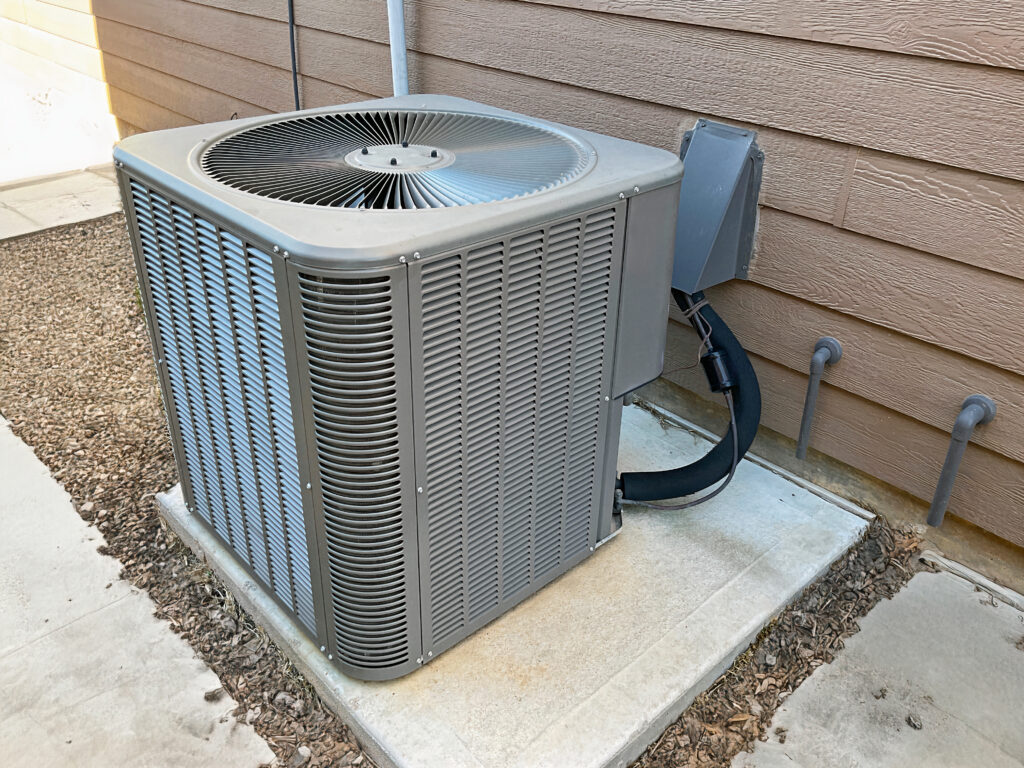
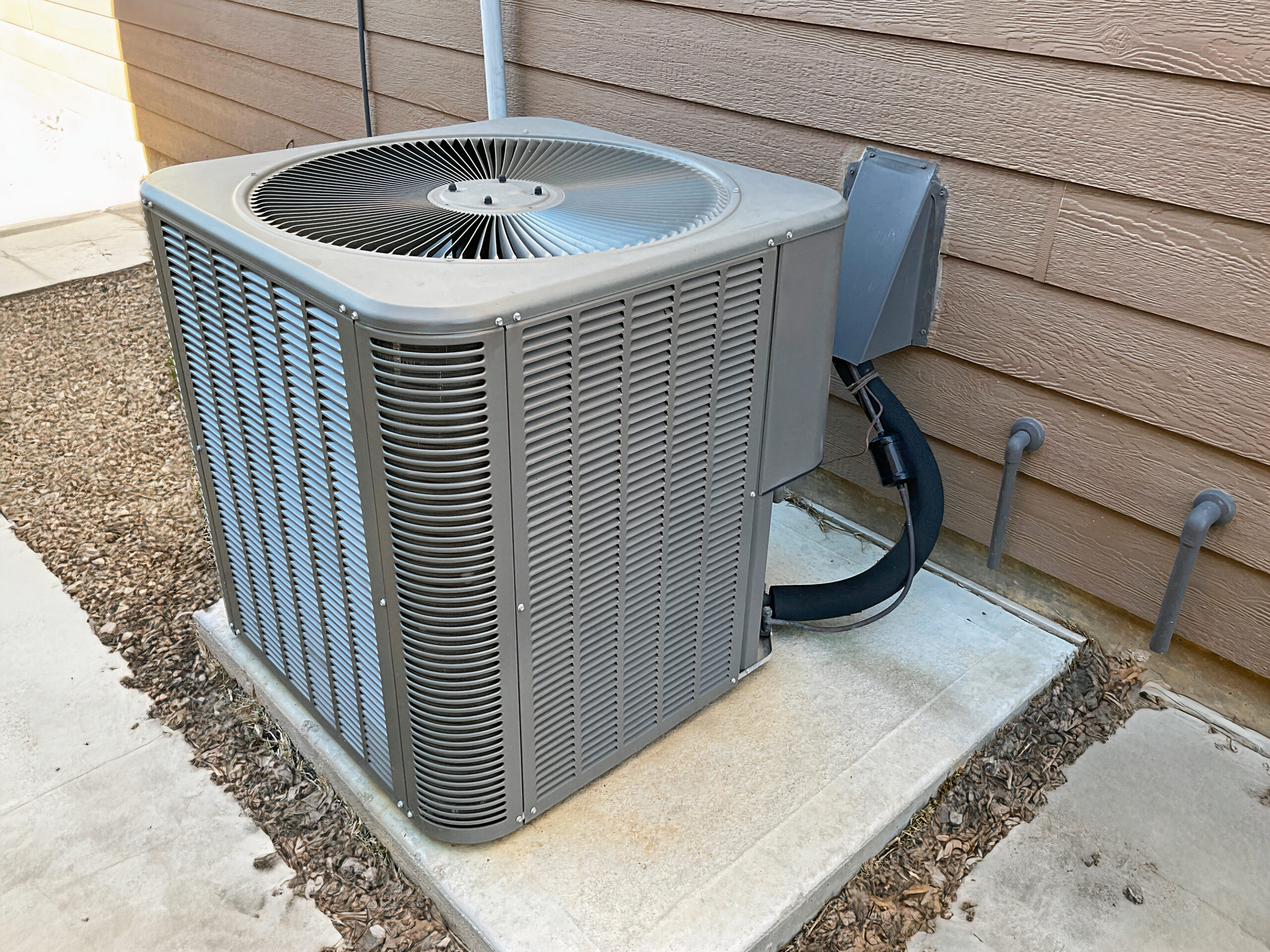
If you have central air conditioning, there is a good chance you have noticed that large metal box sitting outside your home. It hums when the AC kicks on, it has a fan spinning inside it, and it gets warm to the touch on a hot day. That is your AC condensing unit, and it is doing some serious heavy lifting every time your home cools down. Understanding what it does, how it works, and what can go wrong with it is genuinely useful information for any homeowner, especially when you are trying to protect your budget and keep your home comfortable year after year.
The Basics: What Does an AC Condensing Unit Actually Do?
The condensing unit is the outdoor half of your central air conditioning system. It works in tandem with the indoor air handler or evaporator coil to move heat out of your home and release it outside. The system circulates refrigerant between the two units. The indoor coil absorbs heat from your home’s air, and the refrigerant carries that heat to the outdoor condensing unit, where it is released into the outside air. The cycle repeats continuously until your home reaches the set temperature. Without a functioning condensing unit, there is no cooling. It is not optional equipment.
Key Components Inside the Condensing Unit
The condensing unit is not just a box. It contains several critical components, each of which plays a specific role in the cooling process. Knowing what is inside helps you understand why repairs can get expensive and why routine maintenance matters as much as it does.
- Compressor: Often called the heart of the system, the compressor pressurizes the refrigerant and pushes it through the system. It is also typically the most expensive component to replace.
- Condenser Coil: This is where the refrigerant releases the heat it absorbed from inside your home. Air passes over the coil and carries that heat away.
- Condenser Fan Motor and Blade: These pull air through the condenser coil to help dissipate heat. If the fan stops working, the system can overheat quickly.
- Capacitors: These provide the electrical boost needed to start and run the compressor and fan motor. They are a common failure point and a relatively affordable fix.
- Refrigerant Lines: These copper lines connect the outdoor and indoor units and carry refrigerant between them.
- Electrical Disconnect and Contactor: These control the electrical supply to the unit and are important both for safe operation and service.
How Long Should a Condensing Unit Last?
Most AC condensing units have a lifespan somewhere between 10 and 20 years, depending on a few key variables. The climate you live in plays a significant role. Units in hot, humid regions like the Southeast or Southwest tend to run longer and harder each season, which accelerates wear. Brand quality matters too, as does installation quality. A unit that was sized incorrectly for your home or installed without proper refrigerant charge will degrade faster than one that was set up right from day one. Consistent annual maintenance, cleaning the coils, checking refrigerant levels, and inspecting electrical components, can meaningfully extend the life of the unit.
Common Advantages of a Well-Maintained Condensing Unit
When your condensing unit is in good shape, your entire HVAC system performs better. Energy efficiency improves because the system does not have to work as hard to achieve the same cooling output. Your home reaches your desired temperature faster, humidity is better controlled, and your monthly utility bills tend to reflect the difference. A properly maintained unit also puts less strain on the compressor, which extends its life and reduces the risk of an unexpected and costly failure during peak summer heat when demand for HVAC technicians is at its highest.
Common Problems Homeowners Encounter With Condensing Units
Even well-maintained systems run into problems. Some of the most frequently reported condensing unit issues include refrigerant leaks, failed capacitors, dirty or blocked condenser coils, compressor failures, and fan motor burnout. Refrigerant leaks are particularly worth noting because they are not just a performance issue. Leaking refrigerant is an environmental concern and requires a licensed HVAC technician to address properly. Dirty coils are often avoidable with regular cleaning but are frequently overlooked until the system starts struggling. Compressor failure is the repair that most homeowners dread, because replacing a compressor can cost anywhere from several hundred to over a thousand dollars, and in older units, it sometimes makes more financial sense to replace the entire unit.

Signs Your Condensing Unit Needs Attention
The condensing unit usually gives you warning signs before it fails completely. Catching them early can save you a significant amount of money and prevent a full system breakdown on the hottest day of the year. Warm air coming from your vents when the AC is running is one of the clearest indicators that something is off with the outdoor unit. Unusual sounds like grinding, rattling, or high-pitched squealing often point to mechanical issues with the fan motor or compressor. Ice forming on the refrigerant lines or the unit itself, while it might seem counterintuitive, typically signals low refrigerant or restricted airflow. If your system is short-cycling, meaning it kicks on and off more frequently than normal, that is another sign worth investigating promptly.
Maintenance Tips Every Homeowner Should Know
You do not need to be an HVAC technician to take reasonable care of your condensing unit. There are practical steps any homeowner can take to keep the system running well between professional service visits.
- Keep the area around the unit clear of debris, vegetation, and obstructions. Maintain at least two feet of clearance on all sides.
- Gently rinse the condenser coils with a garden hose once or twice per season to remove dust and debris buildup.
- Check that the unit is level on its pad. Settling can cause vibration and mechanical stress over time.
- Schedule a professional tune-up at least once per year, ideally in the spring before cooling season begins.
- Keep indoor air filters changed regularly. Restricted airflow inside the home affects the performance of the entire system, including the outdoor unit.
When Repair Versus Replacement Becomes the Real Question
At some point, most homeowners face the repair-or-replace decision with their condensing unit. A common industry guideline is to multiply the age of the unit by the cost of the repair. If that number exceeds the cost of a new unit, replacement tends to be the more economical long-term choice. Another consideration is the refrigerant type. Older units that use R-22 refrigerant are increasingly expensive to service because that refrigerant has been phased out. Modern systems use R-410A or newer alternatives that are more widely available and environmentally compliant. If you are running a system more than 12 to 15 years old and facing a major repair, a conversation with a qualified HVAC professional about replacement options is worth having sooner rather than later.
Why Home Warranty Coverage for Your AC Condensing Unit Is Worth Serious Consideration
The condensing unit is one of the most expensive components in your entire home to repair or replace, and it tends to fail at the worst possible times. That is exactly where having dependable home warranty coverage becomes not just convenient, but genuinely valuable. Armadillo home warranty plans built to protect your cooling system are designed with real homeowners in mind, covering the components that matter most and making the claims process straightforward when something goes wrong. Whether you are staring down a failed compressor or an aging unit that is becoming increasingly unreliable, having coverage in place before problems arise is simply the smarter financial position. If you want to understand exactly what is covered and what it would cost to protect your home’s HVAC system today, you can get a free AC condensing unit home warranty quote in seconds and see coverage options tailored to your home. Protecting one of your most essential home systems does not have to be complicated, and with the right coverage, a compressor failure does not have to become a financial crisis.

Frequently Asked Questions About AC Condensing Units
Answers to the most common questions homeowners ask about their AC condensing unit, how it works, what it costs, and how to protect it.
What is the difference between a condensing unit and a central air conditioner?
A central air conditioning system consists of two main parts: the indoor air handler or evaporator coil and the outdoor condensing unit. The condensing unit is the outdoor component, and the two work together as a system to cool your home. Referring to just the outdoor unit as the condensing unit is technically correct, while central air conditioner refers to the complete system.
How much does it cost to replace an AC condensing unit?
Replacement costs vary widely based on the size of the unit, the brand, refrigerant type, and local labor rates. On average, homeowners can expect to pay between $1,500 and $4,500 for a replacement condensing unit, including installation. Higher-efficiency units or those for larger homes can push costs above that range.
How often should an AC condensing unit be serviced?
Most HVAC professionals recommend scheduling a professional tune-up at least once per year, typically in the spring before cooling season starts. During that visit, a technician will check refrigerant levels, inspect electrical components, clean the coils, and verify the system is operating efficiently.
Why is my AC condensing unit running but the house is not cooling down?
Several issues can cause this. The most common culprits include low refrigerant due to a leak, a dirty condenser coil that cannot dissipate heat effectively, a failing compressor, or a malfunctioning fan motor. A licensed HVAC technician should diagnose the issue before you assume it is a simple fix.
Can I run my AC condensing unit in cold weather?
Most standard air conditioning condensing units are not designed to operate in temperatures below 60 degrees Fahrenheit. Running them in cold conditions can damage the compressor. If you have a heat pump, that is a different system with cold-weather capability, but a standard AC condensing unit should not be used for heating.
What causes an AC condensing unit to freeze up?
Freezing typically results from restricted airflow, usually from a dirty air filter or blocked return vents, or from low refrigerant levels. When refrigerant pressure drops too low, the coils can get too cold and ice over. Turning the system off and allowing it to thaw, then addressing the underlying cause, is the appropriate response.
Does a home warranty cover the AC condensing unit?
Many home warranty plans do cover the AC condensing unit, including components like the compressor, fan motor, and capacitors. Coverage specifics vary by provider and plan, so it is important to review what is and is not included before purchasing. Reading the terms around what constitutes normal wear versus pre-existing conditions is especially important.
How do I know if my condensing unit is the right size for my home?
AC systems are sized by tonnage, and the correct size depends on your home’s square footage, insulation levels, climate zone, and other factors. An undersized unit will run constantly and struggle to cool the space, while an oversized unit will short-cycle. A proper load calculation, known as a Manual J calculation, performed by an HVAC professional is the most accurate way to determine the right size.
Is it normal for an AC condensing unit to make noise?
Some operational noise is normal, including the hum of the compressor and the sound of the condenser fan. Loud or unusual sounds such as grinding, banging, rattling, or squealing are not normal and typically indicate a mechanical issue that should be inspected promptly to prevent further damage.
What is the most expensive part of an AC condensing unit to repair or replace?
The compressor is consistently the most expensive component. Depending on the unit’s age and size, compressor replacement can cost between $800 and $2,500 or more. When a compressor fails on an older unit, many HVAC professionals recommend evaluating whether full system replacement makes more financial sense than investing in a costly repair.