
What Does It Actually Cost to Recharge Your Air Conditioner?
If your air conditioner is blowing warm air on a 95-degree afternoon, there is a decent chance someone is about to tell you that your system needs a refrigerant recharge. And almost immediately after that, you are going to wonder what that is going to cost you. The short answer is somewhere between $150 and $600 for most residential systems, depending on the refrigerant type, the amount needed, and the technician doing the work. But there is a lot more to understand before you hand over your credit card, and knowing the details could save you from paying for a fix that does not actually solve your problem.
What Is Air Conditioner Refrigerant and Why Does It Matter
Refrigerant is the chemical compound that makes your air conditioning system work. It circulates through the system, absorbing heat from inside your home and releasing it outside. Without the right amount of refrigerant, the system cannot transfer heat effectively, which means you end up with poor cooling performance, increased energy bills, and eventually, compressor damage. The most common types in residential systems today are R-22, which is now phased out and extremely expensive to source, and R-410A, which is the current standard. Newer systems are also starting to use R-32 and R-454B as more environmentally responsible alternatives. The type of refrigerant your system uses is one of the biggest cost variables when it comes to a recharge.
Why Air Conditioners Lose Refrigerant in the First Place
Here is something that surprises a lot of homeowners. A properly functioning air conditioner does not consume refrigerant. It operates in a closed loop, meaning refrigerant circulates continuously without being used up. So if your system is low, that means refrigerant has leaked somewhere. This is an important distinction because simply adding refrigerant without finding and fixing the leak is like filling a tire with a nail in it. You might get temporary relief, but the underlying problem remains. A reputable HVAC technician should always perform a leak detection before or alongside any refrigerant recharge. If someone skips that step, that is worth asking about.
Breaking Down the Air Conditioner Recharge Cost
The total cost of an AC recharge involves several components that add up quickly. Understanding each one helps you evaluate quotes more clearly and avoid surprises on the final invoice.
- Refrigerant cost per pound: R-410A typically runs between $50 and $80 per pound, while R-22 can cost $100 or more per pound due to its phase-out status. Most residential systems need between two and four pounds for a full recharge.
- Labor charges: Most HVAC technicians charge between $75 and $150 per hour, and a recharge job typically takes one to two hours including diagnosis.
- Leak detection and repair: This can add $150 to $400 depending on the severity and location of the leak.
- Service call fees: Many companies charge a flat diagnostic or service call fee ranging from $50 to $100 just to send a technician out.
Putting all of that together, a straightforward recharge on a modern R-410A system might run you $200 to $400. A more complex job involving leak repair on an older R-22 system could push past $700 or $800 without much effort.

Signs Your AC System Might Be Low on Refrigerant
Before a technician even arrives, there are several signs you can look for yourself. Warm or lukewarm air coming from the vents is the most obvious. You might also notice ice forming on the refrigerant lines or on the indoor coil, which sounds counterintuitive but is a direct result of pressure dropping too low in the system. Higher than normal electricity bills can also indicate the system is working harder than it should. In some cases, you might hear a hissing or bubbling sound near the refrigerant lines, which points directly to a leak. None of these symptoms are a guaranteed diagnosis, but they are good reasons to call a professional sooner rather than later.
When a Recharge Makes Sense Versus When It Does Not
A refrigerant recharge is a legitimate and often worthwhile repair, but it is not always the right move. If your system is more than 12 to 15 years old and relies on R-22, pouring money into recharges is a financial decision worth examining carefully. R-22 refrigerant has been phased out under EPA regulations, making it increasingly scarce and expensive. In that situation, a full system replacement might be more economical over a two to three year horizon. On the other hand, if you have a relatively newer system, a leak was found and properly repaired, and the rest of the equipment is in good shape, a recharge absolutely makes sense and should restore full performance.
What to Expect During the Service Visit
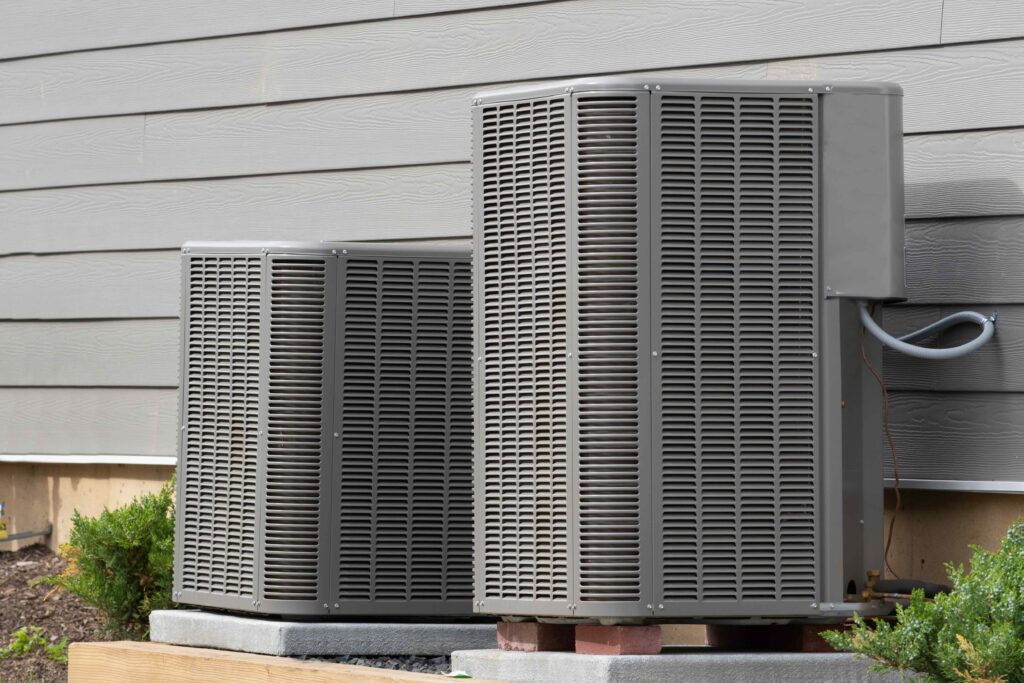
A qualified HVAC technician will arrive with gauges to measure the pressure in your refrigerant lines, which tells them how much refrigerant is currently in the system and whether there is a leak. They will also inspect the evaporator and condenser coils, check for ice buildup, and often use an electronic leak detector or UV dye to locate any breaches in the lines. Once a leak is found and repaired, they will vacuum the system down to remove any moisture or air, and then recharge it to the manufacturer-specified level. The whole visit generally takes between two and three hours for a moderate job. Afterward, the system should be cooling efficiently, and your technician should be able to show you before and after pressure readings.
How Home Warranty Coverage Intersects With AC Recharge Costs
This is where things get genuinely useful for homeowners. A home warranty plan that covers your HVAC system can significantly reduce or eliminate the out-of-pocket cost of an air conditioner recharge, but only under certain conditions. Most home warranty providers will cover refrigerant recharges when the loss of refrigerant is directly tied to a covered mechanical failure, such as a leaking coil or a failed valve. What they typically do not cover is refrigerant loss resulting from improper maintenance, pre-existing conditions, or damage from outside forces. Reading the fine print of your specific plan matters here. Understanding what your home warranty does and does not cover before the summer heat arrives is one of the most practical things a homeowner can do.
Practical Tips to Reduce AC Refrigerant Issues Over Time
The best way to avoid the cost of a recharge is to reduce the likelihood of refrigerant leaks occurring in the first place. Annual HVAC maintenance visits are the single most effective preventive measure available. During a tune-up, a technician can catch small leaks before they become large ones, clean coils that might otherwise corrode, and verify that your system is operating at the correct pressure. Beyond professional service, homeowners can help by keeping the area around the outdoor condenser unit clear of debris, replacing air filters regularly to reduce strain on the system, and making sure indoor vents are not blocked by furniture or rugs. These habits extend the life of your system and reduce the chance of refrigerant-related issues developing.
Why Armadillo Is Worth Considering When AC Repairs Come Knocking
Air conditioner repairs have a way of arriving at the worst possible time, usually when temperatures are at their peak and your savings are earmarked for something else. That is exactly the kind of situation a well-structured home warranty is designed to handle. Armadillo offers straightforward, transparent coverage built for homeowners who want real protection without confusing exclusions or fine print that seems designed to deny claims. If you are looking for a home warranty plan that covers HVAC systems including air conditioner refrigerant repairs, Armadillo is built to deliver exactly that. Coverage is clearly explained, service is handled by qualified professionals, and the process for filing a claim is designed to be simple rather than frustrating. If the cost of an AC recharge has you rethinking your approach to home protection, now is a good time to get a free home warranty quote for air conditioner coverage and see what protection actually looks like for your home.

Frequently Asked Questions About Air Conditioner Recharge Costs
These are the questions homeowners most commonly ask when facing an AC refrigerant issue for the first time.
How much does it typically cost to recharge a home air conditioner?
Most homeowners pay between $150 and $600 for a residential AC recharge, depending on the refrigerant type, the amount needed, labor rates in their area, and whether a leak repair is also required.
How often does a home air conditioner need to be recharged?
A properly functioning system should never need a routine recharge. Refrigerant does not get used up during normal operation. If your system needs a recharge, it means refrigerant has leaked and the source of that leak needs to be identified and repaired.
Can I recharge my AC system myself?
In most cases, no. Handling refrigerant requires EPA Section 608 certification in the United States. Attempting to recharge a system without proper certification and equipment is both illegal and potentially dangerous.
What is the difference between R-22 and R-410A refrigerant?
R-22 is an older refrigerant that has been phased out due to its ozone-depleting properties, making it rare and expensive. R-410A is the current standard for residential systems and is more readily available, though it is also being transitioned away from in newer equipment.
Does a home warranty cover air conditioner refrigerant recharges?
Many home warranty plans do cover refrigerant recharges when the refrigerant loss is caused by a covered mechanical failure. Coverage varies by provider and plan, so reviewing your specific policy terms is essential before assuming the cost will be covered.
How long does an AC recharge last?
If the underlying leak has been properly repaired, a recharge should last the remaining life of the system. If the leak was not fixed, the refrigerant will escape again, often within a single cooling season.
What happens if I ignore low refrigerant in my AC system?
Running an AC system with low refrigerant puts serious strain on the compressor, which is one of the most expensive components to replace. Over time, a low refrigerant condition can lead to compressor failure, turning a few-hundred-dollar repair into a repair that costs several thousand dollars.
How do I know if my AC needs refrigerant or if there is a different problem?
Warm airflow, ice on the refrigerant lines, and unusually high energy bills can all suggest low refrigerant. However, these symptoms can also point to dirty coils, a failing compressor, or airflow problems. A professional diagnosis is the only reliable way to confirm the cause.
Is it worth recharging an old AC unit or should I replace it?
If the system is older than 12 to 15 years, uses R-22 refrigerant, or has experienced multiple refrigerant leaks, replacement often makes more financial sense than continuing to invest in repairs. A newer system will also be significantly more energy efficient.
What should I ask an HVAC technician before approving a refrigerant recharge?
Ask whether they performed a leak detection test, what type and quantity of refrigerant the job requires, whether the leak has been repaired before the recharge is performed, and for a written estimate that breaks down parts and labor separately.