What Is AC Refrigerant and Why Does Your Home’s Cooling System Need It?
Your air conditioner does not actually create cold air. What it does is remove heat from the air inside your home and transfer it outside, and refrigerant is the substance that makes that entire process possible. Think of refrigerant as the working fluid that cycles continuously through your AC system, absorbing heat in one place and releasing it in another. Without it, your system is essentially just a very expensive fan. When refrigerant levels drop, your AC loses its ability to cool your home effectively, and that is when you start noticing warm air blowing from the vents, longer run cycles, and higher energy bills.
How the Refrigerant Cycle Actually Works
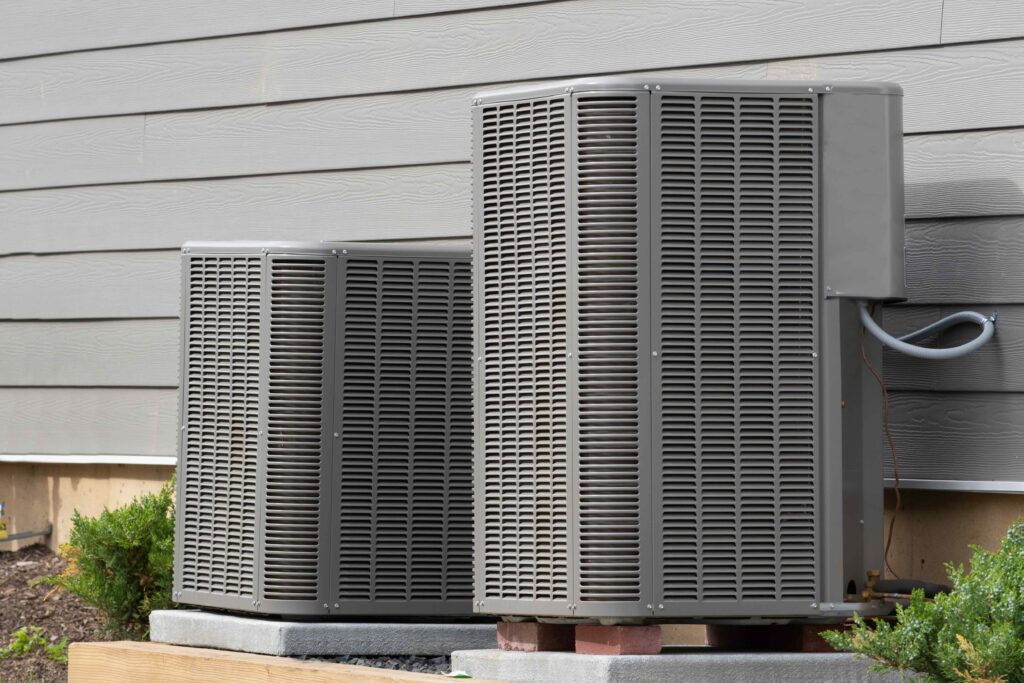
Understanding the basics of how refrigerant moves through your system helps you make better decisions when something goes wrong. The refrigerant starts as a low-pressure gas in the evaporator coil inside your home, where it absorbs heat from indoor air and evaporates. It then travels to the compressor, which pressurizes it and sends it to the condenser coil outside. There, it releases that heat into the outdoor air and condenses back into a liquid. The cycle repeats continuously as long as your system is running. This loop is closed, meaning refrigerant should not deplete over time under normal conditions. If your system is low on refrigerant, that almost always points to a leak somewhere in the system, not just normal usage.
What Does an AC Refrigerant Recharge Actually Cost?
This is the question most homeowners are really asking, and the honest answer is that it depends on several variables. On average, homeowners pay somewhere between $150 and $600 for an AC refrigerant recharge, though costs can climb significantly higher depending on the type of refrigerant your system uses, the severity of the leak, and local labor rates. Systems that use R-22, which is the older refrigerant that has been phased out under federal regulations, tend to cost considerably more because the supply is limited and prices have risen sharply. Newer systems that use R-410A or the more recent R-454B refrigerant are generally less expensive to recharge, though labor and diagnostic costs still apply. A straightforward recharge on a newer system might run around $100 to $300, while an R-22 recharge on an older unit can exceed $800 or more in some markets.

Breaking Down the Cost Factors in More Detail
Several specific elements drive the final number on your refrigerant service invoice. Knowing what they are helps you avoid sticker shock and ask better questions when you get a quote from an HVAC technician.
- Refrigerant type: R-22 is significantly more expensive per pound than R-410A due to its phase-out status. Some older systems require multiple pounds to reach proper charge levels.
- Leak detection and repair: Most technicians will not simply recharge a system without identifying the source of the leak first. Leak testing can add $75 to $200 or more to the bill, and the repair itself varies based on where the leak is located.
- Labor rates: HVAC labor rates vary by region. Urban markets and areas with high demand tend to cost more per hour than rural areas.
- System size: Larger systems hold more refrigerant, which means more product is needed to reach a proper charge.
- Time of year: Summer emergency calls often come with premium pricing due to high demand during peak cooling season.
Signs Your AC System May Be Low on Refrigerant
Catching a refrigerant issue early can save you from a complete system breakdown during the hottest weeks of the year. There are a few reliable indicators that your system may be undercharged. If your air conditioner is running constantly but struggling to bring your home to the set temperature, that is worth paying attention to. Ice forming on the evaporator coil or refrigerant lines is another common symptom, as is a hissing or bubbling sound near the unit, which can sometimes indicate a refrigerant leak. Higher than usual electric bills without any obvious explanation can also point to an efficiency problem caused by low refrigerant levels. If you notice any combination of these signs, calling a licensed HVAC technician sooner rather than later is the right move.
Can You Recharge AC Refrigerant Yourself?
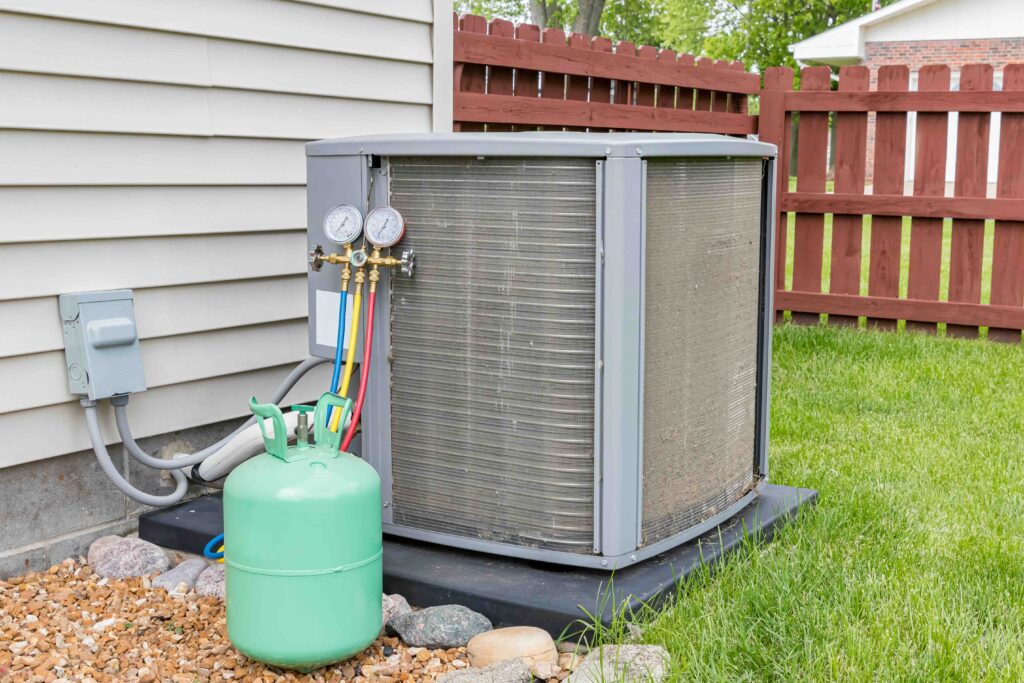
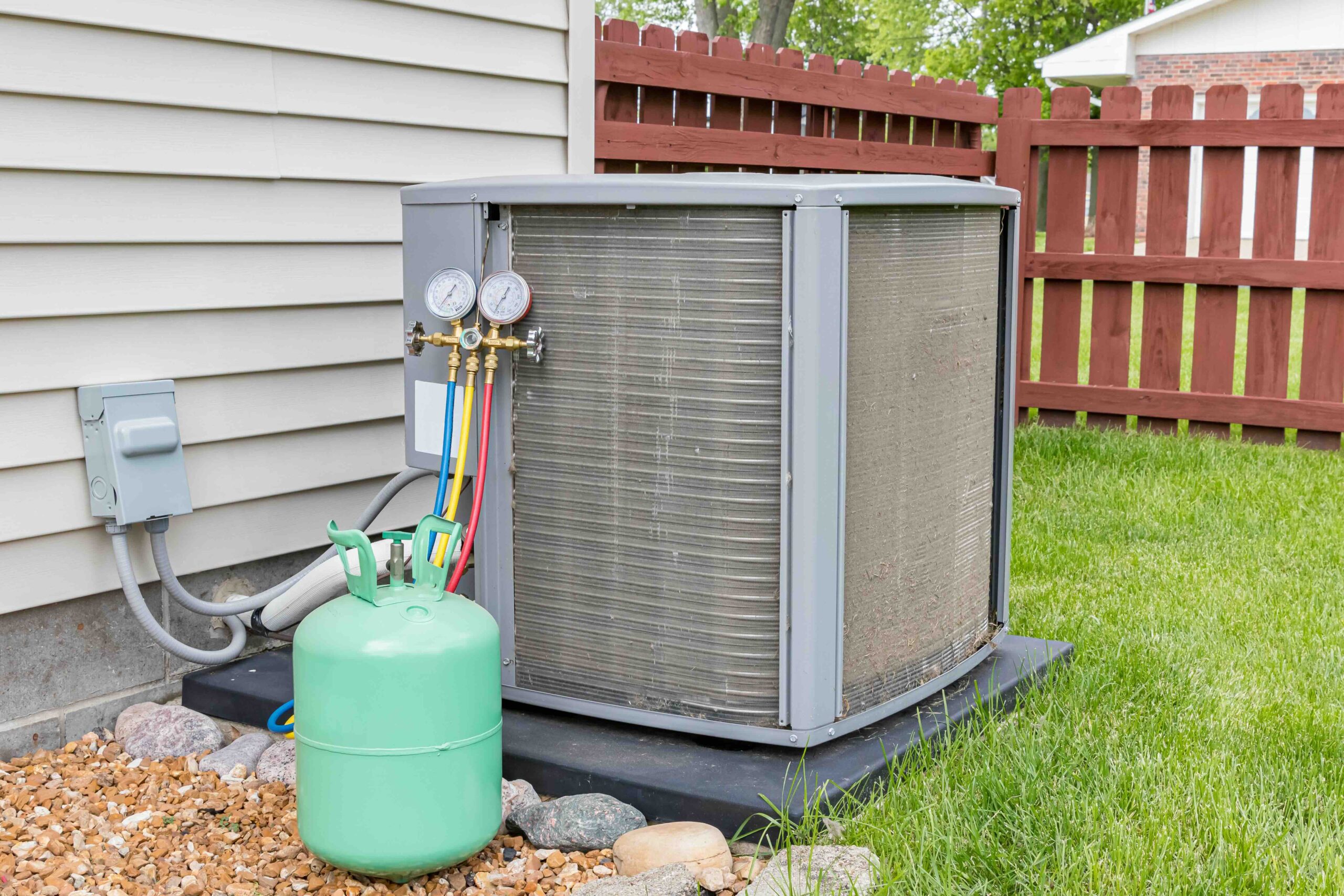
Technically, DIY refrigerant recharge kits exist and are marketed to homeowners. In practice, this is not a path most experts recommend, and there are real reasons for that stance. Handling refrigerant requires EPA Section 608 certification under federal law, and improper handling can result in legal fines. Beyond the regulatory issue, adding refrigerant without first identifying and repairing the underlying leak is essentially a temporary fix that wastes money. A professional technician uses specialized gauges to measure system pressure, diagnose refrigerant type, detect leaks, and verify proper charge after the service. That level of accuracy is simply not achievable with a consumer-grade kit. The short-term savings are rarely worth the risk of damaging expensive system components or voiding manufacturer warranties.
The R-22 Phase-Out and What It Means for Older Homes
If your home has a central air conditioning system that was installed before 2010, there is a reasonable chance it uses R-22 refrigerant, sometimes called Freon. As of January 1, 2020, the United States formally banned the production and import of R-22 under EPA regulations tied to the Montreal Protocol, an international agreement aimed at protecting the ozone layer. The remaining supply is recycled or reclaimed product, and prices have increased substantially as a result. For homeowners with older R-22 systems, a refrigerant recharge is becoming a harder financial decision. At some point, the cost of maintaining an aging system on expensive refrigerant outweighs the value of extending its life, and upgrading to a modern, energy-efficient unit becomes the more sensible choice.
How Home Warranty Coverage Applies to AC Refrigerant Costs
This is where the conversation gets genuinely useful for homeowners who are trying to protect their budgets. A quality home warranty plan typically covers the mechanical components of your central air conditioning system, and that can include refrigerant as part of a covered repair when the underlying cause of the loss falls within the scope of coverage. The key distinction to understand is that a home warranty is not insurance against pre-existing conditions or deferred maintenance. When a covered failure causes refrigerant loss, a reputable home warranty provider will typically cover the refrigerant needed to restore the system to proper operating condition as part of the repair. This can translate to meaningful savings, particularly for homeowners with older systems or those in markets where HVAC labor rates are high.
Why Armadillo Is Worth Considering for AC and Home System Protection
When your air conditioner needs a refrigerant recharge and the bill lands somewhere between $300 and $700, having a home warranty in place is the difference between a manageable situation and an unexpected financial hit. Armadillo home warranty coverage for central air conditioning systems is designed to take the guesswork out of repair costs, giving you predictable, straightforward protection for the systems your household depends on most. The plans are built with real homeowners in mind, not fine print designed to create reasons to deny claims. If you have been putting off looking into coverage because the process seemed complicated or time-consuming, it is worth knowing that you can get a free home warranty quote for your AC system and more in just a few minutes. Peace of mind on a hot summer day is not a small thing, and having the right coverage in place before something breaks is almost always better than scrambling after the fact.

Frequently Asked Questions About AC Refrigerant Recharge Costs
These are the questions homeowners ask most often when dealing with refrigerant issues and AC repair costs.
How much does it cost to recharge AC refrigerant in a home?
Most homeowners pay between $150 and $600 for a residential AC refrigerant recharge. Costs vary based on refrigerant type, system size, labor rates, and whether a leak repair is also needed.
How often does a home AC system need to be recharged?
A properly sealed AC system should never need recharging under normal conditions. Refrigerant does not get consumed during operation. If your system needs a recharge, it means there is a leak that needs to be located and repaired.
Is R-22 refrigerant still available?
Yes, but in limited supply. R-22 production and import have been banned in the United States since 2020. Only reclaimed and recycled R-22 remains available, which is why the cost per pound has risen significantly in recent years.
Does a home warranty cover AC refrigerant recharge?
Many home warranty plans cover refrigerant as part of a covered AC repair. Coverage typically applies when the refrigerant loss is the result of a covered mechanical failure rather than pre-existing damage or neglect. Always review your specific plan terms.
Can low refrigerant damage my AC compressor?
Yes. Running an air conditioner with insufficient refrigerant puts extra strain on the compressor, which is the most expensive component in the system. Prolonged operation under low-charge conditions can lead to premature compressor failure.
What type of refrigerant does my AC system use?
The refrigerant type is typically listed on a label affixed to your outdoor condenser unit. Systems installed before 2010 commonly use R-22, while systems installed after that period generally use R-410A. Newer systems may use R-454B or similar lower-GWP alternatives.
How long does an AC refrigerant recharge take?
The recharge itself usually takes one to two hours, but total service time depends on whether leak detection and repair are also performed. A full diagnostic visit including leak testing and recharge may take two to four hours.
What happens if I keep running my AC when it is low on refrigerant?
Continuing to run your system with low refrigerant leads to reduced cooling performance, higher energy consumption, ice buildup on coils, and increased risk of compressor failure. It is best to schedule service as soon as symptoms appear.
Should I repair or replace an older AC system that needs R-22 refrigerant?
This depends on the age of the system and the scope of the repair. If the system is more than 12 to 15 years old and requires significant refrigerant due to a major leak, replacing the unit with a modern R-410A or R-454B system is often the more cost-effective long-term decision.
Does a refrigerant recharge improve AC efficiency?
Yes. Restoring proper refrigerant charge allows the system to operate within its designed parameters, which typically results in improved cooling performance, shorter run cycles, and lower energy bills compared to a system operating while undercharged.