What Is an Air Conditioner Check and Why Does It Matter for Homeowners?
An air conditioner check is a professional inspection of your home’s cooling system, designed to assess its overall condition, identify potential issues before they escalate, and confirm that everything is operating as it should. Think of it as a wellness visit for your AC — not because something is wrong, but because catching small problems early is far less costly than dealing with a full system failure in the middle of July. For homeowners, understanding what this service involves, what technicians are actually looking at, and how it connects to home warranty coverage can make a meaningful difference in both comfort and long-term costs.
How an Air Conditioner Check Works: What Technicians Actually Do
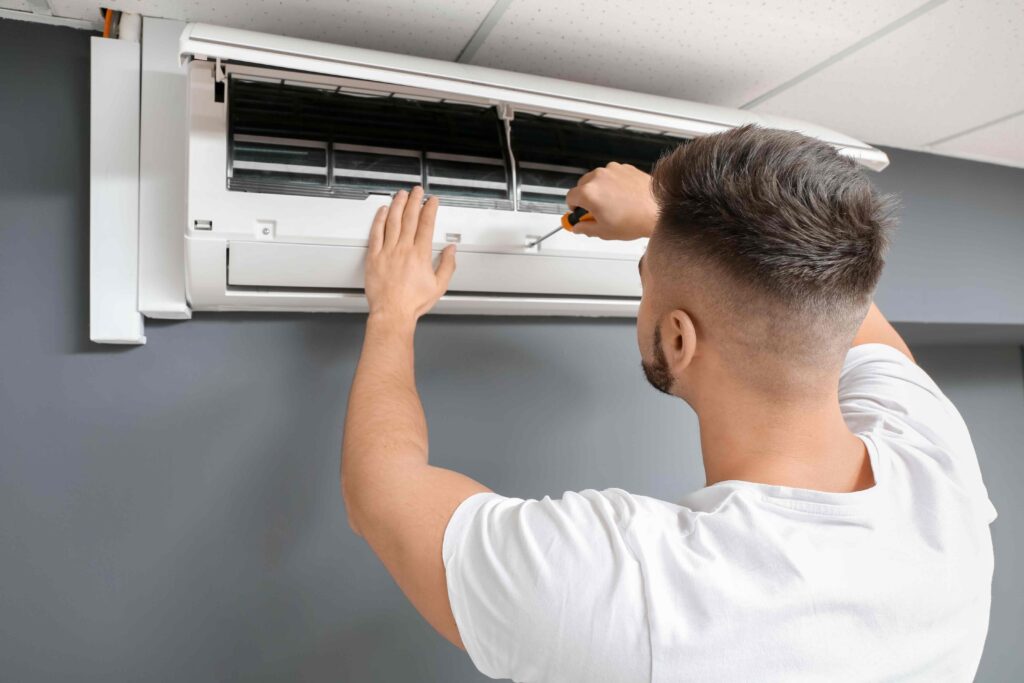
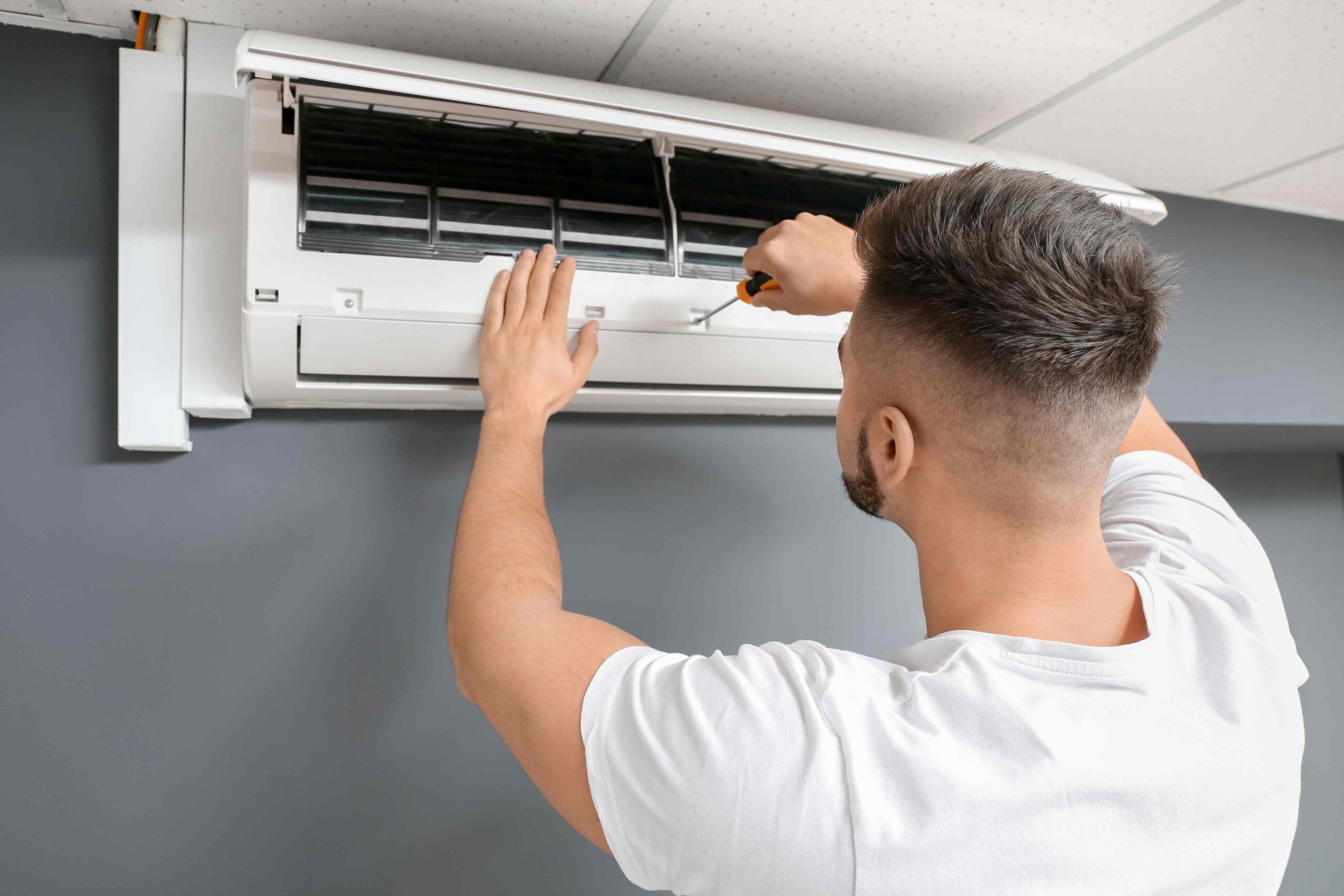
A standard AC check covers a range of components, and the scope can vary depending on the technician and your system type. Generally speaking, a qualified HVAC technician will inspect both the indoor and outdoor units, measure refrigerant levels, check electrical connections, test the thermostat, evaluate airflow through the ductwork, and clean or inspect the evaporator and condenser coils. They will also look at the condensate drain line — a surprisingly common source of water damage when clogged — and assess the condition of the air filter. The entire process typically takes between one and two hours, and at the end, the technician should provide a clear summary of findings and any recommended next steps.
Key Benefits of Scheduling Regular AC Inspections
There are several compelling reasons to make the AC check a regular part of your home maintenance calendar. Homeowners who invest in annual inspections tend to experience fewer emergency breakdowns, lower energy bills, and longer equipment lifespans overall. Below are the primary advantages worth knowing:
- Early detection of refrigerant leaks, electrical faults, or failing components before they cause complete system failure
- Improved energy efficiency, since a well-maintained AC runs more effectively and consumes less power
- Better indoor air quality, as clean coils and filters reduce dust, allergens, and humidity buildup
- Extended equipment lifespan, with properly maintained systems often lasting several years beyond the industry average
- Stronger home warranty claims, since documented maintenance history can support coverage eligibility in certain situations
Common Drawbacks and Limitations to Be Aware Of
As useful as a routine AC check is, it is not a cure-all. There are a few limitations that homeowners should factor into their expectations. A standard inspection will not catch every possible issue — some problems only emerge under specific load conditions or develop between service visits. Additionally, not all inspection services are created equal. A rushed or incomplete check by an undertrained technician can miss critical details and create a false sense of security. Cost is another factor; depending on your location and provider, an AC inspection can range from sixty dollars to over one hundred and fifty, which adds up over time. And while the inspection itself may reveal a problem, the repair costs are a separate conversation entirely.

When Is the Best Time to Schedule an AC Check?
Timing matters more than most homeowners realize. The ideal window for an AC inspection is early spring — before temperatures climb and your cooling system transitions from dormant to working overtime. Scheduling in March or April means you get ahead of the seasonal rush, secure a more convenient appointment time, and give yourself room to address any findings before the heat arrives. That said, if your system is showing signs of trouble — unusual noises, inconsistent temperatures, or unexpected increases in energy use — do not wait for the calendar to line up. Address it promptly, regardless of the season.
What Homeowners Can Do Between Professional Inspections
Professional service visits are important, but what happens between appointments matters just as much. Homeowners can take several straightforward steps to support AC performance without any technical training. Replacing the air filter every thirty to ninety days is one of the single most effective things you can do — it protects internal components from dust buildup and keeps airflow moving efficiently. Keeping the area around the outdoor condenser unit clear of debris, leaves, and vegetation is equally important. Setting the thermostat consistently rather than making frequent dramatic adjustments can also reduce wear on the system. These habits do not replace professional care, but they extend its impact considerably.
How AC Checks Connect to Your Home Warranty Coverage
This is a point many homeowners overlook, and it is genuinely worth understanding. Home warranties typically cover the repair or replacement of major systems and appliances that fail due to normal wear and tear — and air conditioning systems are one of the most commonly covered items. However, coverage decisions can hinge on the condition and maintenance history of the equipment. A system that has been consistently neglected may raise questions during the claims process. Keeping documentation of your AC inspections — dates, findings, and any work performed — creates a clear record that supports your position as a responsible homeowner. It is a small administrative habit that can carry real financial weight when it matters most.
Signs Your Air Conditioner Needs More Than a Routine Check
Routine maintenance is not always sufficient, and knowing when to escalate is part of being a proactive homeowner. If your AC is producing warm air despite normal thermostat settings, cycling on and off more frequently than usual, making grinding or squealing sounds, leaking water around the indoor unit, or driving your energy bills noticeably higher without any change in usage patterns, these are signals that something more than a standard inspection may be needed. At that point, a diagnostic service call is the appropriate next step — and depending on what the technician finds, a home warranty claim may be the most practical path forward for covering repair costs.
Understanding the Difference Between a Tune-Up and a Full AC Inspection
These two terms are often used interchangeably, but they are not identical. A tune-up typically focuses on cleaning and adjusting existing components to optimize performance — think of it as preventive maintenance with a light touch. A full inspection is more comprehensive, involving a detailed assessment of system components, measurements, and diagnostics that go beyond surface-level cleaning. For most homeowners, an annual tune-up combined with a full inspection every few years represents a reasonable balance of cost and thoroughness. If your system is aging or has had prior issues, leaning toward more frequent full inspections is a sound approach.
Why Armadillo Is the Smart Choice When Your AC System Needs Backup
Knowing how to care for your air conditioning system is half the equation. The other half is having a financial safety net in place for when maintenance is not enough. That is where Armadillo home warranty coverage for air conditioning systems and major home appliances becomes a genuinely practical tool for homeowners. Armadillo offers straightforward, transparent coverage designed for real-world situations — not the fine-print-heavy policies that leave people frustrated when they need help most. When your AC system fails despite your best maintenance efforts, having a plan that covers repair and replacement costs changes the entire experience. If you want to see what that kind of coverage looks like for your home specifically, you can get a personalized home warranty quote that includes air conditioner protection in just a few minutes. The peace of mind that comes with knowing your cooling system is covered — especially heading into peak season — is the kind of value that is hard to put a number on.

Frequently Asked Questions About Air Conditioner Checks
The following answers address the questions homeowners ask most often when it comes to AC inspections, maintenance, and home warranty coverage for cooling systems.
How often should I have my air conditioner inspected?
Most HVAC professionals recommend at least one inspection per year, ideally in the spring before cooling season begins. Older systems or those with prior issues may benefit from semi-annual checks.
What does an air conditioner check typically include?
A standard AC check usually covers refrigerant levels, electrical connections, thermostat calibration, coil condition, condensate drain inspection, airflow evaluation, and a general assessment of system performance.
How long does an AC inspection take?
Most inspections take between one and two hours, depending on the system type, its condition, and the thoroughness of the technician performing the service.
Can skipping an AC inspection void my home warranty?
It depends on the warranty provider and the specific terms of your plan. While skipping one inspection may not automatically void coverage, a pattern of neglect or lack of maintenance documentation can complicate a claim.
What is the difference between an AC tune-up and an AC inspection?
A tune-up focuses on cleaning and minor adjustments to optimize performance. A full inspection is a more comprehensive evaluation that includes diagnostics and detailed measurements of system components.
How much does an air conditioner check cost?
Prices typically range from sixty to one hundred and fifty dollars, though costs vary by region, provider, and the scope of the service. Some home warranty plans include annual HVAC tune-ups as part of coverage.
What signs indicate my AC needs more than a routine inspection?
Warm air output, frequent cycling, unusual noises, water leaks near the indoor unit, and unexplained increases in energy bills are all indicators that a diagnostic service call may be warranted.
Does a home warranty cover air conditioner repairs?
Many home warranty plans include air conditioning systems as a covered component. Coverage typically applies to mechanical failures resulting from normal wear and tear, subject to the terms of the specific plan.
What can I do to maintain my AC between professional service visits?
Replace air filters every thirty to ninety days, keep the outdoor condenser unit clear of debris, avoid frequent thermostat adjustments, and monitor the system for any unusual changes in performance or sound.
At what age should I consider replacing my air conditioner rather than continuing to repair it?
Most central air conditioning systems have a lifespan of fifteen to twenty years. When repair costs begin to approach or exceed thirty to fifty percent of the replacement cost, or when efficiency has significantly declined, replacement is generally the more economical long-term decision.