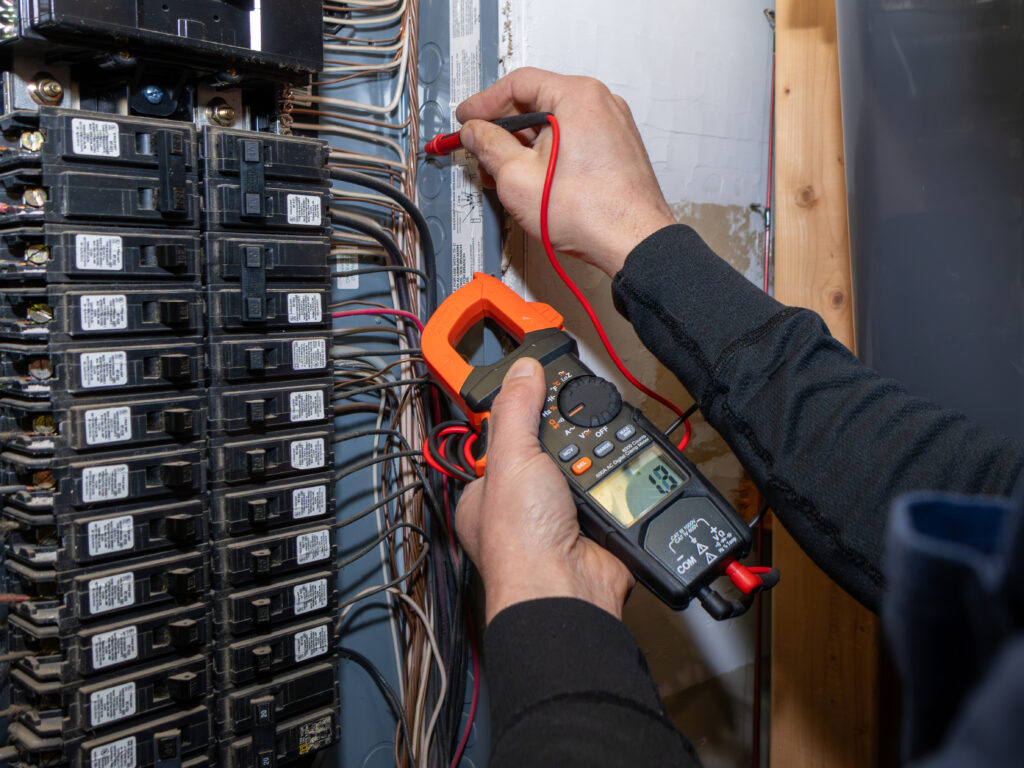

What Is an Anti-Scald Shower Valve and Why Does It Matter?
Most homeowners spend zero time thinking about their shower valve — until someone gets burned. An anti-scald shower valve, sometimes called a pressure-balancing valve or thermostatic mixing valve, is a safety device built into your shower plumbing that prevents sudden and dangerous temperature spikes. When a toilet flushes or a dishwasher kicks on mid-shower, cold water pressure drops momentarily. Without an anti-scald valve, that brief pressure shift can send scalding hot water straight at the person showering. It happens fast, and it can cause real harm. This is one of those quiet, unglamorous components of your home that does serious work every single day.
How an Anti-Scald Shower Valve Actually Works
The mechanics behind an anti-scald valve are genuinely clever without being overly complicated. There are two primary types: pressure-balancing valves and thermostatic valves. A pressure-balancing valve monitors the ratio of hot to cold water pressure and adjusts automatically to maintain a consistent temperature when one side fluctuates. It does not control the exact temperature, but it prevents extreme spikes. A thermostatic valve goes a step further — it is pre-set to a specific target temperature and maintains that temperature precisely regardless of pressure changes anywhere in the house. It responds to both temperature and pressure simultaneously. Most modern building codes require at least a pressure-balancing valve in all new shower installations, and for good reason.
The Key Advantages of Installing an Anti-Scald Valve
The benefits here extend well beyond basic comfort. Safety is the obvious headliner, but the advantages stack up in meaningful ways for any homeowner thinking long-term about their property.
- Protection against thermal shock burns, especially for children, elderly residents, and anyone with reduced sensitivity to heat
- Compliance with modern plumbing codes, which can matter significantly during a home sale or renovation inspection
- Consistent shower temperature without constant manual adjustments, which adds daily convenience
- Reduced hot water waste since users are less likely to run water while waiting for an uncomfortable temperature to stabilize
- Lower liability exposure, particularly relevant for rental property owners or anyone with young children in the home
- Thermostatic models offer even greater precision and are often preferred in households with variable hot water demand
It is worth noting that thermostatic valves, while more expensive upfront, provide a level of temperature consistency that pressure-balancing valves simply cannot match. For families with very young children or elderly members, that upgrade is often worth every dollar.
Common Drawbacks and Limitations to Know About
No home component is without its trade-offs, and anti-scald valves are no exception. Thermostatic valves in particular come with a higher purchase price and more complex installation requirements. If you are retrofitting an older home, the existing plumbing configuration may require additional work to accommodate a new valve properly. Pressure-balancing valves, while more affordable and widely available, do have a ceiling on what they can do — they react to pressure changes but are not designed to hold a temperature if your water heater is set inconsistently or fluctuates on its own. Both types require professional installation to function correctly and safely. A poorly installed anti-scald valve can actually create more problems than it solves, including restricted water flow or incorrect temperature calibration. Maintenance matters too — over time, internal cartridges wear out and need replacement, typically every several years depending on water quality and usage.

What to Expect During Installation
Installing an anti-scald valve is a plumbing job that most homeowners should leave to a licensed professional. The process typically involves shutting off the water supply, removing the existing shower valve, and fitting the new pressure-balancing or thermostatic unit into the existing supply lines. Depending on how old your plumbing is and what type of valve is currently installed, the job can range from a straightforward afternoon project for a plumber to a more involved renovation if the wall needs to be opened. Labor costs vary by region, but homeowners should budget between two hundred and six hundred dollars for professional installation on average, not including the cost of the valve itself. Thermostatic valve kits can run from one hundred fifty dollars to well over five hundred dollars depending on the brand and features.
Choosing the Right Anti-Scald Valve for Your Home
The right choice depends on your household’s specific needs, your existing plumbing, and your budget. For most single-shower homes with standard water heater setups, a quality pressure-balancing valve meets code requirements and provides solid protection. If you have multiple bathrooms, high hot water demand, or specific safety concerns around temperature sensitivity, a thermostatic valve is a smarter long-term investment. When shopping, look for valves certified by ASSE International — specifically ASSE 1016 for pressure-balancing types and ASSE 1070 for thermostatic mixing valves. These certifications confirm that the product has been tested to meet established safety performance standards. Reputable brands in this space include Moen, Delta, Kohler, and Watts, all of which offer reliable options across different price ranges.
Water Heater Temperature Settings and Their Role
An anti-scald valve works best as part of a broader temperature safety strategy. Your water heater’s thermostat setting is part of that picture. The U.S. Department of Energy recommends setting water heaters to 120 degrees Fahrenheit for general household use, which balances scald prevention with the need to inhibit bacterial growth in the tank. Some households keep their heaters at 140 degrees to prevent Legionella bacteria, which is a legitimate concern — but that makes an anti-scald valve even more critical since the incoming water will be far hotter before it mixes down to a safe shower temperature. Understanding how your valve and water heater interact is not complicated, but it is something most homeowners never think to connect.
Maintenance Tips to Keep Your Anti-Scald Valve Performing Well
Like any plumbing component, an anti-scald valve benefits from periodic attention. Hard water mineral deposits can degrade internal cartridges faster than normal wear. If you notice your shower temperature has become inconsistent or the handle feels stiff, those are often early signs that the cartridge needs cleaning or replacement. Cartridge replacements are relatively inexpensive — often between twenty and sixty dollars for the part — and a plumber can swap one out quickly. Flushing sediment from your water heater annually also helps protect valve components downstream. If you are unsure when your valve was last serviced and your home is more than ten years old, it is worth having a plumber take a look during a routine inspection.
Is an Anti-Scald Valve Covered by a Home Warranty?
This is one of the smarter questions a homeowner can ask, and the answer depends heavily on the specific home warranty plan in place. Many home warranty plans cover interior plumbing components, which can include shower valves and their internal parts when they fail due to normal wear and deterioration. However, coverage terms vary — some plans cover the valve itself, while others may cover only the labor associated with a covered repair. Reading the fine print matters here. The broader point is that your shower valve, like most plumbing fixtures in your home, represents a category of potential repair cost that a home warranty plan can help absorb when things go wrong unexpectedly.
Why Armadillo Is Worth Considering for Plumbing Protection
When a plumbing component like an anti-scald valve fails — and eventually most of them do — having a reliable home warranty in place changes the entire experience. Instead of scrambling to find a plumber and paying out of pocket, you make a call and let coverage do the work. Armadillo was built specifically for homeowners who want protection that is straightforward, honest, and genuinely useful. If you want to understand how a home warranty plan fits into protecting your plumbing systems and the rest of your home, explore Armadillo’s home warranty coverage for plumbing systems and essential home components. The plans are designed to cover the real, everyday failures that catch homeowners off guard — not just the dramatic ones. When you are ready to see what protection looks like for your specific home, you can get a personalized home warranty quote that covers shower valves and plumbing repairs in just a few minutes. No guessing, no jargon — just clear coverage for the systems your home depends on.
Frequently Asked Questions About Anti-Scald Shower Valves
Answers to the most common questions homeowners have about anti-scald shower valves, how they work, and what to expect from installation and maintenance.
What temperature does an anti-scald shower valve limit water to?
Most anti-scald valves are factory-set to limit water temperature to approximately 120 degrees Fahrenheit, though thermostatic models can often be adjusted by a plumber to a preferred target temperature within a safe range.
Are anti-scald shower valves required by building code?
Yes, in the United States, pressure-balancing or thermostatic anti-scald valves are required in all new shower and tub installations under the International Plumbing Code and most state and local building codes.
What is the difference between a pressure-balancing valve and a thermostatic valve?
A pressure-balancing valve maintains a consistent ratio of hot and cold water when pressure fluctuates. A thermostatic valve actively monitors and controls the actual water temperature to a pre-set level, offering more precision and consistency.
How long does an anti-scald shower valve last?
Most anti-scald valves last between ten and twenty years under normal conditions, though the internal cartridge may need replacement every five to ten years depending on water quality and usage frequency.
Can I install an anti-scald shower valve myself?
While technically possible for experienced DIYers, professional installation is strongly recommended. Incorrect installation can result in improper temperature calibration, reduced water pressure, or code compliance issues.
Will replacing my shower valve fix inconsistent water temperature?
It depends on the cause. If temperature inconsistency is due to pressure fluctuations from other fixtures running simultaneously, a pressure-balancing valve can resolve it. If the issue stems from a failing water heater, that will need to be addressed separately.
How do I know if my existing shower valve is an anti-scald model?
If your home was built after the mid-1990s, it likely has a pressure-balancing valve already installed. You can confirm by consulting a plumber during a routine inspection or by checking the valve’s cartridge documentation if it is accessible.
Is an anti-scald valve the same as a mixing valve?
They are related but not identical. A thermostatic mixing valve is a type of anti-scald valve that blends hot and cold water to a safe, consistent output temperature. Not all anti-scald valves are thermostatic mixing valves — pressure-balancing valves serve a similar protective function through a different mechanism.
Can a home warranty plan cover an anti-scald shower valve repair?
Many home warranty plans cover interior plumbing components including shower valves when failure results from normal wear and tear. Coverage details vary by plan, so reviewing specific terms around plumbing fixtures is important before assuming coverage applies.
What are signs that my anti-scald valve needs to be replaced?
Common signs include sudden temperature fluctuations during showers, a stiff or difficult-to-turn handle, visible corrosion around the valve body, or water that never reaches a comfortably warm temperature despite the water heater being set correctly.