What Is an Oven Light Bulb and Why Does It Actually Matter?
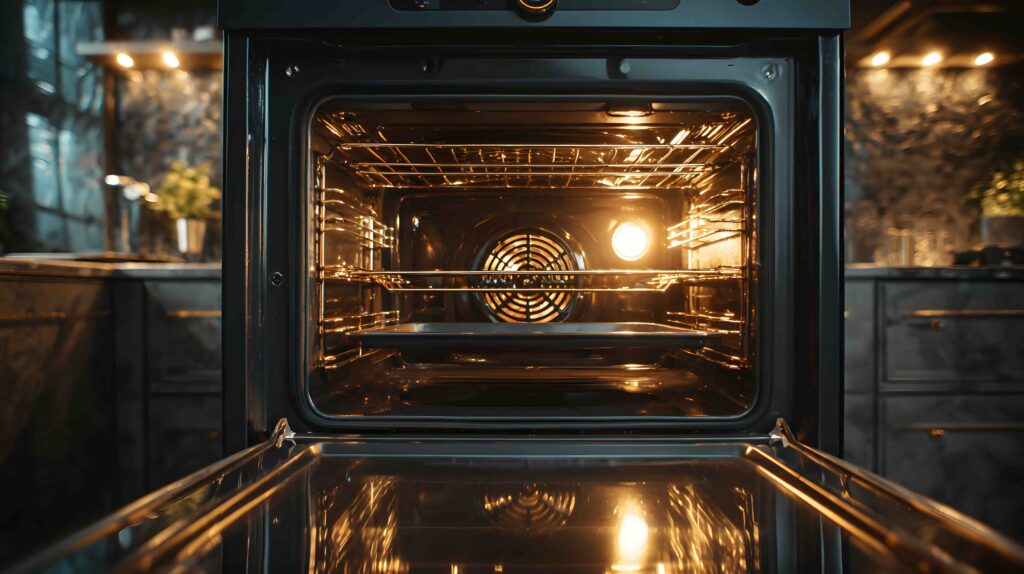
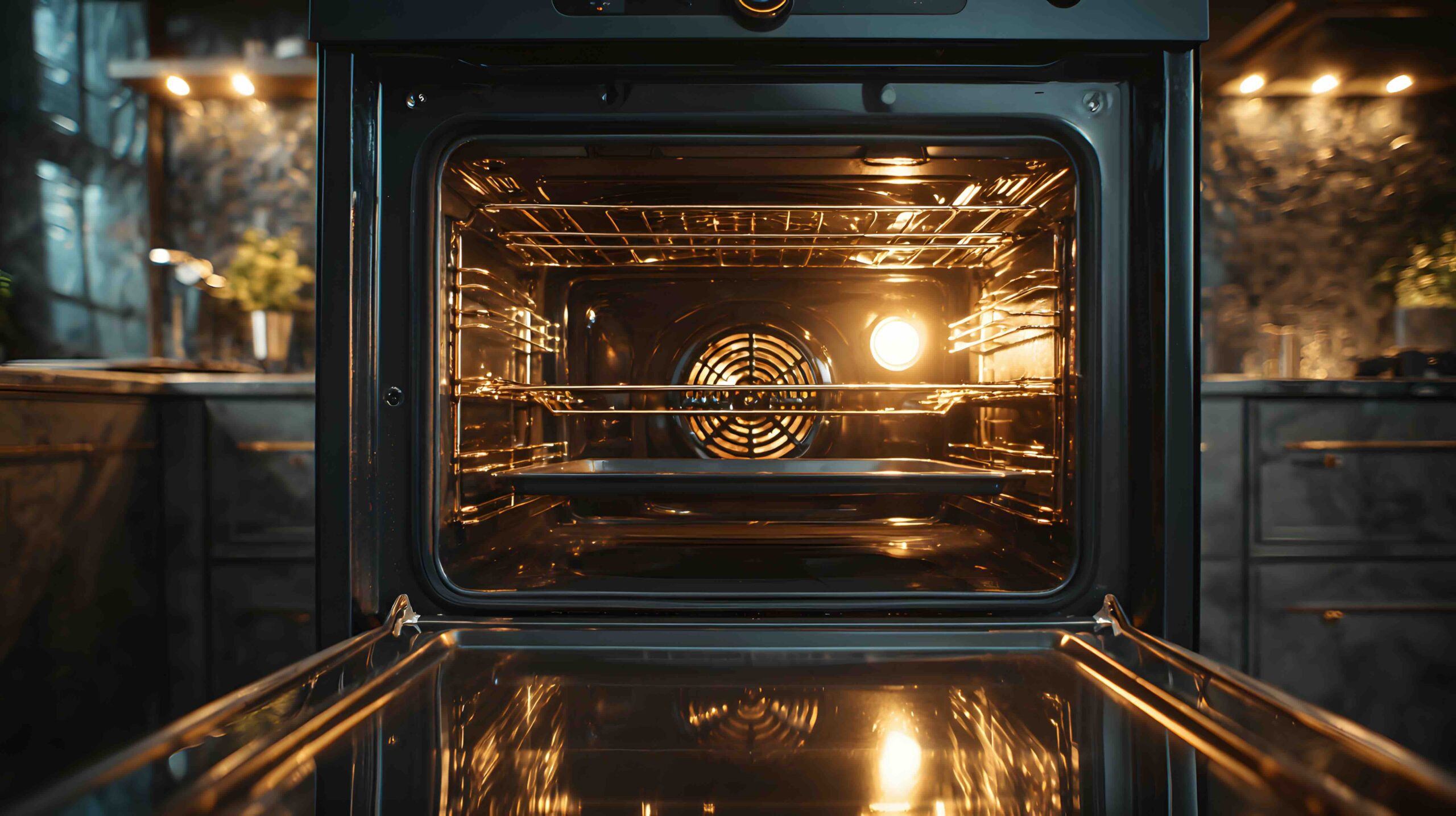
Most homeowners never think twice about the small bulb sitting inside their oven — until it burns out and suddenly checking on a roast means opening the door every few minutes and letting heat escape. The oven light bulb is one of those quietly essential appliance components that does a lot more than people give it credit for. It lets you monitor food without disrupting the cooking environment, and when it stops working, it affects both convenience and energy efficiency in ways that are easy to overlook. This article breaks down everything you need to know about appliance light bulbs for ovens — what they are, how they work, when to replace them, and how home warranty coverage plays into the picture.
What Makes an Oven Light Bulb Different From a Regular Bulb
This is a detail that catches a lot of people off guard. An oven light bulb is not interchangeable with the standard bulbs used elsewhere in your home. Ovens operate at extremely high internal temperatures — sometimes exceeding 500 degrees Fahrenheit — and the light bulb inside has to be specifically engineered to survive that environment. Standard household bulbs, including most LED bulbs, are not rated for those conditions and will fail quickly or shatter entirely if placed inside an oven cavity. Appliance light bulbs for ovens are typically incandescent, rated for high heat, and built with thicker glass and more durable filaments. They are usually rated at 40 watts and carry specific temperature tolerances printed on the packaging. Always check your oven’s owner manual for the correct specification before purchasing a replacement.
How the Oven Light System Works
The mechanics here are straightforward, which is part of what makes this component so reliable for years at a time. When you press the oven light switch — or in some models, when you open the oven door — a simple circuit closes and sends power to the bulb socket mounted inside the oven cavity. The bulb illuminates the interior so you can see your food clearly without opening the door. The socket itself is usually protected by a glass or metal cover to shield it from grease splatter and direct heat exposure. In newer smart ovens and some convection models, interior lighting may operate slightly differently, but the fundamental principle remains the same. The bulb, socket, and switch form a basic but functional lighting circuit built to withstand the demanding conditions inside a working oven.

Key Advantages of a Functional Oven Light
It seems minor until you think about how often you actually rely on it. A working oven light provides several practical benefits that directly affect how you cook and how well your appliance performs over time.
- Reduces heat loss by eliminating the need to open the oven door to check on food
- Helps you monitor browning, bubbling, and doneness without disrupting cook time
- Improves energy efficiency slightly, since fewer door openings mean more stable oven temperatures
- Supports consistent cooking results, especially for baking where temperature stability is critical
- Makes it easier and safer to identify spills or drips before they burn onto the oven floor
None of those benefits are earth-shattering on their own, but together they contribute to a better cooking experience and a longer-lasting appliance interior. Catching a boil-over before it carbonizes onto your oven floor is the kind of small win that saves real time and effort during cleaning.
Common Drawbacks and Limitations to Know About
Like any appliance component, oven light bulbs come with their share of limitations. The most obvious one is that traditional incandescent oven bulbs are not particularly energy efficient. Because they generate heat as a byproduct of producing light, they use more energy than LED alternatives — but as noted earlier, most LED bulbs cannot handle oven temperatures. Some manufacturers have begun developing high-heat-rated LED options, but availability is still limited and compatibility varies widely by oven model. Another common issue is vibration sensitivity. Oven bulbs can loosen over time due to the vibrations from opening and closing the oven door repeatedly, which can lead to flickering or premature failure. The glass cover protecting the socket can also crack or become difficult to remove, complicating what should be a simple replacement job.
How to Replace an Oven Light Bulb Safely
Replacing an oven light bulb is generally a manageable DIY task, but there are a few non-negotiable safety steps to follow before you start. First and most importantly, turn off the oven and allow it to cool completely — this is not a job to rush. Disconnect the appliance from power or switch off the circuit breaker for the range to eliminate any electrical risk. Once the oven is cool and unpowered, locate the light cover inside the oven cavity. This is usually a small glass dome secured by a retaining ring or clips. Remove it carefully, unscrew the old bulb, and install the correct replacement — which should match the wattage and heat rating specified in your owner’s manual. Reattach the cover, restore power, and test the light. If the new bulb does not illuminate, the issue may be with the socket or switch rather than the bulb itself, and a professional diagnosis is the right next step.
When the Problem Is More Than Just the Bulb
Sometimes you replace the bulb and the light still does not work. That is when the conversation shifts from a simple fix to a potential appliance repair. A faulty oven light socket, a broken door switch, or a wiring issue within the appliance can all cause the oven light to fail even with a brand-new bulb installed. Diagnosing these issues requires more than a quick swap — it involves accessing the interior wiring and components, which is work best left to a qualified appliance technician. These repairs can carry costs ranging from moderate to significant depending on the oven model and the extent of the issue. This is exactly the kind of scenario where having a home warranty in place starts to make a lot of financial sense.
Signs Your Oven Light Needs Attention Soon
- The bulb flickers when the oven door is opened or closed
- The light stays on even when the oven is off and the door is closed
- The bulb dims noticeably over time rather than failing all at once
- The glass cover appears cracked, discolored, or difficult to remove
- The light fails immediately after you install a replacement bulb
How Home Warranty Coverage Applies to Oven Light Issues
Here is where homeowners sometimes get confused, and it is worth clearing up. A standard home warranty typically covers the mechanical and electrical components of major appliances like ovens and ranges — things like the heating elements, igniters, control boards, and internal wiring. Whether oven light bulb replacement itself falls under that coverage depends on the specific warranty plan. The bulb itself is generally considered a consumable item, similar to a filter, and may not be covered. However, if the oven light failure is traced back to a defective socket, a broken door switch, or a wiring problem, those repairs often do fall within appliance coverage. Understanding the difference between a consumable component and a covered mechanical failure is key to getting the most out of your warranty when something goes wrong.
Why Armadillo Is the Right Home Warranty Partner for Appliance Protection
When your oven has a problem that goes beyond a burned-out bulb — a faulty socket, a broken door switch, or a wiring failure that takes the light circuit down entirely — the last thing you want is to navigate a confusing claims process or argue over what is and is not covered. That is where Armadillo stands apart. Armadillo offers straightforward, transparent home warranty coverage designed for real homeowners who want real protection without the fine print runaround. If you are looking for a home warranty plan that covers major kitchen appliances including your oven and range, Armadillo builds its plans with clarity and confidence so you know exactly what you are getting. When an oven repair call turns into a bigger job than expected, you will want a warranty that works as hard as you do — and you can get a free home warranty quote for oven and appliance coverage in just a few minutes to see exactly what protection looks like for your home.
Frequently Asked Questions About Oven Light Bulbs
Here are answers to the most common questions homeowners have about oven light bulbs, replacements, and related appliance coverage.
What type of bulb goes in an oven?
Oven appliances require a high-heat-rated incandescent bulb, typically 40 watts, that is specifically designed to withstand internal oven temperatures that can exceed 500 degrees Fahrenheit. Standard household bulbs should never be used as a substitute.
Can I use an LED bulb in my oven?
Most standard LED bulbs are not rated for the extreme heat inside an oven and will fail quickly or become a safety hazard. A small number of specially manufactured high-heat LED options exist, but you should verify compatibility with your specific oven model before using one.
How long does an oven light bulb typically last?
Oven light bulbs generally last anywhere from one to three years depending on frequency of use, heat exposure, and how often the oven door is opened and closed. Frequent vibration from door use can shorten the lifespan.
Why does my oven light keep burning out quickly?
Rapid burnout is usually caused by using the wrong bulb type, a loose or damaged socket, voltage fluctuations, or excessive vibration from the oven door. If a replacement bulb fails shortly after installation, have a technician inspect the socket and wiring.
Is it safe to use an oven when the light is out?
Yes, the oven light is not connected to the heating function, so the oven will operate normally without it. However, you will lose the ability to monitor food without opening the door, which can affect cooking consistency and energy efficiency.
Does a home warranty cover oven light bulb replacement?
The bulb itself is typically considered a consumable and is not covered by most home warranty plans. However, if the root cause of the light failure is a defective socket, broken door switch, or wiring fault, those repairs may fall under appliance coverage depending on the plan terms.
How do I remove the oven light cover?
Most oven light covers are glass domes secured by a retaining ring that unscrews counterclockwise or clips that release with gentle pressure. Always allow the oven to cool completely and disconnect power before attempting to remove the cover.
My oven light flickers — what does that mean?
Flickering often indicates a loose bulb, a failing socket connection, or a door switch that is not engaging properly. Tightening the bulb is the first step, but if flickering continues after replacement, a technician should inspect the socket and switch assembly.
Can a broken oven door switch cause the light to malfunction?
Yes. In many oven models, the door switch triggers the light when the door is opened. A faulty switch can cause the light to fail to turn on, stay on constantly, or behave erratically regardless of the bulb’s condition.
Where can I find the correct replacement bulb for my oven?
The oven’s owner manual is the most reliable source for the correct bulb specification. The model and serial number on the appliance can also be used to search the manufacturer’s parts database or a reputable appliance parts retailer.