What Is Appliance Lighting and Why Does It Matter in Your Home
Most homeowners spend a lot of time thinking about overhead lighting, lamps, and maybe the occasional under-cabinet fixture. But appliance lighting? That one tends to slip under the radar, which is interesting because it affects daily life more than people realize. Appliance lighting refers to the built-in illumination found inside and around household appliances, including refrigerators, ovens, microwaves, range hoods, dishwashers, and washing machines. These lights are functional by design, not decorative. They help you see what you are working with, whether that is checking on a roast in the oven or finding the leftovers hiding in the back of your fridge at midnight. Understanding how these systems work, what can go wrong, and how home warranty coverage fits into the picture can save you real time and real money.
How Appliance Lighting Actually Works
Appliance lighting operates on the same basic principle as any electrical light source, but the environment it functions in is often more demanding. A refrigerator bulb, for instance, experiences repeated temperature swings every time the door opens and closes. Oven lights are engineered to withstand extreme heat, sometimes exceeding 500 degrees Fahrenheit. Microwave and range hood lights handle grease, steam, and heat simultaneously. Most appliance lights use one of three bulb types: incandescent, halogen, or LED. Older appliances lean heavily on incandescent and halogen options, while newer models increasingly ship with LED bulbs due to their energy efficiency and longer lifespan. The light is typically activated by a door switch, a sensor, or a manual button, depending on the appliance. When that switch or sensor fails, the light stops working even if the bulb itself is perfectly fine. That distinction matters when diagnosing a problem.
Common Types of Appliance Lighting by Appliance
Each appliance has its own lighting setup, and they are not interchangeable. Knowing what type of lighting your appliance uses can help you troubleshoot faster and communicate more clearly with a technician if something goes wrong.
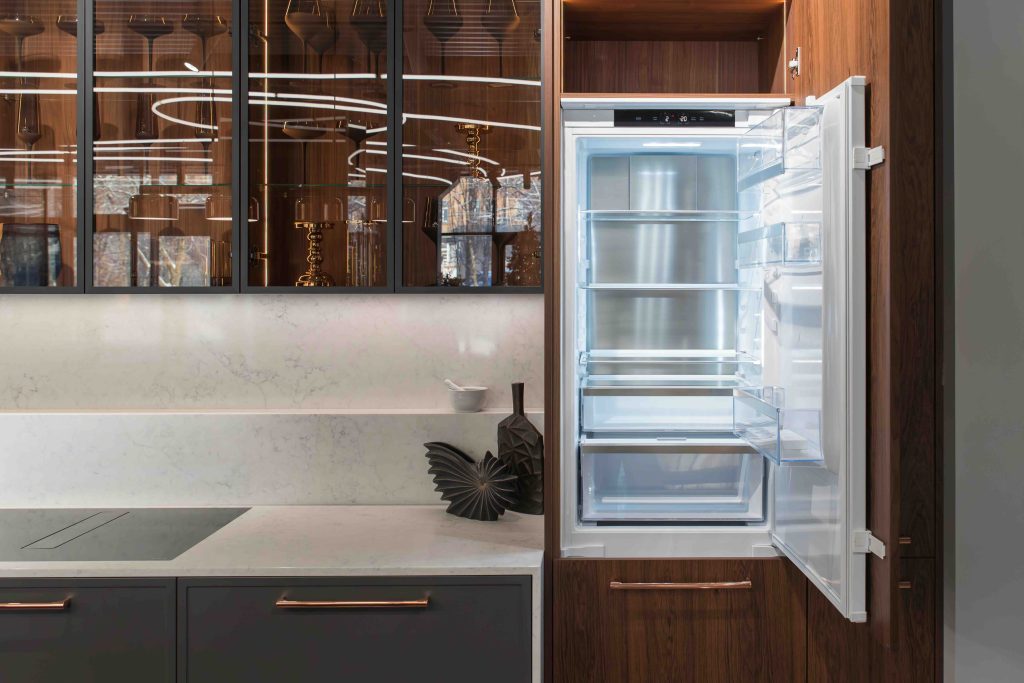
- Refrigerators typically use LED or incandescent bulbs mounted in the ceiling or sidewall of the interior compartment, activated by a door plunger switch.
- Ovens and ranges use high-temperature rated bulbs, usually halogen or appliance-grade incandescent, located inside a glass cover that shields the bulb from food splatter.
- Microwaves often have two lights: one inside the cooking cavity and one underneath that serves as a cooktop light for the range below.
- Range hoods feature lighting directed downward onto the cooktop, often using halogen or LED bulbs mounted behind a filter or lens.
- Dishwashers on higher-end models may include interior LED lighting that activates when the door is opened, similar to a refrigerator.
- Washing machines and dryers on premium models sometimes include drum lighting for visibility when loading and unloading laundry.
Key Advantages of Functional Appliance Lighting
It might be tempting to dismiss a burnt-out appliance bulb as a minor inconvenience, but the reality is that functional lighting inside your appliances serves a real purpose. Good interior lighting in a refrigerator helps reduce food waste because you can actually see what you have before it expires. Oven lighting lets you monitor cooking progress without opening the door, which helps maintain consistent temperature and saves energy. Range hood lighting improves safety at the cooktop by illuminating the cooking surface, reducing the risk of burns and spills. Beyond safety and function, well-maintained appliance lighting is a signal that the appliance overall is being cared for. When it comes time to sell your home, buyers notice details like whether the refrigerator light flickers or the oven interior looks dark and neglected. These small things add up in perception.

Common Drawbacks and Problems With Appliance Lighting
No lighting system is without its issues, and appliance lighting has a few quirks worth knowing about. Bulbs in high-temperature environments like ovens tend to burn out more frequently than standard household bulbs. Refrigerator door switches can wear out over time, leaving the light on continuously even when the door is closed, which wastes energy and can warm the interior. LED lighting in newer appliances is more durable, but when an LED module fails in an integrated system, the fix is rarely as simple as swapping a bulb. In those cases, the entire light assembly or control board may need replacement, which can be a more significant repair. Moisture and grease buildup can also degrade bulb contacts and housings, especially in microwaves and range hoods. These are not catastrophic failures by any means, but they are the kind of thing that sneaks up on you when you least expect it.
How to Troubleshoot Appliance Lighting Issues Before Calling a Tech
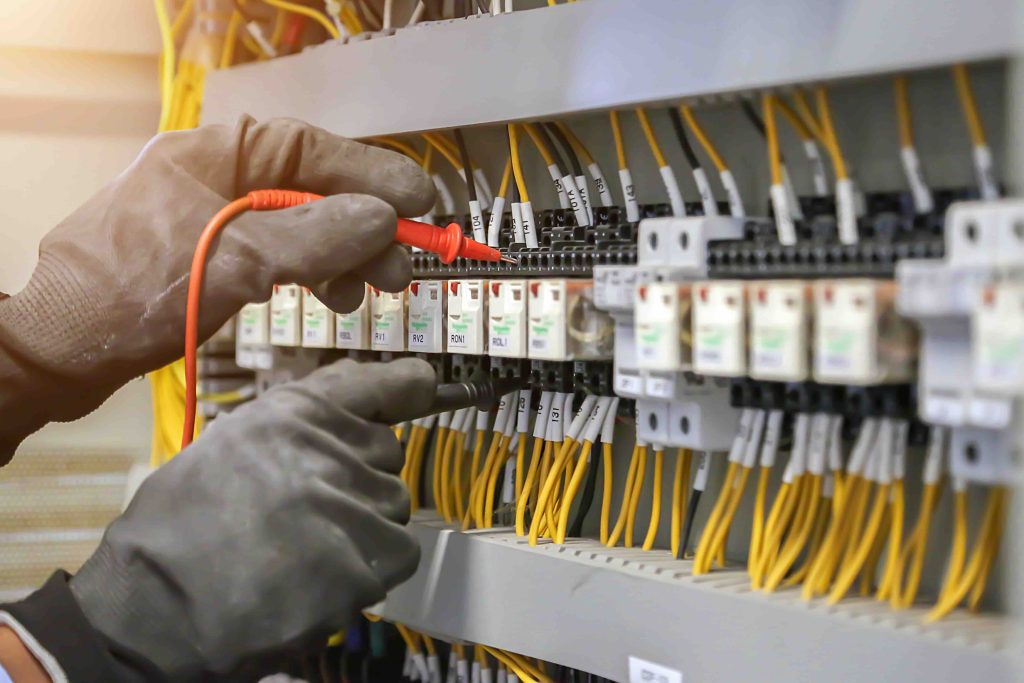
Before you schedule a service call, there are a few straightforward things you can check yourself. Always unplug the appliance or disconnect power before handling any bulb or internal component. For oven and refrigerator lights, start by checking the bulb itself. Appliance bulbs are available at hardware stores and are usually inexpensive. If replacing the bulb does not solve the problem, the door switch is your next suspect. You can often test a door switch manually by pressing it in and releasing it while the appliance is plugged in and observing whether the light responds. If neither the bulb nor the switch appears to be the issue, the problem may be electrical, such as a wiring fault or a failed control board component. At that point, a certified appliance technician should be your next call. Attempting electrical repairs without proper knowledge can create safety hazards and may void your warranty coverage.
Energy Efficiency and Appliance Lighting Upgrades
If your appliances still use incandescent or halogen bulbs, upgrading to compatible LED alternatives is worth considering. LED bulbs use significantly less energy, produce less heat, and last considerably longer than their predecessors. Some refrigerator and oven models support direct LED replacements, while others require specific appliance-grade bulbs to maintain safety ratings. Always check your appliance manual or manufacturer specifications before swapping bulbs, because using the wrong type can affect performance and could technically void certain manufacturer warranties. For range hoods, LED retrofit kits are widely available and can dramatically improve the brightness and longevity of your cooktop lighting. The upfront cost is modest and the long-term payoff in reduced bulb replacements and energy savings is real. It is one of those small home improvements that delivers more value than its price tag suggests.
When Appliance Lighting Repair Signals a Bigger Problem
Sometimes a lighting failure is just a lighting failure. But occasionally it points to something deeper. If your refrigerator light is out and the interior is also not maintaining temperature properly, the door switch failure may be connected to a broader seal or control issue. If your oven light flickers alongside inconsistent heating, the issue could be a failing control board rather than a simple bulb problem. Pay attention to patterns. Appliances rarely fail all at once. They tend to give you signals before they quit entirely, and appliance lighting issues can be one of those early signals. Keeping a mental note of when problems start, how frequently they occur, and whether other functions are also behaving oddly can help a technician diagnose the root cause faster and more accurately.
How a Home Warranty Can Cover Appliance Lighting and Related Repairs
This is where things get genuinely useful for homeowners. A home warranty plan covers the repair or replacement of major home systems and appliances when they break down due to normal wear and tear. Appliance lighting components, including door switches, control boards that regulate lighting functions, and wiring issues connected to built-in lighting, may fall within the scope of appliance coverage depending on the plan. It is worth reading your coverage terms carefully to understand exactly what is included. Light bulbs themselves are almost universally considered consumable items and are typically excluded, similar to filters or batteries. But the mechanical and electrical components that make the lighting system function? Those are often covered. Having a home warranty in place means that when your refrigerator door switch fails or your oven light assembly shorts out, you are not facing a surprise repair bill with no safety net underneath you.
Why Armadillo Is the Right Home Warranty Partner for Appliance Protection
When something breaks in your home, the last thing you need is a complicated claims process, confusing fine print, or a customer service experience that leaves you more frustrated than when you started. Armadillo was built specifically to eliminate that friction. As a trusted home warranty provider for appliance repair and protection coverage, Armadillo offers straightforward plans designed around how homeowners actually live, not around loopholes and exclusions. Whether it is your refrigerator door switch giving out, a control board failure affecting your oven light, or a range hood wiring issue that needs professional attention, Armadillo connects you with qualified service professionals and handles the complexity so you do not have to. If you are ready to stop worrying about unexpected appliance repair costs, you can get a personalized home warranty quote for appliance and system coverage in just a few minutes. It is a simple step that puts real protection between you and the next unexpected repair bill.
Frequently Asked Questions About Appliance Lighting
Why did my refrigerator light stop working?
The most common causes are a burnt-out bulb or a failed door plunger switch. Replace the bulb first, and if that does not resolve the issue, the door switch likely needs testing or replacement by a technician.
Can I use a regular light bulb in my oven?
No. Ovens require appliance-rated bulbs that can withstand high temperatures, typically up to 500 degrees Fahrenheit or higher. Standard household bulbs are not designed for that environment and can shatter or fail quickly.
Is it safe to use my oven if the interior light is out?
Yes, you can still use the oven safely, but you lose the ability to monitor food without opening the door. It is best to schedule a repair, as leaving a faulty electrical component unaddressed can sometimes point to a larger issue.
Why does my refrigerator light stay on when the door is closed?
This is usually caused by a stuck or failed door switch. When the switch does not depress properly, it signals the light to stay on. This can raise interior temperature and increase energy use, so it should be repaired promptly.
Does a home warranty cover appliance light bulbs?
Generally, no. Light bulbs are classified as consumable items and are excluded from most home warranty plans. However, the electrical components that operate the lighting system, such as door switches and control boards, are often covered under appliance protection plans.
How long do appliance LED lights typically last?
LED appliance bulbs can last anywhere from 15,000 to 25,000 hours under normal conditions, making them significantly more durable than incandescent or halogen alternatives used in older appliances.
What type of bulb does my microwave use?
Most microwaves use small incandescent or halogen bulbs for the interior cavity light and a separate halogen or LED bulb for the cooktop light below. Check your appliance manual for the correct wattage and base type before replacing.
Can a failed oven light indicate a bigger electrical problem?
Occasionally, yes. If the light failure is accompanied by inconsistent heating, error codes, or other unusual behavior, the issue may be related to a control board or wiring problem rather than the bulb or socket alone.
Are appliance lighting repairs covered by manufacturer warranties?
Manufacturer warranties typically cover defects in materials or workmanship during the warranty period, which varies by brand and appliance. Wear-and-tear failures that occur after the manufacturer warranty expires are generally not covered, which is where a home warranty becomes valuable.
How do I find the right replacement bulb for my appliance?
Check the appliance manual first, as it will list the correct bulb type, base size, and wattage. If you no longer have the manual, the manufacturer’s website or the model number on your appliance can help you locate the correct specifications.