Basement Flooding: Who to Call and What to Do First
Water in the basement is one of those situations that stops you mid-step. You head downstairs for something completely unrelated and suddenly your feet are wet. It happens faster than most people expect, and the first instinct is to just stand there for a second, processing it. Once that moment passes, the real question kicks in: who exactly do you call when your basement is flooding? The answer is not always obvious, and calling the wrong person first can cost you both time and money. This guide breaks it all down so you know exactly what to do and who to contact when water starts winning.
Understand What You Are Actually Dealing With
Before you pick up the phone, it helps to take a breath and assess the situation. Not every wet basement is the same, and the source of the water determines who handles it. A burst pipe is a plumbing issue. A backed-up sewer line is also plumbing, but a different kind. Groundwater seeping through cracks in the foundation is a waterproofing issue. Heavy rain overwhelming your drainage system could involve your municipality. Knowing the difference is not just useful trivia. It directly affects which professional you call, what your homeowners insurance might cover, and whether a home warranty plays a role in the repair.
Step One: Stop the Water If You Safely Can
If the flooding is coming from a pipe, the first move is to shut off the main water supply to your home. The shut-off valve is typically near your water meter, in a utility room, or sometimes outside near the foundation. Do not hesitate on this one. Every minute the water runs is more damage accumulating in your walls, flooring, and belongings. If the flooding is from external sources like rain or groundwater intrusion, you cannot stop it the same way, but you can start moving valuables and electronics out of the affected area. Safety first, always. If there is any chance the water has reached electrical outlets or your electrical panel, leave the basement and call a professional before going back in.
Who to Call First Based on the Flooding Source
This is the part most homeowners get confused about, so here is a straightforward breakdown of who handles what:
- Burst or leaking pipe: Call a licensed plumber immediately. This is the most common cause of sudden basement flooding and needs professional attention fast.
- Sewer backup: Also a plumber, but one who specializes in drain and sewer line service. Some companies focus specifically on this.
- Foundation seepage or cracks: Contact a basement waterproofing specialist or a foundation repair company. This is not a plumbing problem.
- Sump pump failure: Call a plumber or a sump pump specialist. Many plumbing companies handle these.
- Municipal sewer overflow: Contact your local water authority. You may have limited options here, but they need to know.
- Water heater leak: A plumber handles this, and your home warranty may cover it depending on your plan.
After reaching the right trade professional, call your homeowners insurance company to report the damage. Document everything with photos before any cleanup begins. That documentation matters more than most people realize when claims are being reviewed.
When to Call a Water Damage Restoration Company
Once the source is addressed, the cleanup is its own job entirely. Water damage restoration companies specialize in extracting standing water, drying out structural materials, and preventing mold growth. This is not something to tackle with a few towels and a fan. Moisture that gets trapped inside walls or under flooring becomes a mold problem within 24 to 48 hours. Restoration professionals use industrial-grade equipment and moisture meters to make sure the area is genuinely dry, not just dry on the surface. Look for companies certified by the Institute of Inspection, Cleaning and Restoration Certification, commonly known as IICRC. That certification matters in this industry.

The Role of Your Homeowners Insurance
Homeowners insurance covers water damage in some situations but not all, and understanding that distinction prevents a very frustrating surprise later. Sudden and accidental water damage, like a pipe bursting out of nowhere, is typically covered. Gradual damage from a slow leak you knew about but ignored is generally not. Flooding from external groundwater or a rising water table is almost never covered under a standard homeowners policy. That requires separate flood insurance, which is a distinct product entirely. Call your insurance agent as soon as possible after the event and ask directly what is and is not covered. Get it in writing if you can.
Where a Home Warranty Fits Into the Picture
A home warranty is a service contract that covers the repair or replacement of major home systems and appliances when they break down due to normal wear and tear. This is where it gets relevant to basement flooding. If your sump pump fails and causes flooding, a home warranty that includes plumbing systems may cover the repair or replacement of the sump pump itself. If a water heater develops a slow internal failure that eventually leads to a leak, that could fall under a home warranty as well. The warranty does not cover the resulting water damage to your floors or belongings, but it can cover the failed system or appliance that caused the problem in the first place. That is a meaningful distinction worth understanding before you need it.
Sump Pumps: The Basement’s First Line of Defense
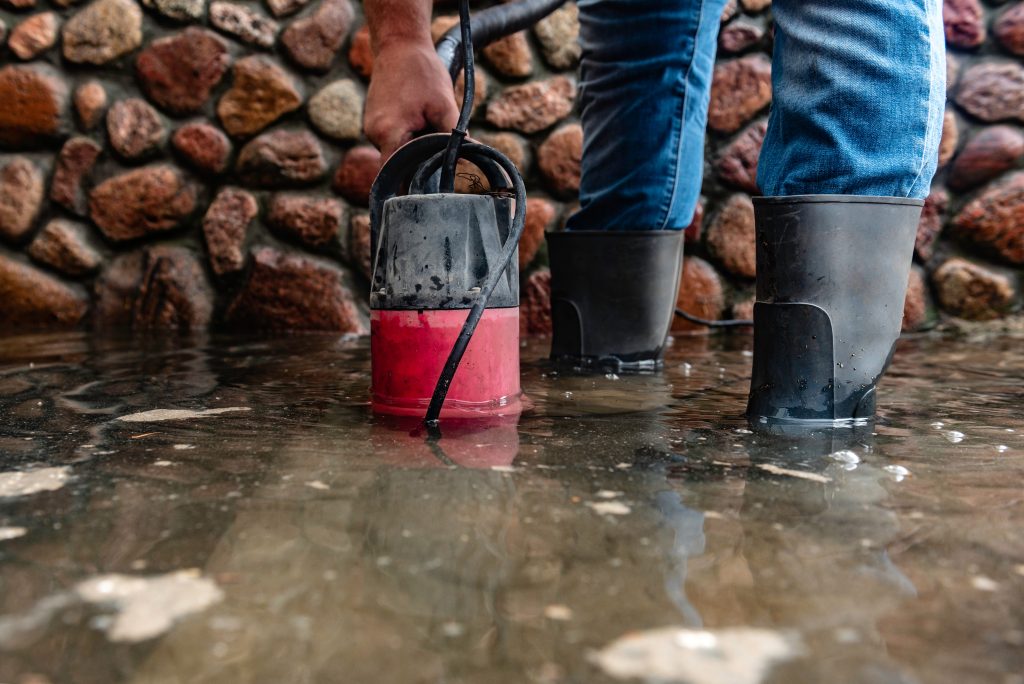
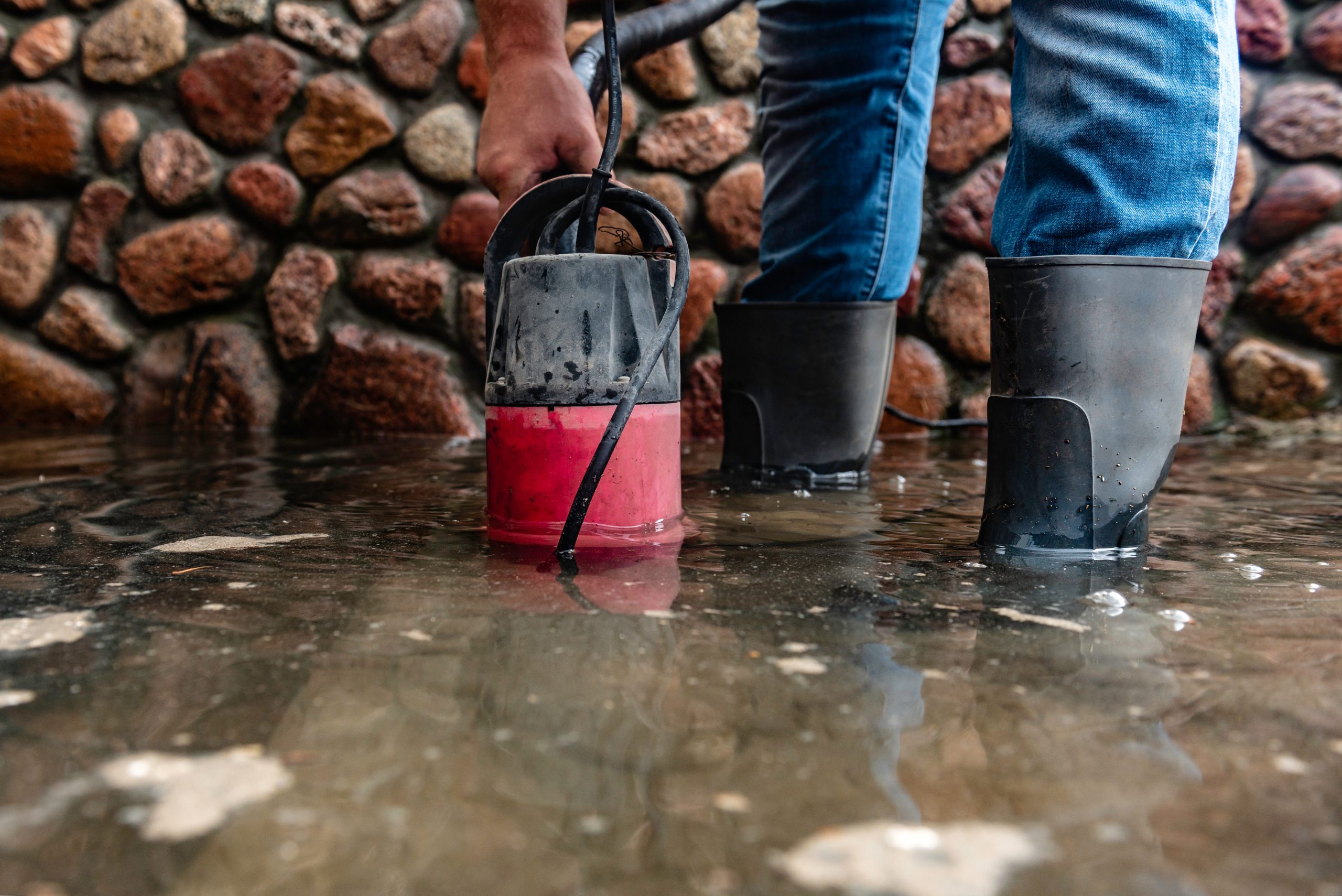
If your home has a basement, it probably has or should have a sump pump. This device sits in a pit at the lowest point of your basement and pumps groundwater away from your foundation before it can accumulate. When it works, you barely think about it. When it fails during a heavy rainstorm, the consequences can be immediate and significant. Sump pump failure is one of the most common causes of basement flooding among homeowners. Regular maintenance, testing the float switch periodically, and ensuring the discharge line is clear can extend its life. A battery backup sump pump is also worth considering, because power outages and heavy storms have a tendency to arrive together.
Practical Tips to Reduce Your Risk Before It Happens
- Inspect your basement after every significant rainstorm, even briefly.
- Keep gutters and downspouts clear and direct water at least six feet away from the foundation.
- Check the grading around your home to ensure the ground slopes away from the structure.
- Test your sump pump by pouring water into the pit and confirming it activates.
- Know where your main water shut-off valve is before you ever need it.
- Install a water leak detector near plumbing fixtures and appliances in your basement.
- Have your sewer line inspected every few years, particularly in older homes.
Prevention is not a guarantee, but it dramatically reduces the probability of a crisis and limits how bad things get when something does go wrong. Preparedness and awareness are genuinely your best tools here.
Why Armadillo Should Be Part of Your Home Protection Plan
When a sump pump fails at midnight during a rainstorm, the last thing you want is to be figuring out how to pay for it on top of managing the chaos. That is exactly the kind of situation a well-structured home warranty is designed for. Armadillo home warranty plans for plumbing systems and basement appliances are built to cover the mechanical failures that lead to these headaches, giving homeowners a clear, accessible path to getting things fixed without the financial shock. Coverage for systems like plumbing and appliances like water heaters and sump pumps means you are not starting from zero when something breaks. If you are ready to protect your home before the next unexpected failure, get a free home warranty quote for basement system coverage and see what plan makes sense for your home. A little preparation now goes a long way when water is rising and you need answers fast.

Frequently Asked Questions About Basement Flooding
These are the questions homeowners ask most often when dealing with basement water issues, answered directly and practically.
Who should I call first when my basement is flooding?
If the flooding is from a burst pipe or plumbing failure, call a licensed plumber immediately. If you are unsure of the source, call a plumber first to rule out internal causes, then assess whether a waterproofing specialist or restoration company is also needed.
Does homeowners insurance cover basement flooding?
It depends on the cause. Sudden plumbing failures are typically covered. Groundwater intrusion and flooding from external sources usually require separate flood insurance. Review your policy carefully and contact your insurer right away after any water event.
Will a home warranty cover sump pump failure?
Many home warranty plans that include plumbing or systems coverage will cover sump pump repair or replacement when it fails due to normal wear and tear. Review your specific plan terms to confirm what is included.
How quickly does mold develop after basement flooding?
Mold can begin developing within 24 to 48 hours of water exposure, particularly in areas with limited airflow. Professional water damage restoration and thorough drying are essential to preventing it.
What is the difference between a plumber and a waterproofing specialist?
A plumber handles failures within your home’s plumbing system, such as pipes, water heaters, and sump pumps. A waterproofing specialist addresses foundation cracks, drainage systems, and groundwater intrusion through or around the structure itself.
How do I find my main water shut-off valve?
It is typically located near the water meter, which may be in a utility room, basement, garage, or near an exterior wall facing the street. Locate it before an emergency so you are not searching during a crisis.
Can I clean up basement flooding myself?
Minor water accumulation can sometimes be managed with a wet-dry vacuum and fans, but significant flooding requires professional water damage restoration. DIY cleanup often misses trapped moisture that leads to mold and structural damage later.
What causes a sump pump to fail?
Common causes include power outages, a stuck or broken float switch, a clogged discharge line, motor burnout from overuse, and age-related wear. Regular testing and maintenance significantly reduce the risk of failure.
How long does water damage restoration take?
The timeline varies based on the extent of the damage and materials affected. Most restoration projects take between three and five days for drying alone. Structural repairs and reconstruction add additional time depending on scope.
Is flood insurance the same as homeowners insurance?
No, they are separate products. Standard homeowners insurance typically excludes flood damage from external water sources. Flood insurance must be purchased separately, often through the National Flood Insurance Program or a private carrier.