
The Best Kitchen Appliances Every Homeowner Should Know About
The kitchen is the heartbeat of most homes. It is where meals get made, conversations happen, and honestly, where most of the household budget ends up going when something breaks. If you have ever stood in an appliance store trying to figure out whether you need a convection oven or a standard one, or whether that high-end refrigerator is actually worth the price tag, you are not alone. This guide breaks it all down in plain terms so you can make smarter decisions about the appliances you buy, maintain, and protect.
What Counts as a Kitchen Appliance Anyway
This might seem like an obvious question, but it is worth clarifying because the answer matters quite a bit when it comes to home warranty coverage and maintenance planning. Kitchen appliances generally fall into two categories: built-in appliances and countertop appliances. Built-in appliances include your refrigerator, dishwasher, range or cooktop, oven, and built-in microwave. These are the heavy hitters. They are hardwired or plumbed into your home, they cost significantly more to repair or replace, and they are the ones that tend to cause the most stress when they stop working. Countertop appliances, like your toaster or blender, are standalone and generally less of a financial concern. For the purposes of this article, the focus is on the big-ticket built-ins, because those are the ones that genuinely affect your daily life and your wallet.
Refrigerators: The Appliance That Never Gets a Day Off
Your refrigerator runs twenty-four hours a day, seven days a week, every single day of the year. That is a level of commitment most of us can respect. Modern refrigerators come in several configurations including top-freezer, bottom-freezer, side-by-side, and French door models. French door refrigerators are currently among the most popular choices because they offer wide shelf space and put the fresh food section at eye level. Smart refrigerators with internal cameras and Wi-Fi connectivity are also gaining ground, though they come with a higher price and more components that can eventually fail. The compressor and evaporator fan are the two most commonly repaired components, and repairs on those can easily run into the hundreds of dollars depending on the model and labor costs in your area.
Dishwashers: A Small Appliance With a Big Impact
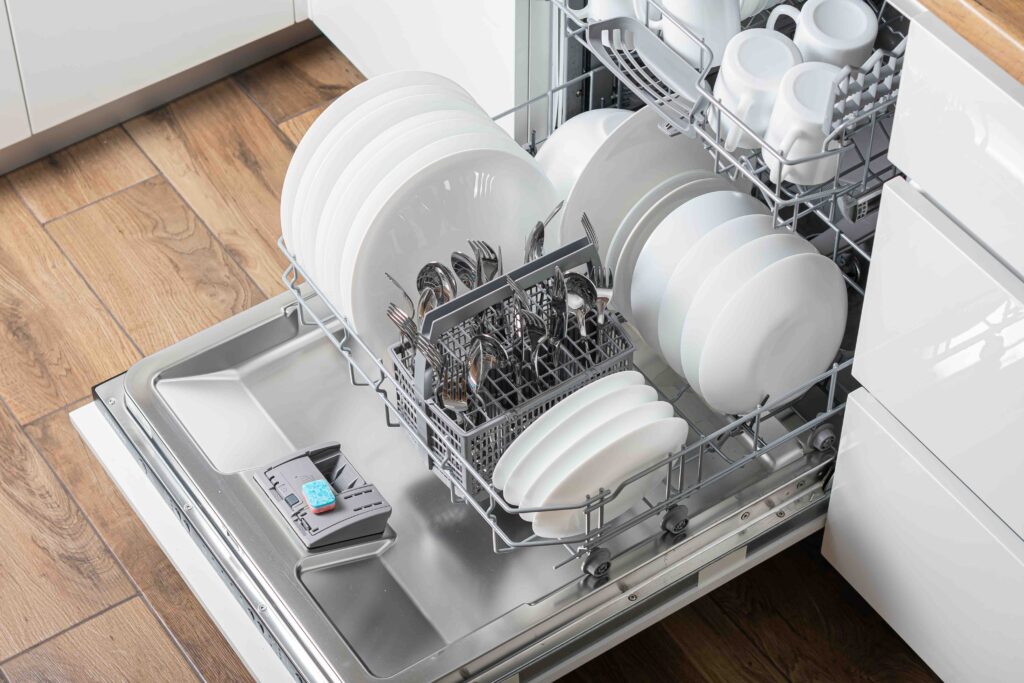
Dishwashers often get overlooked in the appliance conversation, but they deserve more credit. A quality dishwasher can use significantly less water than hand washing, which adds up over time on your utility bill. When shopping for a dishwasher, pay attention to the decibel rating, anything under 45 decibels is considered quiet, which matters a lot in open-concept kitchen layouts. Stainless steel tubs hold heat better than plastic ones and are generally more durable over time. The most common dishwasher failures involve the pump, the water inlet valve, and the control board. These are not cheap fixes, and if your dishwasher is more than eight to ten years old and something major breaks, replacement often makes more financial sense than repair.
Ranges, Ovens, and Cooktops: Knowing the Difference
A lot of homeowners use these terms interchangeably, but they are actually distinct appliances with different configurations and considerations. A range combines a cooktop and an oven in a single unit. A cooktop is just the surface burners, installed separately into the countertop. An oven is the enclosed baking and roasting compartment, which can be wall-mounted or part of a range. Gas ranges tend to be preferred by home cooks who want precise heat control, while electric ranges, particularly induction models, are gaining popularity because they are energy efficient and easier to clean. Dual-fuel ranges, which use gas burners with an electric oven, are considered by many to be the best of both worlds, though they come at a premium price point and require both a gas line and an electric connection.

Built-In Microwaves: Convenient Until They Are Not
Over-the-range microwaves and built-in microwave drawers are fixtures in modern kitchens, and they earn their place. They save counter space, vent cooking fumes, and handle a remarkable amount of daily use. The tricky part is that because they are integrated into your cabinetry or mounted above your range, replacing them is never as simple as swapping out a countertop unit. You often have to match specific dimensions and mounting configurations. Magnetron failure is one of the more common and expensive repairs on a built-in microwave, and when you factor in the cost of parts and labor, the repair bill can sometimes approach the cost of a new unit. This is exactly the kind of situation where having appliance coverage in place makes a tangible financial difference.
Key Advantages of Investing in Quality Kitchen Appliances
There is a reason the advice consistently points toward buying quality when it comes to kitchen appliances. Here is what you actually gain from that investment:
- Longer lifespan, which reduces the frequency of replacement costs over time
- Greater energy efficiency, which lowers monthly utility bills
- Better performance and consistency, especially important for cooking and food preservation
- Improved resale value, since updated kitchens are a major factor in home appraisals
- Fewer breakdowns when appliances are properly maintained and from reputable manufacturers
Common Drawbacks and What to Watch Out For
Even the best appliances come with trade-offs. Smart appliances, for example, offer impressive features but introduce more points of failure. A refrigerator with a touchscreen interface might seem appealing, but that control board is expensive to replace. High-end ranges with commercial-style burners require more cleaning and can be overkill for households that rarely cook elaborate meals. Induction cooktops, while efficient, require compatible cookware, which means you may need to replace pots and pans you already own. Dishwashers with a lot of specialized wash cycles and sensor technology tend to have higher repair frequency than simpler models. The general pattern here is that the more complex the appliance, the more there is that can go wrong over time.
Practical Maintenance Tips to Extend Appliance Life
Maintenance is one of those things homeowners know they should do but often put off until something breaks. A few habits can meaningfully extend the life of your kitchen appliances:
- Clean refrigerator condenser coils at least once a year to prevent compressor strain
- Check and replace dishwasher door gaskets if you notice leaking or moisture buildup around the door
- Calibrate your oven temperature periodically using an inexpensive oven thermometer
- Clean range burner grates and caps regularly to maintain even heat distribution on gas models
- Run your dishwasher with a cleaning tablet monthly to prevent buildup in the spray arms and filter
Why a Home Warranty Is Essential for Kitchen Appliance Protection
Kitchen appliances collectively represent one of the largest financial investments in your home. When a refrigerator compressor fails or a dishwasher pump stops working, the repair bills arrive without warning and rarely at a convenient time. That is where a reliable home warranty earns its value. Armadillo’s home warranty coverage for kitchen appliances and home systems is built for exactly these moments, offering straightforward protection without the frustrating fine print that often defines the warranty industry. Whether it is your range, your built-in microwave, or your refrigerator that decides to give out, having the right plan in place means you are not calculating repair costs at the worst possible moment. If you are ready to stop leaving your most-used appliances unprotected, now is the right time to get a home warranty quote that covers your kitchen appliances and see exactly what a plan would cost for your home. The kitchen works hard. The protection behind it should too.

Frequently Asked Questions About Kitchen Appliances and Home Warranty Coverage
These are the questions homeowners ask most often when it comes to understanding their kitchen appliances and the protection options available to them.
What kitchen appliances are typically covered by a home warranty?
Most home warranty plans cover built-in kitchen appliances including the refrigerator, dishwasher, range or oven, cooktop, and built-in microwave. Coverage specifics vary by plan, so it is important to review what is included before purchasing.
How long do kitchen appliances typically last?
Refrigerators average between 10 and 15 years, dishwashers typically last around 9 to 12 years, ranges and ovens can last 15 years or more with proper maintenance, and built-in microwaves generally last around 9 to 10 years.
Is it worth repairing an older kitchen appliance or should I replace it?
A general rule of thumb is that if the repair cost exceeds 50 percent of the cost of a new appliance and the unit is more than halfway through its expected lifespan, replacement is usually the smarter financial decision.
Does a home warranty cover cosmetic damage to kitchen appliances?
No. Home warranties are designed to cover mechanical and functional failures caused by normal wear and tear. Cosmetic damage such as dents, scratches, or discoloration is not covered under standard plans.
What is the difference between a home warranty and homeowners insurance for appliances?
Homeowners insurance covers damage caused by specific events like fire, flooding, or theft. A home warranty covers mechanical breakdowns that occur from everyday use, which is the category that applies to most appliance failures.
Are smart kitchen appliances a good investment?
Smart appliances offer genuine convenience and efficiency benefits, but they also introduce more components that can fail and tend to be more expensive to repair. They are a worthwhile investment for many homeowners, but protection coverage becomes even more important given the higher repair costs involved.
What maintenance can I do to keep my refrigerator running efficiently?
Cleaning the condenser coils annually, keeping the door gaskets sealed properly, not overfilling the unit, and setting the temperature to the manufacturer-recommended range are the most impactful steps you can take to extend refrigerator performance.
Can I add kitchen appliance coverage to an existing home warranty plan?
Many home warranty providers offer add-on options for specific appliances or allow you to build a customized plan. It is worth reviewing your current coverage and comparing it against plans that include comprehensive kitchen appliance protection.
How does induction cooking compare to gas in terms of efficiency and maintenance?
Induction cooktops are significantly more energy efficient than gas and easier to clean since the surface does not heat up directly. However, they require induction-compatible cookware and have electronic components that can be costly to repair if the control board fails.
What should I look for when buying a new dishwasher?
Focus on decibel rating for noise level, stainless steel tub versus plastic, water usage per cycle, and the reputation of the manufacturer for reliability. A quieter, energy-efficient model from a well-reviewed brand will typically offer the best long-term value.