Cheap Countertops: What Every Homeowner Should Know Before Making a Decision
Countertops are one of those things that quietly define an entire kitchen or bathroom. They take daily abuse — hot pans, spilled coffee, cutting boards sliding around — and they still need to look presentable when guests walk in. So when the budget gets tight and the renovation has to happen anyway, the question becomes: what are the best cheap countertop options that actually hold up? The good news is that affordable does not have to mean regrettable. There are genuinely solid choices out there, and knowing the difference between them can save you money, frustration, and a lot of second-guessing.
Why Countertop Choice Matters More Than Most Homeowners Realize
It is easy to underestimate countertops until they start causing problems. A surface that looks fine in the showroom but cannot handle moisture will warp or peel within a couple of years. A material that seems budget-friendly upfront might require expensive sealants or professional installation that push the actual cost well past the original estimate. The countertop is also one of the most used surfaces in the home, which means wear shows up fast when the material is not well-matched to your lifestyle. So choosing wisely on the front end is not just about aesthetics — it is genuinely about protecting the investment you are making in your home.
Laminate Countertops: The Classic Budget Option
Laminate has been around for decades and remains one of the most popular affordable countertop materials for good reason. Modern laminate is dramatically better than what was available twenty years ago. It comes in an enormous range of colors and patterns, including convincing imitations of stone and wood. It is lightweight, relatively easy to install, and it cleans up without much effort. The main vulnerabilities are heat sensitivity and susceptibility to cuts — placing a hot pan directly on laminate or using it as a cutting surface will leave permanent damage. But for households that use cutting boards and trivets consistently, laminate can last a long time and still look good.
Tile Countertops: Durable With a Learning Curve
Ceramic and porcelain tile countertops are genuinely tough and heat-resistant, which makes them attractive for busy kitchens. The tile itself is inexpensive, and if a single tile cracks or chips, you only need to replace that one piece rather than the entire surface. However, the grout lines are where this option gets complicated. Grout requires sealing and regular maintenance to prevent staining and bacterial buildup. If grout is not maintained properly, tile countertops can start looking dingy quickly. They also have a slightly uneven surface that some people find inconvenient when working with dough or rolling out ingredients. Still, for the right homeowner willing to stay on top of maintenance, tile is a durable and genuinely affordable choice.

Butcher Block Countertops: Warmth and Function at a Reasonable Price
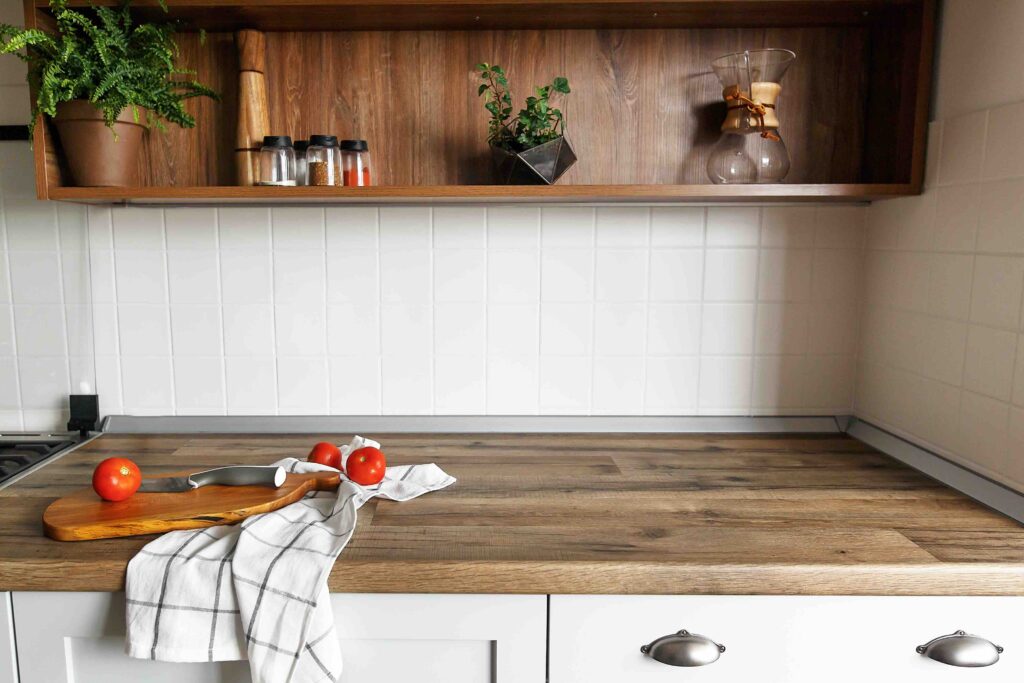
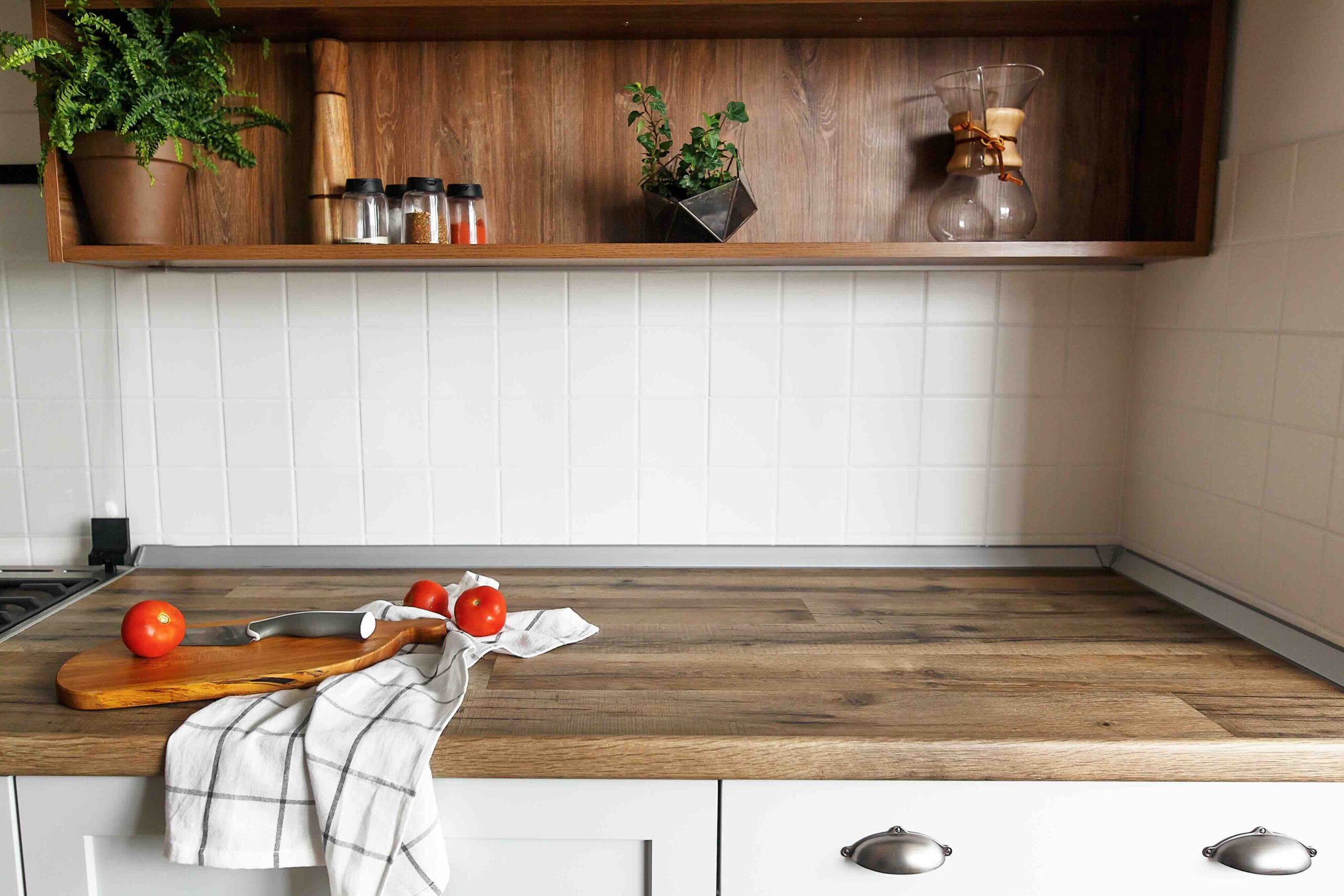
Butcher block countertops have had a real resurgence in popularity, and for good reason. They bring warmth and texture into a kitchen that stone or laminate simply cannot replicate. They are also genuinely functional — a well-maintained butcher block surface can be used for cutting directly on the wood. The catch is maintenance. Butcher block needs to be oiled regularly to prevent drying, cracking, and warping. It is also susceptible to water damage if moisture sits on the surface for extended periods, so areas near sinks require particular attention. Scratches and dents can often be sanded out, which is actually a meaningful advantage over less forgiving materials. The upfront cost is reasonable, and when properly cared for, butcher block can last decades.
Concrete Countertops: An Edgy Option That Requires Commitment
Poured concrete countertops look incredible in industrial-style kitchens and can be customized in terms of color and shape. They are also surprisingly achievable as a DIY project for homeowners with some patience and the right materials. The cost of materials is relatively low, though professional installation can get expensive quickly. Concrete is heavy, which means the cabinetry underneath needs to be able to support the weight. It also requires sealing and can crack over time if the house settles or if the countertop was not poured correctly. Staining is a real concern without consistent maintenance. That said, for the homeowner who loves the aesthetic and is willing to invest the upkeep, concrete is a legitimate budget-conscious choice — especially if you are doing the work yourself.
Vinyl and Solid Surface Options Worth Considering
Solid surface countertops, like those made from acrylic or polyester resins, sit in an interesting price range. They are not always the cheapest option on the shelf, but they offer advantages that justify the cost for many homeowners. Solid surface materials are non-porous, meaning they resist bacteria and moisture naturally. Scratches and minor damage can often be buffed out. They can be molded into custom shapes with integrated sinks, which eliminates one of the trickier parts of countertop installation. Vinyl sheet countertops, which are slightly different, fall on the lower end of the cost spectrum and are primarily used in utility spaces. They are not glamorous, but they are functional and easy to clean.
Key Advantages and Drawbacks at a Glance
Before settling on any material, it helps to see the pros and cons side by side. Here is a quick breakdown of what you are actually weighing:
- Laminate: Low cost, wide design variety, easy to clean — but vulnerable to heat and cuts
- Tile: Heat-resistant, replaceable in sections, affordable — but grout requires consistent maintenance
- Butcher block: Warm aesthetic, repairable, functional — but needs regular oiling and is moisture-sensitive
- Concrete: Fully customizable, unique look, low material cost — but heavy, can crack, and requires sealing
- Solid surface: Non-porous, seamless design options, repairable — but mid-range cost and can scratch under heavy use
Practical Tips for Choosing the Right Cheap Countertop for Your Home
Matching the material to your actual lifestyle is the single most important decision you can make. A household with young children who are regularly doing homework or arts and crafts at the kitchen counter has different needs than a home where the kitchen is mainly used for light meal prep. Consider how much direct heat the surface will need to handle, how often the countertop will come into contact with water, and whether you are willing to commit to ongoing maintenance. Also factor in the installation cost, which is often overlooked. Some materials are highly DIY-friendly, while others really require professional installation to avoid costly mistakes down the road.
- Always request material samples before committing to any countertop option
- Ask installers specifically about edge finishing costs, which are often quoted separately
- Factor in the cost of sealants, adhesives, and maintenance products when comparing total price
- If resale value matters to you, check what buyers in your local market tend to respond to
How a Home Warranty Connects to Your Countertop Investment
Here is where a lot of homeowners miss an important piece of the picture. Countertops are one part of a kitchen renovation, but the appliances and systems connected to that kitchen — the dishwasher, garbage disposal, refrigerator, and plumbing — are what tend to break down unexpectedly and expensively. When you are already stretching the budget on a renovation, an appliance failure can feel absolutely brutal. That is exactly the gap that a home warranty is designed to fill. If you are a homeowner who understands the value of protecting the kitchen and home systems that surround your new countertops, then exploring home warranty coverage for kitchen appliances and essential home systems is a genuinely smart next step. Armadillo offers clear, straightforward coverage without the runaround, and you can get a fast home warranty quote tailored to your kitchen and home needs in just a few minutes. When your budget is already working hard on improvements, having protection in place for what breaks unexpectedly is not a luxury — it is just practical thinking.

Frequently Asked Questions About Cheap Countertops
These are the questions homeowners ask most often when researching affordable countertop options — answered directly and without filler.
What is the cheapest countertop material available for kitchens?
Laminate is generally the least expensive countertop option available, with costs often ranging from a few dollars per square foot for the material alone. Tile is also very affordable depending on the type of tile selected.
How long do laminate countertops typically last?
With proper care and normal household use, laminate countertops can last between 10 and 20 years. Avoiding direct heat exposure and using cutting boards consistently will significantly extend their lifespan.
Can I install cheap countertops myself to save money?
Yes, laminate, tile, and butcher block are all materials that experienced DIYers can install successfully. Concrete requires more skill and preparation. Solid surface materials are generally better left to professionals due to the tools and techniques required.
Are cheap countertops a bad investment for resale value?
Not necessarily. Buyers care about condition and cleanliness as much as material type. A well-maintained laminate countertop will often be received better than a damaged or stained stone surface. In most mid-range markets, the countertop material matters less than its overall appearance.
What is the most durable budget countertop option?
Tile is among the most durable low-cost materials available, as individual tiles are highly resistant to heat and scratching. Butcher block also holds up well over time when it is properly maintained with regular oiling.
Do cheap countertops require sealing?
It depends on the material. Tile grout requires sealing. Concrete requires consistent sealing. Butcher block needs oiling rather than traditional sealing. Laminate and solid surface materials do not require sealing at all.
What is the best cheap countertop for a bathroom vanity?
Laminate and solid surface materials both work well in bathrooms. They resist moisture reasonably well and clean up easily. Tile is also a practical bathroom choice due to its water resistance.
Will a home warranty cover countertop damage?
Standard home warranty plans do not typically cover countertop surfaces themselves, as those are considered structural or cosmetic components. However, home warranties do cover the appliances and systems that work alongside kitchen countertops, such as dishwashers, garbage disposals, and plumbing systems.
How do I keep cheap countertops looking good longer?
Use cutting boards to protect the surface from knife marks, place trivets under hot cookware, wipe spills immediately, and avoid harsh abrasive cleaners. These simple habits extend the life of almost any countertop material significantly.
What is the difference between laminate and solid surface countertops?
Laminate is a thin decorative layer bonded to a particleboard or MDF core, while solid surface countertops are made entirely from the same material throughout. Solid surface costs more but offers greater repairability, seamless installation options, and better moisture resistance overall.