Black Mold vs. Mildew: What Every Homeowner Needs to Know
You spot something dark and fuzzy in the corner of your bathroom, and your first thought is probably not great. Is it mold? Is it mildew? Does it matter? Actually, yes — it matters quite a bit. These two things often get lumped together, but they are not the same, and treating one like the other can lead to some real headaches down the road. Understanding the difference between black mold and mildew is one of those things that quietly protects your home and your health, and it is the kind of knowledge that pays off whether you are a first-time homeowner or someone who has been through a few renovation surprises already.
What Exactly Is Mildew and Why Does It Show Up in Your Home
Mildew is a surface-level fungal growth. It tends to appear as a flat, powdery, or fluffy patch — typically white, gray, or yellowish — on damp surfaces. Think shower tiles, window sills, or the pages of a book left in a humid basement. Mildew thrives on moisture, and it does not waste any time getting comfortable once the conditions are right. The good news is that mildew stays on the surface. It does not penetrate materials the way mold does, which makes it far easier to clean and address. A scrub brush and some household cleaner can usually handle mildew without requiring professional intervention. It is annoying, yes. But it is not a crisis.
What Is Black Mold and How Is It Different
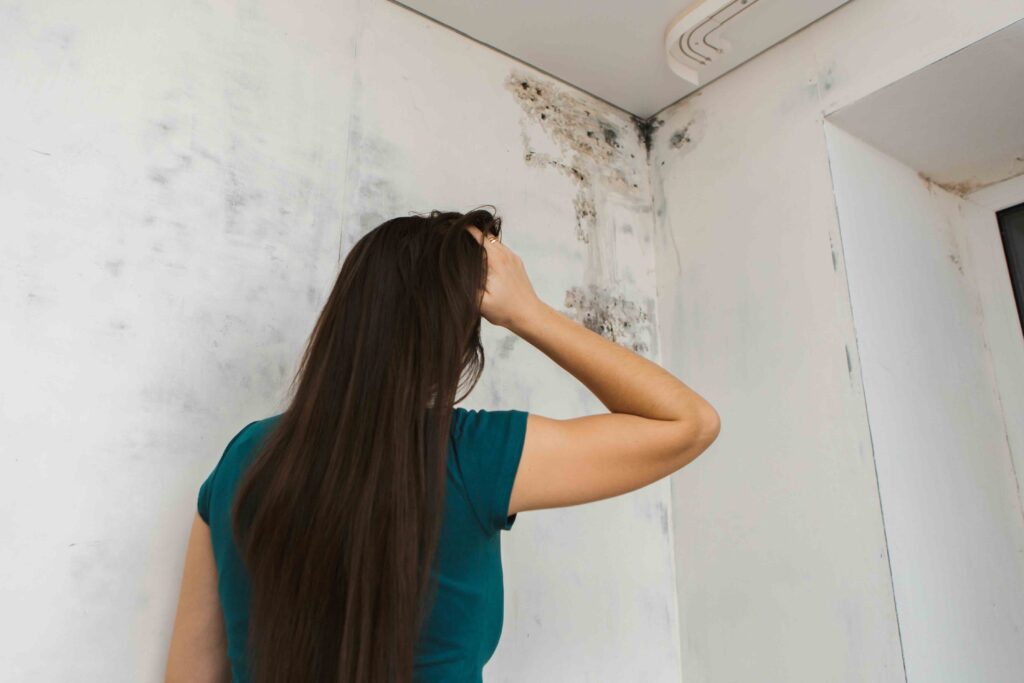
Black mold — the one people genuinely worry about — is a different situation entirely. The term most commonly refers to Stachybotrys chartarum, a greenish-black mold that grows on materials with high cellulose content, like drywall, wood, and ceiling tiles. Unlike mildew, black mold penetrates deep into surfaces and structures. It does not just sit on top — it grows into the material itself, which is why you cannot just wipe it away and move on. Black mold is also associated with more serious health concerns, including respiratory issues, persistent headaches, and chronic fatigue, particularly in people with allergies, asthma, or compromised immune systems. It is the fungal equivalent of an uninvited houseguest who redecorates the walls on the way out.
Key Differences at a Glance
It helps to have a clear picture of how these two compare side by side. While the nuances matter, a few defining characteristics make them easier to tell apart in real life.
- Appearance: Mildew is usually white, gray, or yellow and looks powdery or fuzzy. Black mold is dark green or black and often looks slimy or textured.
- Location: Mildew grows on surfaces, especially in bathrooms and kitchens. Black mold tends to hide behind walls, under flooring, or in poorly ventilated areas with sustained moisture.
- Smell: Both produce an unpleasant odor, but black mold has a distinctly musty, earthy, almost rotting scent that is hard to ignore.
- Health Risk: Mildew can cause mild respiratory irritation. Black mold carries more significant health risks, especially with prolonged exposure.
- Treatment: Mildew can typically be cleaned by a homeowner. Black mold usually requires professional remediation.

Where Black Mold Likes to Hide in Your Home
Black mold does not announce itself. It prefers dark, damp, and poorly ventilated spaces where it can grow undisturbed. Common hiding spots include inside walls near plumbing leaks, beneath bathroom and kitchen flooring, in basements and crawl spaces with moisture issues, around HVAC systems and ductwork, and behind appliances that use water, like washing machines and refrigerators. This is important context for homeowners because the presence of black mold is frequently tied to an underlying issue — a slow leak, poor drainage, or an HVAC system that is not properly controlling humidity. In many cases, addressing the mold without fixing the root cause means it will return.
How Moisture Problems Connect to Home Systems and Appliances
Here is something worth pausing on: the majority of black mold situations in residential homes trace back to a failing home system or appliance. A water heater that has been slowly leaking. A washing machine hose that cracked and dripped for weeks before anyone noticed. An air conditioning unit that is not draining properly and creating pooled moisture inside the wall cavity. These are not hypothetical situations — they happen in homes of all ages and price points. Mold needs three things to grow: a food source like wood or drywall, the right temperature, and moisture. Homeowners can control moisture if they catch the source early enough, but that requires knowing when a system is starting to fail, which is easier said than done.
Practical Steps to Prevent Mold and Mildew Growth
Prevention really does make all the difference here. A few consistent habits go a long way toward keeping both mold and mildew from taking hold in your home.
- Keep indoor humidity levels between 30 and 50 percent using a dehumidifier or properly functioning HVAC system.
- Ventilate bathrooms and kitchens during and after use to reduce moisture buildup.
- Inspect under sinks, around toilets, and behind appliances regularly for signs of slow leaks.
- Address any water intrusion — from rain, plumbing, or appliances — within 24 to 48 hours to interrupt mold growth before it starts.
- Replace grout and caulk in wet areas when it begins to crack or discolor.
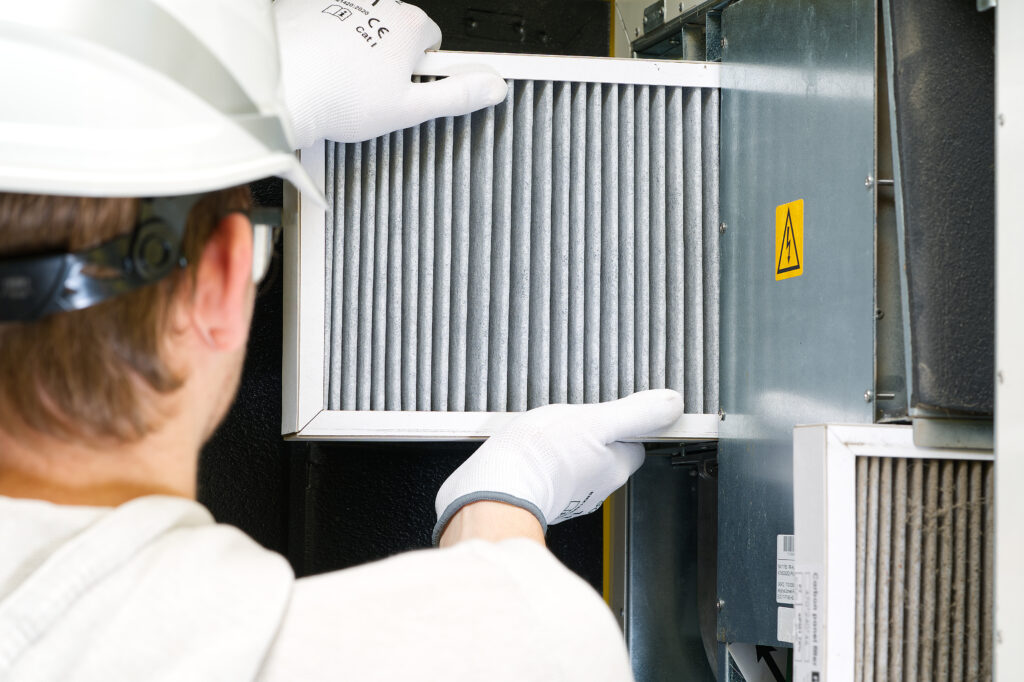
- Schedule routine HVAC maintenance to ensure proper drainage and airflow throughout the home.
When to Call a Professional for Mold Remediation
If you suspect black mold, especially if the affected area is larger than ten square feet or is located inside walls, flooring, or ductwork, professional remediation is the appropriate path. Attempting to clean it yourself without proper containment and equipment can spread mold spores throughout the home, making the problem significantly worse. A certified mold remediation specialist will assess the extent of the growth, contain the area, remove contaminated materials safely, and treat the space to prevent regrowth. They should also identify and document the moisture source so it can be corrected. This is not the time to cut corners.
What Home Warranties Typically Cover and Where Mold Fits In
This is where things get nuanced for homeowners. Home warranties are service contracts designed to cover the repair or replacement of home systems and appliances when they fail due to normal wear and tear. That includes things like your HVAC system, plumbing, electrical, water heater, dishwasher, and more. Because black mold growth is almost always the result of a failing system or appliance rather than the mold itself being a system, mold remediation is not typically covered under a standard home warranty. However, the appliance or system that caused the moisture problem — say, a burst water heater or a failed AC drain pan — often is covered. That distinction matters. Catching and repairing a failing system before it creates sustained moisture damage is exactly where a home warranty delivers real value.
Why Armadillo Is Worth a Serious Look for Homeowners Dealing With These Risks
When you understand how closely mold risk is tied to aging or failing home systems, the case for a home warranty becomes a lot more practical. Every month your water heater, HVAC unit, or washing machine runs without incident is a good month — but those systems do not last forever, and when they fail, they can create the exact moisture conditions that lead to black mold growth. That is where Armadillo’s home warranty plans for protecting essential systems and appliances give homeowners a meaningful layer of defense. Armadillo is built around straightforward coverage, honest communication, and actually showing up when something goes wrong — not hiding behind pages of fine print. If you want to understand what it costs and what it covers before committing to anything, you can get a personalized home warranty quote that matches your home’s specific systems and risk profile in just a few minutes. The connection between home system failures and mold damage is real, and having a plan in place before something leaks is always better than reacting after the fact.

Frequently Asked Questions About Black Mold and Mildew
These are the questions homeowners ask most often when they are trying to figure out what they are dealing with and what to do next.
How can I tell the difference between black mold and mildew without a test?
Look at the color, texture, and location. Mildew is typically white, gray, or yellow and sits flat on a surface. Black mold appears dark green or black, often has a slimy or uneven texture, and tends to grow in hidden or poorly ventilated areas. If you are still uncertain, a mold test kit from a hardware store can provide basic confirmation.
Is black mold actually dangerous?
Yes, particularly with prolonged exposure. Black mold produces mycotoxins that can cause respiratory irritation, headaches, fatigue, and more serious symptoms in individuals with asthma, allergies, or weakened immune systems. It should be treated as a health concern and addressed promptly.
Can I remove black mold myself?
Small surface areas may be manageable with appropriate protective equipment and commercial mold-killing products, but anything larger than ten square feet or located inside walls, floors, or HVAC systems should be handled by a certified mold remediation professional to avoid spreading spores.
What causes black mold to grow in a home?
Black mold requires sustained moisture, a food source like wood or drywall, and moderate temperatures. Common causes include plumbing leaks, roof damage, poor HVAC drainage, flooding, and high indoor humidity levels that go unaddressed for an extended period.
Does a home warranty cover mold remediation?
Standard home warranties do not typically cover mold remediation itself, as it is not a home system or appliance. However, the failing system that caused the moisture — such as a leaking water heater, broken plumbing, or malfunctioning AC unit — may be covered, which can prevent the conditions that lead to mold in the first place.
How fast does black mold grow after water damage?
Mold can begin to develop within 24 to 48 hours of a moisture event under the right conditions. This is why addressing any water intrusion quickly is critical to preventing mold growth from taking hold.
What does black mold smell like?
Black mold produces a distinctly musty, damp, earthy odor that many people describe as similar to rotting wood or soil. If you detect this smell persistently in an area of your home without an obvious source, it is worth investigating for hidden mold growth.
Can mildew turn into black mold?
Mildew and black mold are different organisms and one does not technically transform into the other. However, conditions that allow mildew to thrive — particularly sustained moisture — also create an environment where black mold can independently develop. Eliminating moisture is the key to preventing both.
How do I keep mold from coming back after remediation?
The most important step is correcting the moisture source that allowed mold to grow in the first place. After remediation, maintain indoor humidity below 50 percent, improve ventilation in affected areas, and conduct routine inspections of plumbing and appliances to catch any new leaks early.
Are older homes more susceptible to black mold?
Older homes can be at higher risk due to aging plumbing, outdated HVAC systems, and construction materials that are more vulnerable to moisture damage. Regular maintenance and prompt attention to system failures are especially important in homes that are more than 20 to 30 years old.