Why Your HVAC Drain Line Deserves More Attention Than It Gets
There are parts of your home’s HVAC system that get all the glory — the thermostat, the air filter, maybe even the blower motor if you’re really into it. And then there’s the condensate drain line. Quiet, tucked away, doing its job without complaint — until it isn’t. Most homeowners don’t think about this little pipe until water is pooling somewhere it absolutely should not be. The good news is that maintaining it is genuinely simple, and a little bleach goes a long way. Here’s everything you need to know about keeping your HVAC drain line clear, why it matters, and how this one small task can protect a surprisingly large portion of your home.
What Is an HVAC Condensate Drain Line?
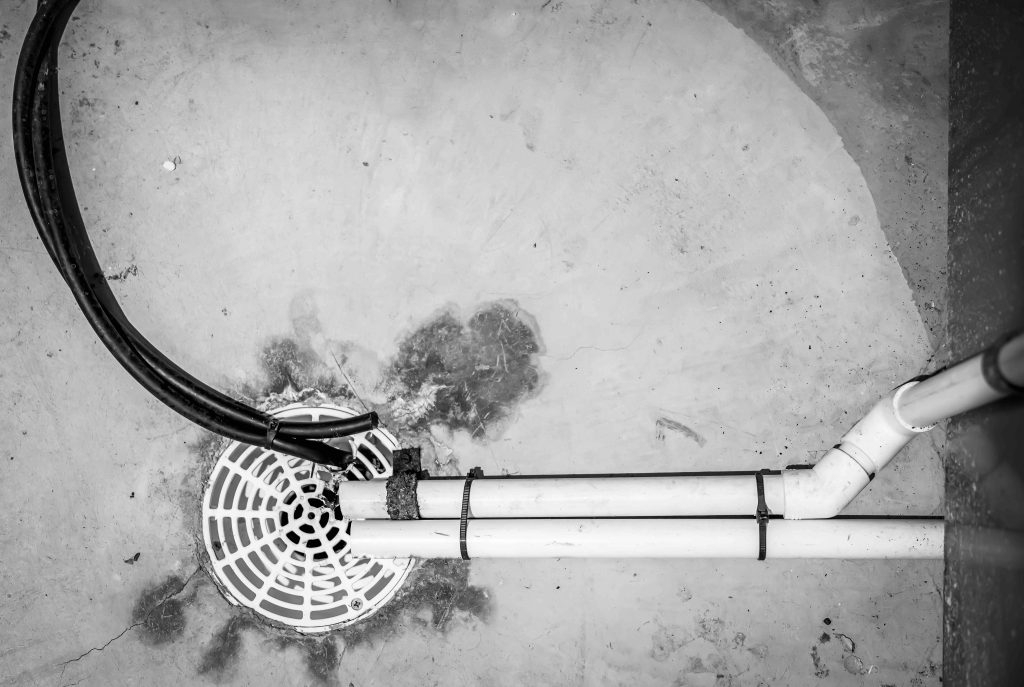
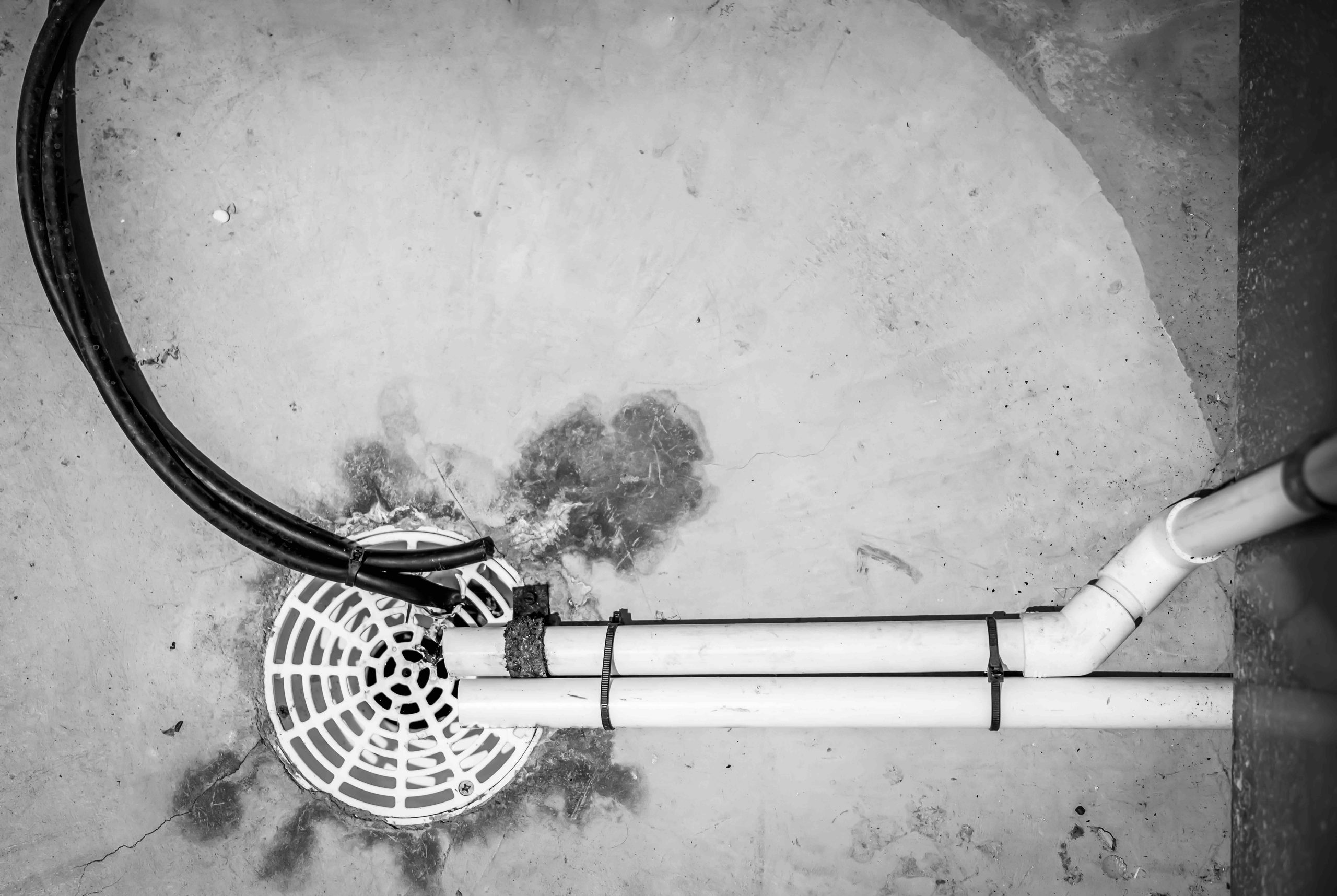
When your air conditioner runs, it doesn’t just cool the air — it also pulls moisture out of it. That moisture condenses on the evaporator coil and drips into a drain pan, which then feeds into a pipe called the condensate drain line. That line carries the water out of your home, typically to a floor drain, utility sink, or outside the foundation. It sounds simple because it is. A small PVC pipe doing a quiet but essential job. The problem is that this dark, damp pipe is basically a welcome mat for algae, mold, mildew, and biofilm buildup. Over time, that buildup can create a clog, and a clogged drain line means water has nowhere to go — which leads to overflows, water damage, and in some systems, an automatic shutoff that kills your cooling entirely.
Why Bleach Works So Well for Drain Line Maintenance
Bleach — specifically plain, unscented household bleach — is one of the most effective and affordable tools for preventing drain line clogs. The active ingredient, sodium hypochlorite, kills the algae and microbial growth that accumulate inside the pipe over time. It doesn’t require any special equipment, any professional training, or even a dedicated chunk of your Saturday. A small amount of diluted bleach poured into the drain line access point every one to three months is typically enough to keep things flowing freely. Some HVAC technicians prefer distilled white vinegar as a gentler alternative, and that works too — though many professionals still lean toward bleach for its more aggressive antimicrobial action, particularly in humid climates where algae growth happens fast.
How to Pour Bleach Into Your HVAC Drain Line the Right Way
This is one of those tasks that sounds more complicated than it actually is. Here is a straightforward approach that works for most residential systems:
- Locate the condensate drain line access point — it’s usually a PVC pipe with a cap near your indoor air handler unit.
- Mix one cup of plain household bleach with one cup of water for a diluted solution.
- Remove the cap from the access port and slowly pour the solution in.
- Let it sit and work through the line for about 30 minutes before restoring normal system operation.
- Check the outdoor discharge point to confirm water is flowing freely.
That’s really it. No special tools, no licensed contractor required. Just a consistent schedule and a bottle of bleach from the grocery store. Some homeowners add this to their quarterly HVAC maintenance routine alongside filter changes, which is genuinely a smart pairing.

Signs Your HVAC Drain Line Is Already Clogged
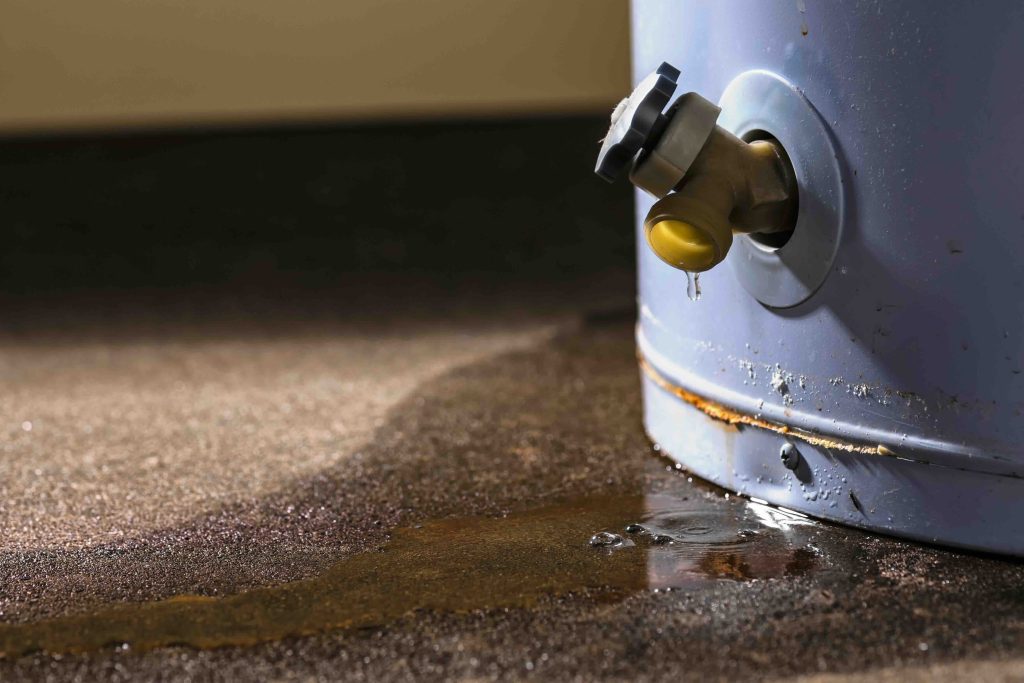
Sometimes the maintenance schedule slips. Life happens. If you’re not sure whether your drain line is already partially or fully blocked, there are some reliable warning signs to watch for. A musty smell coming from your vents is often an early indicator — that’s mold or mildew somewhere in the system, and the drain line is a common culprit. Standing water in the drain pan beneath your air handler is a more direct signal that something is obstructed downstream. Some modern systems have a float switch that shuts the unit off entirely when the pan fills up, so if your AC stops running unexpectedly during peak cooling season, a clogged drain line should be near the top of your diagnostic list. Water stains on the ceiling or walls near the air handler are a serious sign that overflow has already occurred — at that point, you’re looking at potential structural or drywall damage on top of the mechanical issue.
Common Mistakes Homeowners Make With Drain Line Maintenance
The biggest mistake is simply ignoring it altogether. Out of sight really does mean out of mind for most people, and the drain line is about as out of sight as it gets. Beyond neglect, a few other missteps are worth avoiding. Using a concentrated bleach solution without diluting it first can damage PVC components over time. Pouring bleach in too quickly can create air lock in the line rather than allowing it to flow through properly. Some homeowners also make the error of using scented bleach or cleaners with additional surfactants — those additives can actually contribute to buildup rather than prevent it. Stick to plain, unscented bleach and keep the concentration reasonable. And if you’ve got a drain line clog that’s already fully developed, a simple bleach pour likely won’t resolve it — at that stage, you’ll want a wet-dry vacuum or a plumber’s snake to physically clear the blockage first.
How Often Should You Treat Your HVAC Drain Line?
For most homes in moderate climates, treating the drain line every three months is sufficient. However, if you live in a high-humidity region — the Southeast, coastal areas, anywhere that sees prolonged warm and wet conditions — monthly treatments during the cooling season are worth considering. The more your AC runs, the more condensate it produces, and the more actively that drain line is being used. High-use periods are also high-risk periods for buildup. Some HVAC professionals recommend treating the line at the start of the cooling season as a baseline practice, then reassessing frequency based on what you find. If you open the cap and see visible slime or discoloration around the access port, that’s your system telling you it wants attention more often.
The Relationship Between Drain Line Health and Overall HVAC Longevity
Here’s the part that often surprises homeowners: a neglected drain line doesn’t just cause water damage. It can accelerate wear on other components of your HVAC system. When the drain pan overflows repeatedly, that moisture can reach the blower motor, electrical components, and insulation surrounding your air handler. Corrosion sets in. Performance degrades. Repair costs climb. What started as a fifteen-cent maintenance task — a splash of bleach every quarter — can spiral into a multi-hundred or multi-thousand dollar repair bill if ignored long enough. HVAC systems are significant investments, often running between five thousand and twelve thousand dollars to replace depending on the size and type. Protecting that investment with routine drain line maintenance is one of the highest-return maintenance habits a homeowner can develop.
Is Drain Line Maintenance Covered by a Home Warranty?
This is a question that comes up often, and the honest answer is nuanced. Most home warranty plans cover mechanical failures of covered HVAC components — meaning if your drain line cracks, becomes damaged, or causes a covered system failure, that may fall within the scope of your plan. However, routine maintenance tasks like pouring bleach into the drain line are generally considered homeowner responsibilities rather than warranty-covered services. That said, the consequences of a clogged drain line — such as a failed float switch, a malfunctioning control board due to moisture exposure, or a damaged blower motor — may very well be covered depending on the terms of your specific plan. This is exactly why understanding your home warranty coverage matters. Knowing where routine maintenance ends and covered repairs begin helps you avoid surprises when something goes wrong.
How Armadillo Helps Homeowners Protect Their HVAC Systems
Keeping up with routine HVAC maintenance is the part homeowners can and should handle — bleach in the drain line, fresh filters, seasonal checkups. But even the most diligent homeowner can’t prevent every mechanical failure. Components wear out. Systems age. And when that happens, the repair bill can arrive without much warning. That’s where having solid home warranty coverage makes a real difference. Armadillo’s home warranty plans for HVAC systems and home appliances are built with transparency in mind — no confusing fine print, no runaround when you need help. Armadillo covers the kinds of unexpected HVAC failures that routine maintenance simply cannot prevent, giving homeowners a genuine financial safety net. If you want to know exactly what you’d be protected against before committing to anything, you can get a personalized home warranty quote for your HVAC coverage needs in just a few minutes. Pairing good maintenance habits with reliable coverage is the smartest way to own a home — and Armadillo is built to be the coverage half of that equation.

Frequently Asked Questions About Bleach in HVAC Drain Lines
Here are answers to the questions homeowners ask most often about HVAC drain line maintenance and bleach treatments.
How much bleach should I put in my AC drain line?
A diluted mixture of one cup of plain household bleach combined with one cup of water is the standard recommendation for most residential systems. Avoid using undiluted bleach, as concentrated sodium hypochlorite can degrade PVC fittings and seals over time.
How often should I put bleach in my HVAC drain line?
Every three months is a reliable baseline for most climates. Homeowners in humid regions or those running their AC heavily during summer months may benefit from monthly treatments during peak cooling season.
Can I use vinegar instead of bleach in my AC drain line?
Yes. Distilled white vinegar is a common alternative and is gentler on plumbing components. It is effective against mild biological buildup, though bleach tends to provide more aggressive antimicrobial action in high-humidity environments.
What happens if I never clean my AC drain line?
Without regular maintenance, algae and biofilm accumulate inside the pipe and eventually create a full clog. This causes the drain pan to overflow, which can lead to water damage, mold growth, and potential failure of nearby HVAC components including the blower motor and electrical controls.
Where is the AC drain line access point located?
The access point is typically a capped PVC pipe — usually white or gray — located near the indoor air handler unit. It may be in a utility closet, attic, basement, or garage depending on where your air handler is installed.
Why does my AC smell musty even after cleaning the filter?
A musty odor that persists after filter replacement is often caused by mold or algae growth in the condensate drain pan or drain line. Treating the drain line with a diluted bleach solution and cleaning the drain pan directly can typically resolve this issue.
Will bleach damage my AC drain line or PVC pipes?
Diluted bleach used in moderate quantities on a routine basis is generally safe for standard PVC condensate drain lines. Problems arise when undiluted bleach is used frequently, which can accelerate wear on fittings and joints over time.
Is a clogged AC drain line covered by a home warranty?
Routine maintenance like clearing or treating a drain line is typically the homeowner’s responsibility and falls outside of standard home warranty coverage. However, component failures caused by related water damage — such as a failed float switch or damaged control board — may be covered depending on your specific plan terms.
How do I know if my AC drain line is clogged?
Common signs include standing water in the drain pan, a musty odor from the vents, water stains near the air handler, or the system shutting off unexpectedly due to a triggered float switch. Any of these symptoms warrants immediate inspection of the condensate drain line.
Can I clear a fully clogged AC drain line with bleach alone?
No. Once a drain line is fully blocked, bleach cannot penetrate the clog effectively. You will first need to physically remove the obstruction using a wet-dry vacuum applied to the drain line’s outdoor exit point or a plumber’s snake. After the clog is cleared, a bleach treatment helps prevent recurrence.